



7 Best Pillows for Neck Pain: What to Look For and Which Types Actually Help
If you wake up with a stiff neck or a dull ache that follows you through the morning, your pillow might be doing more harm than good. The right pillow keeps your cervical spine in neutral alignment throughout the night — and the wrong one quietly sabotages your sleep, night after night.
The challenge is that "best pillow for neck pain" isn't a one-size-fits-all answer. Your sleep position, body size, mattress firmness, and the source of your neck discomfort all factor in. This guide breaks down the seven best pillow types for neck pain so you can find the right match for your sleep style — and finally stop waking up sore.
1. Memory Foam Contour Pillow
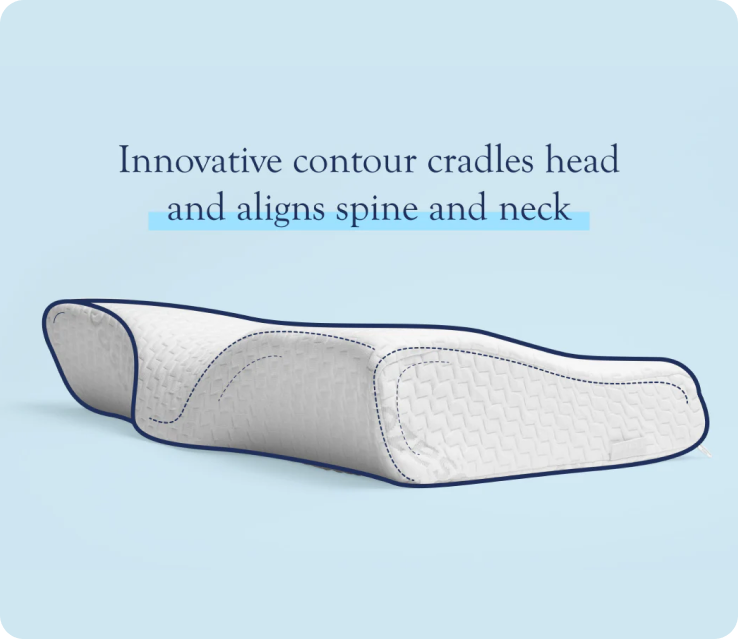
Memory foam contour pillows are one of the most recommended options for neck pain relief. Their sculpted shape — with raised edges and a lower center — is specifically designed to cradle the head while supporting the natural curve of the cervical spine.
- Best for: Side and back sleepers
- Key benefit: Conforms to the shape of your head and neck for personalized support
- What to watch for: Make sure the loft suits your shoulder width — side sleepers typically need a higher loft than back sleepers
- Material note: Look for open-cell or ventilated memory foam to prevent heat retention
2. Cervical Roll Pillow
A cervical roll pillow — sometimes called a neck roll — is a cylindrical pillow designed to slot under the neck, directly supporting the cervical curve. It is a favourite among physiotherapists for targeted neck support.
- Best for: Back sleepers and those with diagnosed cervical issues
- Key benefit: Provides firm, direct support to the natural inward curve of the neck
- Pro tip: Some sleepers use a cervical roll inside a standard pillowcase alongside a flat pillow for combined comfort and support
- Not ideal for: Stomach sleepers or those who move a lot during sleep
3. Adjustable Fill Pillow
If you have ever bought a pillow only to find it too high or too flat, an adjustable fill pillow solves that problem entirely. These pillows let you add or remove fill — usually shredded memory foam, latex, or down alternative — to dial in your exact preferred loft and firmness.
- Best for: All sleep positions, especially combination sleepers
- Key benefit: Customisable support means you can fine-tune alignment as your needs change
- Why it helps neck pain: Too-high and too-low pillows are among the most common causes of morning neck stiffness — adjustability eliminates that guesswork
- Bonus: Great for couples with different sleep preferences
4. Latex Pillow
Natural or synthetic latex pillows offer a buoyant, responsive feel that is quite different from memory foam. They push back gently against the head, maintaining consistent support without the slow-sinking sensation of memory foam.
- Best for: Side sleepers and back sleepers who want firmer support
- Key benefit: Naturally resilient — holds its shape through the night without flattening
- Durability: Latex pillows typically outlast many other pillow types, maintaining their supportive properties longer
- Added perk: Naturally resistant to dust mites and mould, making it a strong choice for allergy sufferers
5. Water-Filled Pillow
Water-filled pillows have a unique adjustability advantage: you control the firmness by adding or draining water from an internal reservoir. Studies in sleep medicine have indicated that water-based pillows can help reduce morning neck pain and improve sleep quality for some users.
- Best for: Back and side sleepers who need precise firmness control
- Key benefit: The water base provides consistent, even support that does not compress unevenly overnight
- How it works: A soft fiber or foam top layer sits above the water chamber, blending comfort with functional neck support
- Consideration: Slightly heavier than standard pillows and requires occasional adjustment
6. Buckwheat Pillow
Buckwheat pillows are filled with natural buckwheat hulls that shift and mould to your head and neck shape — then hold that position firmly. They have been used across East Asia for centuries and have gained a strong following among people dealing with chronic neck and shoulder tension.
- Best for: Back and side sleepers who prefer a firm, moldable pillow
- Key benefit: Supports the head and neck in a customised position without collapsing during the night
- Breathability: Excellent airflow between the hulls keeps the pillow cool
- What to expect: A distinct rustling sound when you move — most sleepers adapt quickly, but light sleepers should factor this in
7. Down Alternative Pillow (Firm or Extra-Firm)
A well-constructed firm down alternative pillow will not match the targeted support of a contour or cervical pillow — but for people with mild neck discomfort or those transitioning away from unsupportive pillows, a quality firm down alternative can be a practical, comfortable starting point.
- Best for: Back sleepers with mild neck discomfort; those who prefer a soft-feel pillow with more structure
- Key benefit: Familiar, traditional pillow feel with better support than a worn-out soft pillow
- What to look for: Choose a firm or extra-firm fill density — standard soft alternatives will not provide enough loft for consistent neck support
- Wash-friendly: Most down alternative pillows are machine washable, making upkeep easy
How to Choose the Right Pillow for Your Neck Pain
Before you invest in a new pillow, consider these three factors:
- Sleep position: Side sleepers need a higher loft to fill the gap between the shoulder and head. Back sleepers need a medium loft that keeps the neck neutral. Stomach sleeping — generally not recommended for neck health — requires a very thin pillow or none at all.
- Mattress firmness: A softer mattress allows the shoulder to sink in, which reduces the loft you need from your pillow. A firmer mattress keeps the shoulder higher, requiring more pillow height. Your mattress and pillow should work together — not in opposition. [LINK: Dosaze mattress collection]
- Personal comfort preference: Support is non-negotiable, but if you dislike the feel of a pillow you will toss and turn all night — which creates its own problems. Where possible, choose adjustable options so you can fine-tune the experience.
A Note on Pillow Lifespan
Even the best pillow for neck pain will not stay effective forever. Most pillows lose their supportive properties over time — memory foam compresses, fill flattens, and latex can degrade. As a general rule, replace your pillow every 18 months to 2 years, or sooner if it has lost its shape. A pillow that no longer supports your neck properly is a common and overlooked cause of recurring neck pain.
The Bottom Line
Neck pain is complex, but your pillow is one of the most controllable variables in the equation. Whether you opt for the precise support of a memory foam contour pillow, the customisable feel of an adjustable fill option, or the firm resilience of latex, the goal is the same: keeping your cervical spine in neutral alignment so your muscles can fully relax overnight.
If you are ready to upgrade your entire sleep setup — not just your pillow — explore the Dosaze sleep collection or take our sleep quiz to get personalised recommendations based on your sleep style. Better mornings start with better nights.


