


Best alternative pillows when memory foam fails
Introduction
Memory foam pillows get recommended a lot because they mold to your shape. But if you are here, you have probably learned the downside: some foam sleeps hot, some feels like you are stuck in one position, and some goes flat right where you need support most. When that happens, you can wake up with a stiff neck, tight shoulders, or a headache that starts before coffee.
The good news is you have real options that are not just "another foam pillow." Different fills and constructions change how a pillow supports cervical alignment, how it handles pressure relief, and how it deals with heat and humidity. For some sleepers, a memory foam alternative also fixes a different problem: a pillow that matches your sleep position at first, then slowly stops supporting you at 3 a.m.
This guide compares the best non-foam pillow types, who they work for, and what to look for so you are not stuck with another expensive return. You will also see a practical way to test a pillow at home, plus a clear recommendation if you still want an ergonomic shape with cooling comfort and a simple return path.
Quick check: why memory foam fails (so you can pick the right alternative)
If you choose a new fill without knowing what failed, you often repeat the same problem in a different material. Use this as a quick diagnosis.
| What went wrong with memory foam | What it usually feels like | What to try instead |
|---|---|---|
| Heat build-up | Warm face, sweaty neck, pillow feels "insulated" | Latex, buckwheat hulls, down alternative with a cool cover |
| Too much sink | Chin drops, neck bends, shoulder feels pinched | Latex, adjustable fill, buckwheat, firmer ergonomic pillow |
| Too firm or "pushy" | Pressure on ear or jaw, numb arm on side | Down, down alternative, wool, adjustable shredded fill |
| Slow response | Hard to change positions, wake when you roll | Latex, down, wool, microbead, buckwheat |
| Odor or sensitivity | Noticeable smell or irritation when new | Wool, buckwheat, cotton-based fills, certified latex |
| Support fades | Starts fine, gets flat in weeks or months | Latex, buckwheat, premium adjustable fills, higher-density foam if you still want foam |
Best alternative pillows when memory foam fails (ranked list)
1) Natural latex pillow (best for cool, springy neck support)
Latex is the closest "upgrade" path if you liked the idea of contouring support but hated the sink or heat. It has a fast bounce, so your head stays lifted and your neck support stays consistent when you roll.
Latex also tends to sleep cooler than traditional memory foam because it is more open and less heat-trapping. If you wake up hot on foam, latex is often the simplest change that still keeps your cervical alignment steady through the night.
Who it fits: hot sleepers, combo sleepers, and side sleepers who need stable height. Watch-outs: some latex pillows feel tall, so check loft, and look for certifications (like OEKO-TEX or similar) if you are sensitive to smells.
2) Buckwheat hull pillow (best for adjustable, no-sink support)
If your main issue is waking with a kinked neck because the pillow collapses, buckwheat is the contrarian pick that often works when "soft" materials fail. Hulls do not compress like foam, so you get strong, shapeable support and reliable pressure relief for the neck and shoulder gap.
You can push hulls away from your ear and build a small ridge under your neck for better cervical alignment. That is hard to do with a single-piece foam pillow, especially once it warms up and softens.
Who it fits: side sleepers who need firm neck support, and people who want precise adjustability. Watch-outs: it can feel noisy when you move, and it is heavier than most pillows. If you hate the feel of a "structured" pillow, you may prefer latex or adjustable shredded fill.
3) Wool pillow (best for temperature control and balanced support)
Wool pillows have a different kind of comfort: not sinky, not bouncy, more like a steady cushion. Wool regulates temperature well, so it is a strong option if your foam pillow feels clammy or damp by morning.
Support depends on how it is packed. A higher-fill wool pillow can hold your head up without the trapped feeling that some foam creates. It is also less "sticky" than foam, which makes position changes easier.
Who it fits: hot sleepers, people with night sweats, and back sleepers who want moderate lift. Watch-outs: wool compacts over time and may need re-fluffing or re-stuffing depending on the design.
4) Down pillow (best for soft pressure relief if foam feels too firm)
If memory foam hurts your ear, jaw, or cheekbone, it may be too firm for your pressure points. Down is the classic alternative because it compresses gently and spreads pressure across a wider area.
The tradeoff is structure. A down pillow can feel amazing at first, then flatten and let your head drop, which can strain cervical alignment for some side sleepers. Many people solve this by choosing a higher fill power or a down-and-feather blend that adds a little backbone.
Who it fits: stomach sleepers and back sleepers who want a lower, softer pillow. Watch-outs: side sleepers with broader shoulders often need more loft than down can hold all night.
5) Down alternative (best for allergy-conscious softness without the maintenance)
Down alternative (usually polyester microfiber) aims for the "cloud" feel without animal materials. It is often easier to wash and can be a good option if you want a comfortable, familiar pillow that does not feel like foam.
For neck support, focus on construction. Look for a gusseted edge (a side panel) or a chambered design, since those hold loft better than a basic stuffed rectangle. This reduces the risk of waking up with your head too low.
Who it fits: sleepers who want soft pressure relief and simple care. Watch-outs: many low-end versions pack down quickly, so durability varies a lot by brand and fill quality.
6) Adjustable shredded foam pillow (best if you liked foam, but needed control)
This is still foam, but it solves the most common reason foam fails: wrong height. A single-piece foam pillow forces your neck into one loft. Shredded fill lets you remove or add material so your head and neck sit in a more neutral line.
It also changes how the pillow feels. Shredded foam moves under you, so it feels less like "sinking into a mold" and more like a supportive cushion. Pair it with a cooling cover if heat is your issue.
Who it fits: people who want adjustable neck support, especially side and combo sleepers. Watch-outs: if you hate any foam feel or smell, go latex, wool, or buckwheat instead.
7) Water pillow (best for fine-tuned loft and consistent support)
A water pillow uses a water pouch inside the pillow to set height and firmness. It is one of the few ways to adjust support with real precision, which matters when you are trying to keep cervical alignment stable.
It also tends to keep support consistent through the night because water does not "pack down" like fiberfill. If you wake up at 3 a.m. feeling like your pillow disappeared, this option is worth considering.
Who it fits: sleepers who want a dialed-in feel and consistent loft. Watch-outs: it is heavier, and you need to be okay with the setup and the feel of a water core.
8) Microbead pillow (best for travel and "moldable" support without heat trap)
Microbead pillows use tiny beads that flow and shift. They can cradle the neck and reduce pressure points without the slow-sinking feel of memory foam.
They also tend to sleep cooler than dense foam because air can move between beads, though cover fabric still matters. For many people, microbeads are a better travel pillow than foam because they compress into a bag and bounce back fast.
Who it fits: travel, naps, and people who want a very moldable pillow. Watch-outs: support for full-night side sleeping is hit-or-miss, especially if you need higher loft.
9) Cervical contour pillow with cooling materials (best if you want ergonomic posture without the stuck feeling)
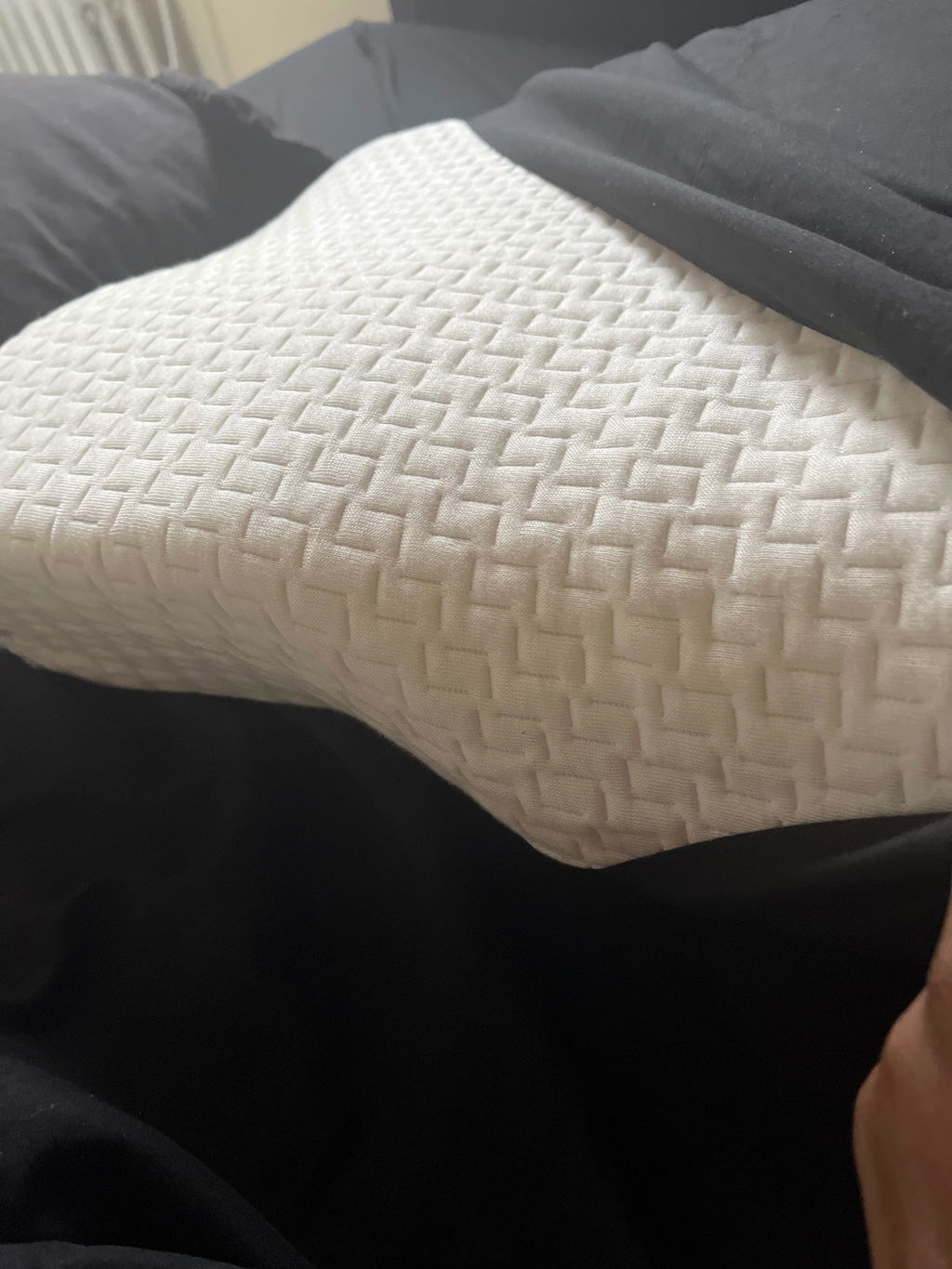
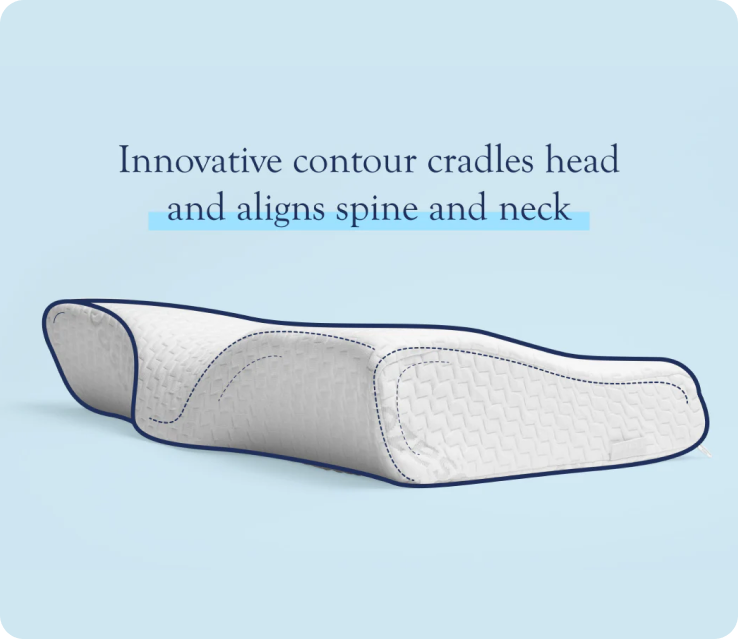
Some people do not actually hate foam, they hate what it does to their neck angle. A cervical contour shape fixes that by supporting the curve under your neck while leaving room for your head. That reduces the chance your chin tucks toward your chest, which can trigger morning stiffness.
This is where material choice matters. A premium contour pillow that uses cooling materials and a responsive feel can keep ergonomic neck support without the "slow melt" effect. If you want the ergonomic design engineered for optimal sleep posture, but you do not want to gamble on returns, choose a brand with a real trial period and simple logistics.
Dosaze makes an ergonomic pillow designed for neck support and cervical alignment, with cooling comfort and a 60-night risk-free trial plus free shipping & returns. If your worry is spending money and still waking up in pain, that trial structure makes the decision easier. You can see it here: https://dosaze.com/products/dosaze-orthopedic-pillow.
How to choose the right alternative (based on your sleep position and pain pattern)
Most pillow advice stops at "side sleepers need higher loft." That is not enough when you are trying to reduce neck and shoulder pain. Use your pain pattern as a clue.
Side sleepers: shoulder pinch vs neck bend
If you wake with a pinched shoulder or numb arm, your pillow is often too low or too soft, so your shoulder bears more load. Try latex, buckwheat, or an adjustable pillow that can hold loft.
If you wake with neck pain on one side, your pillow may be too high or too firm at the edge, pushing your head sideways. Try wool, down alternative with a gusset, or a contour design that supports the neck without lifting the head too high.
Back sleepers: chin tuck is the enemy
Back sleepers often do worse on tall pillows. If your chin tips toward your chest, your upper neck flexes for hours. Choose a medium-low loft option that supports the neck curve, like a contour pillow, a thinner latex pillow, or an adjustable fill pillow set lower.
Stomach sleepers: softer and lower usually wins
Stomach sleeping already rotates the neck. A thick, firm pillow adds more twist. Down or down alternative (kept low) is often the most comfortable option for pressure relief, even if it is not "perfect posture."
A practical 3-night test you can do at home (unique, repeatable, not a vibe check)
If you are testing a new pillow, do not judge it by the first 10 minutes. Use three checkpoints that map to how neck support fails overnight.
- Night 1, setup test: Lie down and take a side photo at mattress level. Your nose should line up with the center of your chest, not angled up or down. If it is off, adjust loft (remove fill, add fill, or swap pillow type).
- Night 2, 3 a.m. test: If you wake up naturally, note whether the pillow feels flatter than bedtime. If yes, you need a fill that holds structure better (latex, buckwheat, water core, or a premium contour).
- Night 3, morning score: Rate neck stiffness and shoulder tightness from 0-10 within 5 minutes of waking. Track this for a week. A real improvement usually shows as a lower score by day 4-7, not just a "feels nice" moment.
Comparison table: which alternative fits which problem?
| Pillow type | Best for | Cooling | Adjustability | Support feel |
|---|---|---|---|---|
| Latex | Heat + sink issues | High | Low | Springy, steady |
| Buckwheat | Max neck support, no collapse | High | High | Structured, firm |
| Wool | Temperature swings, balanced comfort | High | Medium (varies) | Cushioned, stable |
| Down | Pressure relief, very soft feel | Medium | Medium (fluffing) | Soft, can flatten |
| Down alternative | Soft feel, easy care | Medium | Low | Soft, varies by build |
| Adjustable shredded foam | Fine-tuning loft | Medium (cover-dependent) | High | Adaptive, less "stuck" |
| Water pillow | Consistent loft all night | Medium | High | Supportive, unique feel |
| Microbead | Travel, moldable comfort | Medium-high | Medium | Squishy, flowing |
| Ergonomic cervical contour with cooling | Posture, cervical alignment | High (design-dependent) | Low-medium | Guided support |
FAQ
What is the best alternative pillow if memory foam makes my neck hurt?
Neck pain after sleeping usually means your pillow is pushing your head too high, letting it drop too low, or forcing you into one angle for hours. The best alternative when memory foam makes your neck hurt is a pillow that keeps neutral cervical alignment for your sleep position, often latex for springy support, buckwheat for adjustable structure, or an ergonomic cervical contour pillow for guided neck support. A simple next step is to take a side photo while lying down and choose a loft that keeps your nose level with the center of your chest.
What pillow should I try if memory foam sleeps too hot?
Heat build-up matters because a warmer pillow can increase tossing and reduce deep sleep time. If memory foam sleeps too hot, latex, buckwheat hull, and wool pillows are usually better because they allow more airflow and do not rely on heat to soften. If you want a more "traditional" feel, pair a down alternative pillow with a cooling cover and avoid thick, non-breathable protectors. If you are trying to cool down your whole setup, Thermacool sheets can help reduce heat buildup around your neck and shoulders.
Are buckwheat pillows actually good for side sleepers with shoulder pain?
Side sleepers often get shoulder pain when the pillow collapses and the shoulder takes more load. Buckwheat pillows are often good for side sleepers with shoulder pain because you can pile hulls to fill the shoulder-to-neck gap and keep your head level, which supports cervical alignment. Start by shaping a small ridge under the neck and a shallow pocket for the ear, then remove a cup of hulls if it feels too tall.
What is the most comfortable pillow that is not memory foam?
Comfort depends on whether you need pressure relief, cooling, or firmer neck support, so there is no single winner for everyone. The most comfortable non-memory-foam option for many people is latex if they want supportive comfort without heat, or down/down alternative if they want soft pressure relief around the face and jaw. If comfort means waking up with less stiffness, prioritize a pillow that holds loft through the night over one that only feels plush at bedtime.
How can I try a new pillow without wasting money if it does not work?
Pillow fit is personal, and the risk is spending money and still waking up with the same neck or shoulder pain. The best way to avoid wasting money is to choose a pillow with a real at-home trial and straightforward returns, then track morning stiffness scores (0-10) for at least 7 nights instead of deciding on the first night. For example, Dosaze offers a 60-night risk-free trial with free shipping and returns on its ergonomic pillow, which makes it easier to test whether the neck support and cooling comfort work for you. If you are deciding between shapes, contoured pillow vs cervical pillow breaks down how each design tends to feel.
Summary of top picks (if you want the fastest path to a better match)
- Best overall non-foam swap for hot, stuck-on-foam sleepers: natural latex.
- Best for firm, adjustable neck support: buckwheat hull.
- Best for temperature regulation with a softer feel: wool.
- Best for soft pressure relief: down (or down alternative for easier care).
- Best for precise loft control: water pillow or adjustable shredded fill.
- Best for posture-focused ergonomic support with a low-risk trial: an ergonomic cervical contour pillow with cooling materials, such as the Dosaze orthopedic pillow.
Conclusion and next steps
If memory foam failed you, do not default to another foam block with a different label. Match the alternative to the failure: latex for heat and sink, buckwheat for no-collapse structure, wool for cooling balance, and down or down alternative for gentle pressure relief.
Next, run the 3-night test, then track morning stiffness for a week. If your biggest anxiety is getting stuck with the wrong pick, choose an ergonomic option with a clear return policy, like Dosaze's 60-night risk-free trial and free shipping & returns, so you can test neck support and cooling comfort at home. If you want a deeper neck-pain-specific breakdown, this neck pain guide explains what to look for in cervical support.