


Best Cooling Sheets: A Complete Guide to Sleeping Cooler Every Night
Why Your Sheets Might Be the Reason You're Waking Up Hot
You've tried keeping the room cooler. You've kicked off the blankets. But if your sheets are trapping heat, none of that fully solves the problem. The fabric closest to your skin plays a bigger role in your sleep temperature than most people realize — and choosing the right cooling sheets can be the difference between restless, sweaty nights and genuinely restorative sleep.
This guide breaks down everything you need to know: what makes sheets actually cooling, which materials perform best, and how to avoid the common mistakes people make when shopping for them.
What Makes Sheets "Cooling" in the First Place?
Not all sheets marketed as cooling deliver the same results. True cooling performance comes from a combination of factors working together.
Breathability
Breathable sheets allow air to circulate between the fabric and your skin. This prevents the buildup of heat and humidity that wakes you up at 2am. Loosely woven fabrics and natural fibers tend to breathe better than synthetic alternatives.
Moisture Wicking
Night sweats are common — especially during hormonal shifts, warmer seasons, or periods of high stress. Moisture-wicking sheets pull sweat away from your skin so it can evaporate, keeping you dry rather than damp.
Thermal Conductivity
Some fabrics actively feel cool to the touch because they conduct heat away from your body. This is different from breathability — it's why certain sheets feel immediately refreshing when you slide into bed, rather than just not making things worse.
Thread Count (and Why It's Overrated)
Thread count is one of the most misunderstood metrics in bedding. A higher thread count doesn't automatically mean cooler or better-quality sheets. In fact, very high thread counts can indicate a denser weave that traps more heat. For cooling performance, fabric type and weave matter far more than the number on the label.
The Best Fabrics for Cooling Sheets
Here's how the most popular sheet materials stack up when it comes to sleeping cool.
Percale Cotton
Percale is a crisp, one-over-one-under weave that creates a lightweight, breathable fabric with a cool, hotel-linen feel. It's widely considered one of the best options for hot sleepers. Look for long-staple or Egyptian cotton percale for durability alongside performance. A thread count in the 200–400 range is the sweet spot.
Linen
Linen is made from flax fibers and is naturally highly breathable and moisture-wicking. It gets softer with every wash and excels in warm or humid climates. The tradeoff: linen is more textured than cotton, which some sleepers love and others don't. If you run hot year-round, linen sheets are worth serious consideration.
Bamboo (Viscose or Lyocell)
Bamboo-derived fabrics have become popular for good reason. They're silky-smooth, moisture-wicking, and tend to sleep cooler than standard cotton blends. Lyocell (often sold under the brand name Tencel) is a particularly high-quality form of this material with strong sustainability credentials. Bamboo sheets are a great choice for sleepers who want cooling performance with a soft, luxurious feel.
Sateen Cotton
Sateen has a tighter, glossier weave and a silky feel — but it's generally less breathable than percale. It's not the top pick for hot sleepers, though lighter-weight sateen can still work in temperature-controlled environments.
Synthetic Fabrics
Microfiber and polyester blends are affordable and durable but typically trap heat and don't wick moisture effectively. Some newer performance synthetics are engineered with cooling technology, but natural fibers remain the gold standard for most sleepers.
How to Choose the Best Cooling Sheets for Your Needs
The right cooling sheet depends on more than just fabric. Here's what to factor into your decision.
- Your sleep temperature: Do you run hot all night, or just occasionally? Severe heat sleepers will benefit most from percale or linen. Moderate hot sleepers may find bamboo a comfortable middle ground.
- Your climate: Humid environments call for strong moisture-wicking; dry heat climates benefit most from breathability and thermal conductivity.
- Texture preference: Cooling performance shouldn't come at the cost of comfort. Percale is crisp, linen is textured, bamboo is silky — match the feel to what helps you relax.
- Care requirements: Some cooling fabrics require more careful washing. Linen and bamboo, for example, do best with gentle cycles and low-heat drying. Make sure you're willing to follow the care instructions before committing.
- Your mattress: Your sheets work in partnership with your mattress. A mattress that retains heat will limit how much even the best cooling sheets can help. [LINK: Dosaze mattress collection]
Common Mistakes to Avoid When Buying Cooling Sheets
Even shoppers with good intentions end up with sheets that don't deliver. Here are the pitfalls to watch out for.
Chasing High Thread Counts
As noted above, very high thread counts often mean a denser, hotter weave. Don't let this marketing metric distract you from what actually matters: fabric type, weave, and construction quality.
Assuming "Cooling" Labels Are Regulated
The word "cooling" on packaging isn't standardized or regulated. Some sheets use it loosely. Look for specifics — percale weave, linen content, lyocell or bamboo fabric — rather than relying on marketing claims alone.
Ignoring Your Sleep System as a Whole
Sheets are one piece of the puzzle. If your mattress, pillow, or sleep environment are working against you, even the best sheets will only go so far. Think about your full sleep setup. [LINK: sleep quiz]
Washing New Sheets Without Reading the Label
Some cooling fabrics — especially linen and bamboo — can shrink, pill, or lose softness if washed incorrectly. Always check the care label before the first wash.
Building a Complete Cooling Sleep Setup
The best cooling sheets work hardest when the rest of your sleep environment supports them. A few things worth considering alongside your sheet choice:
- A mattress with open-cell foam, latex, or airflow channels rather than traditional dense foam
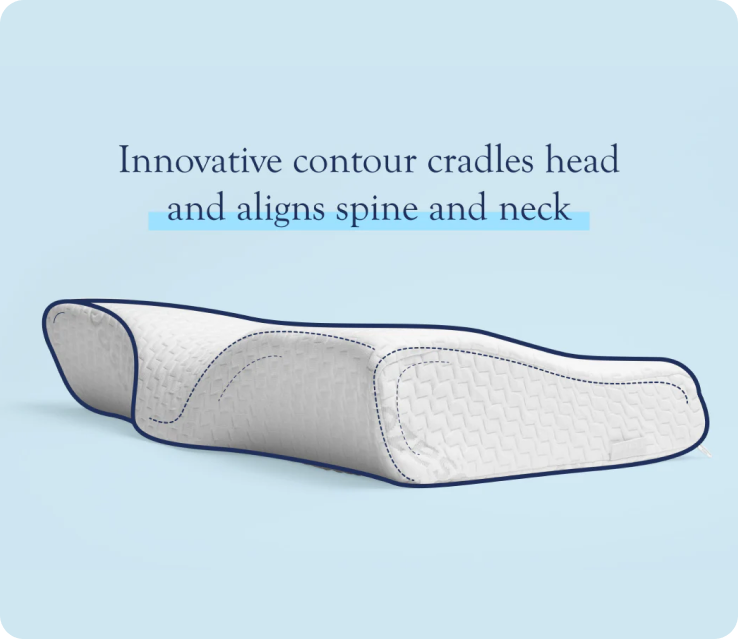
- A breathable, low-profile pillow that doesn't trap heat around your head and neck
- A room temperature kept between 65–68°F (18–20°C), which sleep researchers consistently identify as the optimal range for sleep onset and maintenance
- Lightweight, breathable duvet fills like down alternative or eucalyptus fiber if you use a comforter
The Bottom Line
The best cooling sheets are the ones that match your body, your climate, and your comfort preferences — and that work alongside a sleep setup designed to support recovery rather than interrupt it. For most hot sleepers, percale cotton, linen, or bamboo lyocell are the strongest starting points. Prioritize breathability and moisture-wicking over thread count, and read the fabric details rather than relying on marketing language alone.
At Dosaze, we believe great sleep starts with the right foundation — from the mattress beneath you to the sheets against your skin. If you're ready to stop waking up overheated and start sleeping through the night, explore our [LINK: Dosaze sleep products] or take our [LINK: sleep quiz] to find the setup that fits how you sleep best.