


Best Mattress for Back Pain: Your Most Common Questions, Answered
Back pain and poor sleep form one of the cruelest cycles in modern life — pain disrupts your rest, and poor rest makes the pain harder to manage. If you're searching for the best mattress for back pain, you've probably already discovered that the answer isn't as simple as "just get a firm one." The truth is more nuanced, and more hopeful. Below, we've answered the questions we hear most often so you can stop guessing and start sleeping better.
What type of mattress is best for back pain?
There's no single mattress type that works for every back pain sufferer, but memory foam and hybrid mattresses consistently receive the strongest support from both sleep researchers and people who live with back pain. Memory foam contours to your spine's natural curves, relieving pressure at the hips and shoulders, while hybrid mattresses combine that contouring comfort with the responsive support of individually wrapped coils. The key is finding a mattress that keeps your spine in neutral alignment regardless of how you sleep.
Does mattress firmness really matter for back pain?
Yes — but "firmer is better" is one of the most persistent myths in sleep health. Research suggests that a medium to medium-firm feel is often the sweet spot for people with lower back pain, because it supports the lumbar region without creating pressure points at the hips and shoulders. A mattress that's too firm can push on your joints and force your spine out of alignment, while one that's too soft may let your hips sink too deeply and create a hammock effect. Your body weight, sleeping position, and the location of your pain all influence which firmness will work best for you.
How does sleeping position affect which mattress I should choose?
Your sleeping position changes everything. Side sleepers need more cushioning at the shoulders and hips to keep the spine straight, so a slightly softer surface usually works better. Back sleepers benefit from medium-firm support that fills the natural gap at the lumbar region without pushing the lower back upward. Stomach sleepers — who already put the most strain on the spine — need a firmer surface to prevent the pelvis from sinking and exaggerating the lumbar curve. If you're a combination sleeper, a responsive hybrid or latex option that lets you move freely without getting "stuck" is usually the best bet.
Can the wrong mattress actually cause back pain?
Absolutely. An old, sagging mattress or one that doesn't match your body's needs can create or worsen back pain over time. When a mattress fails to support neutral spinal alignment, your muscles work overtime throughout the night trying to compensate — and you wake up stiff, sore, and unrested. If you notice that your back pain is worse in the morning and improves as the day goes on, your mattress is very likely a contributing factor worth addressing.
What role does pressure relief play in reducing back pain?
Pressure relief and spinal support are two sides of the same coin. A mattress with good pressure relief reduces the load on high-pressure points — hips, shoulders, lower back — which allows your muscles to fully relax instead of bracing against a hard surface all night. This is especially important for side sleepers, whose joints absorb a disproportionate amount of body weight. Materials like adaptive memory foam and zoned support layers are specifically engineered to deliver targeted pressure relief where your body needs it most. You can explore how Dosaze approaches this balance at [LINK: Dosaze mattress collection].
How important is it to try a mattress before committing?
It's critical — which is exactly why sleep trials exist. Your body needs several weeks to fully adjust to a new sleep surface, so a 10-minute showroom test tells you very little. Look for brands that offer a generous in-home trial period of at least 100 nights, so you can assess how your back actually responds over time. Dosaze offers an extended sleep trial for this very reason: real improvement takes real time, and you deserve the confidence to find out without financial risk.
Are there specific mattress features I should look for if I have chronic back pain?
Yes. When evaluating mattresses for back pain, prioritize these features:
- Zoned support: Different firmness levels in different zones (softer under shoulders, firmer under hips and lumbar) promote natural spinal alignment.
- Quality comfort layers: High-density foam or natural latex that contours without bottoming out.
- Edge support: Reinforced edges help when getting in and out of bed — a small but meaningful detail for anyone managing pain.
- Temperature regulation: Sleeping hot increases muscle tension; a breathable mattress helps you stay cool and relaxed all night.
- Durability: A mattress that holds its shape for years maintains consistent support — cheap materials compress quickly and lose their therapeutic benefit.
Does my pillow and bed base affect back pain too?
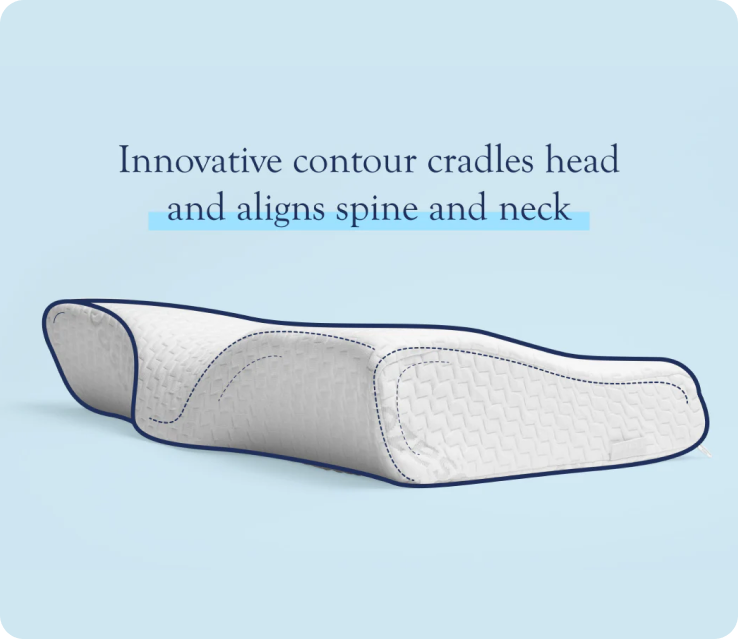
More than most people realize. Even the best mattress for back pain can underperform if your pillow isn't keeping your neck and head in alignment with your spine — a pillow that's too high or too flat shifts your whole cervical curve. Similarly, a worn-out or unsuitable bed base can cause even a quality mattress to sag unevenly, undermining its support structure. Think of your sleep setup as a system: mattress, pillow, and base all work together. Check out [LINK: Dosaze pillow collection] to see options designed to complement your mattress choice.
When should I replace my mattress if I have back pain?
The general guidance from sleep experts is to replace your mattress every 7 to 10 years, but if you're experiencing back pain, you may need to reassess sooner. Visible sagging, lumps, or an impression deeper than about an inch are clear signs your mattress has lost its structural integrity. If you're waking up with pain that didn't exist when the mattress was new, or if you sleep better at a hotel than at home, those are strong signals that it's time for an upgrade.
How do I know which Dosaze mattress is right for my back pain?
The best starting point is understanding your sleeping position, body weight, and the nature of your pain — whether it's lower back, upper back, or joint-related. Dosaze mattresses are designed with zoned adaptive support and pressure-relieving comfort layers that address the most common causes of sleep-related back pain. If you're not sure where to begin, [LINK: sleep quiz] can help match you with the right option in minutes based on your specific sleep profile.
Back pain doesn't have to follow you to bed. With the right information and the right mattress, restorative, pain-free sleep is genuinely within reach. Explore the full [LINK: Dosaze mattress collection] to find a sleep surface built around your body's needs — and take advantage of our extended sleep trial to experience the difference for yourself.