



Best Pillow for Neck Pain: Your Questions Answered
Neck pain and poor sleep have a frustrating relationship — each one makes the other worse. If you wake up stiff, achy, or constantly repositioning your pillow in the middle of the night, you're not alone. The right pillow can make a meaningful difference, but with so many options on the market, it's hard to know where to start. We've rounded up the most common questions people ask about finding the best pillow for neck pain, and answered each one with the clarity you deserve.
What actually causes neck pain from sleeping?
Neck pain during or after sleep is usually caused by poor spinal alignment — specifically, when your head is tilted too far up, down, or to the side for an extended period. This places strain on the cervical spine (the seven vertebrae in your neck) and the surrounding muscles and ligaments. Over hours of sleep, even a small misalignment compounds into significant discomfort. The wrong pillow height, firmness, or shape is often the primary culprit.
What type of pillow is best for neck pain?
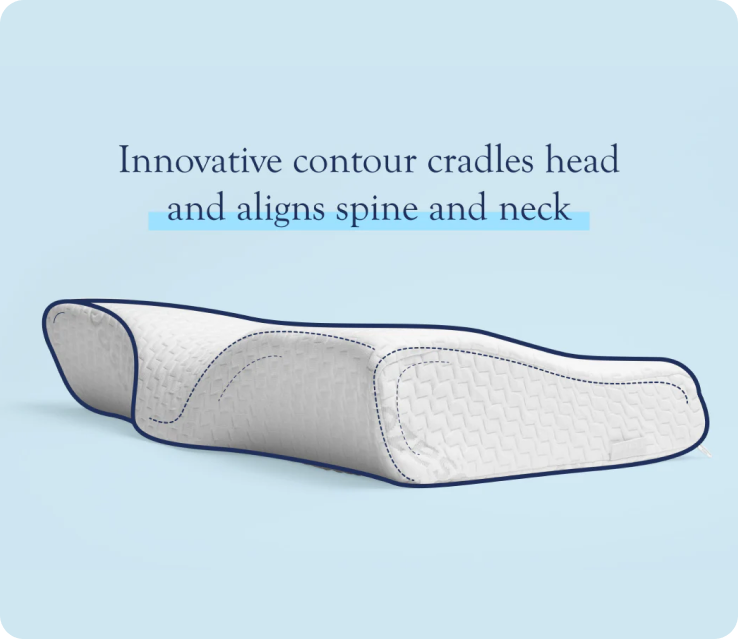
There's no single "best" pillow type for everyone — the right choice depends on your sleep position and body size. That said, pillows with consistent, supportive fill (like memory foam or latex) tend to outperform fluffy, collapsible options because they maintain their shape throughout the night. Cervical or contour pillows, which are shaped to cradle the head and support the natural curve of the neck, are frequently recommended by physiotherapists and sleep specialists for people dealing with chronic neck discomfort.
Does pillow height (loft) matter for neck pain?
Pillow loft — the height of the pillow when it's lying flat — is one of the most important factors for neck alignment. A pillow that's too high pushes your neck into flexion (chin toward chest), while one that's too flat lets your head drop below your shoulders. Side sleepers generally need a higher loft to fill the space between the ear and mattress, while back sleepers do better with a medium loft that keeps the head in a neutral position. Stomach sleepers benefit from the lowest loft possible — or no pillow at all.
Is memory foam good for neck pain?
Memory foam is widely regarded as one of the best pillow materials for neck pain because it contours to the shape of your head and neck, distributing weight evenly and reducing pressure points. It also holds its shape better than down or polyester fill, which means consistent support all night. Some people find traditional memory foam retains heat, so if you sleep warm, look for open-cell or gel-infused memory foam options that promote better airflow. [LINK: Dosaze pillow collection]
What pillow is best for side sleepers with neck pain?
Side sleepers need a firmer, higher-loft pillow to keep the spine aligned from the base of the neck through to the lower back. Without adequate height, the head tilts downward toward the mattress, creating tension across the neck and shoulders. A contoured memory foam or latex pillow with a gusseted edge (a panel around the sides that adds structure) tends to work particularly well for this sleep position. If you're a side sleeper, also consider placing a pillow between your knees to reduce overall spinal strain. [LINK: sleep position guide]
What pillow is best for back sleepers with neck pain?
Back sleepers need a pillow that supports the natural inward curve of the cervical spine without pushing the chin toward the chest. A medium-loft, contouring pillow — particularly a cervical roll or a pillow with a lower centre and raised edges — is ideal for this position. Memory foam and latex both work well, as they provide responsive support that adapts to subtle head movements. Avoid overstuffed pillows, which tilt the neck forward and can lead to stiffness by morning.
Should I see a doctor about my neck pain before buying a new pillow?
If your neck pain is severe, persistent, or accompanied by symptoms like numbness, tingling, or radiating pain down your arms, it's worth consulting a healthcare professional before making any changes. These symptoms can indicate a structural issue that goes beyond what a pillow can address. For general sleep-related neck stiffness and tension, however, upgrading your pillow is a safe, evidence-supported first step. A physiotherapist can also give personalised guidance on the best sleeping position and pillow setup for your specific needs.
How often should I replace my pillow?
Most sleep experts recommend replacing pillows every one to two years, though this depends on the material. Memory foam and latex pillows tend to last longer than down or polyester alternatives because they're more resistant to compression and deformation. A simple test: fold your pillow in half — if it doesn't spring back, it's likely lost its supportive integrity and is no longer providing the alignment it should. An old, collapsed pillow is one of the most overlooked causes of recurring neck pain.
Can the wrong mattress make neck pain worse, even with the right pillow?
Absolutely. Your pillow and mattress work as a system, and an unsupportive mattress can undermine even the best pillow. If your mattress is too soft, your body sinks in ways that throw off spinal alignment from the hips upward — affecting the neck whether you sleep on your back or side. A medium-firm mattress is generally recommended for spinal health, though the ideal firmness varies by body weight and sleep position. If you've upgraded your pillow without relief, it may be time to assess your mattress too. [LINK: Dosaze mattress collection]
Are there any other habits that help reduce neck pain during sleep?
Yes — a few small adjustments can compound the benefits of a good pillow. Avoid sleeping on your stomach if possible, as it forces your neck into a rotated position for hours at a time. Try to keep your phone screen at eye level in the evening to reduce "tech neck" tension before bed. A consistent sleep schedule that allows for full sleep cycles also helps muscles recover and repair overnight. Gentle neck stretches before bed can release tension accumulated during the day and prepare your body for restorative sleep.
Finding the best pillow for neck pain doesn't have to be overwhelming. Once you understand your sleep position, the support you need, and what to look for in materials and loft, the right choice becomes much clearer. At Dosaze, we believe great sleep starts with products designed around how your body actually works — not just how they look in a product photo. Explore our range of supportive pillows and mattresses, or take our [LINK: sleep quiz] to get a personalised recommendation tailored to your sleep style.


