


Best Pillow for Side Sleepers: A Complete Guide to Waking Up Pain-Free
Why Your Pillow Matters More Than You Think (Especially If You Sleep on Your Side)
Side sleeping is the most popular sleep position — and for good reason. It can reduce snoring, ease acid reflux, and is often recommended during pregnancy. But it comes with one significant challenge: spinal alignment. When you sleep on your side, there's a gap between your head and the mattress that your pillow needs to fill precisely. Too flat, and your neck tilts downward. Too thick, and it pushes your head up at an awkward angle. Either way, you wake up sore.
Choosing the best pillow for side sleepers is not just about comfort — it is about protecting your cervical spine night after night. The right pillow keeps your head, neck, and shoulders in a neutral, aligned position so your muscles can fully relax instead of quietly compensating all night long.
What Makes a Pillow Right for Side Sleepers?
Not all pillows are designed with side sleepers in mind. Here is what to evaluate before you buy:
Loft (Height)
Loft refers to how tall a pillow is when compressed under the weight of your head. Side sleepers generally need a medium-to-high loft — roughly 4 to 6 inches — to bridge the distance between the mattress and the side of the head. Shoulder width plays a role here too: broader shoulders typically require a higher loft to keep the spine level.
Firmness
A pillow that is too soft will compress completely and offer little support. Side sleepers benefit from a medium-firm to firm pillow that holds its shape through the night. The goal is consistent support, not just initial comfort when you first lay down.
Fill Material
The fill material dramatically affects how a pillow feels and performs:
- Memory foam (solid): Contours to the shape of your head and neck, providing excellent support and pressure relief. Best for side sleepers who want consistent, stable support and do not move around much.
- Shredded memory foam: Offers the contouring benefits of memory foam but is adjustable and more breathable. A versatile choice for most side sleepers.
- Latex: Naturally responsive and durable, latex pillows bounce back quickly and offer firm, supportive lift without feeling stiff. A great option for those who prefer a more buoyant feel.
- Down alternative: Soft and lightweight, but most down and down-alternative pillows lack the structural support side sleepers need unless they are specifically designed with a high fill power or gusseted construction.
- Buckwheat: Moldable and firm, buckwheat pillows conform to your neck curve and stay put. They are heavier than most but beloved by side sleepers who need precise, adjustable support.
Pillow Shape
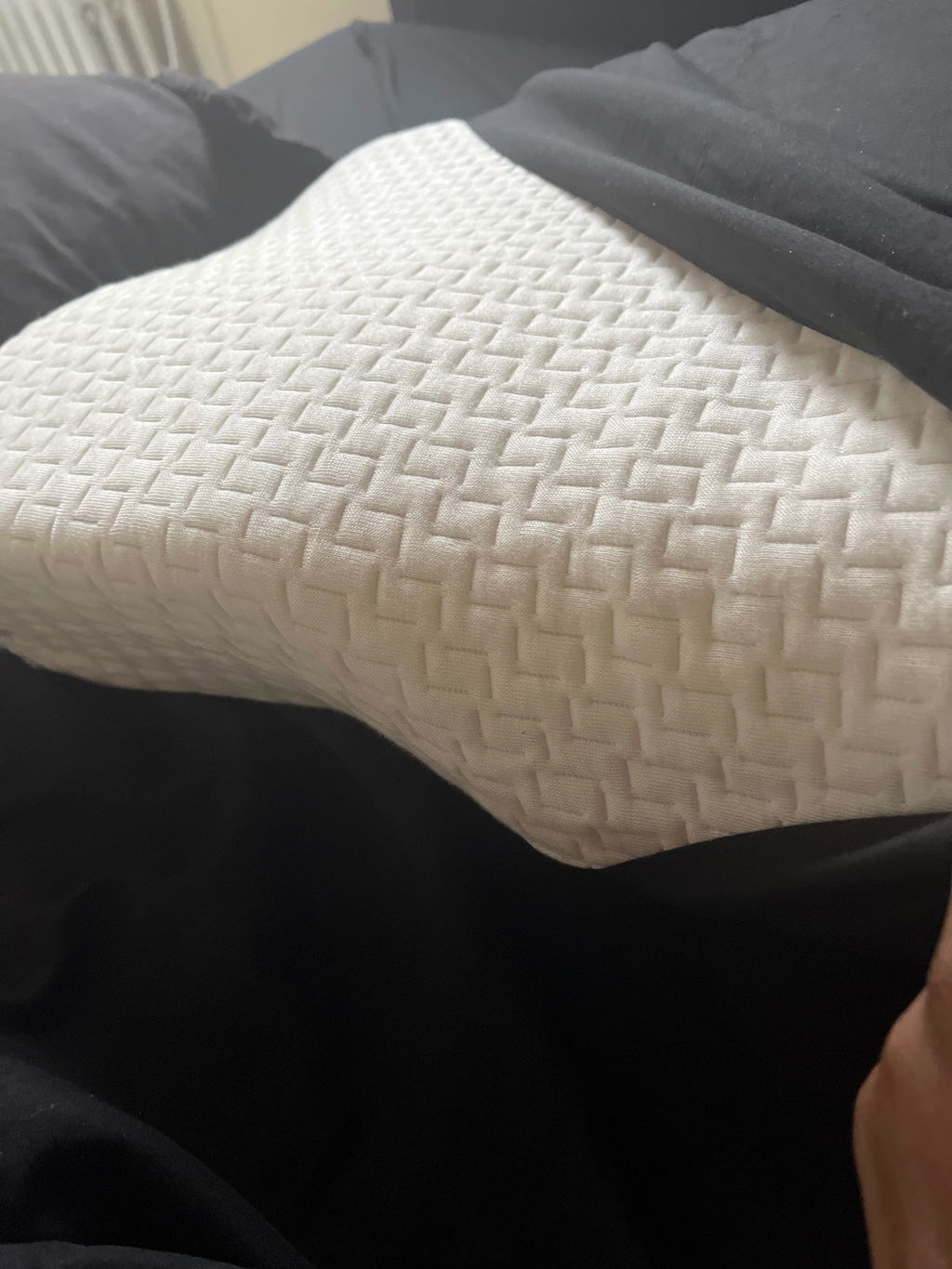
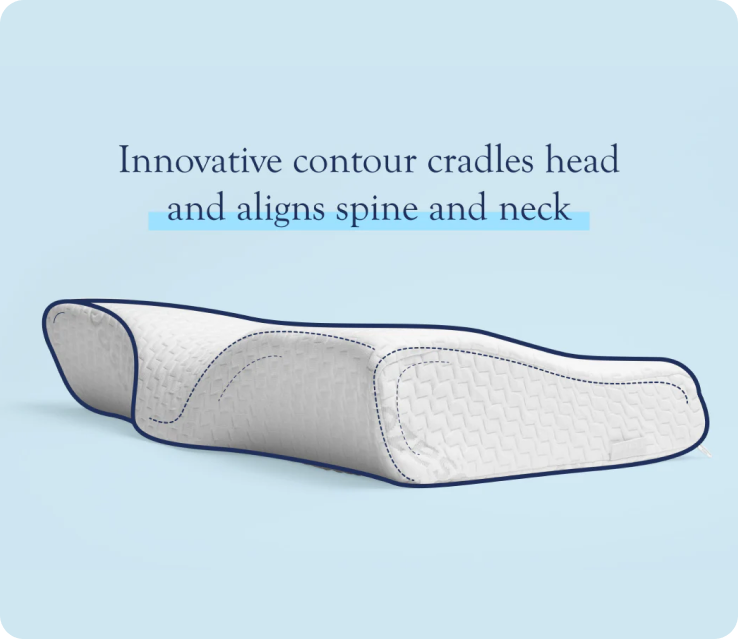
Standard rectangular pillows work for most side sleepers, but gusseted pillows — which have an added panel along the edges to maintain loft — are especially effective because they resist flattening throughout the night. Some side sleepers also find contour-shaped cervical pillows helpful, as these are ergonomically shaped to cradle the neck and support the head at the correct height.
The Connection Between Your Pillow and Your Mattress
Here is something most pillow guides skip: your pillow and mattress work as a system. A side sleeper on a very firm mattress needs a higher-loft pillow because the mattress will not allow the shoulder to sink in much. On a softer, more contouring mattress, the shoulder can compress into the surface, which reduces the gap between your head and the bed — meaning a slightly lower loft may serve you better.
If you have recently upgraded your sleep surface, it is worth reconsidering your pillow at the same time. [LINK: Dosaze mattress collection] has options specifically designed for side sleepers, and pairing the right mattress with the right pillow can make a dramatic difference in how you feel each morning.
Common Mistakes Side Sleepers Make When Choosing a Pillow
Even well-intentioned shoppers fall into a few predictable traps:
- Choosing by softness alone: A pillow that feels luxuriously soft in the store often collapses under the weight of your head within hours. Prioritize support over initial plushness.
- Ignoring pillow height: Many people grab a standard pillow without thinking about loft. If you wake up with neck stiffness, your pillow height is often the culprit.
- Keeping a pillow too long: Most pillows should be replaced every one to two years. As fill compresses and breaks down over time, the support disappears — even if the pillow still looks fine.
- Using one pillow when two might help: Many side sleepers benefit from placing a second pillow between their knees to keep the hips and lower spine aligned as well. This simple addition can reduce lower back discomfort significantly.
- Not accounting for shoulder pain: If you experience shoulder discomfort, the issue is not always the pillow — it can be that your mattress is not providing enough pressure relief at the shoulder joint. [LINK: sleep quiz] can help you figure out whether the issue is your pillow, your mattress, or both.
How to Test Whether Your Pillow Is Working
A good pillow for side sleeping should leave you waking up without stiffness in your neck, shoulders, or upper back. Here are some quick checks:
- When lying on your side, your nose should be roughly in line with the center of your chest — not angled up or down.
- There should be no uncomfortable pressure on the ear or jaw from the pillow being too firm in the wrong places.
- Your pillow should maintain most of its loft by morning — if it is flat within a few hours, it is not the right fill for you.
If you are unsure where to start, sleep science consistently points to adjustable pillows — like shredded foam or buckwheat — as the most forgiving choice because you can fine-tune the loft to your exact needs.
Caring for Your Pillow to Extend Its Life
Even the best pillow degrades faster without proper care. Most shredded foam and synthetic fill pillows are machine washable — check the care label and wash every three to six months. Solid foam and latex pillows typically need spot cleaning and regular airing out. Using a quality pillow protector keeps allergens, dust mites, and moisture from breaking down the fill prematurely.
Finding the Right Fit for You
There is no single best pillow that works for every side sleeper. Body size, shoulder width, mattress firmness, and personal preference all shape what works. That said, the principles are consistent: medium-to-high loft, adequate firmness, and a durable fill material that holds its shape night after night.
At Dosaze, we believe great sleep starts with the right foundation — and that means getting every layer of your sleep setup right, from your mattress to your pillow. Explore our [LINK: pillow collection] to find options designed with side sleepers in mind, or take our [LINK: sleep quiz] to get a personalized recommendation based on your sleep position, body type, and comfort preferences. You deserve to wake up feeling genuinely rested — and the right pillow is one of the simplest ways to get there.