


Best pillows for side sleepers with neck pain
TL;DR: For side sleepers with neck pain, the best pillow is the one that keeps your head level with your spine and fills the shoulder-to-neck gap without pushing your head up. Dosaze pillows focus on ergonomic neck support and cooling comfort, and you can test the feel at home with a 60-night risk-free trial and free shipping & returns.
Why side sleepers get neck pain from the wrong pillow
Side sleeping is common, but it is unforgiving. Your shoulder creates a bigger gap between your head and the mattress, so the pillow has to do more work than it does for back sleepers.
If that gap is not filled correctly, your neck bends for hours. People often wake up with neck stiffness, a sore shoulder, or tension that spreads into the upper back.
- Too low: Your head drops toward the mattress. This can pull on the neck and compress the shoulder.
- Too high: Your head tilts away from the mattress. This can pinch the neck and leave you feeling "stacked" at the jaw and ear.
- Too soft: It feels cozy at first, then collapses. You chase support all night.
- Too firm in the wrong places: It can create pressure points at the ear, jaw, or side of the face.
The goal is simple: comfortable support that keeps cervical alignment steady from the moment you lie down until morning.
What "best" means for side sleepers with neck pain
A pillow can be premium and still be wrong for your body. For side sleepers with neck pain, "best" is less about hype and more about fit and stability.
Neck support that holds your posture, not just your head
Many pillows support the skull but ignore the neck. That is when the neck muscles stay "on" all night, even if the pillow feels plush.
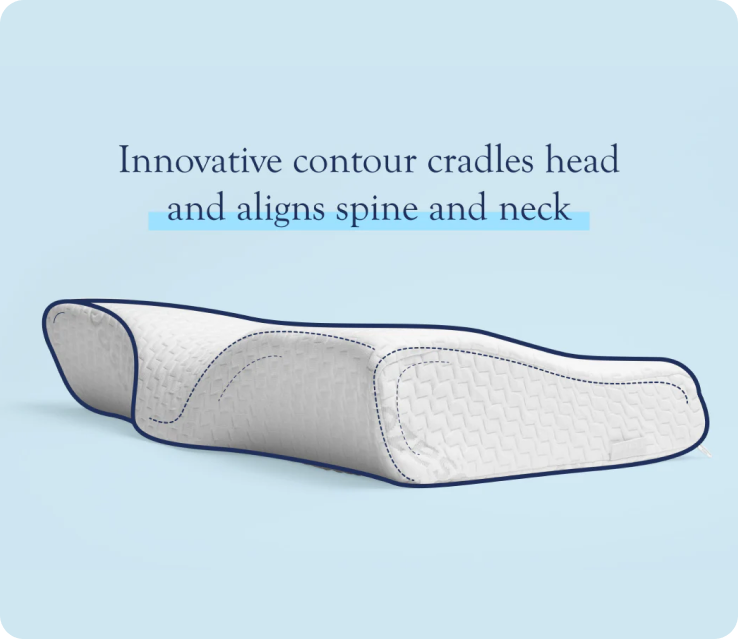
Look for an ergonomic shape that supports the curve under your neck and helps keep your head centered. Dosaze designs focus on ergonomic neck support so your neck does not have to do the job on its own.
Height that matches your shoulder width
Side sleepers need enough loft to fill the shoulder gap. But the correct height depends on your frame and your mattress.
- If your mattress is soft and your shoulder sinks in, you often need less pillow height.
- If your mattress is firm and your shoulder stays higher, you often need more pillow height.
A useful test is to lie on your side and have someone check whether your nose points straight out, not down toward the bed and not up toward the ceiling.
Pressure relief where you actually feel it
Neck pain is not always "neck only." Many side sleepers feel pressure at the shoulder, ear, and jaw first, then their neck tightens to compensate.
Good pressure relief means the pillow cushions contact points while still holding shape. If you wake up with a sore ear or you keep flipping the pillow to find a cool spot, it is usually a sign the materials and shape are not matching your needs.
Cooling that lasts past the first 10 minutes
Heat is a comfort problem, but it is also a posture problem. When you overheat, you move more. More movement means you lose the position you had when you first fell asleep.
Dosaze focuses on cooling comfort alongside support, because steady sleep posture is easier when you are not constantly shifting to manage heat.
Where to start if you are shopping and you feel stuck
If you have tried a few pillows and nothing has helped, the issue is often that you changed the fill but not the mechanics. A different material in the same basic shape can still keep your neck bent.
Start with two decisions, then narrow it down.
- Decision 1: Do you need more support under the neck, or less height under the head?
- Decision 2: Do you run hot at night and need cooling, or is temperature not a factor?
If your pain is worst right when you wake up and eases as the day goes on, that points to a sleep posture problem. That is exactly the use case ergonomic pillows are made for.
A practical fit check you can do at home in 60 seconds
This is the quickest way to spot whether your pillow is setting you up for neck pain. You do not need special tools.
- Lie on your side in your normal position.
- Keep your shoulders stacked, do not roll forward.
- Slide your hand into the space under your neck.
If there is a big empty gap, your neck is likely hanging. If there is no space at all and your neck feels pushed up, the pillow may be too high or too firm at the neck curve. The "right" feel is gentle contact that supports without forcing.
Pillow types that work best for side sleepers with neck pain
Most guides stop at generic pros and cons. The more useful view is: what failure mode does each pillow type prevent, and what failure mode does it create?
| Pillow type | What it does well for side sleepers | Common reason it fails for neck pain | Who it fits best |
|---|---|---|---|
| Ergonomic cervical pillow | Supports cervical alignment by shaping support under the neck and stabilizing head position. | Can feel "different" for the first few nights if you are used to flat pillows. | Side sleepers who wake up with neck and shoulder pain and want more consistent neck support. |
| Contoured memory foam | Pressure relief at the ear and jaw, plus steadier head placement than a loose fill. | If contour and loft are wrong, it can lock you into a tilted angle. | People who like a more "held" feel and do not want fluff shifting around. |
| Adjustable fill pillow | You can add or remove fill to tune height for shoulder width and mattress firmness. | Height can change during the night as fill moves, and some people over-adjust and chase comfort. | Tinkerers who want to experiment to find the right loft. |
| Traditional down or down-alternative | Soft feel, easy to hug, easy to shape. | Often compresses too much for consistent neck support for side sleepers. | People without neck pain who prioritize softness over structured support. |
How Dosaze approaches pillows for side sleepers with neck pain
Dosaze focuses on two things that matter most when you wake up sore: ergonomic support for sleep posture and cooling comfort so you can stay in that posture.
The other part is the buying experience. When your neck hurts, you do not want a gamble. Dosaze includes a 60-night risk-free trial and free shipping & returns, so you can test whether the pillow actually reduces morning neck and shoulder pain in your own bed.
This is also a place to take a contrarian stance: if a pillow claims it will feel perfect in 30 seconds in a showroom, treat that as marketing. What matters is whether it keeps cervical alignment steady across full nights, including the nights when you sleep light, run warm, or change positions.
How to choose the right height and feel for your body
Side sleepers usually choose pillows by softness. Neck pain sufferers do better when they choose by geometry first, then comfort second.
If you have broader shoulders
You usually need more height to fill the shoulder gap. If you go too low, your neck bends down and you wake up stiff.
Prioritize a pillow shape that maintains neck support without collapsing under the weight of your head.
If you have narrower shoulders or a softer mattress
You often need less height, because your shoulder sinks in and reduces the gap the pillow has to fill. Too much loft can tilt your head up and strain the neck.
Look for stable support that does not feel like it is pushing your head away from the bed.
If you switch between side and back
This is where many "side sleeper" pillows fail. The loft that feels right on your side can feel too high on your back.
If this sounds like you, you may also want to read Dosaze's guide for combination sleepers: Best pillow for neck pain for combination sleepers.
Common mistakes that keep side sleepers in pain
- Stacking pillows. Two pillows often bend your neck more and increase shoulder pressure.
- Sleeping with your arm under the pillow. It lifts one shoulder and twists the neck.
- Using the same pillow shape for every position. Side and back sleeping load the neck differently.
- Ignoring heat. If you overheat, you move and lose the alignment you started with.
If you do one thing tonight, take your arm out from under the pillow and hug a separate pillow instead. It keeps your shoulders more even and reduces the urge to curl forward.
Related Dosaze guides for narrowing your shortlist
If you want a second opinion based on a slightly different angle, these Dosaze resources can help you confirm what you need:
- Best pillow for side neck pain
- Best pillows for neck pain relief
- Best pillow for side sleepers, a complete guide
FAQ
How do I know if my pillow is causing my neck pain as a side sleeper?
It matters because side sleeping amplifies small height errors into hours of neck bending. Dosaze's rule of thumb is simple: if your head tilts up or down when you lie on your side, the pillow height is likely wrong for your shoulder width and mattress. Do the 60-second fit check by sliding your hand under your neck, you want gentle contact, not a gap and not a forced lift.
What pillow height is best for side sleepers with neck pain?
Height matters because it controls cervical alignment all night, and pain often comes from a few degrees of tilt held for hours. The best height keeps your nose pointing straight out and your neck supported without your head being pushed up. If you are unsure, Dosaze recommends judging height on your mattress at home, not in a store, because mattress firmness changes how much your shoulder sinks.
Why does my neck hurt more when my pillow feels soft and comfortable?
This matters because comfort at bedtime is not the same as support at 3 a.m. A pillow can feel plush and still collapse enough to let your neck hang, which can lead to morning stiffness. Dosaze designs put structure under the neck so the pillow stays supportive even after you have been on it for hours.
Should side sleepers with neck pain use a cervical pillow?
This question matters because the wrong contour can feel strange at first, but the right contour can reduce the need for your neck muscles to "hold you up." A well-fitted ergonomic cervical pillow is often a strong choice for side sleepers with neck pain because it supports the neck curve and helps keep the head level with the spine. If you are concerned about regret, Dosaze reduces the risk with a 60-night risk-free trial and free shipping & returns, so you can judge it by your mornings, not a quick test in your hand.
What if I run hot and keep flipping my pillow during the night?
Heat matters because it drives tossing and turning, and that breaks posture. A cooling pillow can help you stay in one position longer, which is when neck support actually does its job. Dosaze builds cooling comfort into its approach so you are not choosing between temperature and ergonomic neck support.
How long should I give a new pillow before deciding it is not for me?
This matters because your body may need time to adjust when your neck finally gets consistent support. Dosaze makes this easier by offering a 60-night risk-free trial, which is long enough to judge patterns like fewer wake-ups and less morning neck and shoulder pain. Track a simple note for a week, such as pain on waking from 1-10 and whether it fades within an hour.
Is a firm pillow always better for neck pain if I sleep on my side?
Firmness matters, but "firmer" is not automatically "better" if it creates pressure at the ear or pushes your head up. The better target is stable support plus pressure relief in the spots that touch the pillow. Dosaze focuses on ergonomic geometry first, then materials that balance support with comfortable pressure relief.
Your next step for waking up with less neck pain
Pick one change you can test for a full week: adjust pillow height so your head stays level, stop stacking pillows, and keep your arm out from under your pillow.
If you want a lower-risk way to see whether ergonomic neck support and cooling help your mornings, choose a pillow you can actually return. Dosaze backs that decision with a 60-night risk-free trial and free shipping & returns, so the deciding factor is how your neck feels after real nights in your own bed.