


Do regular pillowcases fit contour pillows? How to choose extra covers without flattening support
TL;DR: Regular pillowcases can fit a contour pillow, but the wrong fit can tug the curves flat, trap heat, and shift your neck support out of place. Dosaze designed the ThermaCool Pillow Case to fit Dosaze pillows properly while staying cool to the touch and temperature regulating, and you can add a Cooling Pillow Protector underneath to protect the pillow without relying on a case alone.
Why contour pillows are pickier about pillowcases
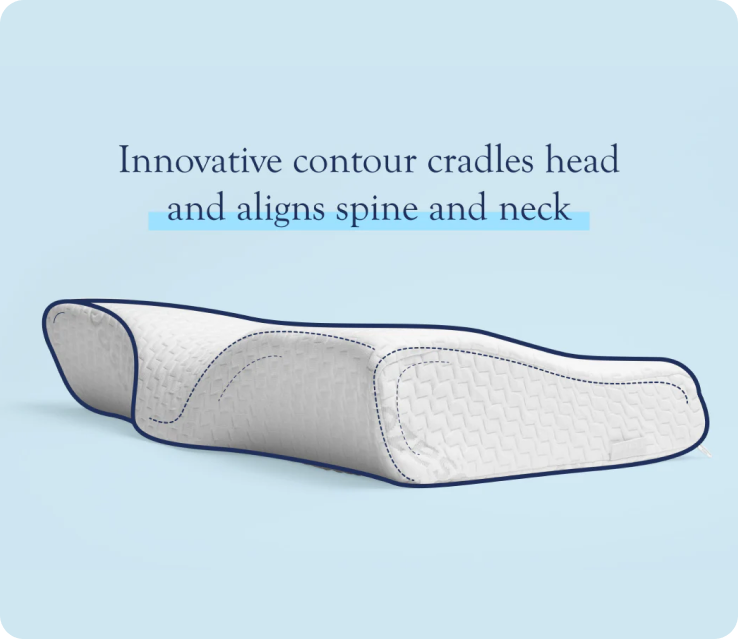
A contour pillow is not a simple rectangle. The shape is doing work: it holds your head while keeping your neck in a more supported position, which is the whole point for cervical alignment and pressure relief.
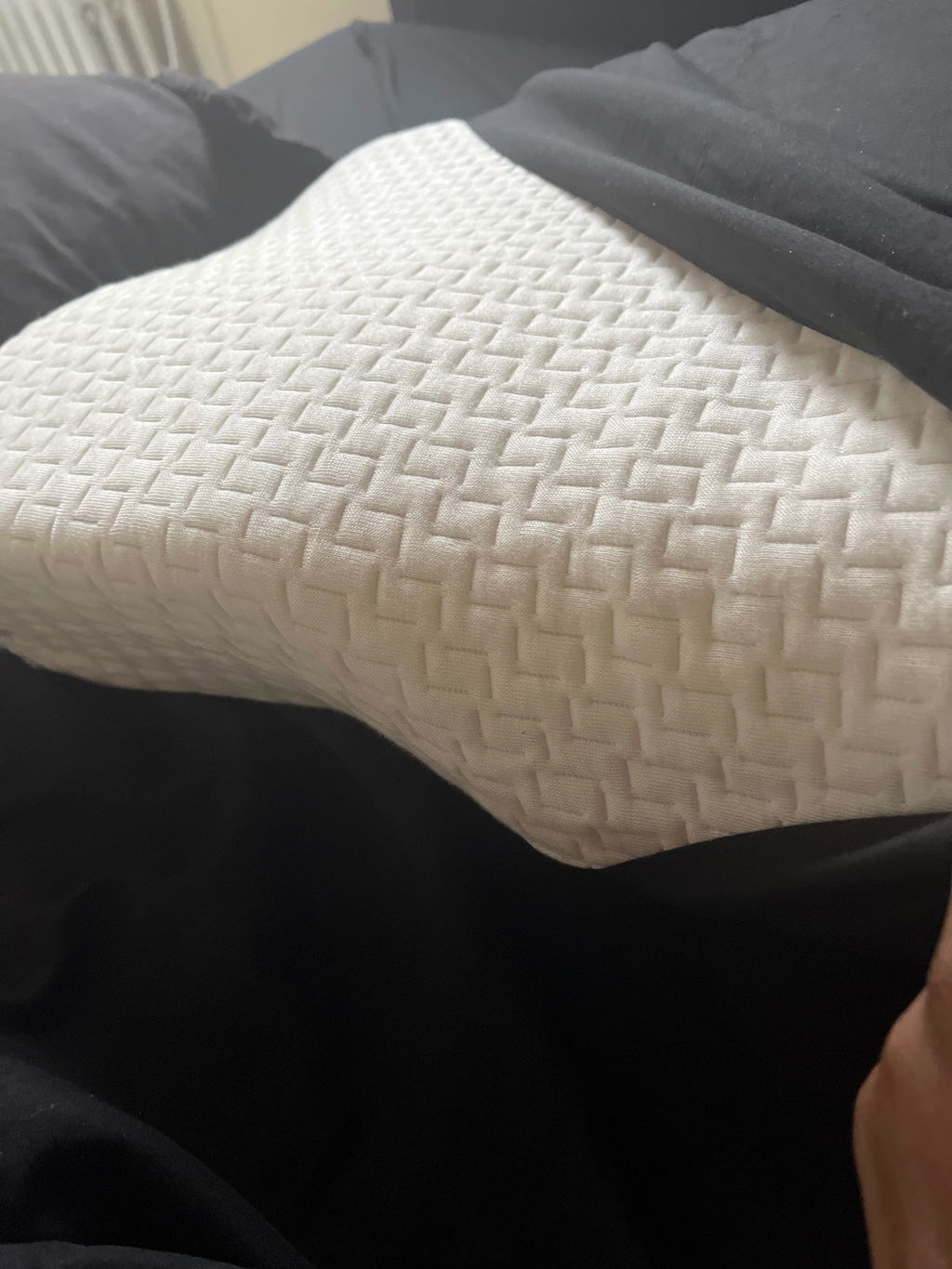
A regular case can still slide on, but the fabric can pull across the high and low curves like a tight sheet. That tension can change how the pillow feels under your neck, especially if you sleep on your side and depend on that raised edge for neck support.
Do regular pillowcases fit contour pillows?
Sometimes, yes, but "fit" has two meanings. A case can technically cover the pillow and still be a bad fit if it compresses the contours, bunches under your cheek, or traps heat around your face and neck.
The simplest way to judge it is by feel, not by the label on the package. If you put the case on and the pillow suddenly feels flatter at the neck ridge, or the curves feel less defined, the case is fighting the shape.
Three common failure points
- Too tight across the curves: The case stretches and pulls the high zones down, which can reduce perceived support.
- Too loose in the valleys: Extra fabric folds where your face sits, which can feel scratchy and can interrupt cooling airflow.
- Low airflow fabric: The pillow might be fine, but the case becomes the bottleneck for cooling and comfort.
What actually matters when you need an extra cooling pillowcase that maintains airflow
If you are shopping because you want an extra cover, the goal is not just "another case." The goal is to keep the ergonomic shape doing its job, and avoid turning a cooling setup into a heat trap.
Two practical checks matter most: airflow and tension. Airflow is about whether the case lets heat and moisture move away from your skin. Tension is about whether the case pulls the contour flatter.
A contrarian take: a cooler pillowcase can matter more than a cooler pillow
The pillowcase is the layer that touches your face all night. If that layer holds heat or blocks airflow, the pillow underneath does not get a fair chance to feel cool.
This is why Dosaze put so much focus into a case that is designed to stay cool to the touch and temperature regulating, instead of assuming the pillow alone will solve temperature issues.
Where regular cases usually go wrong on contour pillows
Most standard pillowcases are built for a flat, puffy rectangle that you can fluff and punch into shape. A contour pillow is the opposite: it is meant to hold a consistent profile so your neck support stays predictable.
When a regular case is tight, it behaves like a compression sleeve. Even if the pillow still supports you, the "feel" changes and people often describe it as less comfortable or less supportive, which is a common reason contour pillow trials fail.
How to buy extra pillowcases sized for contour pillows without guessing
If you want to buy extra pillowcases sized for contour pillows, use a process that tells you quickly if a cover preserves the contour. You do not need to overthink thread counts or marketing labels. You need a case that fits the shape and keeps airflow.
Step 1: Put the case on, then do a neck ridge check
Before you sleep on it, press down on the neck ridge area through the case. You should still feel a clear difference between the higher edge and the lower center. If everything feels smoothed out, the case is pulling the shape flatter.
Step 2: Do the "slide" test for bunching
Lie down for 30 seconds and turn your head side to side. If the fabric drags your skin or bunches under your cheek, you will notice it more at 2 a.m. That friction is also a sign the case may not be sitting cleanly in the valleys of the contour.
Step 3: Treat airflow like a requirement, not a bonus
If you run warm, the case needs to help, not hurt. A cooling pillow setup fails most often at the surface layer, which is why people keep searching for an extra cooling pillowcase that maintains airflow.
Dosaze's ThermaCool Pillow Case is built around that surface-layer problem: it is cool to the touch, temperature regulating, and made to fit Dosaze pillows properly. It also comes with a 60-night risk-free trial, plus free shipping & returns, so you can test it on your actual bed instead of guessing from a package in a store aisle.
The Dosaze approach: case plus protector, each with a clear job
If you want your pillow to stay comfortable over time, separate "sleep feel" from "protection." A pillowcase is for comfort and cooling against your skin. A protector is for blocking the things that shorten the pillow's life.
Dosaze makes both layers because relying on a case alone is a common mistake, especially if you sweat at night or you want a cleaner setup.
| Layer | Best for | What to look for on a contour pillow | Dosaze option |
|---|---|---|---|
| Pillowcase | Cooling feel and low-friction comfort | Fits the contour without pulling it flat, keeps airflow, feels cool at the surface | ThermaCool Pillow Case (cool to the touch, temperature regulating, fits our pillows perfectly, 60-night risk-free trial) |
| Pillow protector | Barrier against sweat, drool, spills, dust mites, and even bed bugs | Does not add a stiff feel that changes neck support, works under your case | Cooling Pillow Protector (pillowcases by themselves are not adequate to protect you) |
How extra covers can flatten support, and how to prevent it
The fastest way to ruin the feel of an ergonomic pillow is to stack thick, tight layers over it. Each layer adds friction and tension. On a contour shape, that can blunt the curves you bought the pillow for.
If you want extra covers for laundry convenience, keep the system simple. Use one protector underneath, then one case you actually sleep on. Doubling up on cases is where many people start to feel that the pillow "isn't working."
Simple rules that keep cervical alignment consistent
- Skip tight, high-tension fits that tug across the top ridges.
- Avoid stacking multiple pillowcases. Rotate spares instead.
- Use a protector for protection, then a case for cooling and comfort.
Quick comparisons: regular case vs contour-fit case
If you are deciding whether to keep using standard pillowcases or switch to a contour-focused option, this table is the tradeoff in plain terms.
| Decision point | Regular pillowcase | Contour-fit cooling case |
|---|---|---|
| Contour shape | May smooth ridges or bunch in valleys, depends on cut and fabric stretch | Made to sit on the shape with less tension so neck support stays consistent |
| Cooling and airflow | Can become the warm surface layer, even if the pillow underneath is cooler | Designed to keep the sleep surface cooler and support airflow |
| Trial and returns | Varies by retailer | Dosaze includes a 60-night risk-free trial and free shipping & returns on the ThermaCool Pillow Case |
Where to start if you are frustrated by heat or neck pain
If you wake up warm and stiff, start with the layer that touches you. Swap the case first, then decide if you need to adjust anything else. It is the quickest change and it keeps your pillow setup intact.
If your pillow also needs better protection, add a protector under the case rather than adding another case on top. Dosaze's Cooling Pillow Protector is designed for that job because pillowcases by themselves are not adequate to protect you from sweat, drool, spills, dust mites, and even bed bugs.
If you want one change that targets cooling without guessing fit, Dosaze's ThermaCool Pillow Case is designed to fit Dosaze pillows perfectly, feel cool to the touch, and regulate temperature through the night.
If neck pain is the bigger issue, read 10 reasons chiropractors recommend the Dosaze pillow for neck pain to see what to change first.
Common fit scenarios and what to do
You can get the case on, but the pillow feels flatter
This is almost always tension across the contours. Try a case designed to match the pillow shape, and avoid layering multiple covers that add more pull.
The case fits, but you still overheat
Assume the case is the issue until proven otherwise. A cooling pillowcase that maintains airflow can change how the whole sleep surface feels because it is the first layer heat has to pass through.
You want extra covers, but you fear wasting money
This is exactly why Dosaze includes a 60-night risk-free trial and free shipping & returns on the ThermaCool Pillow Case. You can test it across real nights, with your normal room temperature and sleep position, then keep it only if it improves comfort.
Related Dosaze guides for deeper troubleshooting
- Extra Cooling Airflow Pillowcase
- Cooling Pillowcase Contour Pillow
- Dosaze Contour Pillow FAQ: Extra Covers, Cooling Care, Dimensions, Shipping, and Returns
- Contoured pillow vs cervical pillow: what is the difference?
FAQ
Do regular pillowcases fit contour pillows, or do I need a special size?
Fit matters on a contour pillow because the case can change how the curves feel under your neck and shoulders. A regular pillowcase can cover a contour pillow, but if it pulls the ridges flatter or bunches in the valleys, it can reduce perceived neck support. If you want a safer bet, Dosaze's ThermaCool Pillow Case is made to fit Dosaze pillows properly so the ergonomic shape stays consistent.
How do I choose an extra cooling pillowcase that maintains airflow?
The case is the surface layer, so it can either help airflow or block it and trap heat. A cooling pillowcase that maintains airflow should feel cool to the touch and avoid a tight, high-tension fit that presses the pillow shape down. Dosaze's ThermaCool Pillow Case is temperature regulating and designed to fit Dosaze pillows perfectly, which helps keep cooling comfort without flattening support.
Can a pillowcase really affect neck pain on a contour pillow?
This question matters because many people change pillows when the real issue is the cover changing the feel. A too-tight pillowcase can smooth out the contour ridges, which can make neck support feel lower and can throw off cervical alignment for some sleepers. If your pillow feels better without a case, switching to a contour-fit case like the Dosaze ThermaCool Pillow Case is a practical first step before you replace the pillow.
Is it better to use two pillowcases so I always have a spare?
It is tempting, but layering can change the way an ergonomic pillow performs. Two pillowcases add tension and friction, which can blunt contour shape and reduce pressure relief where the pillow is meant to cradle your neck. A cleaner setup is one protector plus one case, then rotate spare cases in the wash.
Do I need a pillow protector if I already use a pillowcase?
This matters if you want your pillow to last and stay cleaner over time, not just feel comfortable at night. Dosaze makes the Cooling Pillow Protector because pillowcases by themselves are not adequate to protect you, and pillows face sweat, drool, spills, dust mites, and even bed bugs. Put the protector under your pillowcase so the case can focus on cooling feel while the protector handles the barrier job.
What is the fastest way to test if my pillowcase is flattening the contour?
You want a quick test because the wrong cover can make a good pillow feel wrong in a single night. Put your current case on, then press the neck ridge through the fabric and compare it to the same spot with no case. If the ridge feels less defined with the case, switching to a contour-fit option like Dosaze's ThermaCool Pillow Case is a direct fix to try.
If I am worried about returns, what should I look for before I buy extra covers?
Return anxiety is common with sleep products because comfort is personal and you cannot judge it in 30 seconds. Dosaze reduces that risk with a 60-night risk-free trial and free shipping & returns on the ThermaCool Pillow Case, so you can test cooling, airflow, and fit across real nights. Use that time to check for overheating, bunching under your cheek, and whether your neck support feels consistent.
Your next step: build a two-layer setup that stays cool and keeps support
If your regular case works and does not pull the contours flat, you can keep it. If you are chasing cooling or your neck support feels different once the case is on, start by upgrading the surface layer to a contour-fit cooling case.
If you also need to replace the pillow itself, the Dosaze Contoured Orthopedic Side Sleeper Pillow is built around consistent contour support.
For a Dosaze setup, pair the Cooling Pillow Protector under the ThermaCool Pillow Case. You get a dedicated protection layer and a cool-to-the-touch, temperature regulating sleep surface, without adding bulky layers that can change the pillow's ergonomic feel.