


Dosaze cervical pillows: Are they worth the hype for neck pain?
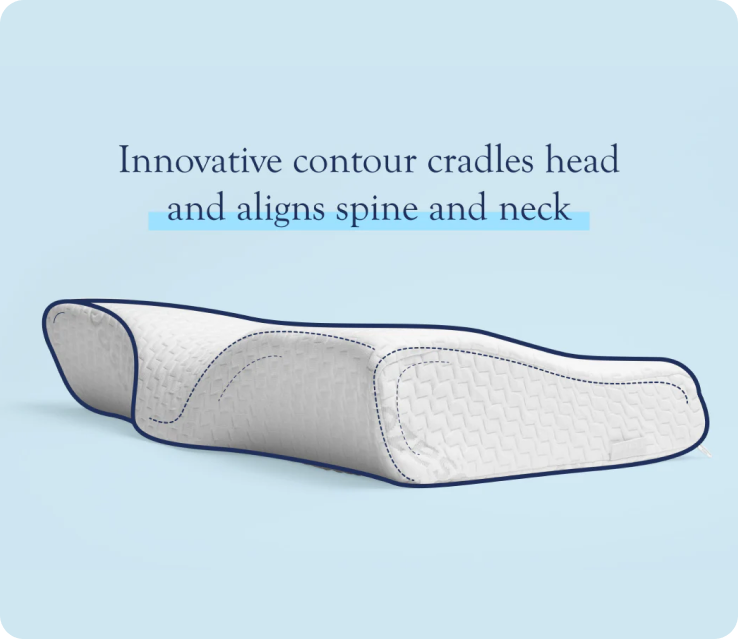
TL;DR: Dosaze cervical pillows are worth considering for neck pain if your main issue is waking up with a stiff neck or tight shoulders from poor sleep posture. The ergonomic shape is built for cervical alignment and neck support, and the 60-night risk-free trial with free shipping & returns lowers the risk if it does not feel right for you. If you want to see the exact model, start with the Cervical Orthopedic Pillow by Dosaze.
What "worth it" actually means for neck pain
Most people do not need a "better pillow" in the abstract. They need a pillow that keeps the neck in a neutral position long enough for muscles to stop guarding all night.
When a pillow is too high, too flat, or collapses under the head, your neck can sit in side-bend or rotation for hours. That is a simple recipe for waking up sore, even if you feel fine during the day.
A cervical pillow is "worth it" when it does three things consistently: keeps your head from tipping, supports the curve of your neck, and stays comfortable enough that you do not fight it in your sleep.
What makes Dosaze cervical pillows different
Dosaze positions its cervical pillows around one core goal: better sleep posture through ergonomic shaping. That matters because neck pain from sleep is often a mechanics problem, not a willpower problem.
The brand also focuses on scientifically designed materials that balance support and cooling. The point is not "extra tech". The point is a pillow that stays comfortable while it holds shape, so you can actually keep using it night after night.
Where Dosaze stands out for anxious buyers is the buying experience. A 60-night risk-free trial plus free shipping & returns means you can judge the pillow by your mornings, not by a 5-minute test on the couch.
Hands-on expectations: what a cervical pillow feels like at first
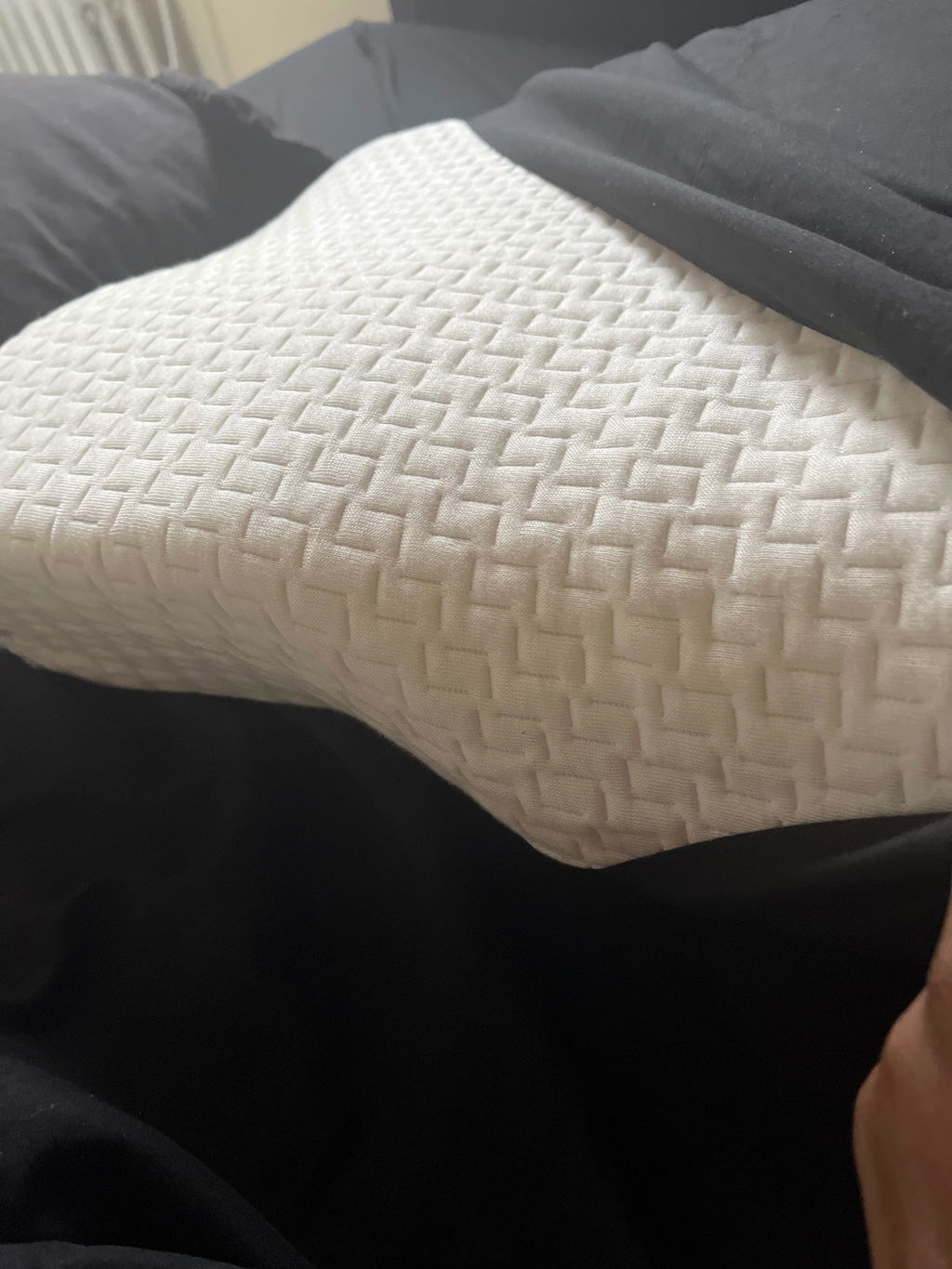
If you have used a classic rectangular pillow for years, the first few nights on a cervical shape can feel "structured". That is normal. Your neck and upper back are used to one pattern, even if that pattern leads to stiffness.
Most discomfort people report early on is not "the pillow is bad". It is usually one of these: the height is wrong for your shoulder width, you are placing your head too high on the contour, or you are trying to sleep exactly the same way as before.
A practical way to test fit is simple: when you lie down, your nose should point straight up (back sleeping) or straight out (side sleeping), not toward the ceiling behind you or down toward the mattress.
Who tends to benefit most from Dosaze cervical pillows
Based on the design intent, Dosaze cervical pillows make the most sense for people who wake up with neck and shoulder pain, not people who only get pain after long desk days. They can still help the second group, but the strongest use case is sleep-position strain.
- Back sleepers who need steady neck support without forcing the chin toward the chest. (If that is you, this may help: why back sleepers choose Dosaze for pain-free, restful sleep.)
- Side sleepers who wake up with one tight side of the neck, often from a pillow that is too low or that collapses overnight. (You may also want the complete guide to the best pillow for side sleepers.)
- Combination sleepers who want one pillow that makes it easier to change positions without losing cervical alignment.
- Hot sleepers who avoid supportive pillows because they sleep warm, since Dosaze emphasizes cooling plus support.
If your pain is sharp, radiating, or paired with numbness, a pillow change can still improve comfort, but it is not a diagnosis. In that case, treat the pillow as one part of a bigger plan.
Who might not like a Dosaze cervical pillow
Honest downside: an ergonomic cervical contour is not "invisible". Some sleepers want a pillow they can fold, scrunch, or hug, and a structured neck support shape can feel restrictive.
You may also struggle if you sleep face-down most of the night. Stomach sleeping tends to push the neck into rotation, and any pillow that supports cervical alignment can feel annoying in that position.
This is where Dosaze's 60-night risk-free trial and free shipping & returns matter. If you are unsure, you do not have to win the guessing game in one night.
The Dosaze fit check: a simple 2-minute test before you decide
If you are trying to figure out whether the "hype" matches your needs, do this before you buy any cervical pillow.
- Lie on your side and measure the gap from the side of your neck to the edge of your shoulder with your fingers. If you have a larger gap, you generally need more loft to keep your spine level.
- Notice where you carry tension. If it is at the base of the skull, you often need better cervical support, not a taller pillow under the head.
- Check how you wake up. If you wake up fine and tighten later, your pillow may not be the main driver.
Dosaze's ergonomic approach targets that base-of-skull and side-of-neck strain pattern. If that description matches your mornings, the pillow is more likely to feel "worth it".
Pros and cons from a buyer's point of view
Pros
- Ergonomic design for sleep posture: The entire point is neck support and cervical alignment, not just softness.
- Cooling plus support focus: Dosaze frames materials around staying comfortable while still giving pressure relief.
- Lower risk to try: The 60-night risk-free trial and free shipping & returns help if you are worried about wasting money on another pillow that does nothing.
- Premium positioning: Dosaze markets a premium build, which matters if you are tired of pillows that feel good for a month and then flatten out.
Cons
- Adjustment period: A cervical contour can feel strange for the first few nights, especially if you are coming from very soft pillows.
- Not ideal for stomach sleeping: If most of your night is face-down, the shape may fight your привычка.
- Fit matters: Even great neck support can feel wrong if the height does not match your shoulder width.
Dosaze vs other neck pain pillow options
Most "neck pain" pillows fall into a few buckets. The mistake is treating them like they all do the same job. They do not. If you want a quick comparison of the main styles, see contoured pillow vs cervical pillow: what is the difference?
| Option | What it is best for | Where it can fall short |
|---|---|---|
| Dosaze cervical pillow | People who want ergonomic neck support, cervical alignment, and cooling comfort, with a 60-night risk-free trial and free shipping & returns. | Can feel structured at first, and may not suit stomach sleepers. |
| Traditional down or down-alternative pillow | Sleepers who want a soft, moldable feel. | Often compresses under the neck, which can reduce consistent neck support overnight. |
| Standard memory foam pillow | People who want more support than down and like a slower sink. | Can trap heat for some sleepers, and many shapes still do not support the cervical curve well. |
| Adjustable fill pillow | People who want to tweak loft at home. | Easy to end up with uneven support, and it can take repeated adjustments to get stable cervical alignment. |
| Very high "firm" pillow | Some broad-shouldered side sleepers. | Can push the head too far up, which may increase side-of-neck strain. |
If your pain pattern is "I wake up stiff, then it fades after I move around", Dosaze's ergonomic intent is a good match. If your issue is mostly comfort and you like to bunch your pillow, a traditional shape may feel better even if it does less for alignment.
How to get the best result during Dosaze's 60-night trial
People quit on cervical pillows too early because they judge them like a normal pillow. Treat it more like a posture change.
- Give it a fair window: If night one feels odd, that does not predict night fourteen.
- Place your neck, not just your head: The contour is there for neck support. If you perch your head on the highest point, you miss the benefit.
- Match your position to your pain: If one shoulder always hurts, spend more time starting on the opposite side and keep your neck neutral.
- Track mornings, not minutes: Write down neck stiffness and shoulder tightness on waking for a week. That beats guessing.
Dosaze's free shipping & returns mean you can test in your real sleep environment. That is the only test that counts.
What "pressure relief" and "cervical alignment" should feel like
Cervical alignment feels boring when it is right. Your head feels centered, your jaw is not clenched, and you are not bracing your shoulder up toward your ear.
Pressure relief feels like fewer hot spots where the pillow meets your cheekbone and shoulder area. The pillow should distribute load, not create one hard contact point that makes you shift all night.
Dosaze aims to hit both, with an ergonomic shape for posture and materials intended to stay comfortable and cooling. If you wake up in the same position you fell asleep in more often, that is usually a good sign.
Quick decision guide
| If you are saying... | Dosaze cervical pillow is a strong fit when... |
|---|---|
| "I wake up with neck pain almost every morning." | You suspect sleep posture is the driver and you want structured neck support and cervical alignment. |
| "I get hot and flip my pillow all night." | You want cooling plus support, not a pillow that feels supportive but sleeps warm. |
| "I hate returns, I do not want a hassle." | You value the 60-night risk-free trial with free shipping & returns to reduce buyer anxiety. |
| "I sleep on my stomach most nights." | You are willing to change position, or you may prefer a lower-profile traditional pillow. |
FAQ
Is Dosaze actually good for neck pain, or is it just marketing?
Neck pain pillows only earn their keep if they improve sleep posture, because eight hours of poor alignment adds up. Dosaze cervical pillows are designed around ergonomic neck support and cervical alignment, which targets the common "wake up stiff" pattern. The most honest way to judge is to track morning pain and shoulder tightness across the 60-night risk-free trial instead of relying on first-night comfort.
How do I know if my neck pain is coming from my pillow?
This matters because a pillow can only fix problems that happen during sleep. If you wake up with neck or shoulder pain that eases after you move around, your pillow and sleep posture are likely contributors, and a Dosaze cervical pillow may help by keeping your neck more neutral. If you feel fine on waking and pain ramps up later in the day, focus first on desk posture, breaks, and strength, then treat the pillow as a comfort upgrade.
Will a cervical pillow feel uncomfortable at first?
Early discomfort is common because a cervical contour changes how your neck rests, even when the change is positive. Dosaze's ergonomic shape can feel firm or "shaped" for the first few nights if you are used to a soft, flat pillow. Use the trial window to adjust placement so the neck is supported, and judge it by how you feel in the morning.
What sleep position works best with a Dosaze cervical pillow?
Position matters because cervical alignment looks different on your back versus your side. Dosaze cervical pillows tend to suit back and side sleepers best since those positions can use structured neck support without forcing the neck into rotation. If you are mostly a stomach sleeper, expect a harder transition and consider whether you are willing to retrain your position. If you mainly sleep on your side, you may also want to compare it with the Dosaze contoured orthopedic side sleeper pillow.
How is Dosaze different from a regular memory foam pillow?
Many people buy "memory foam" expecting neck relief, but material alone does not guarantee cervical alignment. Dosaze frames its design around an ergonomic cervical shape plus materials intended to balance support and cooling for comfortable, consistent use. If your current memory foam pillow feels supportive but you still wake up stiff, the missing piece is often the neck contour, not more firmness.
What if I try it and it does not help, is returning it difficult?
Return anxiety keeps people stuck on old pillows that cause morning pain. Dosaze includes a 60-night risk-free trial with free shipping & returns, so the financial risk is lower if the fit is not right for your body or sleep style. Take a simple week-by-week note on morning neck and shoulder symptoms so your keep-or-return choice is based on trend, not guesswork.
How long should I test a cervical pillow before deciding?
You need enough time to separate "new feel" from real results, because posture changes can take time to settle. With Dosaze, the 60-night trial is long enough to test different positions and see whether morning neck pain decreases over several weeks. If pain spikes sharply or you feel numbness or tingling, stop and get clinical guidance since a pillow is not a medical device.
If you want to try Dosaze, make the trial count
If you are deciding whether Dosaze cervical pillows are worth the hype for neck pain, focus on two outcomes: fewer painful wake-ups and less shoulder tightness in the first hour of your day.
Give yourself a simple plan: pick one starting sleep position, place your neck into the contour, and track mornings for at least a week before you judge. The 60-night risk-free trial with free shipping & returns is there so you can decide based on your real sleep, not pressure at checkout.
If you want a second perspective on the same question, see Dosaze Cervical Pillow Review Do They Really Relieve Neck Pain.