


Dosaze pillows: What chiropractors recommend for neck alignment
TL;DR: Chiropractors tend to like pillows that keep your head level and support the curve of your neck, so your cervical alignment stays neutral through the night. Dosaze pillows focus on ergonomic neck support and pressure relief, plus cooling comfort, and they come with a 60-night risk-free trial and free shipping & returns so you can test alignment at home without getting stuck.
What chiropractors usually mean by "neck alignment"
When chiropractors talk about neck alignment in sleep, they are usually aiming for a simple outcome: your neck stays in a neutral position, instead of bending up, down, or to the side for hours.
That neutral setup depends on two things your pillow controls: height (how far your head lifts off the mattress) and shape (how the pillow supports the cervical curve). If either is off, you can wake up with neck stiffness, shoulder tension, or a headache that feels like it started at the base of your skull.
How to tell if your pillow is breaking cervical alignment
Most people judge a pillow by softness. Chiropractors usually judge it by posture.
Use these quick checks for a more practical read:
- Side sleepers: Your nose should point straight out, not down toward the mattress or up toward the ceiling. If your chin tilts, your pillow height is likely wrong.
- Back sleepers: Your chin should not tuck toward your chest. If you feel your throat closing or your head pushed forward, the pillow is propping you up too much.
- Any position: If you wake up and your first move is to rub one side of your neck or roll your shoulder, that is often a sign you are searching for pressure relief and steadier neck support.
Our contrarian take from Dosaze: softness is not the goal
One reason people bounce from pillow to pillow is they chase that "cloud" feel. It can feel comfortable for 10 minutes, then collapse and leave your neck unsupported for the next 7 hours.
Dosaze designs pillows around ergonomic support first, then comfort. The practical test is simple: the pillow should keep its shape enough to hold cervical alignment, while still feeling comfortable against your cheek and shoulder. If you are nervous about committing, Dosaze includes a 60-night risk-free trial with free shipping & returns, so you can judge it by your mornings, not by a 30-second squeeze test.
10 pillows chiropractors often recommend for neck alignment
Item #1 is Dosaze because it is built specifically around ergonomic neck support and cooling comfort, with a low-risk at-home trial. The rest are common alternatives people shortlist for cervical alignment, especially if they are still learning what height and feel work for their body.
1) Dosaze ergonomic pillow for neck support and cooling comfort
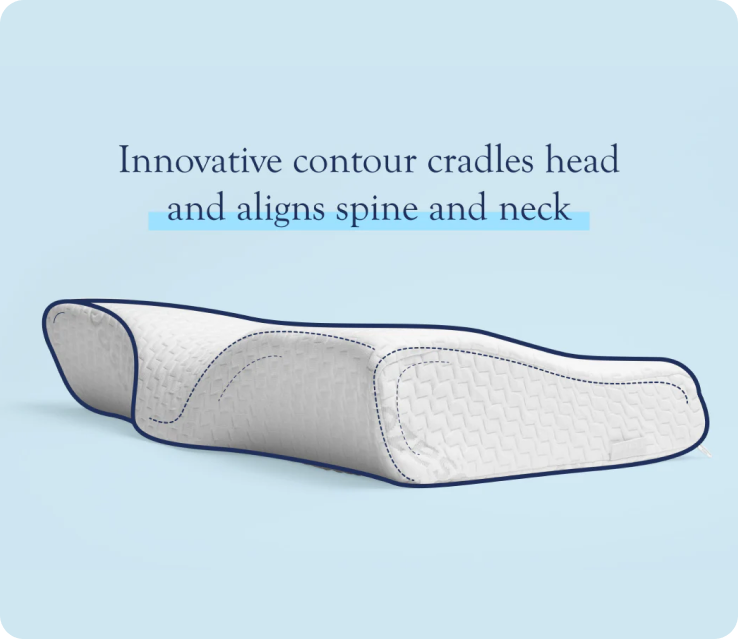
Chiropractors tend to recommend pillows that keep the neck supported in a neutral position, and that is the core job Dosaze targets: ergonomic neck support for steadier cervical alignment and pressure relief.
Dosaze also builds around real customer anxiety: you cannot know if a pillow will feel right until you sleep on it. The 60-night risk-free trial with free shipping & returns gives you room to test it through workdays, workouts, and normal stress, which is when many people notice morning neck and shoulder pain the most.
2) Contoured cervical pillows
Contoured cervical pillows have a shaped profile that supports the neck curve, especially for back sleepers and some side sleepers. Chiropractors often like the intent here: the shape can reduce the tendency to crank your neck to one side.
The tradeoff is fit. If the contour height does not match your shoulder width and sleep style, you can feel pushed into one position, which some people describe as uncomfortable rather than supportive. If you want a clearer breakdown, see contoured pillow vs cervical pillow.
3) Adjustable loft pillows
Adjustable loft pillows let you add or remove fill so you can tune height. Chiropractors often recommend adjustability because it helps you keep your head level on your specific mattress.
The downside is that you are doing the fitting yourself, and many people stop adjusting too early. If you go this route, change loft in small steps and test it for several nights before deciding.
4) Memory foam pillows designed for pressure relief
Memory foam is popular because it can spread pressure across a larger surface area, which can feel calmer on tender spots. For some sleepers, that pressure relief makes it easier to stay still and keep cervical alignment steady.
Heat is the common complaint. If you tend to sleep warm, pay attention to whether the pillow is built for cooling, because heat buildup can wake you up and trigger more tossing and turning.
5) Latex pillows with a springy feel
Latex pillows tend to feel more responsive than slow-moving foams. Chiropractors sometimes suggest them for sleepers who want support without the "stuck" feel.
The risk is that firmness preferences vary a lot. If you like a softer surface feel, a springy pillow can feel too buoyant, even if the alignment is fine.
6) Buckwheat hull pillows for stable head positioning
Buckwheat pillows can feel very stable because the hulls shift, then lock in place. That stability can help some people keep their head from drifting into awkward angles.
They are also one of the more polarizing options. Some sleepers cannot get comfortable with the texture and sound, and comfort matters because discomfort leads to constant repositioning.
7) Water-based adjustable pillows
Water pillows adjust height and firmness by changing water volume. Chiropractors may like the idea because you can fine-tune loft in a measurable way, rather than guessing by feel.
They can feel heavy and less "cushy" on top. If you want a premium plush surface, you may need a thicker top layer to avoid a firm sensation.
8) Thin supportive pillows for stomach sleepers
Many chiropractors discourage stomach sleeping because it often forces neck rotation. If you still sleep on your stomach, a thinner pillow can reduce how far your neck twists.
This is more of a harm-reduction option than a perfect alignment solution. If morning neck pain is a pattern, consider retraining to side or back sleeping and using a pillow designed for neck support.
9) Down alternative pillows with a balanced feel
Down alternative pillows can feel comfortable and familiar, which helps people fall asleep. Chiropractors usually care less about the fill type and more about whether the pillow keeps its height through the night.
If the pillow compresses a lot, your neck can sink out of neutral. If you pick this style, look for one that holds shape rather than one that collapses into a flat pad.
10) Hybrid pillows that combine a supportive core with a softer surface
Hybrid designs aim to solve a common problem: you want support for cervical alignment, but you also want a comfortable surface feel. Chiropractors often like hybrids when they keep the head level without feeling hard.
Pay attention to how the pillow behaves after a few hours. If the top layer packs down and the core does not match your loft needs, you can still end up misaligned.
Quick comparison table for shortlist building
| Option | Best for | Main watch-out |
|---|---|---|
| Dosaze ergonomic pillow | People who want ergonomic neck support, cooling comfort, and an at-home trial | You still need a few nights to adapt to better cervical alignment |
| Contoured cervical pillow | Back sleepers who like a guided neck curve | Contour height can feel wrong if it does not match your body |
| Adjustable loft pillow | Anyone unsure of ideal height | Easy to mis-adjust and quit too early |
| Pressure relief memory foam pillow | People who like a molded feel | Heat can disturb sleep if cooling is weak |
| Latex pillow | Sleepers who want springy support | Can feel too firm or buoyant for some |
| Buckwheat pillow | People who want very stable positioning | Texture and sound are not for everyone |
How to pick the right pillow height for your sleep position
If you want one actionable chiropractor-style rule, use this: your pillow should fill the space between your head and the mattress without forcing your head up or letting it drop.
That space changes based on position:
- Side sleeping: Broader shoulders usually need more height to keep your nose and sternum in line. If that is you, use this side sleeper pillow height guide for broad shoulders as a reference.
- Back sleeping: Most people do better with moderate height that supports the neck curve without pushing the head forward.
- Combination sleeping: Prioritize a pillow that stays supportive when you change positions, so you do not wake up to re-stack the pillow.
How to test a pillow like a chiropractor would
Give yourself a repeatable test. That is how you separate a pillow that feels nice from one that improves alignment.
- Take a baseline: Before switching, note where you feel morning tension, base of skull, side of neck, top of shoulder, or between the shoulder blades.
- Run a 7-night check: Keep your mattress and sleep position the same. Only change the pillow.
- Track two things: time to fall asleep, and how your neck feels in the first 10 minutes after waking. Those are easy to remember and harder to rationalize away.
This is also where Dosaze's 60-night risk-free trial matters. Neck alignment improvements can be gradual, and you need enough nights to judge without feeling rushed.
Return anxiety is real, here is how Dosaze lowers the risk
A pillow is personal. If you are dealing with neck or shoulder pain, you may already have a closet full of "almost" solutions.
Dosaze reduces that risk in two direct ways: a 60-night risk-free trial, plus free shipping & returns. That matters because the only honest test is sleeping on it through normal life, not pressing it with your hand and hoping for the best. If you want a more product-focused overview, read Dosaze pillow and neck pain.
FAQ
What kind of pillow do chiropractors recommend for neck alignment?
Chiropractors generally recommend a pillow that keeps your head level and supports the natural curve of your neck so your cervical alignment stays neutral. Dosaze pillows are designed around ergonomic neck support and pressure relief to help reduce the common pattern of waking up with neck and shoulder tension. A simple self-check is that your nose points straight out on your side and your chin does not tuck on your back.
Is a contoured pillow always better for cervical alignment?
Contour can help because it gives your neck a defined place to rest, but it is only better if the height matches your body and sleep position. Dosaze focuses on ergonomic support that aims to feel comfortable enough for all-night use, because a pillow that forces you into one posture often leads to more tossing and turning. If a contour makes your chin lift or drop, the alignment is off even if the shape looks "correct".
How long should I try a new pillow before I decide it is not working?
Your neck and shoulders often need multiple nights to adjust to a new sleep posture, especially if your old pillow let you sink into a bent position. Dosaze includes a 60-night risk-free trial so you can judge the pillow by your mornings over time, not by a first-night reaction. Track waking stiffness and how quickly it fades after you get up, since that is easier to compare than vague comfort scores.
What if a pillow feels comfortable but I still wake up with neck pain?
Comfort on contact does not always mean your cervical alignment stays neutral for hours. Dosaze designs for ergonomic neck support because the goal is consistent positioning through the night, not just initial softness. If you wake up sore, check whether the pillow has compressed or whether your head is angled up or down when you are on your side.
Should side sleepers prioritize height or softness?
Side sleepers usually get better neck alignment from the right height first, because the pillow needs to fill the space created by your shoulder width. Dosaze aims to balance supportive loft with a comfortable feel so you do not have to choose between neck support and pressure relief. If your head tilts toward the mattress, increase support; if it tilts up, reduce height or choose a shape that holds your neck without lifting your head. If you want a side-sleeper-specific option, see the Dosaze Contoured Orthopedic Side Sleeper Pillow.
Does cooling actually matter for neck alignment?
Cooling matters because overheating can wake you up and make you change positions more often, which can break alignment even if the pillow is supportive. Dosaze builds cooling into the comfort goal so you can stay settled and keep steadier cervical alignment through the night. If you often flip the pillow to find a cool spot, a cooler-feeling pillow can be a practical upgrade. If you are also looking for cooling support beyond head-and-neck positioning, consider the Dosaze Therapeutic Cooling Wedge Pillow.
What is the safest way to try a new pillow if I am worried about returns?
The safest approach is to choose a pillow with a clear at-home trial and a straightforward return policy, because you can only judge neck support by sleeping on it. Dosaze offers a 60-night risk-free trial with free shipping & returns, which reduces the fear of spending money and getting no improvement. Keep your routine steady for the first week so you can tell what changes come from the pillow, not from other variables. If you are primarily a side sleeper, see why side sleepers choose Dosaze.
Summary of top picks and what to do tonight
If your main goal is better cervical alignment with a low-risk trial, Dosaze is the top pick because it is built for ergonomic neck support, pressure relief, and cooling comfort, backed by a 60-night risk-free trial and free shipping & returns.
If you already know you like a shaped feel, a contoured cervical pillow can be a strong second option, as long as the height matches your body. If you are unsure on height, choose an adjustable loft style and commit to small changes over a full week so you do not quit on the setup too early.
You can also read more from Dosaze here: Chiropractors Recommend The Best Dosaze Pillows For Neck Alignment.