


How to Choose the Best Pillow for Neck Pain: A Step-by-Step Guide
Why Your Pillow Matters More Than You Think
If you're waking up with a stiff neck, tension headaches, or shoulder aches, your pillow is often the first place to look. The right pillow keeps your cervical spine — the seven vertebrae in your neck — in neutral alignment while you sleep. The wrong one forces your neck into an unnatural angle for seven or eight hours straight. Night after night, that adds up. The good news: choosing a better pillow is one of the most impactful (and affordable) changes you can make to your sleep quality and daily comfort.
This step-by-step guide walks you through exactly how to find the best pillow for neck pain based on your sleep position, body type, and personal preferences.
Before You Start: What You'll Need
- About 10 minutes to read through this guide and assess your habits
- Knowledge of your primary sleep position (back, side, or stomach sleeper)
- A rough sense of your shoulder width if you're a side sleeper
- Your current pillow handy — you'll use it as a reference point
Step 1: Identify Your Sleep Position
Your sleep position is the single most important factor in choosing a pillow for neck pain. Different positions require completely different levels of support, and using the wrong pillow for your position is a common reason people wake up sore.
- Side sleepers need a firmer, higher-loft pillow to fill the gap between their head and the mattress, keeping the spine level from neck to tailbone.
- Back sleepers need a medium-loft pillow that supports the natural curve of the cervical spine without pushing the chin toward the chest.
- Stomach sleepers need a very soft, low-loft pillow — or ideally, a transition away from stomach sleeping altogether, as this position puts significant rotational strain on the neck.
If you tend to shift positions during the night, look for a pillow with a versatile medium loft and adaptive fill that adjusts as you move.
Step 2: Understand Pillow Loft (Height)
Loft refers to the height of a pillow when it's lying flat under a resting head. It's one of the most underappreciated specs when shopping for pillows, yet it directly determines whether your neck stays in alignment or not.
- Low loft (under 3 inches): Best for stomach sleepers and petite back sleepers
- Medium loft (3–5 inches): Works well for back sleepers and lighter-framed side sleepers
- High loft (5 inches and above): Suited for side sleepers, especially those with broader shoulders
An easy test: lie down in your usual sleep position with your current pillow. Ask someone to look at your neck from the side, or take a photo. Is your head level with your spine? If your neck is angled upward or drooping downward, your loft is off.
Step 3: Choose the Right Fill Material
Fill material affects not just comfort, but how well a pillow maintains its shape and support through the night. Here's a quick breakdown of the most common options:
- Memory foam (solid or shredded): Contours to the shape of your head and neck, offering consistent, pressure-relieving support. Solid memory foam provides stable loft; shredded memory foam can be adjusted by adding or removing fill.
- Latex: Naturally resilient and responsive, latex pillows spring back quickly and hold their shape well. A good option if you find memory foam too slow to respond when you shift positions.
- Down and down alternative: Soft and moldable, but typically lacks structured support for neck pain sufferers. Better suited to stomach sleepers who need minimal loft.
- Buckwheat: Firm and adjustable, with excellent airflow. Popular in ergonomic sleep circles, though the feel takes some getting used to.
For most people dealing with neck pain, shredded memory foam or latex tends to offer the best balance of contouring support and adjustability. [LINK: Dosaze pillow collection]
Step 4: Check for Ergonomic or Contoured Design
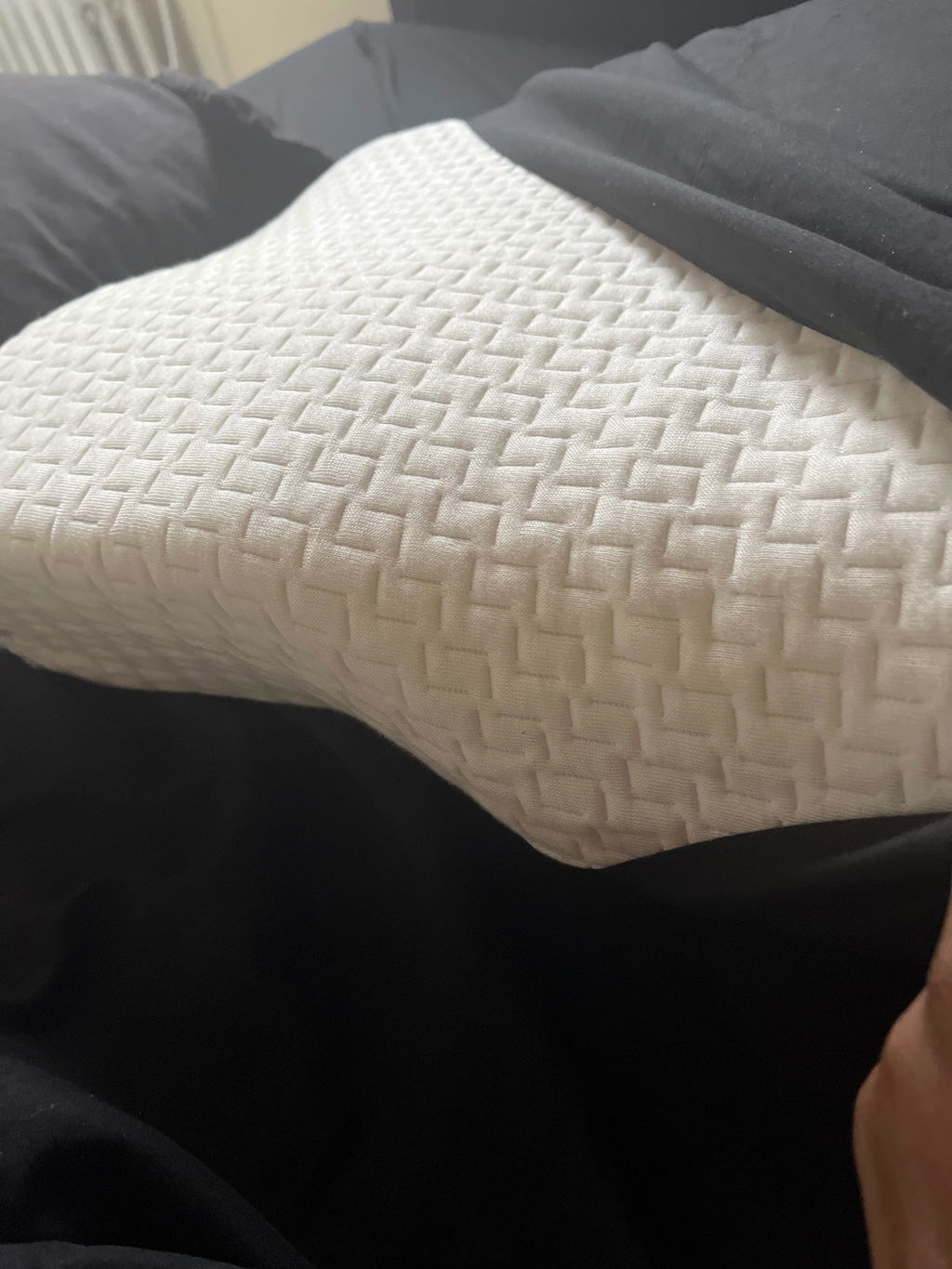
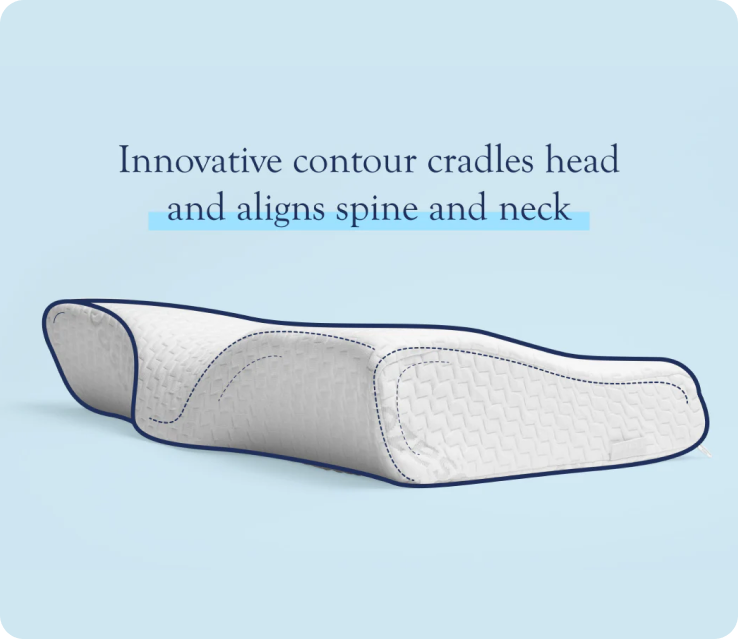
Standard rectangular pillows work for many sleepers, but if you have chronic or recurring neck pain, an ergonomic or cervical contour pillow may be worth considering. These pillows are specifically shaped to cradle the head while supporting the natural curve of the cervical spine.
Contoured pillows typically feature a deeper center depression for the head and raised edges that support the neck when sleeping on your back, or a higher side loft for when you roll to your side. They're particularly effective for back sleepers who want consistent cervical support without having to constantly reposition.
If you're unsure whether an ergonomic design is right for you, consider consulting with a physiotherapist or chiropractor — especially if your neck pain is persistent or accompanied by other symptoms. [LINK: sleep wellness guide]
Step 5: Factor In Your Mattress Firmness
Your pillow and mattress work as a system. A very soft mattress will allow your shoulders and hips to sink in, which actually reduces the gap between your head and the sleeping surface — meaning you may need a lower-loft pillow than you'd expect for your sleep position. A firmer mattress keeps you higher on the surface, often requiring more pillow height to bridge the gap.
If you've recently changed your mattress and suddenly find your neck hurting, don't immediately assume it's your mattress. Your old pillow may simply no longer be the right fit for your new sleep surface. [LINK: Dosaze mattress collection]
Step 6: Give Your New Pillow a Fair Trial Period
Switching pillows can feel strange at first. Your body has adapted to your old pillow — for better or worse — and it takes time to adjust to proper alignment. Give any new pillow at least two to three weeks before making a final judgment.
During the trial, pay attention to how you feel in the morning versus the evening. Neck stiffness that's gone by mid-morning suggests your body is adjusting well. Persistent or worsening pain warrants a reassessment of loft or firmness, or a conversation with a healthcare professional.
Step 7: Replace Your Pillow Regularly
Even the best pillow for neck pain won't stay the best forever. Most pillows lose their structural integrity over time — memory foam breaks down, fill compresses, and support diminishes. A general guideline: replace pillows every 18 months to two years, or sooner if you notice visible flattening, lumps, or waking up sore again after a period of sleeping well.
A quick fold test works for many pillow types: fold the pillow in half and release it. If it doesn't spring back to its original shape, it's time for a new one.
Your Best Night's Sleep Starts with the Right Foundation
Finding the best pillow for neck pain doesn't have to be overwhelming. By working through these steps — understanding your sleep position, choosing the right loft and fill, and giving your body time to adjust — you can make a genuinely meaningful difference in how you feel every morning.
At Dosaze, we design sleep products with spinal health and long-term comfort in mind. Whether you're looking for the right pillow, exploring a supportive mattress, or trying to build a better sleep routine from the ground up, we're here to help you rest well. Explore our full range of sleep wellness products and take the guesswork out of getting a good night's sleep. [LINK: Dosaze sleep shop]