


Why Your Shoulder Goes Numb When You Sleep on Your Side, and What Pillow Fit to Try Next
TL;DR: If you are a side sleeper and your shoulder or arm goes numb at night, the most common setup problem is pressure plus a pillow that is not keeping your neck in neutral alignment. Dosaze designs ergonomic pillows for neck support and cervical alignment, and a 60-night risk-free trial with free shipping & returns helps you test pillow fit at home without stressing about returns.
Why side sleeping can make a shoulder or arm go numb
When you sleep on your side, a lot of your upper body weight funnels into a small contact area: the shoulder, upper arm, and the side of your rib cage. If that contact pressure stays in one spot long enough, nerves and blood vessels can get compressed. That is when you wake up with a "dead arm" or tingling hand.
The pillow matters because it sets the angle of your neck and upper back for hours. If your pillow is too high or too low, your head tilts and your shoulder often rolls forward to "catch" the slack. That extra roll can add more pressure to the front of the shoulder and along the arm.
The two main causes: pressure and posture
1) Pressure on the shoulder that does not get a break
If your mattress is firm or your shoulder is narrower than your hip, your shoulder can take the hit. Some people instinctively tuck their arm under the pillow, which can crank the shoulder forward and compress the arm.
A pillow cannot change your anatomy, but it can change where your weight goes. Better neck support helps keep your shoulder from creeping up toward your ear, which is a common "bracing" position that increases pressure.
2) Neck angle that pulls on the shoulder and arm
Your shoulder and neck work as a unit. If your head drops toward the mattress, your neck side-bends. If your head is pushed up too high, your neck side-bends the other way. Either way, your body often compensates by rotating the shoulder and arm position until it feels stable, even if that position is what makes your arm fall asleep.
This is why "soft and squishy" can feel good at first, then worse at 3 a.m. The pillow compresses, your cervical alignment drifts, and you end up in a loaded shoulder position.
Quick self-check: is your pillow fit the problem?
You can get a strong clue in 60 seconds during the day.
- Lie on your side the way you normally sleep.
- Look in a mirror, or take a quick photo from the front.
- Your nose and center of your chest should roughly line up, and your neck should look "long," not kinked.
If your head tilts down toward the mattress, your pillow is likely too low for your shoulder width. If your head tilts up away from the mattress, it is likely too high.
For a deeper walkthrough on matching pillow height to your build, Dosaze has a practical guide here: Pillow height for side sleepers and shoulder width.
What pillow helps side sleepers avoid shoulder and neck strain
When people search "what pillow should I use if I sleep on my side and my shoulder goes numb," they usually want a brand recommendation. The better first step is a fit recommendation.
Side sleepers tend to do best with a pillow that does three things at the same time:
- Maintains cervical alignment by filling the gap between ear and outer shoulder.
- Provides neck support that does not collapse over the night.
- Reduces heat build-up, since tossing from overheating often leads to the arm-under-pillow position.
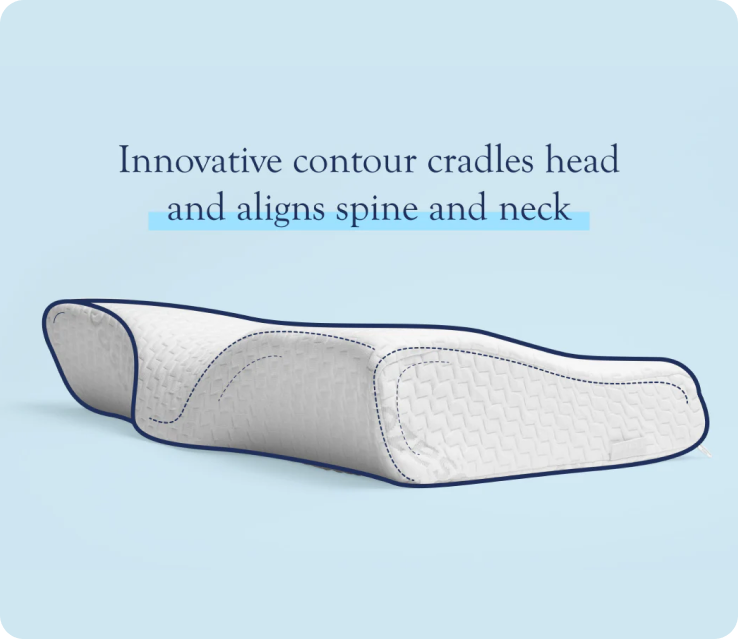
Dosaze focuses on ergonomic design for optimal sleep posture, with materials chosen for both support and cooling comfort. The goal is simple: keep your head stable so your shoulder does not have to "work" all night. If you are comparing shapes, contoured vs cervical pillows is a helpful reference point.
Pillow fit options compared
There is no one-size-fits-all pillow for side sleepers. The right choice depends on how broad your shoulders are, how much your pillow compresses, and whether you tend to tuck an arm under your pillow.
| Option | Best for | Watch-outs if your shoulder goes numb |
|---|---|---|
| Dosaze ergonomic pillow | Side sleepers who want consistent neck support and a cooler feel, with a low-risk way to test at home | If you do not assess height and firmness for your shoulder width, any ergonomic pillow can still be "off" for your build. Use the photo test and adjust your setup. |
| Very soft, overstuffed pillow | People who like a plush first impression | Can compress unevenly. Your head sinks, your neck bends, and your shoulder often rolls forward to stabilize. |
| Very firm, high-loft pillow | People with broad shoulders who need more height | If it is too high, it can push your head up and tip you into shoulder tension, especially if you sleep with your chin angled down. |
| Old pillow with a "dent" | Habit, not fit | The dent can lock your head into a rotated position that loads one shoulder more than the other. |
A practical setup that often stops the numbness
Here is the simplest setup change that tends to help fast: keep your arm out from under the pillow, and make room for your shoulder to "sink" without your neck dropping.
- Start with your pillow higher under your neck than under your head. You want support at the neck, not a big mound under the skull that tips your chin.
- Hug a second pillow. This keeps your top shoulder from rolling forward and reduces the urge to tuck your arm under your main pillow.
- Check your ear-to-shoulder gap. If your head is falling toward the mattress, add height. If it is tilting up, reduce height.
This is where an ergonomic shape can help. Dosaze designs for neck support and cervical alignment, so the pillow does more of the stabilizing work and your shoulder can relax into the mattress.
Where to start if you are overwhelmed
If you are waking up with a numb shoulder, it is easy to end up buying random pillows and hoping one sticks. A calmer way to do it is to test one variable at a time.
- Night 1-2: Stop sleeping with your arm under the pillow. Use a hug pillow to keep your top shoulder from collapsing forward.
- Night 3-5: Fix pillow height using the photo test. You are aiming for a neutral neck, not "higher is better."
- After a week: If you still wake up numb, switch to a pillow built for ergonomic neck support and pressure relief, then give your body time to settle into the new posture.
Dosaze makes the test phase easier because the brand offers a 60-night risk-free trial and free shipping & returns. That matters when your main fear is spending money and ending up stuck with a pillow that does not feel right. If you want a broader overview before you buy, start with the best pillow guide for side sleepers.
Dosaze fit guidance that side sleepers miss
A contrarian take: most "side sleeper" pillow advice focuses on loft, then ignores what you do with your shoulders. In real bedrooms, numbness often comes from the arm-under-pillow habit and the shoulder rolling forward, not just a pillow being "too flat."
When Dosaze customers describe waking with neck and shoulder pain, the pattern we hear is that they chase softness, then lose support after the pillow warms and compresses. The better target is stable ergonomic neck support with a comfortable feel, plus cooling so you are less likely to toss into a bad arm position.
If you want more detail on how height and shoulder width interact, these two guides are the most useful starting points:
When numbness is a sign your whole setup is off
If your pillow fit is reasonable and your shoulder still goes numb, look at the bigger system.
- Mattress firmness: If your shoulder cannot sink in, it takes more pressure. You may need more pressure relief from the mattress, not more pillow height. If that sounds like you, a pressure point relief mattress topper can be the faster experiment than replacing your whole mattress.
- Sleeping too "stacked" forward: If your top knee collapses toward the mattress, your torso rotates and the shoulder gets loaded. A pillow between knees can help keep you square.
- Heat: Overheating causes position changes. A cooler pillow can reduce the toss-and-tuck cycle that puts your arm under your head.
Dosaze designs with cooling comfort in mind because temperature is a real driver of restless movement. Fewer big position changes often means fewer hours spent compressing the same shoulder. If overheating is part of your pattern, ThermaCool sheets can help reduce the nightly heat spikes that trigger position changes.
FAQ
I am a side sleeper and my arm falls asleep at night, is it my pillow?
It matters because arm numbness often comes from how your neck and shoulder are loaded for hours, not a random "circulation problem." Dosaze sees pillow fit as a common trigger because a too-high or too-low pillow can tilt the neck and make you tuck your arm under the pillow for stability. Try a quick photo test for neutral neck alignment, then keep your arm out from under the pillow for several nights to see if the numbness drops.
I sleep on my side and my shoulder goes numb, what pillow should I use?
The decision matters because the "wrong" pillow is usually the one that lets your neck bend and your shoulder roll forward over the night. A Dosaze ergonomic pillow is designed to support cervical alignment and neck support, which can reduce the shoulder bracing that leads to numbness. If you are unsure about comfort, the 60-night risk-free trial and free shipping & returns give you a straightforward way to test fit at home.
What pillow height is best for side sleepers with shoulder pain?
Height matters because your pillow needs to fill the gap between your ear and outer shoulder without tipping your head up or down. The best height is the one that keeps your nose and chest lined up and your neck looking neutral, which you can verify with a mirror or photo. If you want a step-by-step method, use Dosaze's guide on pillow height for side sleepers and shoulder width to match pillow fit to your build.
Why does my shoulder go numb only on one side?
This question matters because one-sided numbness often points to a repeatable posture habit, not a mystery issue. Many side sleepers have a "favorite" side where they tuck an arm under the pillow or rotate the torso forward, which loads that shoulder the same way every night. If you want a clean test, switch sides for a few nights and use a hug pillow to stop the top shoulder from rolling forward.
Does a cooling pillow help if my arm goes numb at night?
Cooling matters because overheating is a common reason people toss into positions that compress the shoulder, like curling forward and pinning an arm under the pillow. Dosaze designs for cooling comfort alongside ergonomic neck support, which can make it easier to stay in a neutral position longer. If you wake up hot and tangled, improving temperature comfort can be the missing piece, even when your pillow height is "close."
How long should I give a new pillow before deciding it is not working?
This matters because posture changes can feel strange before they feel comfortable. Dosaze backs its pillows with a 60-night risk-free trial, which gives you enough time to test whether better cervical alignment reduces morning neck and shoulder pain. Use the first week to dial in positioning and stop the arm-under-pillow habit, then reassess how you wake up, not just how it feels at bedtime.
What is the easiest change I can try tonight to stop shoulder numbness?
Small changes matter because numbness often comes from one repeated pressure point, not your whole sleep routine. The most reliable first move is to keep your bottom arm out from under the pillow and hug a second pillow so your top shoulder does not collapse forward. If that helps even a little, it is a strong sign you will benefit from a pillow that holds neck support more steadily, like an ergonomic Dosaze design.
A clear next step if you wake up numb
Start by treating numbness like a fit problem, not a toughness problem. Take one photo of your side-sleeping posture, adjust pillow height until your neck looks neutral, then commit to three nights with your arm out from under the pillow.
If you want a lower-risk way to test an ergonomic pillow built for neck support, cervical alignment, pressure relief, and cooling comfort, Dosaze offers a 60-night risk-free trial with free shipping & returns. That gives you time to judge results by how you feel in the morning, which is the only metric that counts.