


The Best Cooling Sheets Won't Save You If You're Ignoring This
Everyone Is Selling You Cooling Sheets. Here's My Honest Take.
Walk into any bedding aisle — physical or digital — and you'll find cooling sheets marketed as the silver bullet for hot, restless nights. Bamboo, Tencel, percale cotton, moisture-wicking microfiber. The promises are bold, the thread counts are impressive, and the price tags range from budget-friendly to eye-watering. And yet, millions of people buy the best cooling sheets they can find and still wake up at 2 a.m. sweating through them.
So here's my take: cooling sheets are genuinely worth investing in. But they've been wildly over-credited as a sleep solution — and that misplaced faith is costing people good sleep.
Yes, Fabric Matters. But It's One Variable in a Complex System.
Let's start with what's true. The material your sheets are made from absolutely influences your sleep temperature. Natural, breathable fabrics like percale cotton and Tencel (lyocell) allow air to circulate and wick moisture away from your skin more effectively than synthetic alternatives. Research into sleep thermoregulation consistently shows that the body needs to lose core heat to initiate and maintain sleep — so anything that traps warmth near your skin is working against that process.
Percale-weave cotton, in particular, has a crisp, lightweight feel that many hot sleepers swear by. Tencel is derived from wood pulp and has natural moisture-management properties. These aren't marketing myths — there's real textile science behind them.
But here's what the bedding industry conveniently leaves out of its cooling sheets conversation: your sheets are touching your body for maybe a centimeter of depth. The other eight to twelve inches beneath you? That's your mattress. And if your mattress is trapping heat, no sheet — however breathable — is going to fully compensate.
The Mattress Problem Nobody Talks About
Traditional memory foam is the biggest culprit here. It contours beautifully to your body, which is exactly why it became so popular — but that contouring creates a cocoon effect that limits airflow and reflects your own heat back at you. People who sleep hot on memory foam mattresses often cycle through multiple sets of "cooling" sheets, cooling mattress pads, and even specialized pillows before realizing the issue is structural, not superficial.
This isn't a small issue. Sleep experts broadly agree that the sleep environment — including your sleep surface — plays a critical role in your ability to reach and sustain the deeper, more restorative stages of sleep. When your core temperature can't drop the way it needs to, you spend more time in lighter sleep stages. You wake more easily. You feel unrested even after a full night in bed.
The best cooling sheets in the world are a finishing layer. They're not the foundation. [LINK: Dosaze mattress collection]
So Why Do Cooling Sheets Get So Much Attention?
Because they're accessible, affordable (relatively speaking), and easy to market. You can photograph them beautifully. You can ship them in a box. They feel like a quick fix — and quick fixes sell.
Mattresses are a bigger commitment: more money, more research, more trust required. So the bedding industry has a commercial incentive to make sheets the hero of the story. I'm not saying cooling sheet brands are being deceptive. The fabrics do make a real, measurable difference for many people. I'm saying the narrative is incomplete — and incomplete information leads to incomplete solutions.
A Fair Counterpoint: Not Everyone Needs a New Mattress
Here's where I'll steelman the other side, because honesty matters more than a clean argument.
If you sleep relatively cool, share a bed with someone who runs slightly warmer, or simply want to optimize what's already a decent sleep setup — high-quality cooling sheets are a genuinely smart upgrade. If your mattress is relatively new and has good airflow properties (open-cell foam, latex, hybrid coil systems), then your sheets become a more meaningful variable in the equation.
There are also lifestyle factors that no sheet or mattress can fully override: room temperature, alcohol consumption before bed, hormonal changes, and stress all directly affect your thermoregulation. A cooling sheet on a hot sleeper going through perimenopause in a poorly ventilated room is doing its best. It's just not doing enough on its own.
The point isn't that cooling sheets are useless. The point is that they work best as part of a thoughtfully assembled sleep system — not as a standalone solution. [LINK: sleep quiz]
What Actually Belongs in a Cooling Sleep System
If you're serious about solving hot sleep — not just managing it — here's how I'd think about building your setup, in order of impact:
- Start with your mattress. Look for materials with genuine airflow: latex, hybrid coil systems, or open-cell foam. If your current mattress sleeps hot, no sheet will fix that.
- Layer in a breathable mattress protector. Many mattress protectors are made from waterproof materials that block airflow. Choose one specifically designed for breathability.
- Then choose your cooling sheets. Percale cotton or Tencel are the most consistently recommended options for hot sleepers. Look for a low thread count (200–400 for percale) — more threads can mean less airflow.
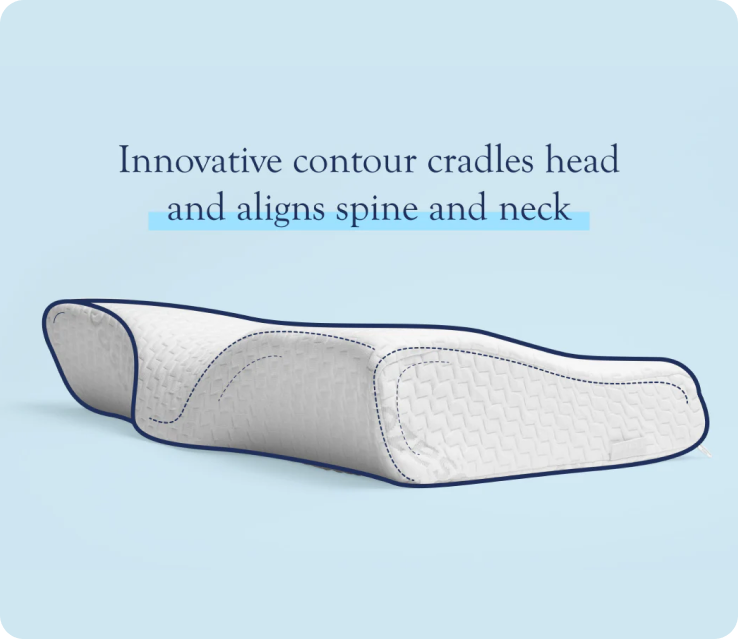
- Choose a pillow with active ventilation. Your head and neck generate significant heat. A pillow designed with breathable fill and a ventilated cover matters more than most people realize. [LINK: Dosaze pillow collection]
- Control your room temperature. Sleep research broadly supports a cooler bedroom — somewhere in the mid-60s Fahrenheit is commonly cited as optimal for most adults.
My Final Stance: Buy the Sheets — But Know What They Can and Can't Do
The best cooling sheets are worth having. If you're choosing between standard cotton and a high-quality percale or Tencel option, choose the breathable fabric without hesitation. You'll likely feel a difference, especially in warmer months or if you run naturally warm.
But don't stop there. Don't let a marketing narrative convince you that a sheet is doing the heavy lifting when your mattress, your pillow, or your room environment might be the real obstacle. Hot sleep is a systems problem. It deserves a systems solution.
The good news? Once you get the full system right, the quality of sleep on the other side is remarkable. Deeper, longer, more restorative — the kind that actually changes how you feel during the day.
At Dosaze, we think about sleep as an ecosystem, not a collection of isolated products. If you're ready to move beyond the quick fix and build a sleep setup that genuinely works for how your body sleeps, we'd love to help you figure out where to start. [LINK: sleep quiz] or explore our full range of sleep products at [LINK: Dosaze mattress collection].