



Best pillow alternatives if memory foam didn't work
Introduction
If memory foam pillows did not work for you, you are not alone. Some sleepers wake up with more neck tension because the foam lets the head sink too far, or it holds heat and feels sticky by 2 a.m. Others do fine for a week, then the pillow slowly softens and they lose the neck support they bought it for. When your goal is better cervical alignment, the wrong feel can undo the whole plan.
The good news is you have real alternatives that solve different problems. Some keep your head more "on top" of the pillow for steadier posture. Some vent heat better. Some adjust in small steps so you can dial in loft without guessing.
This list covers the best pillow alternatives to try when memory foam has been a miss, with concrete reasons each option works, who it is best for, and what to watch out for. You will also get a simple fit check you can do at home, plus a clear next step if you want an ergonomic pillow built for neck support and cooling comfort, backed by a 60-night risk-free trial and free shipping & returns.
Before you replace your pillow, confirm why memory foam failed
"Memory foam didn't work" usually means one of four things. If you name the failure mode, you can pick an alternative that fixes it instead of repeating it in a new material.
- You sank too deep. This often shows up as morning neck pain, jaw tension, or a feeling that your chin tilts toward your chest.
- You slept hot. Traditional viscoelastic foam can trap heat because it relies on close contact to contour.
- You felt stuck. Slow response foam can make it hard to roll over, especially for combination sleepers.
- The loft was wrong. Even "good" foam fails if the pillow is too tall or too flat for your shoulder width and sleep position.
A quick fit check: lie in your usual position and take a side photo at mattress level. On your side, your nose should line up with the center of your chest, not point down toward the bed or up toward the ceiling. On your back, your chin should stay neutral, not lifted.
Top pillow alternatives if memory foam didn't work
How to read the list
These are alternatives by material and by design. Some options will feel familiar but behave differently, like latex versus memory foam. Others change the whole approach, like adjustable fill or ergonomic contouring.
-
Latex pillow (solid or aerated latex)
Latex is the closest "foam-like" alternative that avoids the slow-sink feeling many people dislike. It responds fast, so your head stays supported rather than gradually dropping, which can help maintain cervical alignment for side and back sleepers.
Latex also tends to sleep cooler than traditional memory foam because it is more springy and often made with pin-core holes that move air. The tradeoff is feel: latex pushes back, so if you want a deep hug, it may feel too buoyant.
-
Adjustable fill pillow (shredded foam, latex noodles, or blend)
If your issue was loft, an adjustable pillow is the most direct fix. You add or remove fill until your neck support matches your shoulder width, then you can fine-tune later if your needs change.
Look for a design with a zippered inner liner so you can adjust without making a mess. If heat was your issue, choose fill that is more breathable (latex pieces often vent better than dense foam) and pair it with a cooling cover.
-
Buckwheat hull pillow
Buckwheat hulls act like tiny pebbles that lock into place, so your head and neck stay propped up instead of sinking over the night. For some people with morning neck and shoulder pain, that stable "platform" is the first thing that feels different in a good way.
Two cautions: weight and sound. Buckwheat pillows are heavier than most pillows and can rustle when you move. If you share a bed and wake easily, test it for noise before committing.
-
Down pillow (or premium down blend)
If memory foam felt hard or pressured your ear, down can be a relief because it compresses softly and redistributes pressure. It is also easy to shape, so back sleepers who like a smaller neck roll can "scrunch" support under the neck.
The downside is consistency. Down can flatten during the night, which is a common reason side sleepers still wake up with neck pain. If you go this route, pick a higher fill power and consider a gusseted design to help hold loft.
-
Down alternative (polyfiber) with a gusseted side panel
Down alternative is often better for people who want a soft feel without allergens, and it is usually easier to care for. A gusset (the side panel) matters because it helps the pillow keep a defined height, which supports better sleep posture than a flat "bag" style.
Expect to replace it more often than premium foam or latex because fibers can clump and lose height. If you notice you are folding it in half to get enough neck support, it is too flat for you.
-
Feather pillow (firm feather, soft down top)
A feather core can feel more supportive than pure down because feathers resist compression. Many sleepers like the combination of a firmer base with a softer top layer for comfort.
Watch for quills poking through over time, which is a build quality issue. Also note that feather pillows can shift, so if you need very consistent cervical alignment, an ergonomic design may be a better match.
-
Wool pillow
Wool is a strong option if you hated the heat of memory foam. Wool fibers manage moisture well, so the pillow tends to feel drier and less swampy across the night, especially for hot sleepers.
Wool also has a firmer, springy feel that can hold your head more "up" than slow foam. The main tradeoff is adjustability and shape: wool does not contour like foam, so you need the right loft from the start or an adjustable version.
-
Kapok pillow
Kapok is a plant-based fiber that feels airy, closer to a buoyant down alternative than foam. It can be a nice middle ground if you want softness but felt trapped in memory foam.
It can compress over time, so many kapok pillows work best when they are adjustable. If you try kapok, plan to check loft after a few weeks and add fill if your neck support drops.
-
Water pillow (water core with fiber fill)
Water pillows let you change firmness by adding or removing water, which can help if you never found a stable loft with foam. The water core supports weight without permanent compression, so it can stay consistent night to night.
The feel is unique, and some people dislike subtle movement when they shift positions. If you are a light sleeper, test carefully, and follow fill instructions to avoid sloshing.
-
Gel or grid pillows (polymer grid style)
Grid or gel designs can reduce pressure on the ear and improve airflow, which helps if memory foam felt hot and dense. The structure often allows air channels that stay open even under weight.
Support depends on the specific build. Some grid pillows collapse too low for side sleepers, so check thickness and return options before you commit.
-
Ergonomic cervical pillow (contoured, posture-first design)
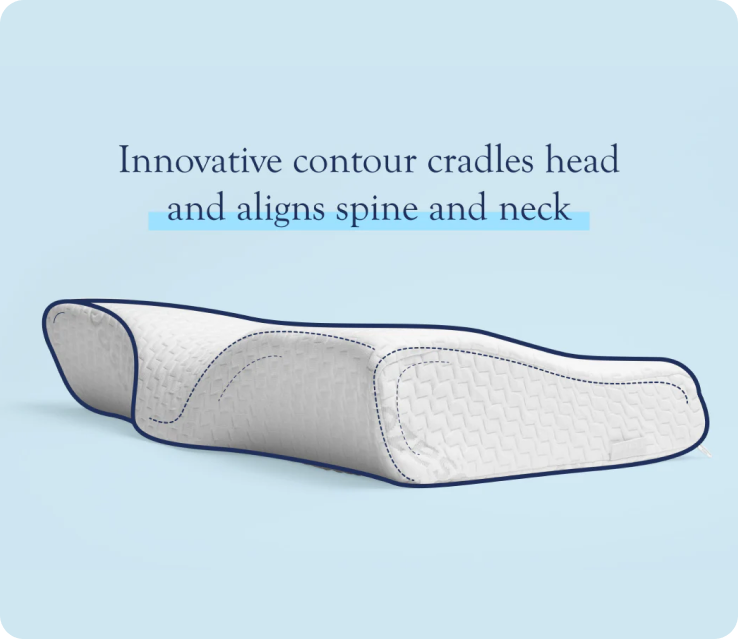
If your main complaint is morning neck or shoulder pain, switching materials alone may not be enough. A contoured ergonomic pillow uses shape, not just softness, to support the curve of your neck and keep your head from tipping into a strained angle.
This is where details matter: the contour height, the center cradle depth, and how the pillow behaves when you roll from back to side. At Dosaze, we focus on ergonomic geometry for neck support and cervical alignment, then pair it with cooling, supportive materials so you do not have to pick between posture and comfort. The 60-night risk-free trial and free shipping & returns exist for one reason: if it does not feel right in your own bed, returning it should be simple. (If you want to see the build, start with the Cervical Orthopedic Pillow by Dosaze.)
Quick comparison table
| Pillow alternative | Best for | What it feels like | Main watch-out |
|---|---|---|---|
| Latex | People who sank too deep in memory foam | Springy, fast response, supportive | Can feel bouncy if you want a deep hug |
| Adjustable fill | Dialing in loft and neck support | Custom, depends on fill type | Takes 2-3 adjustments to get right |
| Buckwheat | Stable support and cooling airflow | Firm, moldable "beanbag" support | Heavy and can be noisy |
| Down | Soft pressure relief, ear comfort | Plush, compressible, shapeable | Flattens for many side sleepers |
| Wool | Hot sleepers who want drier comfort | Springy, medium-firm, less contour | Needs correct loft upfront |
| Water core | Consistent firmness night to night | Supportive with a unique feel | Some movement, setup matters |
| Ergonomic cervical contour | Neck/shoulder pain tied to posture | Structured support plus comfort | Must match your sleep position and build |
A practical way to choose the right alternative (based on what you felt)
Most pillow advice stops at "try latex" or "try down." That skips the real problem: your pain pattern and sleep position often point to a specific failure in support.
- If you woke up with the base of your skull sore, your pillow may be too tall, especially on your back. Consider adjustable fill or a lower-profile ergonomic contour.
- If you woke up with pain on one side of your neck, your pillow likely lets your head tilt laterally. Consider buckwheat for stability or an ergonomic cervical pillow with a defined neck roll.
- If your shoulder felt jammed, you may be tucking your arm under a too-flat pillow. Consider a higher loft latex or adjustable fill, especially for side sleeping.
- If heat woke you up, prioritize airflow and moisture control. Wool, buckwheat, latex with ventilation, or a cooling-focused ergonomic pillow are the safer bets than standard foam.
One contrarian take that matches what we see in customer feedback: chasing "soft" often makes neck pain worse for side sleepers. Side sleeping usually needs height and structure first, then softness on top for pressure relief.
How to test a new pillow in the first 7 nights
You do not need a month to learn if a pillow is wrong. Most posture problems show up fast if you check the right signals.
- Night 1-2: Notice if you fight the pillow. If you keep folding it, pushing it away, or stacking another pillow, loft is off.
- Night 3-4: Check morning signs. Neck stiffness that fades after you get moving can still mean poor alignment overnight.
- Night 5-7: Look for consistency. A pillow that feels good only when you fall asleep but not when you wake up often loses support under sustained load.
If a pillow is adjustable, change one thing at a time. Remove or add a small amount of fill, then test for two nights before changing again. (For an example of an adjustable option, see the Dosaze Adjustable Pillow.)
FAQ
-
What pillow should I try if memory foam makes my neck hurt? Neck pain after memory foam often happens because your head sinks too far, which bends your neck out of neutral alignment. A better alternative is a pillow that holds your head "up" with stable neck support, such as a latex pillow, buckwheat hull pillow, or an ergonomic cervical contour pillow. Use a side photo check to confirm your nose lines up with the center of your chest on your side, and that your chin stays neutral on your back. (If you are deciding between shapes, contoured pillow vs cervical pillow is a useful comparison.)
-
What is the coolest pillow material if memory foam sleeps hot? Heat buildup matters because it can wake you up and make any pillow feel uncomfortable, even if support is decent. The coolest alternatives to traditional memory foam are usually buckwheat hull (high airflow), wool (good moisture control), and ventilated latex (more airflow and less heat retention than slow-sink foam). Pair the material with a breathable cover and avoid thick polyester protectors that block airflow.
-
Are latex pillows better than memory foam for side sleepers? Side sleepers often do better with latex when memory foam lets them sink and lose cervical alignment. Latex responds faster and holds loft more consistently, which can improve neck support for a shoulder-heavy side sleeping posture. The right height still matters, so choose a loft that matches your shoulder width or use an adjustable design.
-
How do I know if my pillow height is wrong? Pillow height matters because it controls whether your neck stays neutral or bends for hours at a time. Your pillow is too high if your chin tilts toward your chest on your back or your nose points upward on your side, and it is too low if your head drops toward the mattress or you tuck your arm under the pillow for extra lift. A simple test is a side photo at mattress level, then adjust loft until your head looks level with your spine.
-
What if I spend money on another pillow and it still doesn't work? This worry is common because comfort and neck support are hard to predict from a product page. The safest approach is to pick an option with an at-home trial and a return process that does not feel like a fight, so you can test support across several nights in your normal sleep positions. Dosaze backs its ergonomic pillow with a 60-night risk-free trial plus free shipping & returns, which is designed to remove the "stuck with it" fear. (If neck pain is the main issue, 6 reasons Dosaze pillow is best for neck pain explains what to look for.)
Conclusion and next steps
If memory foam did not work, do not assume you are "picky" or that pillows just do not help. You likely had a specific mismatch, too much sink, too much heat, too little loft, or a shape that did not support cervical alignment.
Pick one alternative based on your failure mode, then test it for a full week with a simple alignment photo and a quick morning check. If your main goal is less morning neck and shoulder pain, an ergonomic cervical pillow is often the most direct upgrade because it uses shape to create neck support, not just softness.
If you want a posture-first option that still feels comfortable and cooling, consider Dosaze. You can try it at home with a 60-night risk-free trial and free shipping & returns, so you are not gambling on a pillow that looks good online but feels wrong in your bed. If you also sleep better with gentle incline for reflux or snoring, the Dosaze Therapeutic Cooling Wedge Pillow is another option to consider.


