


Best Pillow for Side Sleepers: Memory Foam vs. Down Alternative Compared
If you sleep on your side, you already know the struggle: you wake up with a stiff neck, a sore shoulder, or that nagging ache between your shoulder blades. The culprit is almost always your pillow — or more precisely, a pillow that was not designed with side sleepers in mind.
Side sleeping is actually the most common sleep position, and one of the healthiest — it supports spinal alignment, reduces acid reflux, and may even lower the risk of sleep apnea. But it places unique demands on your pillow. Your pillow needs to fill the gap between your head and the mattress, keeping your neck level with your spine throughout the night.
Two pillow types dominate the conversation for side sleepers: memory foam and down alternative. Both have loyal fans and real advantages. Here is an honest, side-by-side look at how they compare — so you can decide which is right for your sleep.
Memory Foam Pillows for Side Sleepers
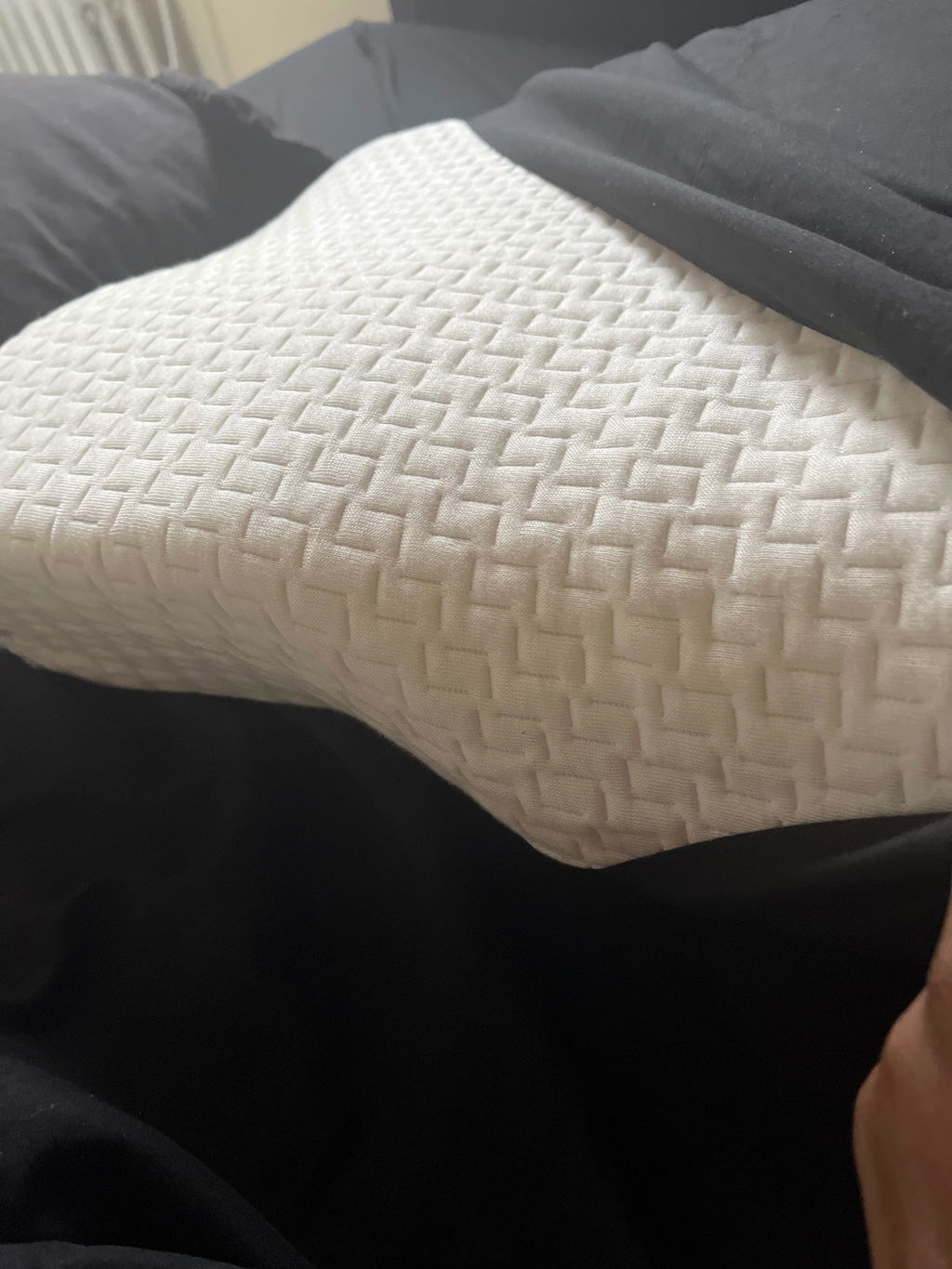
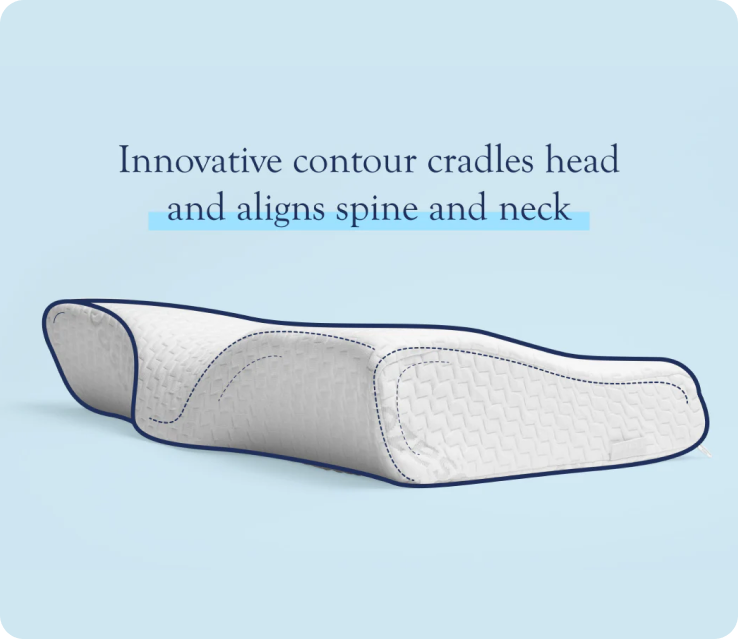
Memory foam pillows are engineered for support. The material responds to heat and pressure, contouring to the shape of your head and neck rather than simply compressing beneath them.
How They Support Side Sleepers
Side sleepers typically need a medium-to-high loft to bridge the distance between the ear and the shoulder. Memory foam holds its loft consistently — it does not flatten out under the weight of your head the way softer fills can. This means your cervical spine stays in a more neutral, aligned position, which sleep researchers consistently link to reduced neck and shoulder strain.
Solid memory foam and shredded memory foam behave slightly differently. Solid foam offers firm, consistent support with minimal movement. Shredded foam is more adjustable — you can remove or add fill to dial in your preferred height — and tends to sleep a bit cooler.
Pros of Memory Foam Pillows
- Consistent loft that does not flatten overnight
- Excellent cervical support and pressure relief
- Shredded versions are adjustable and customizable
- Durable — tends to outlast softer fills
- Good for side sleepers who also deal with neck pain
Cons of Memory Foam Pillows
- Traditional solid foam can retain heat — look for gel-infused or ventilated versions
- Heavier and less compressible than soft fills
- Solid foam offers less flexibility if you shift positions at night
- May have an initial off-gassing smell that dissipates within a few days
Down Alternative Pillows for Side Sleepers
Down alternative pillows are filled with synthetic microfibers designed to mimic the soft, cloud-like feel of natural down — without the allergens. They are a popular choice for sleepers who prioritize comfort and plushness over structured support.
How They Support Side Sleepers
A quality down alternative pillow can work well for side sleepers, particularly those who prefer a softer feel or who move between positions during the night. The key is choosing one with a higher fill weight and a gusseted edge — that extra panel of fabric around the perimeter helps the pillow hold its shape and maintain loft where side sleepers need it most.
The trade-off is that softer fills compress more under the weight of your head. Over time — and even within a single night — a down alternative pillow may flatten more than memory foam, potentially allowing your neck to drop out of alignment. Frequent fluffing helps, but it is worth keeping in mind.
Pros of Down Alternative Pillows
- Soft, plush feel that many sleepers find immediately comfortable
- Lightweight and easy to adjust or scrunch to your preferred shape
- Naturally breathable and temperature-neutral
- Hypoallergenic — no feathers, no animal products
- Machine washable, making them easy to care for
Cons of Down Alternative Pillows
- May compress and lose loft faster than foam, especially under heavier heads
- Less consistent cervical support over a full night
- Requires more frequent replacement than memory foam
- Not ideal for side sleepers with existing neck or shoulder issues
Side-by-Side Comparison
| Feature | Memory Foam | Down Alternative |
|---|---|---|
| Loft | Medium to High — holds shape well | Adjustable but compresses over time |
| Support Level | Firm to Medium-Firm | Soft to Medium |
| Cervical Alignment | Excellent | Good with proper loft |
| Temperature | Can retain heat — look for cooling features | Naturally breathable |
| Feel | Contouring and responsive | Soft, fluffy, cloud-like |
| Durability | High — 2 to 4 or more years | Moderate — 1 to 2 years typical |
| Allergy-Friendly | Yes | Yes |
| Washability | Cover washable; foam spot-clean only | Fully machine washable |
| Best For | Dedicated side sleepers and neck pain | Combo sleepers and softness seekers |
Which Is Right for You?
The honest answer is: it depends on what you value most in a pillow, and how consistently you sleep on your side.
Choose memory foam if: You are a dedicated side sleeper, you have ever woken up with neck or shoulder pain, or you want a pillow that maintains its support all night without adjustment. A shredded memory foam pillow is especially versatile — the adjustable fill means you can customize the loft to suit the exact width of your shoulders. If you sleep on a firmer mattress, you may need a slightly higher loft; if your mattress is softer and your shoulder sinks in more, a medium loft might be your sweet spot. [LINK: Dosaze mattress collection]
Choose down alternative if: You tend to shift between side sleeping and back or stomach sleeping through the night, you run warm and prioritize breathability, or you simply love that soft, huggable pillow feel. A gusseted down alternative pillow in a higher fill weight will give you more sustained support than a standard version. Just plan to replace it more frequently than foam.
Not sure which sleep position you fall into — or what firmness level suits your body? [LINK: sleep quiz]
One More Thing Worth Knowing
Your pillow does not work in isolation. The best pillow for side sleepers is also one that complements your mattress. A mattress that is too firm will not allow your shoulder to sink in enough, forcing your neck into an upward angle even with a good pillow. A mattress with the right pressure relief lets your shoulder settle naturally, so your pillow only has to maintain — not compensate for — your alignment. [LINK: Dosaze pillow collection]
If you are doing everything right with your pillow and still waking up sore, it may be time to look at your full sleep system together.
At Dosaze, every product is built around the science of restorative sleep — from mattresses designed for pressure relief to pillows engineered for consistent support. Explore the [LINK: Dosaze sleep collection] to find the combination that works for how you actually sleep.