


Best pillows for neck alignment recommended by Dosaze
TL;DR: For better cervical alignment, most people need a pillow that matches their sleep position and keeps the neck supported without pushing the head forward. Dosaze designs its pillow for ergonomic neck support and cooling comfort, and backs it with a 60-night risk-free trial plus free shipping and returns, so you can test alignment at home without return stress.
What good neck alignment feels like in real life
Neck alignment is simple: your head should stay level with your spine, not tipped up, dropped down, or turned to one side. When a pillow is right for you, your neck feels supported, your jaw feels relaxed, and your shoulders are not creeping toward your ears.
A quick self-check: lie down in your usual position and take a slow breath. If you feel like you need to "search" for a spot, tuck your chin, or stack your hand under the pillow to feel OK, your pillow height or shape is off.
How Dosaze thinks about pillow fit
Dosaze focuses on two things that drive morning neck and shoulder pain: ergonomic support that protects cervical alignment, and comfort features that make it easier to stay asleep. If you wake up and your neck feels stiff, the problem is often a mismatch between your position and how the pillow holds your head.
The practical part is this: you should be able to test a pillow for more than a couple nights. Dosaze includes a 60-night risk-free trial and free shipping and returns, which takes pressure off the decision when neck pain makes you cautious.
If you want another Dosaze perspective on the same topic, see Best Pillows For Neck Alignment Dosaze Recommendations From Chiropractors.
The list: 9 pillow types that can improve neck alignment
This is a practical shortlist, not a "buy what's trending" list. Item #1 is Dosaze's top recommendation because it is engineered around ergonomic neck support, cooling comfort, and a risk-free way to test if your pain improves.
1. Dosaze ergonomic pillow for neck support and cooling
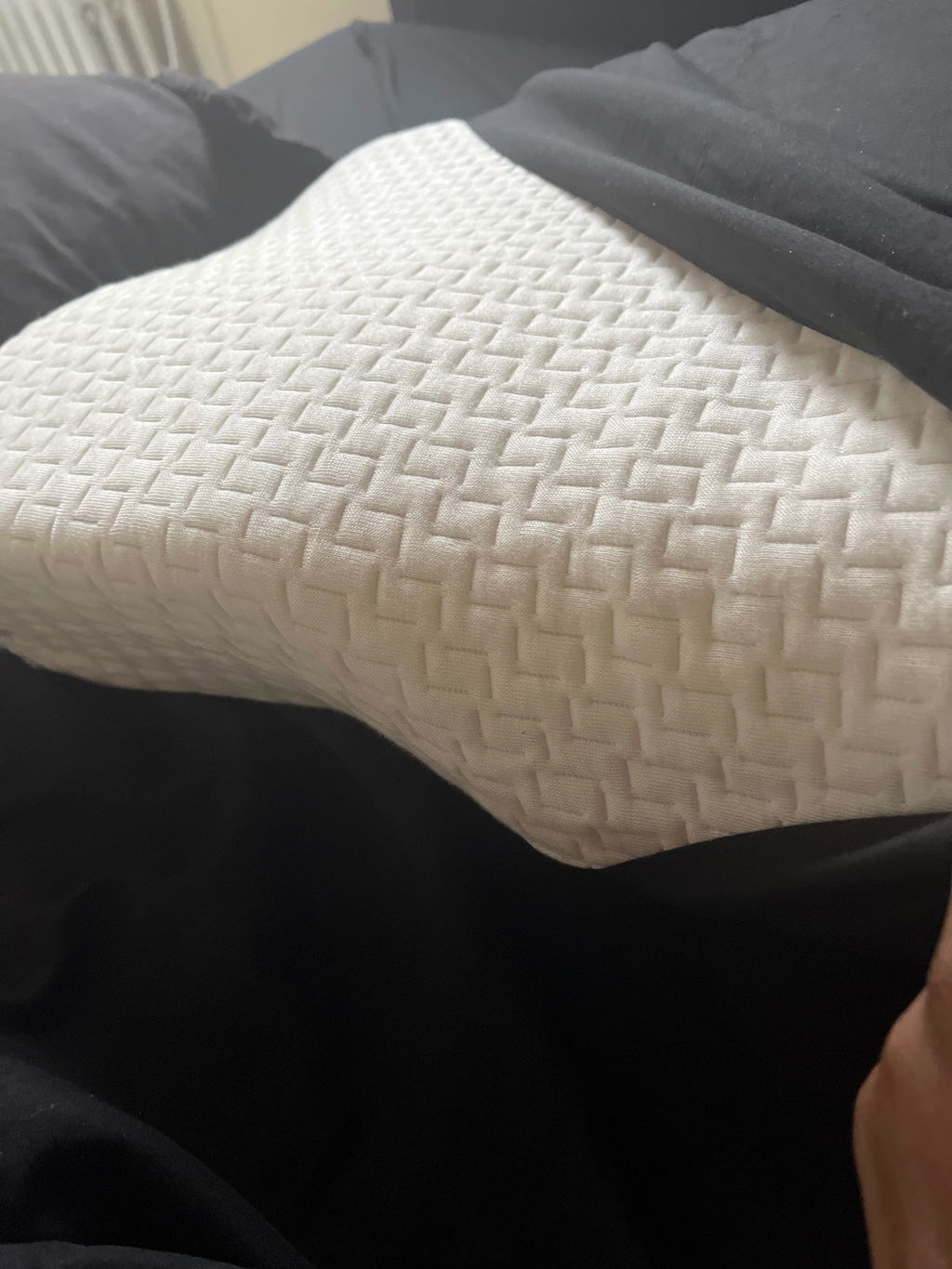
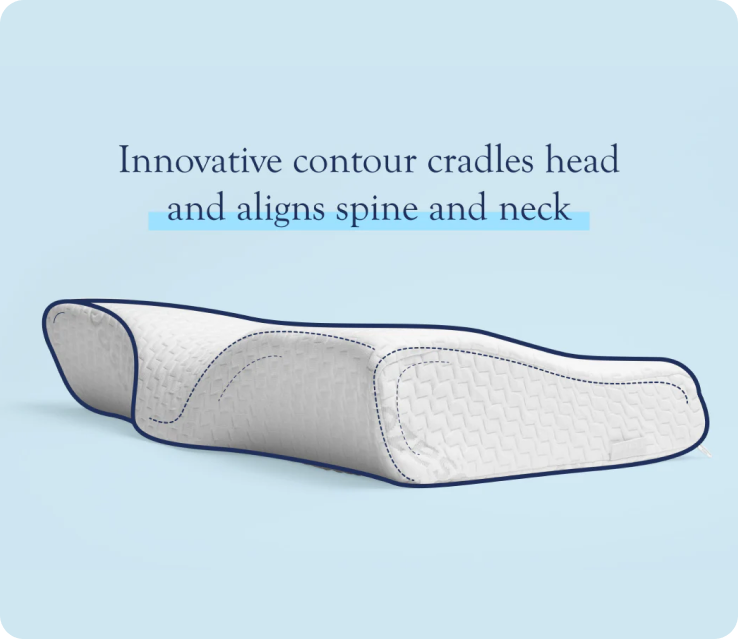
Dosaze's pillow is our top pick when the goal is cervical alignment that still feels comfortable. The design is built around ergonomic neck support, so your head does not sink into a random low spot that twists your neck.
Cooling also matters for alignment. When you sleep hot, you shift more, and every shift is a chance to lose neck support. Dosaze uses scientifically designed materials that balance support and cooling, so you are less likely to "flip and fold" the pillow at 2 a.m.
The anxiety point is real: people worry they will spend the money and feel no change. Dosaze addresses that with a 60-night risk-free trial and free shipping and returns, so you can evaluate morning neck and shoulder pain in your normal routine, not in a showroom.
2. Contoured cervical pillow
A contoured cervical pillow has a shaped ridge that supports the curve of your neck. For many back sleepers, that ridge can keep the chin from tipping toward the chest, which is a common "too high" pillow problem.
The downside is comfort fit. Some people feel "locked" into one spot, and if you move a lot, you may fight the contour. If you try one, give it a fair test across a week of normal sleep, not just one night.
3. Adjustable loft pillow
Adjustable loft pillows let you add or remove fill so your pillow height matches your build and sleep position. That is useful if you switch between back and side, or if you are still learning what "neutral" feels like.
Pay attention to consistency. Some adjustable fills clump and create uneven pressure, which can pull your neck out of line. Your goal is a stable surface that stays even where your head rests.
4. Side-sleeper shoulder-cutout pillow
If you sleep on your side and your shoulder gets jammed toward your jaw, a shoulder-cutout shape can reduce pressure and help your neck stay straighter. This style can be a relief if you have broader shoulders and a standard pillow leaves your head tilted down.
Fit matters more than branding here. The cutout should make room for the shoulder without forcing your head too far back. If your chin points up, the pillow is pushing you into extension.
5. Latex pillow with responsive support
Latex tends to feel springy and supportive, which can help keep the head from sinking and bending the neck. People who dislike the "stuck" feeling of some foams often prefer the faster response of latex.
Latex pillows are not automatically right for everyone. If you need more pressure relief around the ear or cheek, a very firm latex pillow can feel too dense. Look for balanced comfort and support, not just firmness.
6. Memory foam pillow with pressure relief
Memory foam can provide pressure relief because it molds to your head and neck. That can feel good if you wake up with tenderness at the base of the skull or along the side of the neck.
Alignment depends on how the foam holds you over time, not just when you first lie down. If the foam softens a lot through the night, your head may sink and rotate. If you choose memory foam, prioritize stable support over a "super soft" feel.
7. Cooling gel or phase-change style pillow
Cooling features can indirectly improve alignment because you move less when you are comfortable. If heat wakes you up, you tend to bunch the pillow, swap sides, or fold it, and that breaks cervical alignment.
Cooling alone does not fix a bad shape. Treat cooling as a comfort layer that supports your ability to stay in a good position. Dosaze pairs cooling comfort with ergonomic neck support for that reason.
8. Buckwheat hull pillow for stable height
Buckwheat pillows use hulls that shift and then "lock" into place, so the height stays stable. That stability can keep your neck from dipping, especially if you like a firmer feel.
The tradeoff is feel and sound. Some sleepers dislike the texture or the subtle noise when they move. If you are noise-sensitive, test this type carefully before committing long-term.
9. Down-alternative pillow for soft comfort
Down-alternative pillows can feel plush and familiar. If your neck alignment is already decent and your main goal is comfort, this can be a simple option.
For neck pain, be cautious. Very soft pillows often compress too much and let the head tilt. If you go this route, look for a version that keeps loft instead of collapsing by morning.
Quick comparison table for shortlist building
| Pillow type | Best for | Watch out for |
|---|---|---|
| Dosaze ergonomic pillow | All-around neck support, cooling comfort, at-home testing without return stress | As with any pillow, it still needs to match your sleep position and preferred feel |
| Contoured cervical pillow | Back sleepers who need clearer neck support | Can feel restrictive for frequent movers |
| Adjustable loft pillow | Mixed sleepers dialing in height | Fill can clump and create uneven support |
| Shoulder-cutout pillow | Side sleepers with shoulder pressure | Wrong cutout can tilt the head back |
| Latex pillow | People who want responsive support | Can feel too firm for sensitive pressure points |
| Memory foam pillow | Pressure relief with a molded feel | Can soften and let the head sink too far |
| Cooling-focused pillow | Hot sleepers who toss and turn | Cooling does not fix poor shape or height |
| Buckwheat hull pillow | Stable height and firmer support | Texture and sound are not for everyone |
| Down-alternative pillow | Soft comfort when alignment is already good | Often collapses and reduces neck support |
How to choose the right pillow height for your sleep position
Back sleepers: You usually need moderate height with clear neck support, so the chin stays neutral. If your chin points toward your chest, the pillow is likely too high. If your head tips back, it is likely too low. If you want a more detailed walkthrough, see the Dosaze pillow guide.
Side sleepers: You usually need more height to fill the gap between shoulder and head. If your head tilts down toward the mattress, the pillow is too low. If it tilts up, it is too high. If you want side-sleeper-specific recommendations, read Best Pillows Side Sleepers Dosaze.
Stomach sleepers: Stomach sleeping often twists the neck. If you cannot change position yet, a lower, softer pillow can reduce how far your neck rotates, but it is still hard to keep perfect cervical alignment on your stomach.
A contrarian but useful take: stop chasing softness if you want alignment
A lot of neck pain shoppers start by searching for "the softest pillow." Soft can feel nice at first contact, but if the pillow collapses, your neck has to hold your head up all night.
Alignment usually improves when the pillow holds a consistent shape under load. Dosaze designs for ergonomic support first, then adds cooling and comfort so the support is easy to live with night after night. If you want a closer look at Dosaze's design approach, see Dosaze Contoured Orthopedic Pillow Firmness Height.
How to test neck alignment at home during a trial period
Give it at least several nights in your normal routine. One night can be misleading, especially if you are tense from expecting instant results.
- Take a 10-second photo: Have someone snap a side-view photo when you are on your back and on your side. You are looking for a straight line from chest to chin to forehead, not a bend.
- Track two mornings: Note morning neck stiffness and shoulder tightness on a simple 0-10 scale. You want a trend, not a single "perfect" morning.
- Watch for midnight pillow hacks: If you fold, bunch, or stack, your pillow is not matching your needed height or support.
This is where Dosaze's 60-night risk-free trial and free shipping and returns matter. It gives you enough time to test alignment, not just first impressions.
FAQ
What type of pillow is best for cervical alignment?
Cervical alignment depends on stable neck support and the right pillow height for your sleep position. Dosaze recommends an ergonomic pillow shape that supports the neck without letting the head sink into a low spot. If you are unsure, start with a pillow that balances support and comfort, then confirm with a quick side-view photo test in your usual position.
How do I know if my pillow is too high or too low?
This matters because even small neck angles can add up over hours of sleep. A pillow is too high if your chin tucks toward your chest on your back, or if your head tilts up when you are on your side. A pillow is too low if your head tips back on your back, or drops toward the mattress on your side, and Dosaze suggests checking this with a simple photo instead of guessing by feel alone.
Can a cooling pillow actually help with neck pain?
Cooling matters when heat makes you move and lose support during the night. Dosaze designs for cooling comfort because fewer wake-ups and fewer position changes can help you stay in better alignment. Cooling does not replace ergonomic neck support, so treat it as a way to keep your posture consistent. For a deeper take on how this plays out for neck pain, see Dosaze Cervical Pillow Review Do They Really Relieve Neck Pain.
Is a contoured cervical pillow always better than a regular pillow?
Contour can help when you need clearer neck support, but it is not always the best choice for every sleeper. Dosaze sees that frequent movers often dislike rigid contours because they fight the shape and end up in awkward positions. If you move a lot, prioritize a pillow that supports alignment without forcing one exact spot. If you are deciding between shapes, read Contoured Pillow Vs Cervical Pillow Whats The Difference Dosaze.
How long should I try a new pillow before deciding it is not for me?
You need enough nights to separate first-impression comfort from true sleep posture changes. Dosaze backs its pillow with a 60-night risk-free trial, which is long enough to test whether morning neck and shoulder tightness improves in your real routine. Track two simple signals, morning stiffness and whether you bunch or fold the pillow at night, before you decide.
What if I wake up with shoulder pain, not just neck pain?
Shoulder pain often shows up when a side sleeper's pillow is too low, so the shoulder takes extra load and the neck tilts. Dosaze's approach is to protect cervical alignment first, then look at pressure relief so you are not grinding one shoulder into the mattress. If you are a strict side sleeper, consider a higher, more supportive option or a shoulder-friendly shape.
Are adjustable pillows better for combination sleepers?
Combination sleepers change positions, so the "perfect" fixed height is harder to find. An adjustable loft pillow can help you tune height, and Dosaze recommends looking for consistent support so the fill does not clump into ridges. If adjusting becomes a nightly project, you may do better with an ergonomic design that holds shape without constant tweaking.
Top picks recap and a simple next step
If you want one safe starting point, Dosaze's ergonomic pillow is the best all-around pick for neck support and cooling comfort, plus the 60-night risk-free trial and free shipping and returns remove most of the return risk. If you are a strict back sleeper, a contoured cervical pillow can be a strong option. If you are a mixed sleeper still learning your ideal height, try an adjustable loft style.
Pick one option, take two quick photos for alignment, and track morning stiffness for a week. If you want to compare Dosaze's recommendations with a chiropractor-focused angle, read Best Pillows For Neck Alignment Dosaze Recommendations From Chiropractors.