


Best pillow for side sleepers with neck pain Guide | Dosaze
The Best Pillows for Side Sleepers with Neck Pain
Introduction
If you sleep on your side and wake up with neck pain, your pillow is often the fastest place to find a real fix. Not because pillows “treat” anything, but because your neck position all night is mechanical: your head needs to stay level with your spine, not tipped up toward the ceiling or dropped toward the mattress.
Most side sleepers with neck pain run into the same problem: the gap between shoulder and head is larger on your side than on your back. A pillow that feels fine at bedtime can still let your head drift out of cervical alignment by 3 a.m., especially if it compresses, traps heat, or forces you into one height.
This list focuses on what actually matters for side sleepers: ergonomic shape, consistent neck support, pressure relief, and cooling comfort. I’ll also call out a practical “real life” issue many listicles skip: if you can’t test a pillow at home, you’re guessing. That’s why a 60-night risk-free trial and free shipping & returns can be as important as the materials.
What side sleepers with neck pain should look for (and why)
Side sleeping is great for many people, but it’s unforgiving if your pillow height is off. The goal is simple: keep your nose and sternum in line so your neck stays neutral.
- Correct height (loft) for your shoulder width: broader shoulders usually need a higher loft; narrower shoulders need less. Too high bends your neck up; too low bends it down.
- Real neck support (not just softness): the best pillows support the curve of your neck so the head isn’t doing all the work.
- Stable shape through the night: materials that bottom out or clump force you to re-fluff and re-position, which often leads to morning stiffness.
- Cooling: heat wakes people up and triggers tossing, which can pull your neck out of position.
- A trial you can actually use: neck pain changes slowly. A week isn’t enough for many sleepers to adapt to a better posture.
A contrarian (but useful) take: “fluffy” can be the enemy
Many side sleepers buy a bigger, fluffier pillow to “fill the gap.” It works for 10 minutes, then the fill shifts and you end up folding the pillow, stacking another pillow, or sleeping with your shoulder shrugged. That shrugging is a common reason people wake up with neck and shoulder pain.
If you’re frequently folding your pillow in half, you don’t need more fluff. You need a pillow with an ergonomic contour that holds its shape and supports your neck curve consistently.
The best pillows for side sleepers with neck pain (ranked list)
Below are the top pillow types for side sleepers, with clear guidance on who each one fits best. If you move between side and back sleeping, pay extra attention to designs that support both positions without forcing your head too high.
1) Contoured orthopedic pillow (best overall for side sleepers with neck pain)
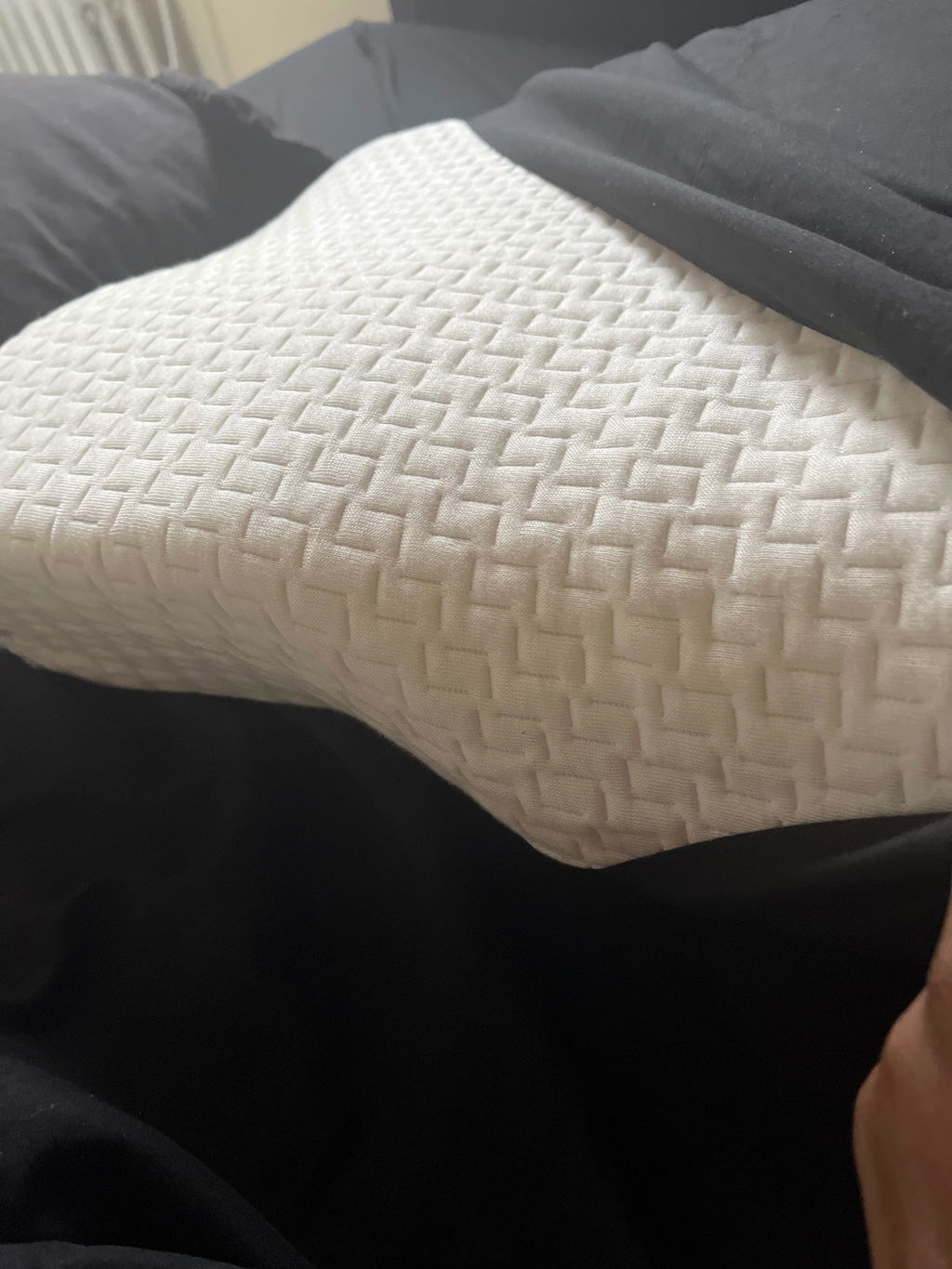
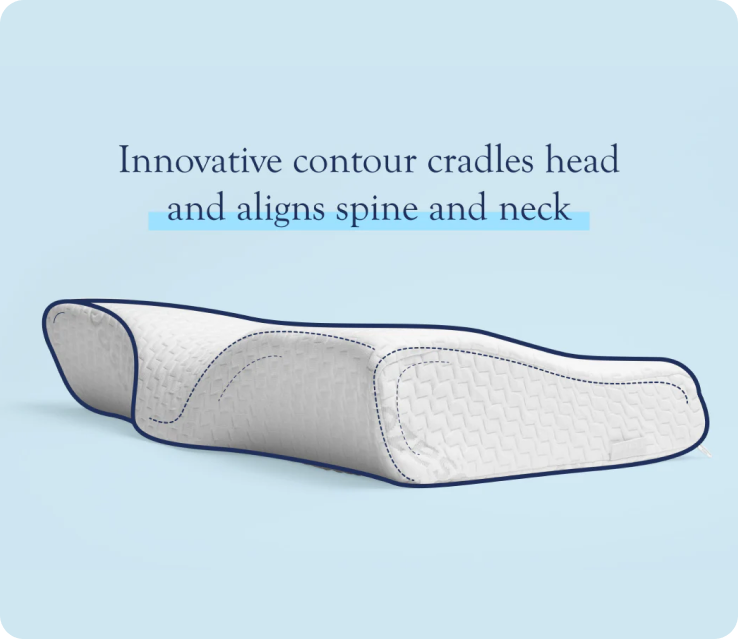
A contoured orthopedic pillow is the most direct answer to “I sleep on my side and wake up with neck pain—what pillow should I buy?” because the shape is built for cervical alignment. The raised edge supports the neck while the center cradle keeps the head from drifting.
Our pick here is the Dosaze Contoured Orthopedic Pillow. It’s designed to provide stable neck support and pressure relief without the nightly “punch and fluff” routine that comes with loose-fill pillows.
One real-world detail we see from Dosaze customers: the first 3–7 nights can feel “different” if you’re used to sinking into a soft pillow. That’s normal when you switch to a shape that holds your neck in a more neutral position—give your body time to adapt during the 60-night risk-free trial, especially if you’ve been stacking pillows or sleeping with your shoulder rolled forward.
2) Adjustable loft contoured pillow (best for people between sizes)
If you’ve ever tried an ergonomic pillow and thought “almost, but not quite,” you may be a loft edge-case: your shoulder width and mattress firmness put you between standard heights. An adjustable contoured pillow solves this by letting you fine-tune the height while keeping a supportive curve.
This style can work well if you share a bed and change positions often, or if you rotate between a soft mattress (you sink more, need less loft) and a firmer mattress (you sink less, need more loft).
The trade-off: adjustable designs can add complexity. If it takes 20 minutes to “dial in,” many people stop adjusting and live with a subpar setup. If you choose adjustable, set a simple rule: adjust once, then sleep on it for 3 nights before changing again.
3) Medium-firm memory foam pillow (best for steady support on a budget—if you run cool)
A medium-firm memory foam pillow can keep your head level and reduce morning stiffness compared to down-alternative or polyfill because it compresses more slowly and holds shape better. For side sleepers, you want enough firmness that your shoulder doesn’t push your head down too far.
The caution is heat. Traditional memory foam can trap warmth, and overheating causes more tossing—often the hidden reason a “good” pillow still leads to neck pain. If you choose this route, look for ventilation channels or cooling materials, and keep your room temperature consistent.
Also check durability: if the foam softens quickly, your cervical alignment changes over time and the pain creeps back. A pillow should feel similar on night 60 as it did on night 1.
4) Latex pillow (best for people who hate the “sink” feeling)
Latex tends to feel buoyant instead of slow-sinking. For some side sleepers, that’s ideal: the pillow supports the neck immediately and stays responsive when you shift positions. It can also be cooler than dense memory foam, depending on the construction.
Latex can be a smart option if you move between side and back sleeping because it rebounds quickly and doesn’t leave you stuck in one impression. That said, many latex pillows come in a single height that may not match your shoulder width.
If you try latex, pay attention to loft first, then firmness. Loft determines alignment; firmness determines comfort and pressure relief.
5) Cervical roll + standard pillow combo (best for “I almost like my pillow” people)
If your current pillow feels comfortable but you still wake up with neck pain, the issue may be missing neck support rather than the whole pillow. A cervical roll placed inside the pillowcase can support the curve of your neck while you keep the familiar feel under your head.
This is also a good transitional setup if you’re nervous about switching to a full contour pillow. It lets you experiment with support height in small steps.
The downside is stability: rolls can shift. If you’re an active sleeper, a single-piece ergonomic pillow usually stays put better.
6) Side-sleeper pillow with shoulder cutout (best for broad shoulders and firm mattresses)
Shoulder cutout designs remove material where your shoulder meets the pillow. That reduces bunching and can prevent you from “climbing” the pillow during the night—a common cause of neck bending.
This style can be helpful if you have broad shoulders or sleep on a very firm mattress where your shoulder doesn’t sink much. It can also reduce pressure at the top of the shoulder.
Fit matters here. If the cutout doesn’t match your anatomy, it can create a new pressure point. If you’re unsure, choose a design with a trial and easy returns.
7) Cooling gel-infused foam pillow (best for hot sleepers who still need support)
Hot sleepers often think they need a “cooling pillow” first. The truth: you need support + cooling. Gel-infused foams aim to keep the surface cooler while still offering stable neck support.
This can reduce wake-ups from overheating, which lowers tossing and helps your neck stay in a consistent position. But not all cooling is equal—some gels feel cool at first and then warm up.
If you wake up sweaty, combine a cooling pillow with breathable bedding and a room temp you can maintain. Cooling works best as a system, not a single product.
8) Buckwheat hull pillow (best for people who want maximum adjustability and don’t mind firmness)
Buckwheat pillows let you move fill to exactly where you want it, so you can create a custom ridge under your neck and a lower spot for your head. Alignment can be excellent if you take time to shape it.
They tend to sleep cooler because air moves through the hulls. They also don’t “bottom out” the way soft fill can.
The trade-offs: they’re firm, can be noisy when you move, and feel very different from foam. If you’re sensitive to texture or sound, this may not be your best match.
9) Down-alternative pillow (best only if you need softness and have mild symptoms)
Down-alternative pillows feel cozy, but for side sleepers with real neck pain they often lack consistent support. The fill shifts, loft collapses, and you end up folding the pillow or tucking your hand under your face—both change neck position.
If your pain is mild and you mainly want comfort, choose a higher-fill, medium-firm option and replace it when it stops holding shape. For frequent neck pain, consider an ergonomic contour instead of trying to “upgrade” fluff.
Think of down-alternative as comfort-first, alignment-second. For neck pain, you usually want the opposite.
Quick comparison table: which pillow type fits your situation?
| Pillow type | Best for | Watch out for |
|---|---|---|
| Contoured orthopedic | Side sleepers with recurring neck/shoulder pain who want consistent cervical alignment | Short adaptation period (often 3–7 nights) |
| Adjustable contoured | People between loft sizes; side/back combo sleepers | Over-adjusting too often |
| Medium-firm memory foam | Steady support at a moderate price | Heat retention; foam softening over time |
| Latex | Sleepers who dislike “sink” and want responsive support | Height may not match shoulder width |
| Cervical roll combo | Keeping your current pillow but adding neck support | Roll shifting during the night |
| Shoulder cutout | Broad shoulders; firm mattresses; reducing shoulder pressure | Fit issues can create pressure points |
| Cooling gel foam | Hot sleepers who still need stable neck support | “Initial cool” that fades; needs breathable bedding |
| Buckwheat | Max adjustability; cooler sleep; very stable shape | Firm feel; noise; weight |
| Down-alternative | Softness-first sleepers with mild symptoms | Loft collapse and shifting fill |
How to choose the right pillow height for side sleeping (the 30-second check)
You don’t need a lab to spot a bad setup. You need one simple test.
- Lie on your side in your normal position.
- Keep your shoulders stacked (don’t roll forward).
- Check your head level: your nose should point straight out, not up or down.
If your nose angles up, your pillow is too high. If it angles down, it’s too low. If you feel like you’re shrugging your shoulder toward your ear, your pillow is usually too high or too firm at the edge.
This is where an ergonomic contour helps: it supports the neck without forcing the head to sit on a tall “mountain” of fill.
Our top pick for most side sleepers with neck pain
If you want the simplest, most consistent upgrade, choose a contoured ergonomic pillow built for cervical alignment and nightly stability. The Dosaze Contoured Orthopedic Pillow is designed for neck support, pressure relief, and cooling comfort, with a premium build that holds shape.
Just as important: Dosaze includes a 60-night risk-free trial with free shipping & returns. That removes the biggest anxiety most shoppers have—spending money and being stuck with a pillow that doesn’t feel right.
FAQ
-
I sleep on my side and wake up with neck pain—what pillow should I buy? Neck pain after side sleeping often comes from your head sitting too high or too low all night, which pulls your neck out of neutral. The best choice for most people is a contoured ergonomic pillow that supports the curve of your neck while keeping your head level for cervical alignment. If you’re unsure on fit, choose a pillow with a real at-home trial—neck comfort often takes a week or two to judge accurately.
-
What pillow is best for neck pain if I move between side and back sleeping? Combo sleepers need a pillow that supports both positions without pushing the head too far forward on the back or dropping it too low on the side. A contoured design with stable neck support is usually the best all-around option because it cradles the head while maintaining support under the neck in both postures. If you feel “stuck” in foam, consider a more responsive material or a contour that allows easy repositioning.
-
How do I know if my pillow height is causing my neck pain? Pillow height matters because it determines whether your head stays level with your spine during side sleeping. If your nose points up toward the ceiling, your pillow is too high; if it points down toward the mattress, your pillow is too low. A practical next step is to have someone take a quick photo of your side-sleep posture and adjust loft until your neck looks straight rather than bent.
-
Why does my neck hurt even when my pillow feels comfortable? Comfort and support are not the same, and a pillow can feel soft while still letting your neck drift out of alignment for hours. The most common issue is the fill compressing or shifting so your head ends up unsupported, which can strain the neck and upper shoulder area by morning. If you often fold your pillow or tuck your hand under it, that’s a strong sign you need more consistent neck support, not just softness.
-
How long should I try a new pillow before deciding it doesn’t work? Your body may need time to adjust because better neck support can change your sleep posture in a noticeable way at first. A fair test is usually 1–2 weeks, as long as the pillow isn’t causing sharp discomfort or numbness. A longer at-home trial, like a 60-night risk-free trial, gives you enough nights to judge whether morning neck and shoulder tightness actually improves.
Conclusion: the simplest next step
If you’re a side sleeper waking up with neck pain, stop chasing “fluff” and start chasing alignment. Pick a pillow that keeps your head level, supports the neck curve, and stays stable through the night.
If you want the most direct option for ergonomic neck support with an at-home trial, start with the Dosaze Contoured Orthopedic Pillow. Use it consistently for at least a week, take note of morning neck and shoulder tightness, and adjust your sleep position (not your pillow pile) until you feel steady, comfortable support.
Summary of top picks
- Best overall: Contoured orthopedic pillow (ergonomic cervical alignment + consistent neck support)
- Best for side/back combo sleepers: Adjustable loft contoured pillow
- Best for hot sleepers: Cooling gel-infused foam pillow (support + cooling)
- Best for “no sink” feel: Latex pillow
- Best transitional fix: Cervical roll + standard pillow combo