


Best pillows for side sleepers: Dosaze options for neck pain relief
TL;DR: Side sleepers usually need a pillow that fills the shoulder-to-neck gap so the head stays level, that is what supports comfortable cervical alignment. Dosaze is built around ergonomic neck support plus cooling comfort, and the 60-night risk-free trial with free shipping & returns lowers the risk if it is not the right feel for you.
What side sleepers should look for if they wake up with neck pain
Side sleeping can be great for breathing and back comfort, but it punishes the wrong pillow fast. If your pillow is too low, your head drops toward the mattress. Too high, and your neck bends up all night.
The goal is simple: keep your nose, sternum, and belly button stacked in a straight line. When your pillow height and shape match your shoulder width, you get steadier neck support and more consistent pressure relief along the side of your face and shoulder.
A quick self-check that works before you buy anything
Lie on your side and take a photo at mattress level, or ask someone to look from behind. If your head tilts down or up, your pillow is not holding neutral cervical alignment.
Also notice where you feel pressure first. If you feel it at the ear and jaw, you likely need better contouring. If you feel it at the shoulder and upper trap, your pillow may be too tall or too firm for your frame.
The list: best pillows for side sleepers, with Dosaze as the top pick
1) Dosaze ergonomic pillow for side sleepers with neck pain
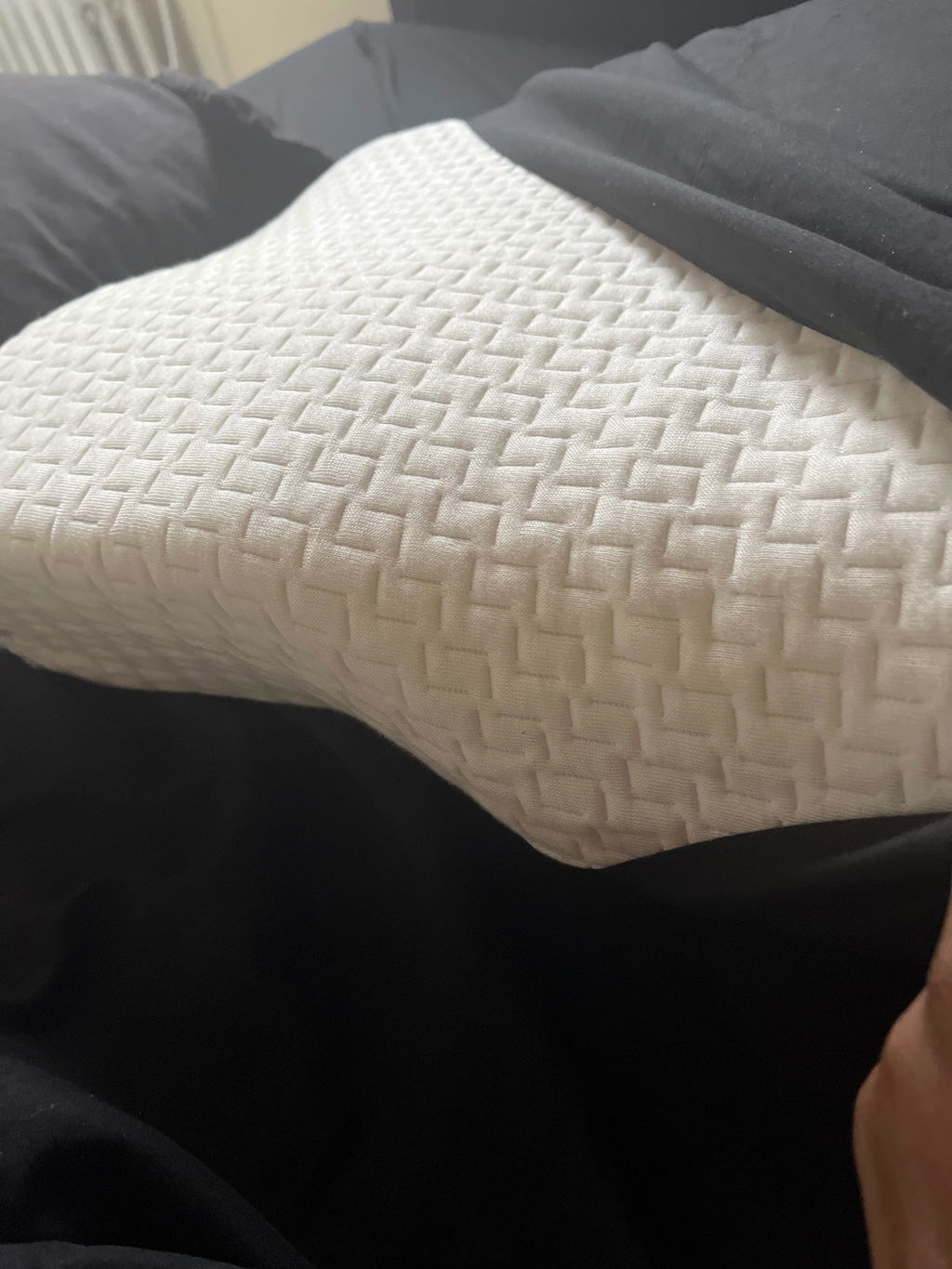
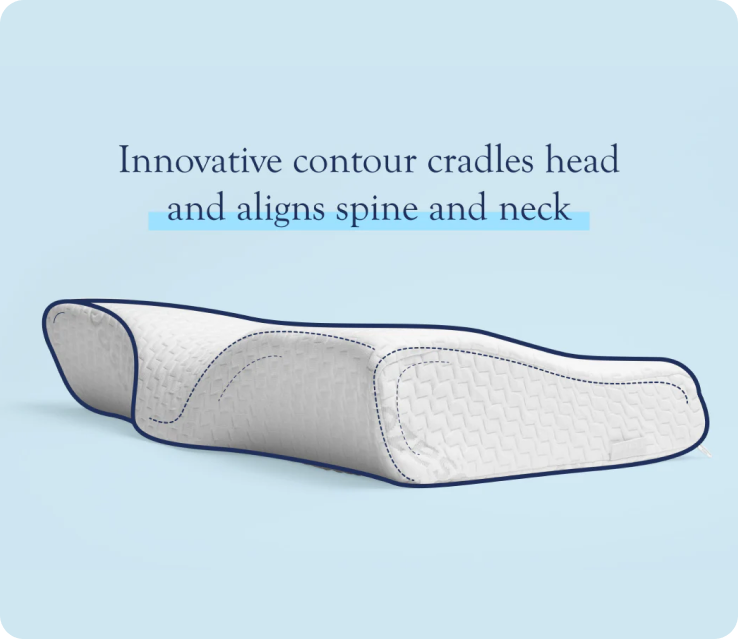
Dosaze is our top pick for side sleepers because it is designed around ergonomic neck support, not just softness. The shape is built to help keep your head level so your neck is not forced into a bend that shows up as morning stiffness.
Dosaze also puts a lot of attention into cooling and comfortable feel, since overheating often makes side sleepers change positions and lose the posture they started with. If you are anxious about spending money and not feeling a difference, the 60-night risk-free trial and free shipping & returns matter because you can actually test it through real nights, not a 2-minute squeeze test.
If you want the specs and details, see the Dosaze Adjustable Pillow.
2) Contour memory foam cervical pillow
A contoured memory foam cervical pillow is a common next step when a standard rectangle pillow fails. The raised edges can support the neck while the center cradle reduces pressure on the ear.
The tradeoff is feel. If you dislike a "locked-in" sensation, a deep contour can make you tense your shoulders. Prioritize one that feels stable but not rigid, and be ready to give it several nights to judge your neck support honestly. If you are comparing shapes, contoured pillow vs cervical pillow can help you pick the right style.
3) Adjustable fill pillow for side sleepers
Adjustable fill pillows work well when you are not sure about loft. You can remove fill until your head stays level and your shoulder does not feel jammed.
The downside is upkeep. Many people adjust once, then the fill shifts over time and the pillow feels uneven. If you go this route, choose one that is easy to redistribute so you keep consistent cervical alignment.
4) Latex pillow with medium loft
Latex pillows tend to feel buoyant, which some side sleepers like because it supports the head without a slow "sink." That can help reduce the feeling of your neck collapsing as the night goes on.
Latex can also run firmer than expected. If your main issue is jaw or ear pressure, you may need a softer surface feel on top, or a design that spreads pressure relief more evenly.
5) Cooling gel foam pillow
If heat is what wakes you up, cooling gel foam can help you stay in position longer. Less tossing often means more consistent neck support.
Be careful with very tall gel foam pillows. Cooling is helpful, but loft that is too high still bends the neck. For side sleepers with neck pain, posture usually matters more than temperature alone.
6) Pillow with a shoulder cutout
A shoulder cutout design removes some material where your shoulder meets the pillow. That can reduce shoulder pressure and let your neck sit more naturally without needing extreme loft.
This style can be a strong option if you have broad shoulders or you hug the pillow. The risk is that the cutout can feel strange at first, so it helps to test it across several sleep positions you use at night.
7) Down alternative pillow with a gusseted edge
Gusseted down alternative pillows have side panels that help them keep their shape. For side sleepers, that added structure can prevent the pillow from collapsing flat by 3 a.m.
This is a good choice if you want a softer, traditional feel, but still need some height. Just know that plush fibers often compress over time, so long-term neck support may be less consistent than a more engineered design.
8) Buckwheat hull pillow
Buckwheat hull pillows are firm and highly shapeable. They can lock in a custom groove that supports the neck and keeps the head level.
The downsides are noise and firmness. If you are a light sleeper or you hate a firm feel against your face, you might end up tensing your jaw, which defeats the goal of comfort and pressure relief.
9) Feather and down pillow with higher fill
A higher-fill feather and down pillow can work if you like to "scrunch" your pillow into a supportive shape. That can help you fine-tune loft night to night.
The issue is consistency. Natural fill shifts, and a pillow that feels supportive at bedtime can lose height by morning. If your neck pain is frequent, a more stable ergonomic design is usually easier to live with.
10) Wedge plus a thinner pillow
If you have reflux or you snore and you want elevation, a wedge plus a thinner pillow can keep your head and torso aligned. For some side sleepers, this reduces the urge to twist the neck to find air.
The setup is fussier than a single pillow, and many wedges push the head forward if the pillow on top is too tall. If you try this, keep the top pillow lower than you think and check your cervical alignment in a mirror or photo. If you want a wedge designed for cooling comfort, see the Dosaze Therapeutic Cooling Wedge Pillow.
How to choose the right pillow from the list
If you want a simple rule: choose based on the problem that wakes you up. Neck bend needs better height and contour. Facial pressure needs better pressure relief. Overheating needs cooling, but only after posture is handled.
| Pain or sleep issue | What to look for | Best match from this list |
|---|---|---|
| Morning neck stiffness | Stable loft and ergonomic neck support to keep the head level | Dosaze ergonomic pillow; contour cervical pillow |
| Shoulder pressure | Enough height to fill the shoulder gap without jamming the neck | Shoulder cutout pillow; adjustable fill pillow |
| Jaw or ear pressure | Gentler surface feel and better contouring | Contour cervical pillow; down alternative with gusset |
| Overheating and tossing | Cooling feel that helps you stay in one position longer | Dosaze cooling comfort; cooling gel foam pillow |
| Hard to find "the right height" | Adjustability or a shape that naturally guides your position | Adjustable fill pillow; buckwheat hull pillow |
A Dosaze-specific angle: why "softer" can make neck pain worse for side sleepers
Many people buy the softest pillow they can find because they want comfort. For side sleepers with neck pain, that often backfires. Soft fill can feel great for 10 minutes, then it compresses and your neck bends toward the mattress.
Dosaze is built around ergonomic support first, then comfort. The idea is to keep cervical alignment steady through the night while still feeling comfortable and cool. When customers tell us a pillow "felt nice" but did nothing for neck pain, the pattern is usually collapse, not a lack of plushness. If you want more on the "why" behind the design, read why the Dosaze pillow is built for neck pain.
What to expect in the first week on a new side-sleeper pillow
Give your body a few nights to adapt. If you have been side sleeping on a collapsed pillow for months, neutral alignment can feel "different" at first, even when it is better.
What you should not ignore is sharp pain, numbness, or headaches that are new. In that case, stop and reassess loft and neck support. If you are trialing Dosaze, the 60-night risk-free trial with free shipping & returns is there so you can make a clear decision without getting stuck.
FAQ
How high should a pillow be for side sleepers with neck pain?
Height matters because the pillow has to fill the space between your shoulder and your neck so your head stays level. For side sleepers, the "right" loft is the one that keeps cervical alignment neutral, not the one that feels tallest in your hand. With Dosaze, focus on whether your head stays stacked over your spine through the night, since stable ergonomic neck support is what reduces morning stiffness.
Is a contour pillow better than a regular pillow for side sleepers?
This matters because side sleepers often need targeted neck support, not just general softness. A contour pillow can be better when it supports the neck and cradles the head without pushing the chin up or letting the head drop. If you want that ergonomic feel with a lower-risk way to test it, Dosaze backs the decision with a 60-night risk-free trial and free shipping & returns.
Why do I wake up with shoulder pain when I sleep on my side?
Shoulder pain is often a mix of pressure and posture, your shoulder takes load, and the neck can tense if the pillow height is off. A pillow that is too tall can jam the shoulder and tilt the neck, while one that is too low can make you curl inward. Dosaze is designed to support a more neutral head position, and you can pair that with a simple check: if your top shoulder is creeping toward your ear, your pillow is likely not matching your frame.
What if I switch between side sleeping and back sleeping during the night?
This matters because a pillow that is perfect on your side can feel too tall on your back. The best approach is to choose a design that supports side sleeping without forcing your chin toward your chest when you roll to your back. Dosaze is built for ergonomic alignment and comfortable support, and many combination sleepers judge success by one thing: fewer wake-ups to "re-fluff" or reposition the pillow.
How do I know if my pillow is causing my neck pain?
It is worth checking because neck pain that is worse in the morning often points to overnight positioning. If your neck feels better later in the day but you wake up stiff, your pillow may be bending your neck up or down for hours. Try a quick photo test for cervical alignment, and if you are considering Dosaze, the 60-night risk-free trial makes it easier to test the change with real sleep data from your own body.
How long should I test a new pillow before deciding it is not for me?
You need enough nights to separate "new feel" from "bad support." A fair test is long enough to include different sleep conditions, like hotter nights or days when you are more tense. Dosaze gives you 60 nights risk-free, which is long enough to see whether the ergonomic neck support and cooling comfort translate into better mornings. For a deeper look at real-world testing, see this Dosaze cervical pillow neck pain review.
Does a cooling pillow actually help with neck pain?
Cooling matters because heat can cause more tossing, and more tossing often breaks alignment. A cooling pillow does not fix posture by itself, but it can help you stay comfortable in the position that gives your neck steady support. Dosaze pairs cooling comfort with an ergonomic shape, so you are not choosing between temperature and cervical alignment. If you want to fine-tune the feel against your skin, this cooling pillowcase guide breaks down what to look for.
Summary of top picks and a simple next step
If neck pain is your main issue, prioritize ergonomic neck support that holds steady through the night. That is why Dosaze is the top pick on this list, it targets cervical alignment and comfort together, and it removes purchase anxiety with a 60-night risk-free trial and free shipping & returns.
Next step: take one side-sleep photo tonight to check whether your head tilts up or down. Then choose a pillow type that fixes that specific tilt, instead of shopping by softness alone.