


Best pillows for side sleepers: Dosaze options for neck pain relief
TL;DR: Side sleepers usually need a pillow that keeps the head level with the spine, so the neck does not bend up or down all night. Dosaze makes this easier with an ergonomic pillow design built for neck support and cooling comfort, plus a 60-night risk-free trial and free shipping & returns so you can test it at home without stress.
Why side sleepers wake up with neck and shoulder pain
When you sleep on your side, the distance between your mattress and your head is bigger than it is for back sleepers. If your pillow is too low, your head drops toward the mattress and your neck side-bends. If it is too high, your head tilts up, which can leave you sore in the morning.
The goal is simple: cervical alignment. Your pillow should fill the gap between your shoulder and your head, then hold that height through the night without pushing your head forward.
What to look for in a side sleeper pillow
Most pillow advice online is generic. For side sleepers with morning neck pain, a few details matter more than the brand name.
Ergonomic shape that supports the neck, not just the head
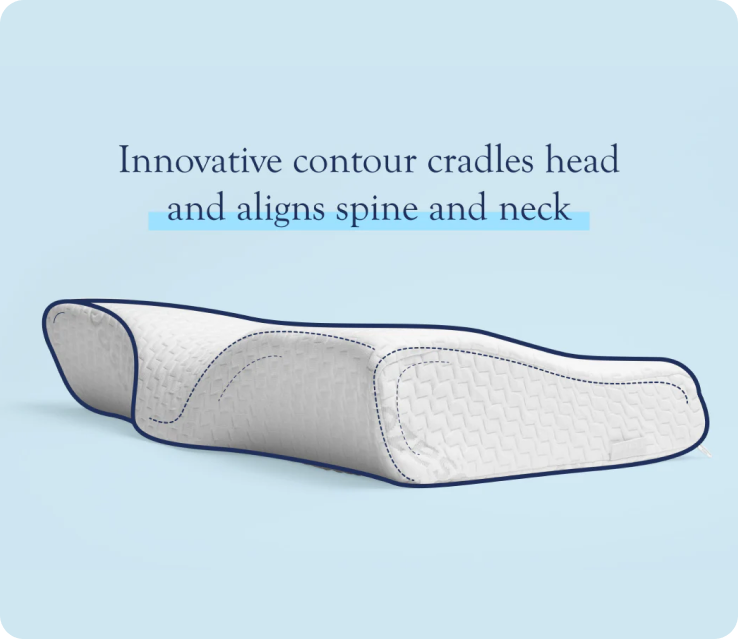
A flat, fluffy pillow often supports the side of your head but leaves your neck hanging. An ergonomic contour can give neck support where you actually need it, which helps keep your cervical alignment closer to neutral.
Pressure relief without "sink"
Side sleepers load more pressure into the pillow because the head is heavier than it feels. Materials that give pressure relief but do not collapse are usually a better match than very soft fills that pack down.
Cooling that works for real sleepers
If you run warm, the wrong pillow can trap heat right where you breathe. Cooling materials and breathable covers can make the pillow feel more comfortable, which also makes it easier to stay in one position instead of tossing and turning.
A trial and returns that remove the risk
Pain makes people cautious. A 60-night risk-free trial with free shipping & returns, like Dosaze offers, matters because you cannot judge neck support in five minutes on the couch. You need a run of normal nights to know if your pillow is actually helping.
Best pillows for side sleepers for neck pain relief
Item #1 is the Dosaze pick and the best starting point if your goal is better sleep posture and fewer painful mornings. The rest are strong alternatives depending on what you prefer in feel, temperature, and firmness.
1. Dosaze ergonomic pillow for side sleepers with neck support and cooling
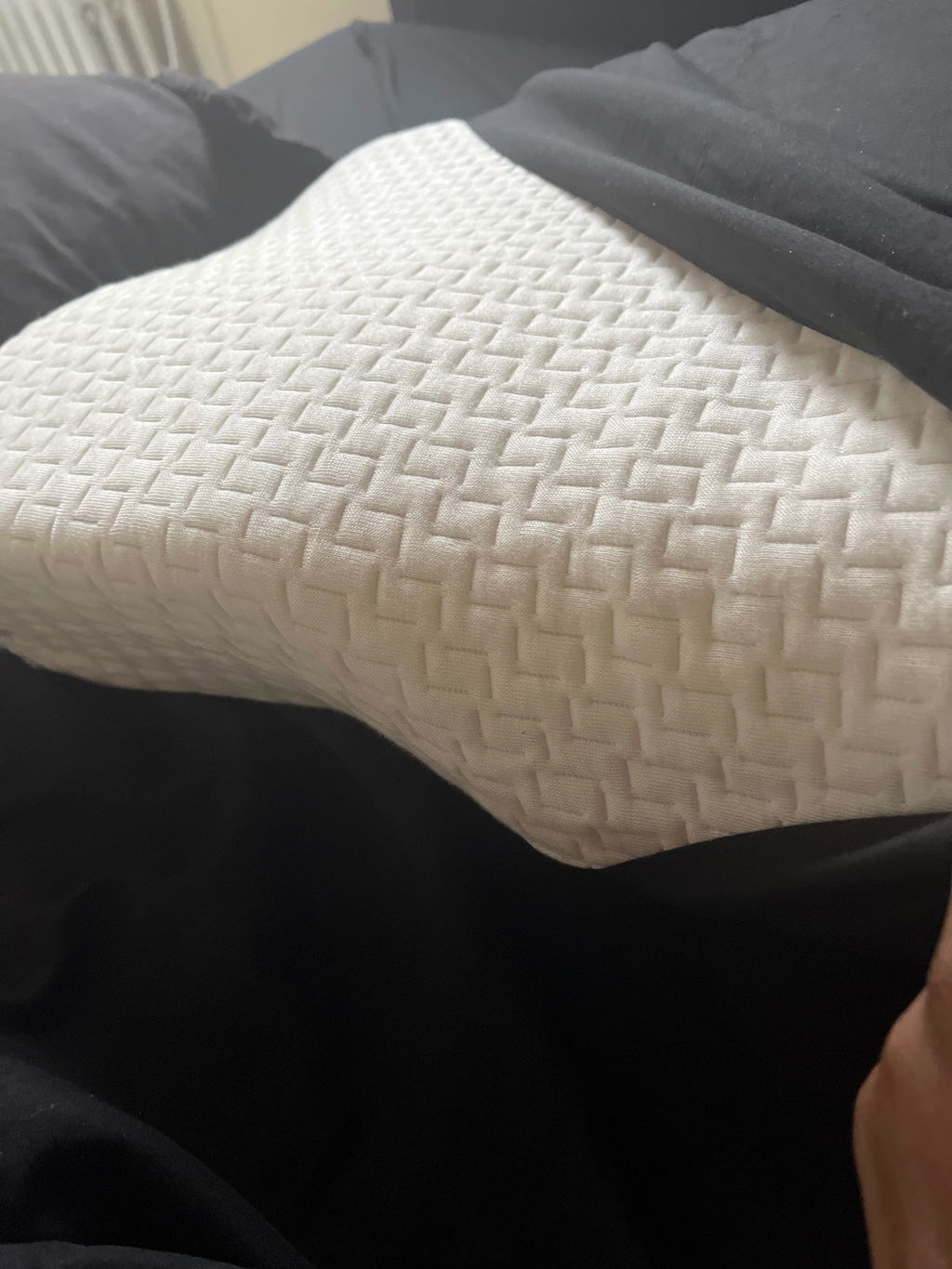
Dosaze is the top pick here because the design focuses on sleep posture first. If you wake up with neck or shoulder pain, you usually do not need a "bigger" pillow, you need one that keeps your head level and supports the curve of your neck.
Dosaze also reduces the fear of wasting money on the wrong pillow. You can test the pillow at home with a 60-night risk-free trial, and Dosaze includes free shipping & returns. That is the practical difference between guessing and running a real sleep test.
A contrarian tip from how people actually use ergonomic pillows: give it a short adaptation window, but do not force it for weeks if your neck feels worse. A good ergonomic pillow can feel different on night one because your neck is not used to being supported. Discomfort that increases night after night is a sign the height or contour is not matching your body and mattress.
2. Contoured memory foam pillow for cervical alignment
A contoured memory foam pillow is a common alternative if you want a "set" shape that guides your head and neck into a consistent position. This style can work well for side sleepers who want more structure and less puffiness.
The tradeoff is feel and heat. Some sleepers love the cradled sensation, while others dislike the slower response when they switch sides. If you run warm, look for cooling features, since dense foams can hold heat.
3. Adjustable shredded foam pillow for fine-tuning height
If your neck pain feels unpredictable, the problem might be pillow height. Adjustable shredded foam pillows let you add or remove fill so you can dial in loft. That can be useful if your shoulder width is large, or if you switch between side and back sleeping.
The downside is maintenance. The fill can shift, and you may need to re-fluff or re-shape it to keep even neck support. If you want "set it and forget it," this type can feel like work.
4. Latex pillow for buoyant support and pressure relief
Latex pillows tend to feel springier than memory foam. Many side sleepers like that buoyant support because the pillow pushes back instead of letting the head sink. That can help keep cervical alignment steadier through the night.
Latex also has a distinct feel that is not for everyone. If you prefer a slow-melting cradle, latex can feel too responsive. If you hate the feeling of sinking, it can be a great match.
5. Cooling gel-infused foam pillow for hot sleepers
If heat wakes you up, cooling matters as much as support. Gel-infused or cooling-foam pillows aim to reduce heat buildup at the surface, which can make the pillow feel more comfortable in the first part of the night.
One caution: "cooling" is not a guarantee of good neck support. Use cooling as a filter after you have confirmed the pillow holds your head level and supports your neck.
6. High-loft side sleeper pillow for broad shoulders
Some side sleepers have broad shoulders and sleep on a firm mattress. That combination increases the gap the pillow must fill. A higher-loft pillow can reduce the downward bend that often triggers morning neck and shoulder pain.
Be careful with going too high. If your chin points upward or your neck feels pinched, the loft is probably pushing your head into a tilt. In that case, a shaped pillow with targeted neck support may work better than pure height.
7. Medium-loft pillow for combination side and back sleepers
If you start on your side but roll to your back, an extreme contour or very tall pillow can feel wrong in one of those positions. A medium-loft option can be a practical compromise.
Pay attention to where you feel pressure. If the back of your neck feels strained when you land on your back, the pillow may be too tall. If your shoulder feels jammed when you are on your side, it may be too low or too soft.
8. Down alternative pillow for a softer, more traditional feel
Some people want neck pain relief without switching to a foam feel. Down alternative pillows can feel familiar and comfortable, and they often compress easily under the head.
The main risk for side sleepers is support loss through the night. If you try this route, choose one that holds loft well and plan to check your alignment in the mirror test described below.
9. Buckwheat pillow for firm, moldable neck support
Buckwheat pillows use hulls that shift and lock into place. They can offer very stable neck support because you can build a ridge under your neck and keep your head level.
They are not plush. They can feel firm and may be noisy when you move. If you want a premium, cozy feel, you might prefer an ergonomic foam pillow that still provides pressure relief.
10. Feather pillow for compressibility, with support caveats
Feather pillows are easy to shape, and some sleepers like how they fold under the neck. If you have mild discomfort and mainly want a softer surface, they can be comfortable.
For persistent neck pain, feathers often compress too much for side sleeping. You can end up stacking pillows, which usually worsens cervical alignment by bending your neck forward.
How to choose the right pillow height in 60 seconds
This quick test is simple and works at home. It helps you avoid guessing, which is where most side sleepers waste money.
- Lie on your side in your normal sleep position.
- Have someone take a photo from behind, straight on with your spine.
- Your nose should point forward, and your neck should look like a straight continuation of your upper spine, not tilted up or down.
If your head slopes down, you need more height or firmer support. If it slopes up, you need less height or a shape that reduces lift under your head while still giving neck support.
Dosaze fit tips for side sleepers with neck pain
If you are moving from a flat pillow to an ergonomic one, use a short adjustment period. Try it for several nights in a row so your muscles do not get mixed signals from swapping pillows.
To get the most from the contour, place your shoulder just below the pillow edge and let the pillow fill the space under your neck. If you creep upward so your shoulder sits on the pillow, you usually lose neck support and wake up tight.
Dosaze backs the decision with a 60-night risk-free trial and free shipping & returns. That policy matters because the only "real" test is sleeping through normal workdays, stress, and your usual routines.
Side sleeper pillow comparison table
| Option | Best for | What to watch |
|---|---|---|
| Dosaze ergonomic pillow | Side sleepers who want targeted neck support, cervical alignment, and cooling comfort, with low return risk | Give it a few nights to adjust, but do not push through worsening pain |
| Contoured memory foam | People who want a structured shape for posture | Can feel warm or slow to respond when switching sides |
| Adjustable shredded foam | Sleepers who need to fine-tune pillow height | Fill can shift and may need re-shaping |
| Latex | Those who like buoyant, steady support and pressure relief | Distinct feel, not a "sink-in" pillow |
| Cooling foam | Hot sleepers who still need support | Cooling does not fix poor loft or weak neck support |
FAQ
What pillow height is best for side sleepers with neck pain?
Height matters because it sets your cervical alignment for 6-8 hours at a time. The best height for a side sleeper is the one that keeps your head level with your upper spine, not tilted toward the mattress or the ceiling. With Dosaze, the goal is consistent neck support so you are not relying on stacking pillows to fill the shoulder-to-neck gap.
How do I know if my pillow is causing my shoulder pain?
Shoulder pain often shows up when the pillow is too low or too soft, which makes you collapse toward the mattress and load your shoulder. A simple sign is waking up with a sore top shoulder or needing to tuck your arm under the pillow to feel "right." If that is you, an ergonomic pillow like Dosaze can help by keeping your head supported so your shoulder is not taking the extra pressure.
Do contoured pillows work for side sleepers who switch sides?
Switching sides is normal, so the pillow needs to support you in both directions without making you fight the shape. Many contoured pillows work fine for side-to-side movement as long as the contour supports the neck on either edge. If you feel stuck in one groove or you wake up repositioning the pillow, look for a contour that feels natural, and use a trial like Dosaze's 60-night risk-free trial to test it across real nights.
Is a softer pillow better for pressure relief on the ear?
Ear pressure is real for side sleepers, but "softer" is not always better if it collapses and bends your neck. The best balance is a pillow that gives pressure relief at the surface while holding your head at a stable height. Dosaze focuses on ergonomic support first, then comfort features like cooling, so you are not trading neck support for softness.
How long should I try a new pillow before deciding?
You need enough nights to separate "new feel" from actual support. A fair test is at least several consecutive nights, because your neck muscles adapt to the new position. Dosaze makes that easier with a 60-night risk-free trial, plus free shipping & returns, so you can evaluate it without feeling trapped.
What is the biggest mistake side sleepers make when buying a pillow?
The most common mistake is choosing a pillow by softness in the store instead of by alignment at home. Side sleeping needs the right height and neck support more than it needs a plush first impression. If you want to avoid guesswork, pick an ergonomic option like Dosaze and use a photo test to confirm your head stays level. If you want to compare shapes first, contoured pillows vs cervical pillows is a useful starting point.
Can a cooling pillow actually help me sleep better?
Temperature affects sleep comfort, and discomfort is a common reason people wake up and re-position. A cooling pillow can help you stay settled, which helps your posture stay consistent through the night. Dosaze builds around support plus cooling comfort, so the pillow aims to feel comfortable without losing neck support.
Top picks summary and a simple next step
If you want the clearest path to neck support, cervical alignment, and a low-stress at-home test, start with Dosaze. If you mainly need to fine-tune height, an adjustable shredded foam pillow is often the next best option. If you hate sinking, latex is the best bet for buoyant support. If you want more context on shape vs support, read the Dosaze contour pillow FAQ.
Your next step: do the 60-second photo test on your current pillow tonight. Then choose a pillow that fixes the specific problem you see, not the one that feels fluffiest in your hands.