



Best pillows for side sleepers: Dosaze solutions for neck pain
TL;DR: Side sleepers usually need a pillow that fills the shoulder-to-neck gap so the head stays level, that is what keeps cervical alignment comfortable. Dosaze focuses on ergonomic neck support and cooling comfort, plus a 60-night risk-free trial with free shipping and returns, so you can test whether your morning neck or shoulder pain actually improves. The list below ranks side-sleeper-friendly options, with Dosaze as the top pick.
What side sleepers should look for if neck pain is the problem
Neck pain for side sleepers often starts with a simple geometry issue: your shoulder creates space between your mattress and your head. If your pillow is too low, your head dips toward the mattress. If it is too tall, your head tilts up. Either way, your neck spends hours off-center.
The best pillows for side sleepers aim for neutral, comfortable cervical alignment while still feeling soft enough to relax into. In practice, that means paying attention to three things: height, shape, and temperature.
- Height and fill stability: You want enough loft to keep your head level, and support that does not collapse halfway through the night.
- Ergonomic shape for neck support: A contoured or structured design can reduce the need to bunch, fold, or stack pillows to find a stable position.
- Cooling and pressure relief: Overheating and pressure points can trigger tossing and turning, which often turns neck soreness into a daily loop.
The quick shortlist table
If you want the short version before the full list, this table is the fastest way to match a pillow type to the reason you wake up sore.
| Pick | Best for | Why it helps side sleepers | What to watch for |
|---|---|---|---|
| 1. Dosaze ergonomic pillow | Neck pain + you want a low-risk trial | Ergonomic neck support and cooling focus, backed by a 60-night risk-free trial | Ergonomic shapes feel different for the first few nights |
| 2. Contour memory foam pillow | Stable cervical alignment | Holds shape better than many traditional fills | Some people sleep warmer on foam |
| 3. Adjustable shredded foam pillow | Unsure about height | Lets you tune loft for your shoulder width | Can shift during the night and need refluffing |
| 4. Latex pillow | Bouncy support + less sink | Often stays lifted and responsive | Feel is springier, not everyone likes it |
| 5. Down alternative pillow | Soft feel, light support needs | Comfortable at first touch | Can compress too much for neck pain |
| 6. Down pillow | Very plush feel | Molds easily around the head | Often needs folding or stacking for side sleeping |
| 7. Buckwheat pillow | Very firm, high stability | Stays in place with minimal sink | Can feel hard and can be noisy when moved |
| 8. Hybrid pillow with gusseted edges | More edge support | Helps keep loft at the sides where side sleepers load the pillow | Still may not guide the neck like an ergonomic contour |
| 9. Cooling gel foam pillow | Hot sleepers | Cooling materials can reduce wake-ups | Cooling feel varies, and some gel foams still trap heat |
9 best pillows for side sleepers with neck pain
1) Dosaze ergonomic pillow
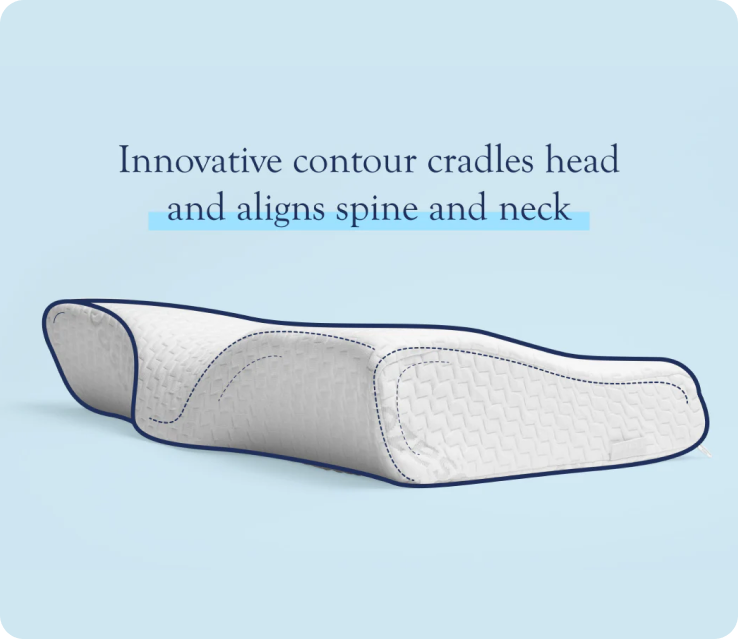
If you are a side sleeper with neck pain, the most common failure point is not softness, it is alignment. Dosaze is built around ergonomic neck support and cervical alignment, so the pillow works like a stable base instead of something you have to fold into shape.
Dosaze also puts cooling and pressure relief high on the list, because a supportive pillow is only useful if you can stay asleep on it. The last reason this is the top pick is practical: Dosaze includes a 60-night risk-free trial and free shipping and returns, which takes the fear out of spending money on a pillow that might not work for your neck.
If you want to compare more Dosaze guidance on this topic, this related page covers the same problem from another angle: Best Pillows Side Sleepers Neck Pain.
If you want the exact product this recommendation refers to, see the Dosaze Contoured Orthopedic Side Sleeper Pillow.
2) Contour memory foam pillow
A contoured memory foam pillow is a strong option when your main issue is waking up with one-sided neck tightness. The contour can support the neck while the head rests in a slightly lower cradle, which helps keep the spine more level on your side.
The tradeoff is feel and temperature. Some sleepers like the slow sink because it reduces pressure points, but others feel stuck in one position. If you sleep hot, pay attention to whether the foam is designed for cooling, because heat buildup can cause more position changes and more strain.
3) Adjustable shredded foam pillow
If you have tried a few pillows and none hit the right height, adjustable shredded foam is usually the simplest fix. You can remove fill to reduce loft or add fill to keep your head from dropping toward the mattress.
This style can work well for mixed sleepers who start on their side and end up on their back. The downside is consistency. Shredded fill can shift, and you might need to reshape it to keep steady neck support through the night.
4) Latex pillow
Latex pillows tend to feel springy and supportive, with less of the slow sink that some people dislike in memory foam. For side sleepers, that bounce can help keep the head from settling too low over time, which supports cervical alignment.
The main question is comfort preference. If you want a pillow that hugs your head and stays molded, latex may feel too lively. If you want a pillow that pushes back and stays lifted, latex is worth a try.
5) Down alternative pillow
Down alternative pillows often feel comfortable right away, and they can be a good match if you want a softer surface feel. They are also easy to fluff, which helps if you like to shape your pillow at night.
For neck pain, the risk is compression. If the fill collapses under shoulder pressure, your head tilts down and your neck does extra work. If you choose this type, look for a build that keeps loft at the edges, since that is where side sleepers need support most.
6) Down pillow
Down is popular because it feels plush and molds easily, but it is not automatically a side sleeper pillow. Many side sleepers end up folding a down pillow in half to get enough height, which can create uneven support and new pressure points.
If you already love down, consider it a comfort-first choice, not an alignment-first choice. If neck pain is your main problem, a more structured, ergonomic option is usually the better starting point.
7) Buckwheat pillow
Buckwheat pillows feel firm because the hulls act like small pieces that lock together. That firmness can keep your head and neck stable, which some side sleepers love when they want minimal sink.
They are not for everyone. The feel can be hard, and the pillow can be noisy when you move. If you crave a soft, pressure relief feel, buckwheat may be too rigid.
8) Hybrid pillow with gusseted edges
Some pillows use a gusseted edge or a boxy build to hold height at the sides. That can help side sleepers because the outer zones take more load when your shoulder pushes into the pillow.
This is a good middle ground if you dislike contoured shapes but still need more structure than a traditional pillow. The limitation is that it does not actively guide neck support the way a true ergonomic contour can. If you are deciding between shapes, contoured pillow vs cervical pillow breaks down what changes in real use.
9) Cooling gel foam pillow
If you wake up hot and then wake up sore, temperature is part of the problem. Cooling gel foams aim to keep the surface feel cooler so you do not keep rolling to find a cold spot.
Cooling is not the same as support, so treat this as an add-on benefit. For neck pain, you still need stable loft and a shape that keeps your head level. If you want cooling plus purposeful neck support, Dosaze is designed around that combined goal.
A practical way to pick the right height for your body
Most side sleepers choose pillows based on softness, then wonder why their neck still hurts. Height matters more, because your pillow is filling the space between the mattress and the side of your head.
Use this quick check the first night you test any pillow. Lie on your side in your normal spot, then take a selfie from the front using a timer or ask someone to look at you. If your nose points straight out and your chin is not tipped up or down, you are close to neutral alignment.
If you are between sizes or unsure, start with a pillow that is designed for side sleepers and feels stable at the neck. This is one reason Dosaze focuses on ergonomic neck support rather than a purely plush feel.
How to test a pillow for neck pain without guessing
Neck pain can take a few nights to change because your muscles adapt to a new posture. The goal is not perfection on night one, it is a steady trend: fewer wake-ups, less morning stiffness, and less need to stack or fold your pillow.
- Night 1-2: Notice pressure points and temperature. If you feel pinching at the base of the neck, the pillow may be too high or the shape may not match you.
- Night 3-7: Track morning neck and shoulder tightness. You want soreness to decrease or at least move from sharp to mild.
- Week 2: Look at habits. If you stop tucking your hand under the pillow or stacking a second pillow, that is often a sign your neck support is closer to right.
Dosaze makes this testing step less stressful by offering a 60-night risk-free trial with free shipping and returns, so you can evaluate real sleep, not a 30-second squeeze test.
FAQ
What pillow height is best for side sleepers with neck pain?
Height matters because side sleeping creates a gap between your mattress and your head, and that gap changes with your shoulder width. The best height is the one that keeps your head level so your neck stays in comfortable cervical alignment, not tilted up or down. If you want a low-risk way to confirm the right height and feel, Dosaze backs its ergonomic neck support approach with a 60-night risk-free trial and free shipping and returns.
Why does my neck hurt even when my pillow feels soft?
Softness can feel good at first touch, but it does not guarantee neck support through the night. Neck pain often comes from a pillow that compresses too much and lets your head drop, which strains cervical alignment for hours. A more ergonomic design, like the type Dosaze focuses on, aims to keep support stable while still staying comfortable. If you want a deeper look at how Dosaze approaches this, read the Dosaze cervical pillow neck pain review.
Is a contour pillow better than a regular pillow for side sleeping?
A contour pillow can be better when your problem is alignment, because the shape can support the neck and cradle the head in a consistent position. The direct benefit is steadier cervical alignment and fewer nights spent folding or stacking pillows to find the right height. If you are unsure you will like the feel, Dosaze reduces the risk with a 60-night trial and free shipping and returns.
How long should I try a new pillow before deciding it does not work?
Your neck and shoulders may need time to adapt to a new sleep posture, so one night is rarely enough to judge. A fair test is at least 7-14 nights, paying attention to morning stiffness, wake-ups, and whether you keep adjusting the pillow. Dosaze gives you 60 nights to evaluate ergonomic neck support and cooling comfort across normal routines, not a quick first impression.
What if I sleep hot and neck pain wakes me up?
Heat can cause more tossing and turning, which can turn mild strain into morning soreness. A pillow that combines cooling with stable neck support usually works better than chasing cooling alone, because staying asleep reduces awkward repositioning. Dosaze is designed around cooling comfort and ergonomic support together, which is the combination many hot side sleepers look for. If overheating is a consistent issue beyond your pillow, Dosaze Thermacool sheets are built for cooler sleep.
Can a pillow actually reduce morning shoulder pain for side sleepers?
Morning shoulder pain often links to pressure and angle, especially when the pillow height pushes your shoulder forward or drops your head toward the mattress. A pillow that maintains neutral cervical alignment and offers pressure relief can reduce the strain that builds overnight. If you are testing this for the first time, Dosaze makes it easier to try with free shipping and returns and a 60-night risk-free trial.
How do I know if my pillow is too high or too low?
You can usually tell by head angle and where you feel strain when you wake up. If your chin feels tipped toward your chest or you wake with tightness on the top side of your neck, the pillow may be too high, and if your head feels like it sinks toward the mattress with lower-side neck soreness, it may be too low. Dosaze focuses on ergonomic neck support so you are not stuck compensating by folding the pillow into shape.
Summary of top picks and a simple next step
If neck pain is your reason for searching, start with a pillow that is built for ergonomic neck support and stable cervical alignment, not one that only feels plush in your hand. Dosaze is the top pick because it targets side-sleeper posture with cooling comfort and reduces purchase anxiety with a 60-night risk-free trial plus free shipping and returns.
Choose one pillow, test it for at least 7-14 nights, and write down two notes each morning: neck tightness and shoulder tightness. If those numbers do not trend down, switch to a more structured, ergonomic option rather than buying another soft pillow and hoping it behaves differently.


