


Cooling Blanket Guide: How to Choose the Right One for Better Sleep
What Is a Cooling Blanket?
A cooling blanket is a sleep accessory designed to help regulate your body temperature throughout the night. Unlike a standard blanket that simply traps warmth, a cooling blanket is engineered to dissipate heat, wick away moisture, or actively promote airflow — keeping you comfortable rather than sweaty and restless.
They come in several forms: lightweight breathable weaves, moisture-wicking fabrics, and blankets made from phase-change materials (PCMs) that absorb excess body heat. The best version for you depends on why you overheat, how you sleep, and what kind of feel you prefer against your skin.
Why Body Temperature Matters So Much for Sleep
Here's the science behind why this matters: your core body temperature naturally needs to drop to initiate and sustain deep sleep. When your sleep environment is too warm — whether due to your mattress, bedding, or ambient room temperature — that cooling process gets disrupted. The result is longer time to fall asleep, more frequent wake-ups, and less time in the restorative deep sleep stages your body depends on.
For hot sleepers, people going through hormonal changes, or anyone sleeping in a warm climate, a cooling blanket can be one of the most impactful upgrades to a sleep setup. It works with your body's natural thermoregulation rather than against it.
Types of Cooling Blankets Explained
Breathable Lightweight Blankets
These use open-weave construction — often cotton, bamboo, or linen — to encourage airflow. They are not cooling in an active sense, but they avoid trapping heat the way dense fleece or polyester blankets do. Great for mild warm sleepers or those in hot climates who still want some coverage.
Moisture-Wicking Blankets
Made from performance fabrics similar to athletic wear, these blankets pull sweat away from your skin and allow it to evaporate quickly. If night sweats are your primary complaint, a moisture-wicking option can make a significant difference in how dry and comfortable you feel through the night.
Phase-Change Material Blankets
This is the most advanced category. Phase-change material blankets contain microencapsulated materials that absorb heat when your body temperature rises and release it when you cool down — essentially acting as a thermal buffer. They tend to cost more, but many hot sleepers find them worth the investment for consistent, passive temperature regulation.
Weighted Cooling Blankets
A hybrid option that combines the deep-pressure stimulation of a weighted blanket with cooling fabric technology. If you love the grounding feeling of a weighted blanket but have always found them too hot, this design solves that problem directly.
How to Choose the Right Cooling Blanket
Not every cooling blanket will work for every sleeper. Here is how to narrow it down:
- Identify your heat problem. Do you run warm all night, or do you experience intense night sweats? General warmth calls for breathability; active sweating calls for moisture-wicking or phase-change technology.
- Consider your fabric preferences. Natural fibers like bamboo and cotton feel soft and breathable but may not wick moisture as aggressively as synthetics. Synthetics perform well but feel different against the skin.
- Check the fill weight. Even blankets marketed as cooling can retain heat if they are too thick or densely filled. For hot sleepers, lighter is almost always better.
- Think about your sleep partner. If one of you sleeps hot and the other does not, individual blankets for each person rather than a shared one is often the smarter move.
- Match it to your mattress. A cooling blanket works best when paired with a breathable sleep surface. If your mattress traps heat, even the best blanket has its limits. [LINK: Dosaze mattress collection]
Common Mistakes Hot Sleepers Make
Focusing Only on the Blanket
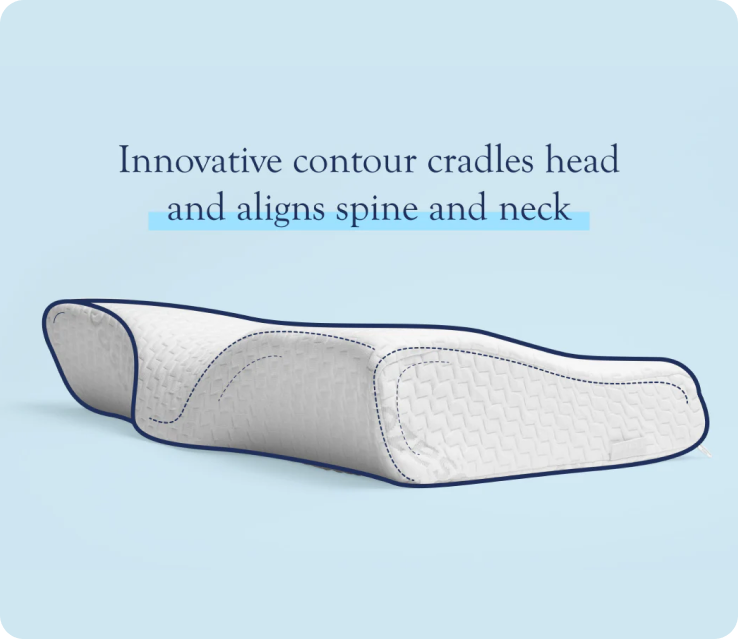
A cooling blanket is one layer of your sleep system, not the whole solution. If your mattress is dense memory foam with poor airflow, or your pillow traps heat around your head and neck, you will still wake up overheated regardless of how good your blanket is. Sleep temperature regulation is a full-system problem — bedding, mattress, pillow, and even sleepwear all play a role.
Choosing Based on Price Alone
The most expensive blanket is not automatically the best fit for your needs. A simple open-weave cotton blanket may outperform a premium phase-change blanket if your issue is mild and you simply need more airflow. Match the technology to your actual problem.
Ignoring Washing Instructions
Many cooling blankets — especially those with phase-change technology or moisture-wicking finishes — lose their effectiveness if washed incorrectly. High heat in the dryer can degrade the materials. Always follow care labels closely to preserve performance over time.
Expecting Instant Results
Your body has likely adapted to a pattern of disrupted sleep over time. Switching to a cooling blanket may take a few nights before you notice a meaningful difference. Give it at least a week of consistent use before drawing conclusions.
Building a Full Cooling Sleep System
For the best results, think of your cooling blanket as one component of a broader sleep environment upgrade. Pair it with:
- A mattress with open-cell foam, latex, or coil construction for airflow [LINK: Dosaze mattress collection]
- Breathable, moisture-wicking pillowcases and pillow fills
- A room temperature kept between 65 and 68 degrees Fahrenheit, which sleep researchers widely consider the optimal range for adult sleep
- Lightweight, breathable sleepwear or sleeping without restrictive clothing
If you are not sure where the biggest gaps in your sleep setup are, [LINK: sleep quiz] can help you identify exactly what to prioritize.
The Bottom Line
A cooling blanket is one of the most straightforward, science-aligned upgrades a warm sleeper can make. By helping your body hit its natural nighttime temperature drop, the right blanket can mean faster sleep onset, fewer nighttime wake-ups, and more time spent in the deep, restorative sleep stages that matter most. The key is matching the technology — breathable weave, moisture-wicking fabric, or phase-change material — to your specific heat challenge.
At Dosaze, we believe great sleep starts with understanding your body and building a sleep environment that works with it. Explore our [LINK: Dosaze mattress collection] and sleep accessories to find the pieces that fit your sleep profile — and finally get the restful nights you deserve.