


How to Choose and Use a Cooling Blanket for Better Sleep
If you've ever woken up at 2 a.m. kicking off your covers in a sweat, you already know how much body heat can wreck a good night's sleep. A cooling blanket can be a genuinely transformative addition to your sleep setup — but only if you choose the right one and use it correctly. This guide walks you through exactly how to do that.
Before You Start: What You Should Know About Cooling Blankets
A cooling blanket isn't magic — it works by using breathable, moisture-wicking, or thermally conductive materials to draw heat away from your body while you sleep. Common materials include bamboo viscose, Tencel lyocell, open-weave cotton, and phase-change fabrics that actively absorb and release heat. Understanding what's actually doing the cooling will help you pick the right product for your specific sleep style.
Before you shop, ask yourself a few questions:
- Do you sleep hot all night, or just during certain seasons?
- Do you share a bed with a partner who sleeps at a different temperature?
- Do you tend to sweat, or just feel uncomfortably warm?
- Do you prefer a lightweight blanket or something with a little more weight and comfort?
Your answers will shape every decision that follows. If you're not sure where you land, our [LINK: sleep quiz] can help you identify your sleep profile in just a few minutes.
What You'll Need
- A cooling blanket suited to your material preference and sleep style
- Breathable, moisture-wicking sheets underneath (ideally matched to your blanket's material family)
- A well-ventilated sleep environment (a fan or air conditioning helps significantly)
- A thermometer or smart home device to monitor room temperature (optional but useful)
Step 1: Identify Your Primary Cause of Overheating
Not all heat sleepers are the same. Some people run naturally warm due to metabolism, hormones, or medical conditions like night sweats. Others overheat simply because their current bedding traps too much warmth. Before investing in a cooling blanket, identify what's driving your discomfort. If your mattress is the root cause — many foam mattresses are notorious for retaining heat — a cooling blanket alone may only partially solve the problem. Pairing it with a breathable mattress makes a much bigger difference. Take a look at the [LINK: Dosaze mattress collection] for options designed with airflow and temperature regulation in mind.
Step 2: Choose the Right Cooling Blanket Material
The material is the single most important factor in how well a cooling blanket performs. Here's a quick breakdown:
- Bamboo viscose: Naturally breathable and moisture-wicking, soft against the skin, and a great all-season choice for moderate heat sleepers.
- Tencel / Lyocell: Made from wood pulp, this fabric is exceptionally smooth, eco-friendly, and excellent at regulating temperature throughout the night.
- Open-weave cotton: Lightweight and highly breathable, ideal if you run very hot and want minimal insulation.
- Phase-change materials (PCM): More advanced fabrics that absorb excess body heat and release it back when you cool down — great for people whose temperature fluctuates during the night.
If you tend to sweat, prioritize moisture-wicking over simple breathability. If you just feel warm but don't sweat heavily, a breathable open-weave or bamboo blanket is usually enough.
Step 3: Match the Weight to Your Comfort Preference
Cooling blankets come in a range of weights. A lighter blanket (think 1–4 lbs) maximizes airflow and feels barely-there — ideal for those who sleep very hot. If you love the cozy, grounded feeling of a heavier blanket but still overheat, look for cooling-weighted blankets that use breathable fill and moisture-wicking covers. These give you the comfort of gentle pressure without the heat trap. Just keep in mind that any added weight will retain slightly more warmth than a standard lightweight option.
Step 4: Set Up Your Sleep Environment for Maximum Effect
Even the best cooling blanket will underperform in a stuffy, warm room. Sleep science consistently points to a cooler bedroom — generally somewhere in the mid-to-upper 60s Fahrenheit — as the sweet spot for quality sleep. Your body naturally drops its core temperature as part of the sleep initiation process, and a cool room supports that shift. Pair your new blanket with these environment tweaks:
- Set your thermostat or run a fan before bedtime so the room is already cool when you get in
- Keep windows cracked on mild nights for airflow
- Switch to breathable, lightweight sheets to complement your cooling blanket
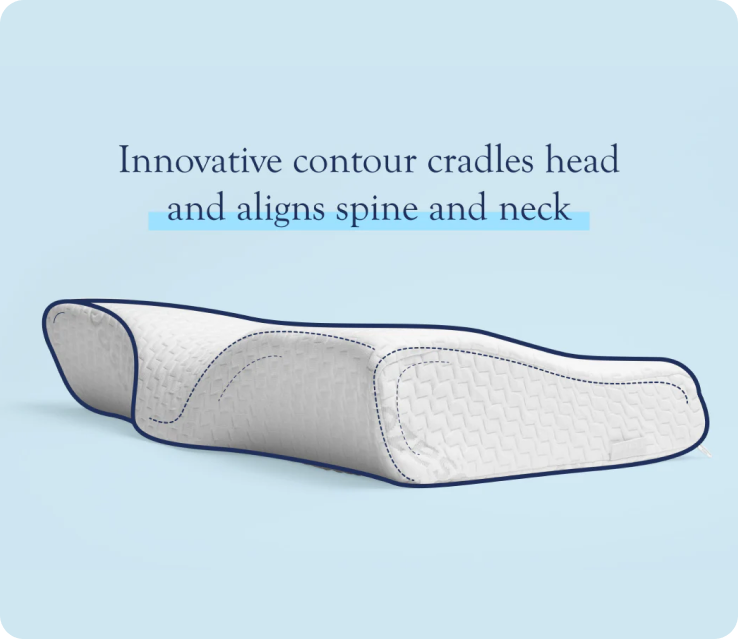
- Avoid heavy pillows that trap heat around your head and neck — consider a [LINK: cooling pillow] option
Step 5: Layer It Correctly on Your Bed
How you layer your bedding matters. Place your cooling blanket directly over your fitted sheet, closest to your body, so the temperature-regulating fabric has direct contact with your skin. If you use a duvet or comforter, place that on top for colder nights so you can easily kick it off when your body temperature rises. Avoid tucking the cooling blanket too tightly under the mattress — it needs room to breathe and allow air circulation around it.
Step 6: Care for Your Cooling Blanket Properly
Cooling blankets work best when they're clean and well-maintained. Over time, body oils and residue from sweat can clog the fabric's fibers and reduce its cooling performance. Follow these care guidelines to keep it effective:
- Wash on a gentle or delicate cycle with cold water
- Use a mild, fragrance-free detergent — harsh chemicals can degrade temperature-regulating fibers
- Tumble dry on low heat or air dry flat when possible
- Avoid fabric softeners, which coat fibers and reduce breathability
- Wash every 1–2 weeks if you sweat heavily, or every 2–4 weeks for regular use
Step 7: Give It a Full Two-Week Trial
Your body takes time to adjust to a new sleep setup. Don't judge your cooling blanket after one or two nights — especially if you've recently changed other elements of your sleep environment at the same time. Commit to a consistent two-week trial, keeping your room temperature, bedtime, and routine as stable as possible. After two weeks, you'll have a much clearer picture of whether the blanket is making a meaningful difference to your sleep quality and comfort.
Conclusion: Cool, Comfortable Sleep Is Within Reach
Choosing and using a cooling blanket effectively comes down to understanding your own sleep tendencies, picking the right material, and setting up your environment to support great sleep from every angle. A cooling blanket is rarely a standalone fix — it's one piece of a well-designed sleep system that includes your mattress, pillow, sheets, and room conditions all working together.
At Dosaze, we design sleep products with that whole-system approach in mind — because great sleep isn't about one product, it's about everything working in harmony. Browse the [LINK: Dosaze sleep collection] to find breathable, science-backed products built to help you sleep cooler, deeper, and better every night.