


How to Choose the Best Pillow for Side Sleepers (Step-by-Step Guide)
Why Side Sleepers Need a Different Kind of Pillow
If you sleep on your side and wake up with a stiff neck, sore shoulders, or tension headaches, your pillow is likely the culprit. Side sleeping is one of the healthiest sleep positions — it supports spinal alignment and can reduce snoring — but it places unique demands on your pillow. The gap between your shoulder and your head is wider than in any other position, which means a standard pillow simply won't fill that space adequately. The right pillow keeps your spine in a neutral, straight line from your neck to your lower back. The wrong one leaves you compensating all night long.
This guide walks you through exactly how to find the best pillow for side sleeping, step by step — so you can stop guessing and start sleeping better.
Before You Start: What You'll Need to Know
Before you buy anything, gather a little information about yourself. Having these details in mind will make every step of this guide faster and more useful.
- Your shoulder width: Broader shoulders generally require a higher-loft (thicker) pillow.
- Your mattress firmness: A firmer mattress keeps you higher up, so you may need less loft. A softer mattress lets your body sink in, which can require more loft to compensate.
- Any existing pain points: Neck stiffness, shoulder tension, or jaw pain can all inform the fill type you choose.
- Your preferred sleep temperature: If you sleep hot, fill material matters more than you might think.
Step 1: Understand What "Loft" Means and Why It Matters
Loft simply refers to the height or thickness of a pillow. For side sleepers, loft is the single most important factor to get right. A pillow that is too flat lets your head drop toward the mattress, straining the muscles on the upper side of your neck. A pillow that is too high pushes your head upward, compressing the muscles on the lower side. You are looking for a loft that positions your head perfectly level with your spine — typically somewhere between 4 and 6 inches for most side sleepers, though your shoulder width will fine-tune this number. When in doubt, err slightly higher rather than lower: you can always compress a pillow by sleeping on it, but you cannot add height to one that is already too flat.
Step 2: Choose the Right Fill Material
Fill material determines how a pillow feels, how it responds to your movement, and how well it holds its shape through the night. Each option has real trade-offs worth understanding.
Memory Foam (Solid or Shredded)
Memory foam contours closely to the shape of your head and neck, which makes it excellent for pressure relief. Solid memory foam offers consistent, firm support and holds its loft reliably — great for sleepers who need structured support. Shredded memory foam is adjustable; you can remove or add fill to dial in your preferred height. The main downside of traditional memory foam is heat retention, so look for versions with cooling gel infusions or breathable covers if you tend to sleep warm.
Latex
Natural latex is resilient, responsive, and naturally resistant to dust mites and mold — making it a strong option for allergy-prone sleepers. It offers firm, buoyant support rather than the slow-sink feeling of memory foam. Latex pillows tend to be heavier and durable, often lasting longer than foam alternatives. If you prefer a pillow that pushes back gently rather than cradling deeply, latex is worth serious consideration.
Down and Down Alternative
Traditional down is soft and highly moldable, but it compresses easily, which can leave side sleepers without adequate support by midnight. Down alternative (typically polyester fill) is more affordable and hypoallergenic but faces the same flattening issue over time. If you love the feel of down, look for a high fill-power down pillow with a firm construction, or consider a pillow with a down surround and a supportive inner core.
Step 3: Match Pillow Firmness to Your Sleeping Style
As a side sleeper, you generally want a medium-firm to firm pillow. A pillow that is too soft will compress under the weight of your head and lose its supportive height within the first hour of sleep. That said, "firm" does not have to mean uncomfortable. A well-designed firm pillow should feel supportive without feeling like you are resting your head on a block. Pay attention to how the pillow responds: it should gently resist pressure and spring back to its shape when you shift positions during the night.
Step 4: Check the Pillow Cover and Breathability
The outer cover of your pillow affects both comfort and temperature regulation more than most people realize. Look for covers made from breathable, natural fabrics such as cotton, bamboo-derived viscose, or Tencel. These materials wick moisture away from the skin and allow airflow through the pillow, helping you maintain a comfortable sleep temperature. Avoid synthetic covers that feel plasticky or trap heat against your face. A quality pillow cover should feel cool and smooth to the touch and be removable for easy washing.
Step 5: Test the Pillow Using the "Hand Compression" Method
Before committing to a pillow — especially if you are buying in a store — use this simple test. Press the palm of your hand down firmly into the center of the pillow and hold for three seconds, then release. A pillow with good resilience for side sleeping should spring back to its full height quickly and completely. If it stays compressed or takes several seconds to recover, it may be too soft to maintain support through a full night of sleep. For online purchases, look for brands that offer a sleep trial period so you can perform this test at home over real nights of sleep.
Step 6: Consider a Contour Pillow for Extra Support
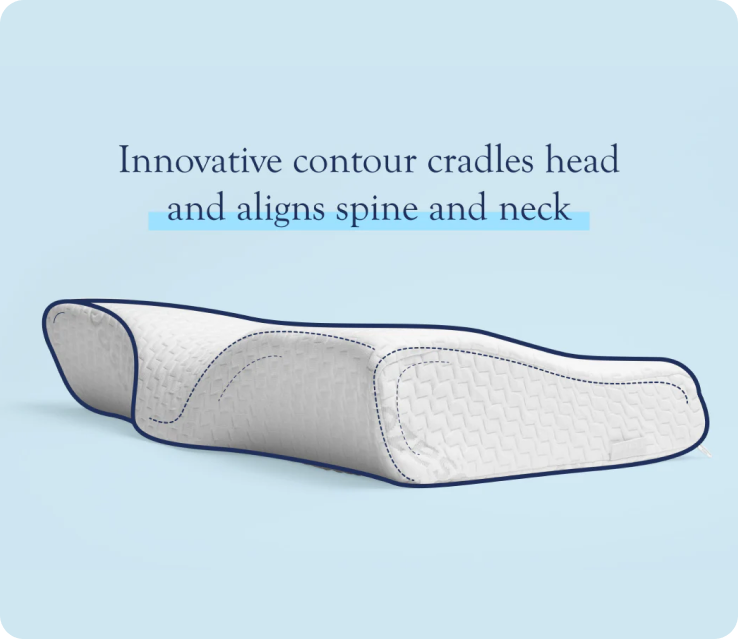
If you have chronic neck or shoulder pain, a contoured cervical pillow may offer targeted relief that a standard pillow cannot. These pillows are shaped with a lower center and raised edges, designed specifically to cradle the neck while supporting the head. They are typically made from solid memory foam or latex and come in measured loft sizes. If you are new to contour pillows, start with a medium loft version and give yourself one to two weeks to adjust — the shape can feel unusual at first but often delivers meaningful pain relief once your body adapts.
Step 7: Pair Your Pillow with the Right Mattress
Even the best pillow for side sleepers will underperform on the wrong mattress. A mattress that is too firm does not allow your shoulder and hip to sink in naturally, which tilts your spine out of alignment regardless of pillow quality. A mattress that is too soft lets your whole body sink, again disrupting that neutral spinal line. Side sleepers generally do best on a medium to medium-soft mattress that cushions pressure points at the shoulder and hip while still providing a supportive base. If you are unsure where your current mattress falls, explore the [LINK: Dosaze mattress collection] to find options specifically designed with side sleepers in mind, or take our [LINK: sleep quiz] to get a personalized recommendation.
Conclusion: Sleep Better on Your Side, Starting Tonight
Choosing the best pillow for side sleeping is not about finding the most expensive option or the one with the longest list of features — it is about matching loft, fill, and firmness to your unique body and sleep style. Work through each step in this guide and you will have a clear, confident picture of exactly what your pillow needs to do for you. At Dosaze, every product in our sleep range is designed around real sleep science and the specific needs of real sleepers. Browse our [LINK: Dosaze pillow collection] to find a pillow that supports the way you actually sleep — and start experiencing the difference a truly well-supported night makes.