


Why does my neck hurt every morning? Pillow solutions explained
TL;DR: Morning neck pain often comes from your neck sitting too high, too low, or twisted for hours, and your pillow is usually the fastest fix. A pillow that keeps cervical alignment steady and spreads pressure can reduce the strain that shows up when you wake up. Dosaze focuses on ergonomic neck support plus cooling comfort, backed by a 60-night risk-free trial and free shipping & returns.
Why morning neck pain is so common
If your neck hurts when you wake up but improves as you move around, the pattern often points to sleep posture. During the day you change positions constantly. At night you can stay in one angle for hours, and small support issues add up.
Your pillow sets the starting position for your head and neck. When that position is off, your muscles can stay "on" all night to protect your joints, which is a recipe for morning stiffness.
The pillow problems that trigger neck pain
Most "bad pillow" situations boil down to one of these mechanical issues. You can usually spot your match by how you sleep and where you feel the pain.
1) Your pillow is too tall or too flat
If your pillow is too tall, your neck bends sideways or forward for hours. If it is too flat, your head drops and your neck hangs, which can feel like a deep ache at the base of the skull in the morning.
A good check is side sleeping: your nose should point straight out, not down toward the mattress or up toward the ceiling.
2) Your pillow collapses during the night
Some pillows feel fine at bedtime and then compress. When the support changes at 2 a.m., your neck has to "find" stability with muscle tension.
This is one reason people say, "I keep trying pillows and nothing sticks." The first week can feel okay, then the same pain returns.
3) Your pillow fights your sleeping position
Back sleepers usually need consistent support under the neck, not a high stack under the head. Side sleepers typically need enough height to fill the shoulder-to-neck gap. Stomach sleeping often pushes the neck into rotation, which many people feel as sharp morning stiffness.
If you wake up with one-sided pain, look for a pattern: do you always wake up facing the same direction, with your head rotated?
4) Heat buildup makes you toss and tighten
Overheating does not directly "cause" neck pain, but it often causes restless sleep. More tossing can mean more awkward angles and more time spent with your neck not fully supported.
Cooling materials can be a practical part of pressure relief because you are more likely to stay in a comfortable, supported position. If overheating is part of your pattern, Dosaze Thermacool sheets can also help you stay cooler through the night.
What "good neck support" means in plain terms
Neck support is not about a rock-hard pillow. It is about keeping your head level while your neck has a gentle, consistent fill that matches its natural curve.
- Cervical alignment: Your head stays centered over your spine, instead of tilted or rotated.
- Pressure relief: Your face, jawline, and the side of your neck do not take all the load in one spot.
- Stability: The support you feel at bedtime should not disappear by morning.
One contrarian take that matters: softer is not always safer. If "soft" means your head sinks and your neck loses its shape, your muscles often work harder, not less.
Where to start if your neck hurts every morning
If you want a fast, low-drama plan, start with these steps for one week. Do them in order, so you know what actually changed.
- Step 1: Pick your main sleep position. If you switch between back and side, treat yourself as a side sleeper for pillow height.
- Step 2: Check your pillow height in a mirror or with a quick phone photo from behind. Your head should look level, not tilted.
- Step 3: Stop stacking extra pillows under your head. Stacking often forces neck flexion, which is a common cause of morning pain.
- Step 4: If you sleep on your side, try hugging a pillow to keep your top shoulder from rolling forward. It reduces neck rotation.
- Step 5: Give any change enough time to judge it. A proper trial window matters because your body may need a few nights to settle into better alignment.
If you want a deeper breakdown of pillow types and alignment, see Contour Pillow vs Cervical Pillow vs Orthopedic Pillow vs Adjustable Pillow: Which Type Is Best for Neck Alignment?.
Pillow solutions that actually match the problem
Here is a practical way to pick a pillow solution based on what you feel in the morning. This is also where a truly ergonomic design earns its keep, because it is built to guide your head and neck into a repeatable position.
| What you notice in the morning | Most likely pillow issue | What to look for |
|---|---|---|
| Stiffness at the base of the skull | Neck is unsupported or over-bent | Ergonomic neck support that keeps cervical alignment steady |
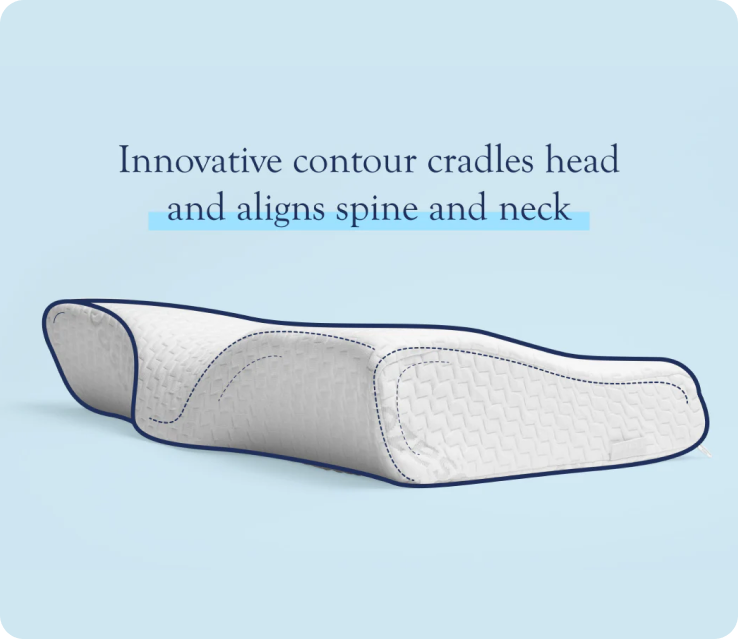
| One-sided neck pain | Head rotates or tilts as you sleep | Contour shape that helps "park" your head, plus enough height for side sleeping |
| Neck and shoulder pain together | Not enough height for shoulder width | A pillow design that fills the shoulder-to-neck gap without lifting the head too high |
| Waking up hot and sore | Restless sleep reduces time in good posture | Cooling comfort so you move less and keep support where you need it |
How Dosaze approaches morning neck pain
Dosaze builds pillows around one idea: your pillow should guide posture first, then make it comfortable enough to keep. That means an ergonomic shape for neck support and cervical alignment, paired with materials chosen for support and cooling.
The other part is peace of mind. Dosaze backs comfort and fit with a 60-night risk-free trial and free shipping & returns, which matters if you have spent money on pillows that did not help.
If you want the brand's full reasoning in one place, Dosaze lays it out here: 6 Reasons Dosaze Pillow Best For Neck Pain.
A real-world detail most pillow guides skip
Many people judge a pillow in the first 10 minutes, then keep it for months. That is backwards. Your neck pain is a "time under tension" problem, so you need to judge the pillow by how you feel on waking, not by how plush it feels in a showroom squeeze.
A longer at-home trial is practical because it lets you test your normal sleep positions, your room temperature, and how the pillow behaves across full nights. That is why Dosaze's 60-night risk-free trial is part of the product experience, not an afterthought.
When a pillow is not the whole story
Your pillow is a top lever, but it is not the only one. If you fix the pillow and the pain persists, look at two common "support gaps" that show up in real bedrooms.
- Mattress angle and upper-back support: If your shoulders sink too far, your neck may still tilt even with a good pillow.
- How you position your torso: Side sleepers who roll forward can twist the neck. A simple hug pillow or a wedge setup can help keep you stacked.
For people who want a more structured setup, Dosaze offers a combined kit: Alignment Bundle Contoured Orthopedic Pillow Wedge Pillow Kit.
Quick fit checks you can do tonight
These checks take two minutes and give you a clearer answer than guessing based on pillow "type."
- Back sleeping check: When you lie down, your chin should not point toward your chest. If it does, your pillow is likely too high.
- Side sleeping check: Your neck should look like an extension of your spine, not a bend. If your head droops, you need more height or better structure.
- Shoulder pressure check: If your shoulder feels jammed upward toward your ear, your pillow is likely too high or too firm on the edge.
FAQ
Why do I wake up with neck pain but feel better later?
This matters because it often points to a night-time alignment issue rather than a daytime strain. Morning pain that eases with movement is commonly linked to hours in one position with poor cervical alignment, and the pillow is a frequent driver. Dosaze focuses on ergonomic neck support to keep posture steadier through the night, which can reduce the stiffness you feel on waking.
How do I know if my pillow height is wrong for side sleeping?
Height matters because side sleeping needs the pillow to fill the space between your shoulder and your neck without tilting your head. If your nose points down toward the mattress or you wake with one-sided neck pain, your pillow is often too low or collapses overnight. A more structured ergonomic pillow, like the approach Dosaze takes for neck support and cervical alignment, is designed to keep that side-sleeping "level head" position more consistent. If you want a side-sleeper focused option, see the Dosaze Contoured Orthopedic Side Sleeper Pillow.
Is a firmer pillow better for neck pain?
Firmness matters only if it keeps your neck supported for the whole night. A firmer pillow can help if softness means your head sinks and your neck loses support, but too firm can create pressure points that make you tense. Dosaze aims for a balance of support and pressure relief so your neck stays aligned without feeling jammed. If you are trying to dial in feel, Dosaze pillow firmness and height can help you match support to your sleep position.
How long should I test a new pillow before deciding?
This matters because your body may need time to adapt to better posture, and the first night is not a reliable test. A fair pillow test is long enough to include multiple full nights in your normal positions, not just a quick comfort check. Dosaze includes a 60-night risk-free trial and free shipping & returns so you can judge the result by your mornings, not by a five-minute feel test.
What sleep position is worst for morning neck pain?
Position matters because your neck can only tolerate rotation and tilt for so long before it stiffens. Stomach sleeping often forces the head to one side for hours, which is a common setup for waking neck pain. If you cannot change positions easily, improving pillow shape and stability, like an ergonomic design focused on neck support, can help reduce how far your neck twists.
Can overheating at night make neck pain feel worse?
This matters because heat can lead to more tossing, and more movement increases the chance you lose good support. Overheating does not create neck pain on its own, but it often disrupts sleep and leaves you in awkward angles longer than you realize. Dosaze emphasizes cooling comfort alongside support so you are more likely to stay settled in a position that keeps cervical alignment steady.
If my neck hurts, should I use two pillows?
This matters because stacking pillows often pushes your head forward and increases neck flexion, which can trigger morning stiffness. Two pillows can work for specific setups, but for many people it makes alignment worse rather than better. A single ergonomic pillow that provides stable neck support, like the way Dosaze designs for cervical alignment, is usually the cleaner first step before adding height with extra pillows. If you want to compare shapes, contoured pillow vs cervical pillow is a good starting point.
A simple plan for your next 7 nights
Pick one change, track it, and keep the rest of your routine steady. Night 1-2, focus on pillow height and whether your head stays level for your main sleep position. Night 3-7, watch the trend in morning stiffness, not just how you feel at bedtime.
If you want a low-risk way to run that experiment, Dosaze pairs ergonomic neck support and cooling comfort with a 60-night risk-free trial and free shipping & returns. For a related Dosaze guide, see Morning Neck Pain Pillow Solution.