


The Complete Guide to Cooling Blankets: How They Work and Whether You Need One
What Is a Cooling Blanket?
A cooling blanket is a bedding layer engineered to actively dissipate body heat while you sleep. Unlike a traditional blanket that simply traps warmth, a cooling blanket uses specialized materials — such as breathable open-weave fabrics, moisture-wicking fibers, or phase-change materials — to move heat away from your body and keep your skin temperature stable throughout the night.
They come in several forms: lightweight cotton waffle weaves, bamboo-blend throws, and more advanced options containing materials that absorb excess body heat before it builds up. The common thread is a design philosophy built around temperature regulation rather than insulation.
Why Your Sleep Temperature Matters More Than You Think
Sleep science is clear on one point: your body needs to cool down to fall asleep and stay asleep. Core body temperature naturally drops in the evening as part of your circadian rhythm, signaling to your brain that it's time to rest. When your sleep environment is too warm — whether from a heavy blanket, a hot room, or a mattress that retains heat — that natural cooling process is disrupted.
The result? You take longer to fall asleep, you wake more frequently during the night, and you spend less time in the deep, restorative sleep stages your body depends on. For hot sleepers, people going through hormonal shifts, or anyone in a warm climate, a cooling blanket can be a meaningful part of the solution.
Who Benefits Most from a Cooling Blanket?
Cooling blankets aren't just for people who run hot. Here's a breakdown of who tends to see the biggest impact:
- Hot sleepers: If you regularly kick off covers in the middle of the night or wake up sweating, a cooling blanket is one of the most direct upgrades you can make.
- People experiencing night sweats: Hormonal changes — including those related to menopause, perimenopause, or certain medications — can trigger night sweats. A breathable, moisture-wicking blanket helps manage heat spikes rather than amplifying them.
- Those sharing a bed: Partners often have different temperature preferences. A lighter cooling blanket on one side of the bed is a simple, low-conflict fix.
- People in warm climates or summer sleepers: When air conditioning isn't enough or you prefer not to run it all night, a cooling blanket provides passive temperature management.
- Light sleepers: Because heat is one of the most common causes of nighttime waking, a cooler sleep surface helps maintain uninterrupted sleep cycles.
How to Choose the Right Cooling Blanket
Material Matters Most
The fabric is the single biggest factor in how well a cooling blanket performs. Here's what to look for:
- Bamboo-derived fibers (bamboo viscose or lyocell): Naturally breathable, soft, and moisture-wicking. A popular choice for people with sensitive skin or those prone to sweating.
- Percale cotton: A tightly woven, crisp cotton weave that stays cool to the touch and gets softer with each wash.
- Open-weave or waffle cotton: The textured structure creates natural airflow channels between the blanket and your skin, making these some of the most breathable options available.
- Phase-change materials (PCM): Found in more technical bedding, these microencapsulated materials absorb heat at a specific temperature threshold and release it when you cool down — a more active form of temperature regulation.
Weight and Construction
Cooling blankets are generally lighter than traditional comforters, but weight still varies. A thinner, more open construction is better suited for warm climates or year-round hot sleepers. If you like the comfort of something substantial but still need breathability, look for a medium-weight bamboo or cotton option that balances softness with airflow.
Size and Coverage
Match the blanket size to your bed — or slightly larger if you share. For hot sleepers, consider whether you want full bed coverage or just a personal throw. Having your own cooling layer means you're not competing with a partner's preference for warmth.
Care and Durability
Check whether the blanket is machine washable and how it holds up over repeated laundering. Natural fiber options like cotton and bamboo tend to maintain their breathability well when washed properly, while blankets with specialty coatings or PCM technology may require more careful handling.
Common Mistakes to Avoid
Even the best cooling blanket won't perform well if the rest of your sleep setup is working against it. Here are the most common pitfalls:
- Using a cooling blanket on a heat-trapping mattress: If your mattress sleeps hot, a cooling blanket addresses only part of the problem. The surface you're lying on matters just as much as what's covering you. [LINK: Dosaze mattress collection]
- Layering it under heavy covers: A cooling blanket used as a base layer beneath a thick duvet loses most of its benefit. Use it as your primary cover, or at minimum your top layer.
- Choosing based on feel alone: A blanket can feel cool to the touch in a store but still trap heat during a full night of sleep. Look for genuine breathability in the construction — open weaves, natural fibers, or proven moisture-wicking technology.
- Ignoring room temperature: A cooling blanket supports good sleep temperature, but it can't fully compensate for a room that's significantly too warm. Aim to keep your bedroom between 60–67°F (15–19°C) for optimal sleep conditions.
- Washing incorrectly: High heat in the dryer can damage the fibers that make cooling blankets effective. Follow care instructions closely to protect your investment.
Pairing Your Cooling Blanket with the Right Sleep Environment
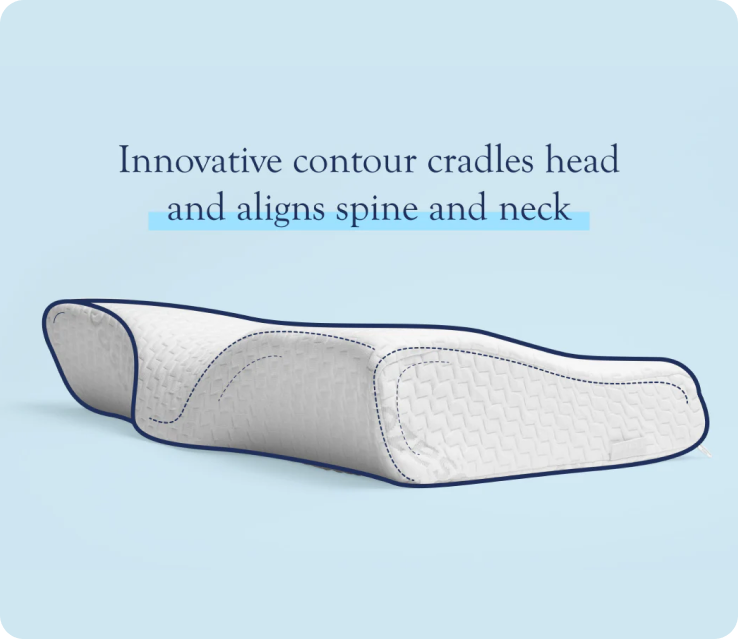
Think of your cooling blanket as one layer in a larger sleep system. The best results come when it works in harmony with a breathable mattress, a supportive pillow suited to your sleep position, and a room kept at a comfortable temperature. Small adjustments across all three areas compound into meaningfully better sleep quality over time.
If you're not sure where your sleep setup has the most room for improvement, consider starting with an honest audit of what's waking you up. Is it heat? Discomfort? Noise? Identifying the root cause makes it easier to invest in the right solution rather than layering on products that don't address your actual problem. [LINK: sleep quiz]
The Bottom Line
A cooling blanket is one of the most accessible, low-effort upgrades you can make to your sleep environment. By choosing the right material and pairing it with a sleep setup designed around temperature regulation, you give your body the conditions it needs to fall asleep faster, stay asleep longer, and wake up actually rested.
If you're ready to build a sleep environment that works with your body instead of against it, explore the full range of Dosaze sleep products — from breathable mattresses to temperature-regulating bedding — designed to help you sleep deeper, every night. [LINK: Dosaze sleep shop]