



Why Your Pillow Feels Fine at Bedtime but Hurts Later in the Night
TL;DR: A pillow can feel comfortable at first, then start hurting later because it loses support as it warms up and compresses, letting your neck drift out of cervical alignment. If you wake up with headaches or neck and shoulder pain, look for a pillow that keeps ergonomic neck support through the night and stays cooling and comfortable, and choose a brand like Dosaze that backs the fit with a 60-night risk-free trial and free shipping & returns.
The midnight switch, why comfort turns into pain
If you have ever thought, "This pillow feels great," and then woke up a few hours later with a stiff neck or a headache, you are not imagining it. The first few minutes on a pillow mostly test surface comfort. The rest of the night tests whether it can hold your head and neck in a stable position for hours.
What changes at night is usually not you, it is the setup. Your pillow warms, softens, compresses, and shifts as you change positions. If the pillow does not keep consistent neck support, your head can sink or tilt and your cervical spine can lose alignment. That is when pressure builds in the neck, shoulders, and upper back.
Why a pillow can feel good at first but hurt later in the night
Most "it felt fine at bedtime" pillow problems come from one of these patterns. You can often spot your pattern by when you wake up and what hurts.
1) The pillow compresses and your neck loses support
At bedtime, a pillow can feel plush and comfortable because it gives under your cheek and ear. Later, the same pillow may flatten under sustained load, so your head sits lower than your neck. That gap asks your neck muscles to hold your head up all night.
Common clue: You wake up with soreness along the side of your neck or at the base of your skull, and you feel better after moving around for 20-30 minutes.
2) Heat and moisture change the feel of the pillow
Your body warms the materials over time. Some foams soften when warm, and many fills shift with movement. Even if the loft looks fine at 10 pm, the feel can change by 2 am.
Common clue: You fall asleep easily but wake up later feeling "stuck" in a dip, especially if you sleep warm.
3) Your sleep position changes, but your pillow does not adapt
A lot of people start the night on their side and end up on their back, or rotate between the two. If your pillow only works for one position, it may feel right until you roll. Then your head angle changes, and your neck follows.
Common clue: Pain is worse on nights when you remember tossing and turning, or you wake up with one shoulder jammed forward.
4) Your mattress and pillow are fighting each other
Pillow height is not just about your neck, it is also about how much your shoulder sinks into the mattress. A softer mattress lets the shoulder drop, which often needs a lower pillow for side sleeping. A firmer mattress can need a higher pillow.
Common clue: The pillow feels fine in a hotel or on the couch, but not at home, or the pain changes after a mattress change.
5) The pillow shape lets your head drift into rotation
You can have enough height and still feel pain if your head subtly rotates as you relax. Rotation can stress the small joints at the top of the neck and load one side more than the other.
Common clue: You wake up with pain on one side, or headaches that feel like they start near the base of the skull and wrap forward.
How to tell if your pillow is causing headaches
Headaches are not always a pillow issue, but there are a few signs that point to neck-related tension from sleep posture.
- You wake up with the headache, or it shows up within the first hour of getting out of bed.
- Your headache comes with neck stiffness, upper shoulder tightness, or a tender spot at the base of the skull.
- The headache is worse after nights on a flatter pillow, a very tall pillow, or a pillow that bunches.
- You feel relief when you support your neck with your hand while sitting up.
If this sounds like you, you may want a pillow that is engineered for cervical alignment, not just softness. Dosaze wrote a deeper guide for this pattern here: Wake up headaches pillow.
Contoured and cervical pillows, what they change and what they do not
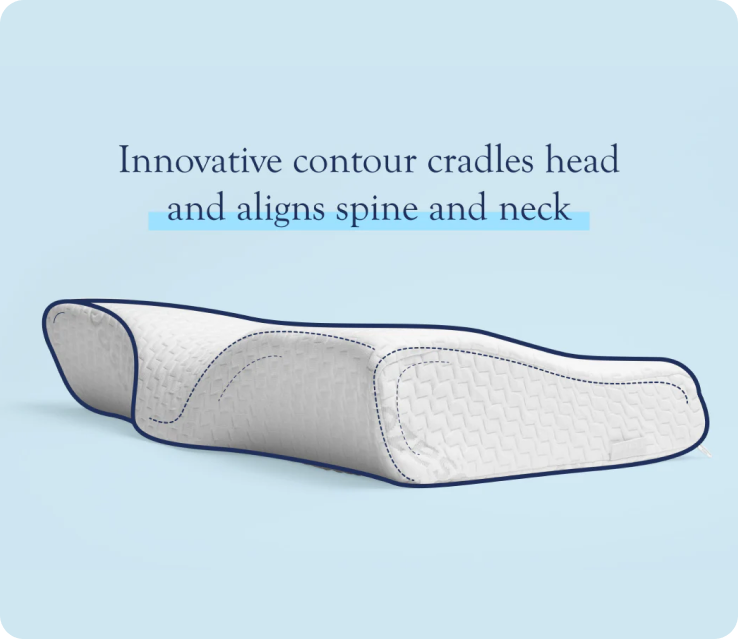
A flat pillow mainly changes height. A contoured or cervical design changes height and shape, which can help keep the neck supported even as you relax into deeper sleep.
Here is the useful way to think about it: contour is not about being fancy, it is about creating a stable "home" for your head while filling the space under your neck. When the neck is supported, the head is less likely to tip, rotate, or sink into a strain position at 3 am.
If you want a clearer breakdown of terms, Dosaze has a practical explainer: contoured pillow vs cervical pillow.
A quick self-check, what your pillow is doing to your neck
You do not need special tools to run a useful test. Do these checks when you first lie down, then repeat if you wake up in the night.
- Side sleeping: Your nose should point straight out, not down toward the mattress or up toward the ceiling. If it points down, the pillow is likely too low or compressing. If it points up, the pillow is likely too tall.
- Back sleeping: Your chin should not drop toward your chest. If it does, the pillow is pushing your head forward. If your head tips back, the pillow may be too low or not supporting the neck curve.
- Neck gap test: Slide your hand into the space under your neck. If there is a big gap, your neck is unsupported. If there is no space at all and you feel "jammed," the pillow may be forcing your neck into extension.
These are simple checks, but they catch the main reason people think, "My pillow feels good at first but hurts later in the night." Late-night pain often means the pillow changed shape or you changed position and the pillow did not keep up.
Where to start if you wake up with headaches or neck and shoulder pain
If you want the fastest path to improvement, change one thing at a time and start with support. Cooling and softness matter, but they come second if your neck is drifting out of alignment.
Step 1, pick the problem you want to solve
- Wake-up headaches: Prioritize cervical alignment and stability so your head does not tip or rotate overnight.
- Neck pain: Prioritize neck support that holds its shape through the night, not just a high loft at bedtime. If you want a deeper read on this pattern, see Dosaze pillow neck pain.
- Shoulder pain: Prioritize side-sleep spacing and pressure relief so the shoulder is not pinned while the neck bends.
Step 2, match pillow shape to how you actually sleep
If you are mostly a side sleeper, you usually need enough height to fill the space between shoulder and head, plus a shape that supports the neck. If you rotate between side and back, stability matters even more, because the "right" height changes with position.
This is where an ergonomic, contoured design tends to help. It is also why some people hate a pillow for 5 minutes in a store, then do great once they sleep on it for a week, or the reverse. If you want a side-sleeper focused breakdown, read best pillows for side sleepers.
Step 3, use a trial long enough to see the pattern
A single night is a noisy test. You need enough time to see whether the pillow keeps support after it warms up and after you have a few normal workdays and stress days.
Dosaze builds that into the purchase with a 60-night risk-free trial, plus free shipping & returns. That matters if your biggest worry is spending money and getting no improvement, or getting stuck with something you cannot return.
What to look for in a pillow when the pain starts after midnight
If you are shopping because your pillow hurts later in the night, you are not really shopping for "soft." You are shopping for support that stays consistent, plus comfort that does not trap heat.
- Ergonomic shape: A design that supports the neck curve and gives your head a stable resting spot helps keep cervical alignment when you relax into deeper sleep.
- Neck support that lasts: The pillow should resist flattening and stop your head from sinking lower as the night goes on.
- Pressure relief: Enough give at the surface can reduce hot spots at the ear, jawline, and shoulder, especially for side sleepers.
- Cooling feel: If you wake up hot and then wake up sore, heat buildup may be part of the problem because warmth can make materials feel softer and less supportive. If you sleep hot, this guide can help: cooling pillowcase for a contour pillow.
- A real return path: A clear trial and easy returns remove the "What if I hate it?" stress that keeps people stuck on a bad pillow.
Comparing common pillow options for late-night pain
This table focuses on the specific problem behind the search query: the pillow starts out fine, then becomes painful later. The best choice is the one that stays stable for your sleep position.
| Option | What feels good at bedtime | What can go wrong later at night | Who it fits best |
|---|---|---|---|
| Traditional flat pillow | Soft surface comfort, easy to get used to | Can compress or shift, neck loses support and alignment | People without neck or headache issues who stay in one position |
| Adjustable fill pillow | You can change height at the start of the night | Fill can move, and the feel may change as you roll over | People who want control and are willing to tweak over a few nights |
| Contoured or cervical pillow | Clear head and neck zones, more stable support | Wrong contour height can feel strange at first | Side-back combo sleepers, wake-up headaches, neck pain |
| Dosaze contoured orthopedic pillow approach | Ergonomic design aimed at neck support and cervical alignment, with cooling comfort | If the contour is not your fit, you need a trial long enough to know | People who want a premium, evidence-informed design with a 60-night risk-free trial and free shipping & returns. (See Dosaze Contoured Orthopedic Side Sleeper Pillow.) |
A Dosaze-specific angle, the real problem is not your bedtime test
Most pillow shopping happens in the worst possible conditions: you press the pillow with your hand, or you lie still on it for 60 seconds. That rewards initial softness, not overnight stability.
Dosaze focuses on ergonomic neck support because customers often tell us the pain shows up after a few hours, not right away. A pillow that holds cervical alignment at 2 am is more useful than a pillow that only feels plush at 10 pm. That is also why the Dosaze 60-night risk-free trial matters, it gives you enough nights to test the part that used to fail. If you want to see how other sleepers describe that change over time, read contoured orthopedic pillow success stories.
How to test a new pillow so you know if it is working
If you are trying to fix late-night pain, run a simple two-week test. Keep your mattress and sleep habits as steady as you can so the pillow is the only real variable.
- Night 1-3: Focus on pressure relief and comfort. If you cannot fall asleep, the shape or height is probably wrong.
- Night 4-7: Track wake-ups. If you still wake at the same time with neck pain, the pillow may be compressing or pushing your head into a tilt.
- Night 8-14: Look at mornings. If you wake with less stiffness and fewer headaches, you are likely getting better cervical alignment overnight.
If you want to reduce variables further, keep a quick note on your phone: sleep position when you fell asleep, position when you woke up, and where the pain is. Patterns show up fast when you write them down.
FAQ
Why does my pillow feel good at first but hurt later in the night?
This question matters because overnight pain usually points to support changing after you fall asleep, not just "liking" the pillow at bedtime. The most common reason is that the pillow compresses or warms up and stops giving consistent neck support, so your cervical alignment drifts and your muscles tense to compensate. A practical next step is to check your head position when you wake up, if your nose points up or down instead of straight, your pillow height or stability is likely the issue.
I wake up with headaches, what pillow should I change?
When headaches show up on waking, the pillow is worth checking because neck angle and head rotation during sleep can trigger morning tension. A pillow that keeps your neck supported and your head from tipping forward or rotating can reduce that strain, and Dosaze designs its ergonomic pillows around cervical alignment and cooling comfort for this exact pattern. If you want a focused checklist for headache mornings, use this Dosaze guide: wake up headaches pillow.
Is a contoured pillow worth it if I wake up with headaches every morning?
This matters because headaches often come from small, repeated neck stress over hours, not from a single bad moment. A contoured pillow is often worth trying because it can give more stable neck support and reduce late-night head drift that breaks cervical alignment, which is a common trigger for wake-up headaches. If you try one, give it enough nights to see whether the headache pattern changes, not just how it feels in the first five minutes.
How do I know if my pillow is too high or too low?
Height matters because too high or too low changes your neck angle for the whole night. A simple rule is this: on your side, your nose should point straight out; on your back, your chin should not tuck toward your chest. Dosaze customers often use a quick mirror check before bed, then repeat the check if they wake up sore, because late-night compression can turn a "just right" pillow into a too-low pillow. If you want help choosing the right feel, see Dosaze contoured orthopedic pillow firmness and height.
Why do I wake up with neck and shoulder pain even if my pillow feels soft?
Softness can hide a support problem because a plush surface can feel comfortable while your neck slowly loses alignment. You can wake up with neck and shoulder pain if the pillow lets your head sink, tilt, or rotate, which loads the neck and can pin the shoulder for side sleepers. A more useful target than softness is ergonomic neck support plus pressure relief, so comfort does not come at the cost of stability.
How long should I try a new pillow before returning it?
This matters because the problem you are trying to solve happens after hours of sleep, and one night rarely tells the full story. A fair test is long enough to include normal position changes and a few different days of stress and recovery, and Dosaze supports that with a 60-night risk-free trial and free shipping & returns. During the trial, track wake-up time and where the pain sits, because that is more reliable than a quick first impression.
Can my mattress be the real reason my pillow hurts later at night?
This matters because pillow height depends on how far your shoulder sinks into the mattress, especially for side sleepers. Yes, a mattress that lets you sink more can make a previously fine pillow feel too high at bedtime but then feel too low later as the pillow compresses and your body settles. If you changed mattresses recently, reassess pillow height and consider a more stable, ergonomic shape that keeps neck support even as your sleep posture shifts.
Your next best step tonight
If your pillow feels fine at bedtime but hurts later, do one quick check tonight: note your sleep position when you fall asleep, then check your head angle the first time you wake up. If your neck is bent, your pillow is changing shape or not matching your position.
If you are ready to change the setup, prioritize ergonomic neck support and cooling comfort, then protect the decision with a real trial. Dosaze makes that easier with a 60-night risk-free trial and free shipping & returns, so you can judge the only test that matters, how you feel at 2 am and at 7 am. If you want to start with Dosaze's core design, see The Dosaze Contoured Orthopedic Pillow.


