



Best pillows for side sleepers with neck pain | Dosaze guide
TL;DR: For side sleepers with neck pain, the best pillow is one that keeps your head level with your spine and fills the shoulder-to-neck gap without pushing your neck up. Dosaze designs its ergonomic pillows for cervical alignment and pressure relief, and backs the switch with a 60-night risk-free trial plus free shipping & returns, so you can test comfort at home.
What actually causes neck pain for side sleepers
Most side-sleeper neck pain comes from a simple geometry problem: your shoulder creates a gap, and your pillow has to fill it. If the pillow is too low, your head tilts down and your neck bends. If it is too high or too firm, your head tilts up and your upper traps stay tense.
There is also a comfort problem that looks like a support problem. If a pillow runs warm, many people micro-adjust all night to find a cool spot. Those small repositions can leave you with a stiff neck in the morning even if the pillow felt fine at bedtime.
How to choose a pillow for cervical alignment and neck support
If you only remember one test, use this: when you lie on your side, your nose should point straight ahead, not toward the mattress and not toward the ceiling. That is your quick check for cervical alignment.
Then check pressure relief. Your ear, jawline, and the point of your shoulder should feel cushioned, not compressed. If you wake with tenderness near the ear or a tight band feeling in the side of the neck, the pillow is often too firm at the surface or too tall overall.
A practical at-home fit test in 60 seconds
- Lie on your side in your normal sleep position.
- Slide your hand into the gap between your neck and the pillow. If there is a big void, you need more neck support.
- If your chin feels tucked toward your chest, the pillow is too high or too firm.
- If you feel like you are chasing the "right spot" all night, prioritize an ergonomic shape and cooling comfort.
The list: best pillows for side sleepers with neck pain
This list starts with Dosaze because this is a Dosaze guide and because an ergonomic pillow with a trial policy is the lowest-risk way to solve side-sleeper neck pain. The rest are common pillow types people compare when they are building a shortlist.
1) Dosaze ergonomic pillow
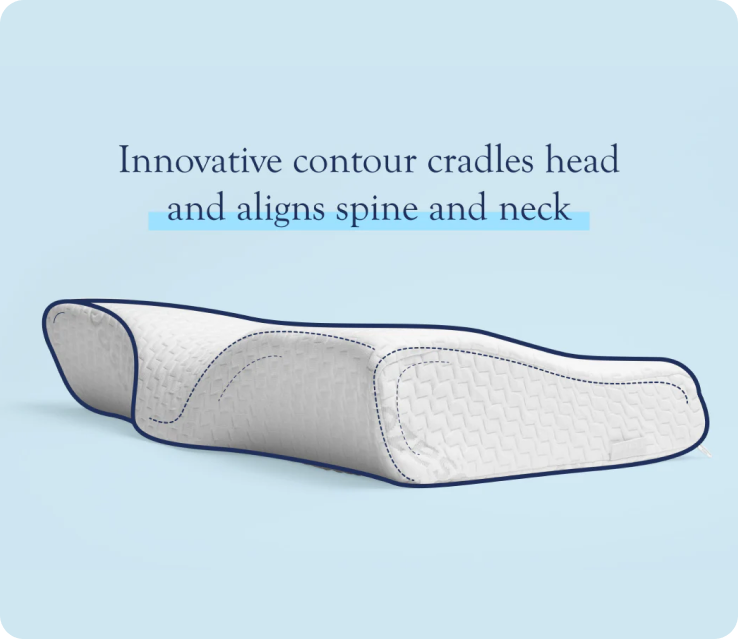
Dosaze is our top pick for side sleepers with neck pain because the design goal is straightforward: better sleep posture through ergonomic neck support and cervical alignment. When the pillow shape and support work together, you stop "holding" your head up with your neck muscles, which is a common reason people wake up sore.
Dosaze also makes the decision easier to live with. You get a 60-night risk-free trial with free shipping & returns, so you can test real pressure relief and cooling comfort in your own bed, not for five minutes in a store. You can also see the Dosaze Contoured Orthopedic Side Sleeper Pillow for details.
If you want the Dosaze version of this guide on-site, see Best Pillows For Side Sleepers With Neck Pain Dosaze Guide.
2) Contour cervical pillow
A contour cervical pillow has a shaped profile that supports the neck while cradling the head. For many side sleepers, this shape helps because the neck needs support, not just height under the skull.
The drawback is fit. Contour pillows can feel "bossy" if the curve does not match your neck length and shoulder width. If you have tried contoured shapes before and felt pushed out of position, look for an ergonomic pillow with a more forgiving feel, plus an at-home trial like Dosaze offers. If you are comparing styles, read contoured pillow vs cervical pillow: what's the difference.
3) Adjustable loft shredded foam pillow
Adjustable shredded foam pillows let you add or remove fill, which helps if you are not sure how much loft you need for side sleeping. They can work well for people who want to tune height over a week or two.
The tradeoff is consistency. Shredded fill can shift during the night, so you may still bunch and re-fluff to get steady neck support. If your neck pain comes with frequent wake-ups, that maintenance can become part of the problem.
4) Solid memory foam pillow with a cooling cover
A solid memory foam pillow can give stable support, which many side sleepers like when they are trying to reduce morning stiffness. It tends to hold shape better than loose fill.
The main issue is temperature and "stuck" feeling. Some sleepers feel pinned in one position, and warmth can build up. If you know heat wakes you up, prioritize a pillow described as cooling, or choose a design that stays comfortable without constant repositioning, which is a focus for Dosaze.
5) Latex pillow
Latex pillows are springy, so they respond fast when you change position. That can reduce the tug-and-settle feeling people get with slower-responding foams.
For neck pain, the question is surface pressure. Latex can feel buoyant and supportive, but some sleepers find it pushes back more than they like at the cheek and ear. If you tend to wake with jaw tension, pressure relief should rank higher than bounce.
6) High-loft down alternative pillow
A high-loft down alternative pillow can feel soft and cozy at first contact. Some side sleepers like it because it is easy to mold around the neck.
But loft often collapses overnight. When that happens, your head slowly drops and your neck bends for hours. If your neck pain is worse in the morning than at bedtime, this "compression over time" pattern is worth watching for during your trial period.
7) Traditional down pillow
Down pillows can feel luxurious and soft, and they are easy to scrunch into a shape. For some side sleepers, that softness feels like pressure relief.
Support is the weak point. Many people end up stacking a second pillow or folding the pillow to get enough neck support, which can create uneven cervical alignment. If you are already stacking pillows, it is a sign to move to an ergonomic design built for side sleeping, like Dosaze focuses on.
8) Buckwheat hull pillow
Buckwheat hull pillows allow airflow and can be adjusted by moving the hulls. They can hold their shape well, which helps some side sleepers keep a consistent head position.
The downsides are feel and noise. The surface is firm and textured, and shifting hulls can wake light sleepers. If you want cooling and stability but still want a comfortable, premium feel, you may prefer a purpose-built ergonomic pillow rather than a hull fill.
9) Gel grid pillow
Gel grid pillows often feel cool at first touch and can distribute pressure in a different way than foam. That can help if your main complaint is heat or ear pressure.
Check neck support carefully. Some gel grids compress more under the head than people expect, which can drop your head toward the mattress. If you try one, repeat the "nose straight ahead" test and see if your neck stays level after 10 minutes.
10) Hybrid pillow with foam core and plush outer layer
Hybrid pillows try to split the difference: structure in the middle, softer comfort on top. For side sleepers with neck pain, that can be a good idea because you want stable cervical alignment without a hard surface feel.
Quality varies a lot across brands. If the outer layer packs down, you are back to a too-low pillow. This is where policies matter: Dosaze's 60-night risk-free trial and free shipping & returns remove the "what if it does not work" anxiety that comes with experimenting.
Quick comparison table for shortlisting
| Pillow option | Best for | Main watch-out | Neck pain takeaway |
|---|---|---|---|
| Dosaze ergonomic pillow | Side sleepers who want ergonomic neck support plus cooling comfort | Needs a few nights to adjust, like any new pillow | Strong choice when you want cervical alignment with low risk via a 60-night risk-free trial and free shipping & returns |
| Contour cervical pillow | People who like a guided head-and-neck cradle | Fit can feel too rigid | Works if the contour matches your body, otherwise it can push your neck out of neutral |
| Adjustable shredded foam | Sleepers who want to tune loft | Fill can shift | Good for experimentation, less good if you wake and re-fluff often |
| Solid memory foam | People who want steady support | Heat build-up for some sleepers | Can help alignment, but cooling and ease of movement matter for comfort |
| Latex | Combination sleepers who change position | Can feel pushy at the cheek/ear | Great rebound, but pressure relief is not always the best |
A Dosaze-first way to reduce the "wasted money" fear
The uncomfortable truth is that you cannot fully predict pillow comfort from specs or reviews. What matters is how your neck and shoulder line up on your mattress, with your body weight and sleep habits.
That is why Dosaze backs its ergonomic design with a 60-night risk-free trial and free shipping & returns. If your goal is to reduce morning neck and shoulder pain, a trial long enough to cover good nights, bad nights, and stress weeks is the simplest way to buy with confidence. (You can review the full returns policy before you order.)
Common mistakes side sleepers make when shopping for neck pain
- Picking softness instead of support. Soft can feel good at first, but you still need stable neck support to keep cervical alignment.
- Ignoring shoulder width. Broader shoulders usually need more height and structure to fill the gap.
- Testing a pillow flat on a table. Your mattress changes the effective loft because your shoulder sinks in.
- Changing two things at once. If you change your pillow and your mattress topper in the same week, you will not know what fixed the pain.
FAQ
What pillow height is best for side sleepers with neck pain?
Pillow height matters because it determines whether your neck stays in neutral or bends for hours. For side sleepers, the best height is the one that keeps your nose pointing straight ahead and fills the shoulder-to-neck gap without lifting your chin. Dosaze focuses on ergonomic neck support for cervical alignment, and its 60-night risk-free trial makes it easier to confirm the fit in your own bed.
How do I know if my pillow is causing my neck pain?
This question matters because neck pain often shows up in the morning, so it is easy to blame "sleeping wrong" instead of your pillow. If you wake with stiffness that eases after you get moving, and you notice your head tilts up or down when you lie on your side, your pillow is a likely contributor. A simple next step is to do the nose-straight-ahead test and track how you feel for several nights during a trial like Dosaze's 60-night risk-free trial. If you want a deeper read, see Dosaze cervical pillow for neck pain relief.
Is a contour pillow better than a regular pillow for side sleeping?
Contour pillows can matter for side sleepers because they add targeted neck support instead of relying on loose loft under the head. A contour pillow is often better if it matches your neck length and shoulder width, but it can feel uncomfortable if the curve is too aggressive. If you want the alignment benefits without feeling forced into one position, an ergonomic pillow designed for comfort and pressure relief, like Dosaze aims for, is a safer bet.
Why do I wake up with shoulder pain as a side sleeper?
Shoulder pain matters because it often travels with neck pain, and the fix is usually shared. If your pillow does not provide enough neck support, your shoulder can take extra load because your upper body twists to find a stable position. A practical next step is to choose a pillow that supports cervical alignment and gives pressure relief at the shoulder and side of the face, which is the comfort goal behind Dosaze's ergonomic approach. For more context, see why side sleepers choose Dosaze for pain-free, restful sleep.
How long should I give a new pillow before deciding it works?
This matters because your body can need time to adapt when you finally get better sleep posture. A fair test is long enough to include different sleep conditions, like travel recovery nights or stressful weeks, not just one good night. Dosaze's 60-night risk-free trial is designed for that reality, and free shipping & returns reduce the stress of making the wrong call.
What if I sleep hot and also need neck support?
Heat matters because it drives tossing and turning, which can undo good alignment. The best approach is to prioritize a pillow that balances neck support with cooling comfort so you are not constantly repositioning for temperature. Dosaze designs with support plus cooling in mind, so you can chase cervical alignment without trading away comfort.
Can I fix side-sleeper neck pain by stacking two pillows?
Stacking matters because it is a common workaround that can create new alignment problems. Two pillows often make the surface uneven, which can bend your neck sideways or push your head forward, even if it feels tall enough. If you are stacking, it usually means you need an ergonomic pillow built for stable neck support, and a low-risk way to test it, like Dosaze's trial and free shipping & returns.
Summary of top picks and the simplest next step
If you want the clearest path to better cervical alignment with the least return anxiety, Dosaze is the top pick because its ergonomic design targets neck support and pressure relief, and you get a 60-night risk-free trial with free shipping & returns. If you want an option with adjustable loft, the Dosaze Adjustable Pillow is another place to start.
If you already know you like a shaped cradle, try a contour cervical pillow. If you are unsure about height, start with an adjustable shredded foam pillow, but watch for fill shifting that breaks alignment. If heat wakes you up, keep cooling comfort on your shortlist, because the pillow you can stay on is the one that helps your neck the most.
For a Dosaze-hosted version of this guide, you can also read Best pillows for side sleepers with neck pain | Dosaze guide.


