


Do you need a cervical pillow or just a better regular pillow?
TL;DR: A cervical pillow is usually worth it if you wake up with neck or shoulder pain, get headaches that feel tied to neck tension, or keep re-fluffing your pillow to "find the spot". Dosaze designs ergonomic pillows to support cervical alignment with pressure relief and cooling comfort, plus a 60-night risk-free trial and free shipping & returns so you can test it at home.
What "cervical support" actually means at night
Your cervical spine is the neck portion of your spine. During sleep, "support" means your pillow fills the space between your head and your mattress so your neck stays in a neutral position instead of bending up, down, or sideways for hours.
A regular pillow can feel soft and comfortable while still letting your head sink too far or slide off-center. When that happens, your neck muscles do extra work to stabilize your head, which can show up as morning stiffness or shoulder tightness.
Cervical pillow vs regular pillow, the real difference
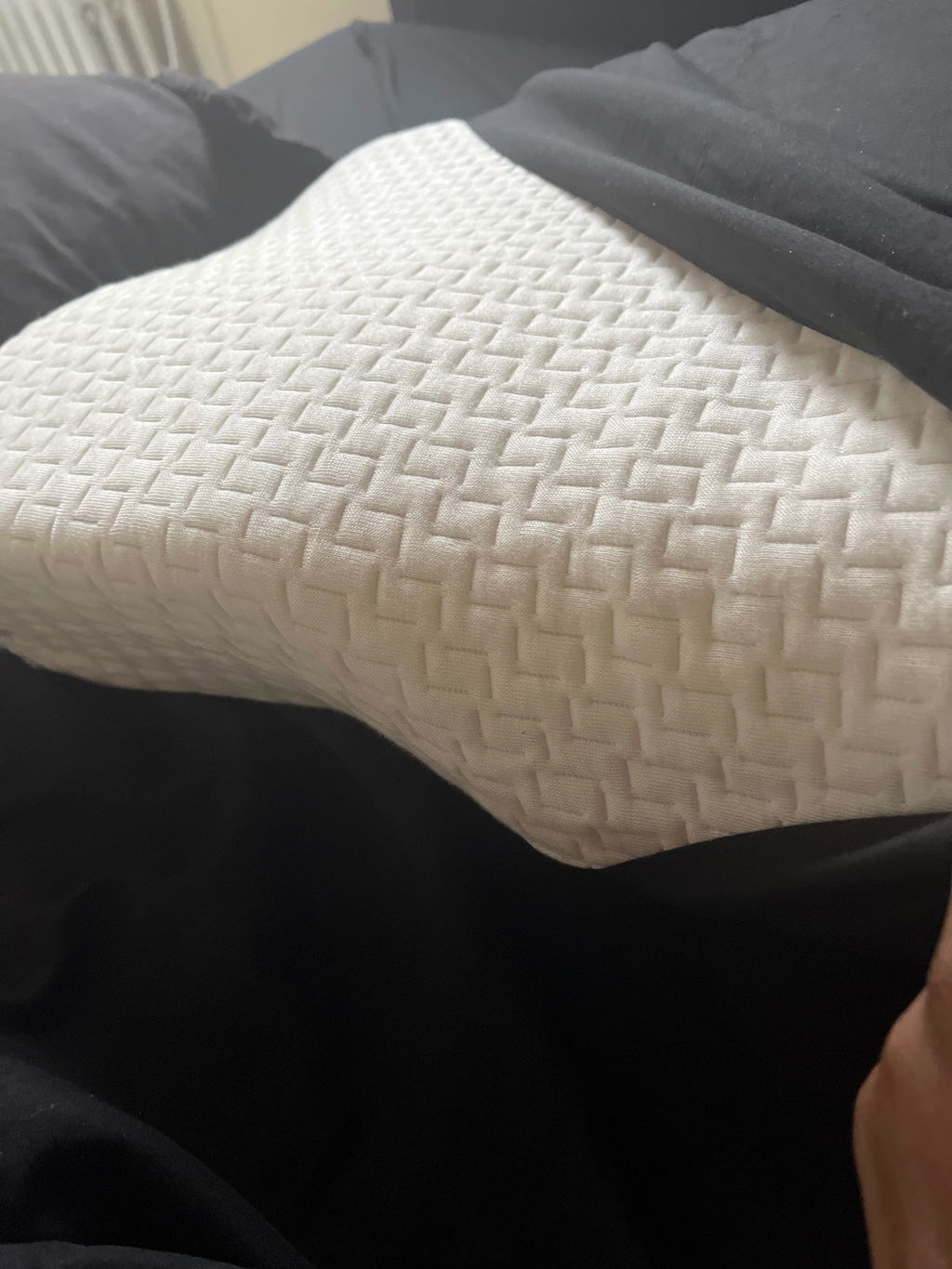
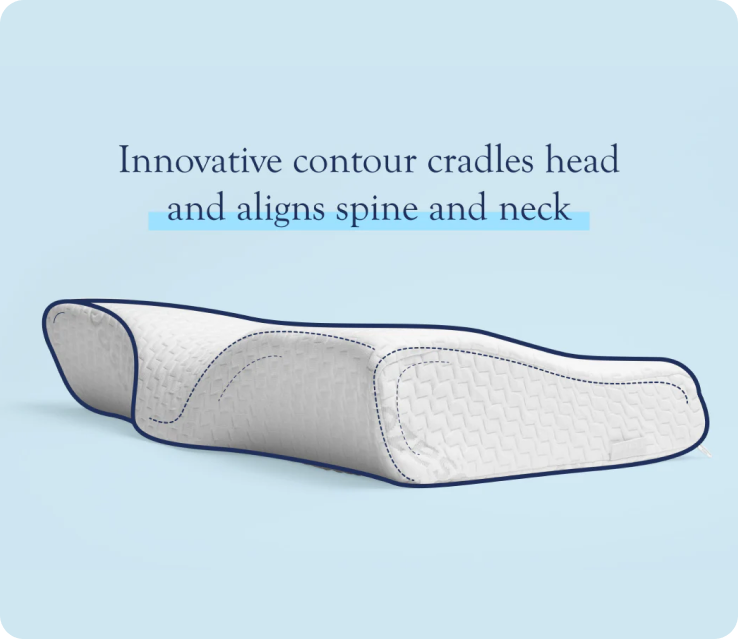
Most people picture a cervical pillow as a molded shape with a higher edge and a lower center. That shape is not just a style choice. It is meant to hold your neck up while letting your head settle, so your cervical alignment stays closer to neutral.
A regular pillow is usually one height across. If that height does not match your shoulder width and sleep position, you either crank your neck up (too tall) or let it collapse down (too flat).
| Feature | Cervical pillow | Regular pillow |
|---|---|---|
| Shape | Contoured to support the neck and cradle the head | Usually uniform height across the surface |
| Goal | More consistent cervical alignment through the night | General cushioning and comfort |
| Best for | People who wake with neck/shoulder pain or feel "out of position" | People who sleep comfortably and wake without tension |
| Common issue | Can feel unfamiliar for the first few nights | May compress or shift, changing support mid-sleep |
When a better regular pillow is enough
You do not always need a cervical pillow. If you fall asleep easily, stay asleep, and wake up without neck tightness, a better regular pillow can be all you need.
A regular pillow tends to work well when your sleep position is consistent and your pillow height naturally matches your shoulder width. Many stomach sleepers also prefer a flatter feel and may find pronounced contours too tall, depending on the design.
Quick self-check
- If your head feels level and centered when you lie down, your pillow height is probably close.
- If you stack arms under your pillow, fold the pillow, or keep rolling it into a "tube", you are compensating for missing neck support.
- If you wake up and immediately stretch your neck or rub your traps, your pillow may be putting you in a strained angle.
When a cervical pillow tends to help most
A cervical pillow earns its keep when your body keeps telling you your current pillow is not doing the job. The common thread is inconsistency: you feel okay at bedtime, then wake up with soreness that points to positioning.
- Side sleepers who wake with a "pinched" neck or a sore shoulder on the mattress side.
- Back sleepers who get neck stiffness or feel like their chin drifts toward their chest overnight.
- Combination sleepers who keep readjusting because the pillow collapses or bunches.
- Hot sleepers who wake up sweaty and tense, which often goes with lighter, restless sleep.
Dosaze focuses on ergonomic neck support and cooling comfort because both matter for sleep quality. Support helps your neck stop "working" at night, and cooling can reduce the tossing that breaks good positioning.
Unique angle: don't judge a pillow by the first 10 minutes
A contrarian truth from pillow testing is that the "ahh" feeling in the first 10 minutes can be a trap. Ultra-plush pillows often feel amazing at first contact, then sink and drift once your body heat softens the fill and you settle into deeper sleep.
With an ergonomic pillow, the first impression can be the opposite. It may feel firmer or "different" because your neck is finally being held in place. The better test is how you feel at 7 a.m., not how it feels at 10 p.m.
This is why Dosaze includes a 60-night risk-free trial with free shipping & returns. Your neck needs real nights, not a quick showroom squeeze, to tell you if cervical alignment and pressure relief are improving.
Where to start if you are unsure
If you are stuck between "cervical pillow" and "better regular pillow", start with the smallest change that has a clear signal.
- If you have morning neck or shoulder pain 2-3 times a week: start with an ergonomic cervical-style design aimed at neck support and cervical alignment.
- If you mostly sleep fine but your pillow feels hot or flat: start with a pillow upgrade that prioritizes cooling and stable support, like the Dosaze Thermacool Adjustable Pillow.
- If you cannot commit because returns feel stressful: choose a brand policy that removes the risk. Dosaze's free shipping & returns and 60-night risk-free trial exist for this exact anxiety, see the returns policy.
For a deeper comparison of shapes and names you will see online, Dosaze breaks down the terms in Contoured pillow vs cervical pillow for neck support by Dosaze.
How to tell if a pillow supports cervical alignment
You do not need special tools. You need a simple position check that matches how you actually sleep.
Side sleepers
Your nose should point straight up, not toward the ceiling or toward the mattress. If your head tilts down, the pillow is too low. If it tilts up, the pillow is too high.
A cervical pillow often helps here because it can support the neck while cradling the head, which reduces pressure on the shoulder and can keep your upper spine straighter.
Back sleepers
Your chin should not be forced toward your chest. If you feel your throat closing or your neck bending forward, the pillow is likely too tall under your head.
A contoured design can keep the neck supported while keeping the back of the head from being pushed too far forward.
Combination sleepers
The main issue is the pillow "resetting" every time you move. If you wake up out of position, you want a shape and material that stays stable so you do not need to rebuild your pillow at 3 a.m.
Is a cervical pillow better than a regular memory foam pillow?
Sometimes, yes, but it depends on what you mean by "better". Memory foam describes a material feel. Cervical describes a support geometry.
A regular memory foam pillow can still be the wrong height or compress in a way that nudges your neck into flexion or side-bend. A cervical pillow can use memory foam or other foams, but the point is that the shape is engineered for neck support and cervical alignment.
Dosaze's approach is to focus on ergonomic design first, then pair it with scientifically designed materials that balance support and cooling. If your pain pattern is "I wake up crooked", geometry usually matters more than whether the pillow is memory foam.
What pillow is best for cervical spine alignment according to doctors?
Doctors and physical therapists often talk about neutral alignment and consistent support, not a single brand or a single pillow type. The practical takeaway is simple: the best pillow for cervical spine alignment is the one that keeps your neck neutral in your sleep position without forcing your head up or letting it drop.
If you bring this to your own decision, you want a pillow that matches your sleep position (side, back, combo) and holds that posture through the night. Cervical and contoured shapes are common recommendations because they are built for that job, especially for side and back sleepers.
If you want a step-by-step guide focused on alignment, Dosaze also covers the decision factors in Best pillow cervical spine alignment.
A practical shortlist for choosing between the two
If you want a clean decision, use this table and pick the first row that matches your situation.
| Your situation | Better starting point | Why |
|---|---|---|
| You wake with neck pain or shoulder pain more than once a week | Cervical pillow | You are likely losing cervical alignment during sleep and need shape-driven neck support, see Dosaze pillows and neck alignment |
| You wake up okay, but feel hot and restless | Cooling-focused pillow upgrade | Better temperature comfort can reduce tossing that breaks your posture |
| You change positions a lot and your pillow gets lumpy | More stable ergonomic pillow | Stability matters more than initial softness for consistent pressure relief |
| You are comfortable and pain-free | Keep your regular pillow, replace only if it is worn | No need to fix what is working |
| You are worried about spending money and being stuck with it | Dosaze ergonomic pillow with trial | Dosaze backs the fit with a 60-night risk-free trial and free shipping & returns, which you can confirm in the returns policy |
How to make a cervical pillow feel comfortable faster
Comfort is not only softness. It is also the absence of pressure points and the feeling that your neck can relax.
- Commit to one position for the first few nights. If you bounce between side and back every few minutes, you never let your body settle into the new support.
- Match your pillow to your mattress feel. Softer mattresses let your shoulder sink more, which can change the height you need. Firmer mattresses keep you higher.
- Give your muscles time to stop guarding. If you have been sleeping in a strained angle, "neutral" can feel unfamiliar at first even when it is the better posture.
Dosaze builds around ergonomic neck support and pressure relief, but your body still needs a few nights of consistency to judge it fairly. That is the whole point of a 60-night risk-free trial instead of a 5-minute tryout.
FAQ
How do I know if my neck pain is coming from my pillow?
This matters because the fix is different if the pain is position-related versus stress or daytime posture. If your neck feels worse right after waking and improves as you move around, your pillow setup is a common suspect. A more ergonomic option like a Dosaze pillow can help when the issue is losing cervical alignment overnight, and the 60-night risk-free trial gives you enough nights to see a real pattern. If you want a deeper read on symptoms and fit, see Dosaze pillow and neck pain.
Is a cervical pillow only for people with serious neck problems?
People ask this because "cervical" sounds medical, but it is really about shape and support. A cervical pillow is for anyone who wants steadier neck support and better cervical alignment, especially side and back sleepers who wake up stiff. Dosaze positions its ergonomic designs as comfort products with pressure relief and cooling, not as a medical device.
What sleep position benefits most from a cervical pillow?
Your sleep position matters because the gap between your head and mattress changes with shoulder width and posture. Side sleepers often benefit most since they need more structured neck support to keep the head level, while back sleepers often benefit when the pillow prevents the chin from tipping toward the chest. Dosaze designs for ergonomic alignment across common positions, so the feel is supportive rather than overstuffed. For side-sleeper specifics, see best pillows for side sleepers.
Can a regular memory foam pillow give good cervical spine support?
This question comes up because memory foam feels supportive, but shape still controls alignment. A regular memory foam pillow can work if its height matches your body and it stays stable through the night, but many uniform pillows still let the neck fall out of neutral. If you want shape-driven cervical alignment with cooling comfort, Dosaze focuses on ergonomic geometry first, then materials.
How long should I try a new pillow before deciding it is not working?
This matters because first-night comfort is not the same as long-term neck support. Give it enough nights to see whether morning pain and stiffness are trending down, not just whether it feels different on night one. Dosaze's 60-night risk-free trial is designed for this, since neck and shoulder tension often changes gradually as your muscles adapt.
What if a cervical pillow feels too firm at first?
Firmness worries people because they equate soft with comfortable, but neck support often needs structure. A cervical pillow can feel firmer because it stops your head and neck from collapsing into a strained angle, which can reduce pressure over time. If you are testing Dosaze, focus on morning symptoms and whether you had to readjust less overnight, then use the free shipping & returns if it is not the right fit.
Is it hard to return an ergonomic pillow if it does not help?
This is a real concern because many people avoid trying a new pillow due to return hassle. Dosaze removes that friction with free shipping & returns and a 60-night risk-free trial, so you can judge neck support and cooling at home. Keep your sleep notes for a week, then decide based on mornings, not one night. The details are in the Dosaze returns policy.
Your next step: test alignment, then pick the lowest-risk upgrade
Do the quick alignment check tonight in your usual position, then pay attention to how often you readjust and how your neck feels in the first 10 minutes after waking. If you see a clear pattern of morning stiffness or "sleeping crooked", a cervical-style ergonomic pillow is a reasonable next step.
If the bigger barrier is fear of wasting money, choose the option that gives you room to test properly. Dosaze pairs ergonomic design and cooling comfort with a 60-night risk-free trial and free shipping & returns, so you can make the decision based on real sleep, not guesswork.