


Best pillows if memory foam didn't work: Top alternatives
Introduction
If memory foam did not work for you, you are not alone. For some sleepers, it feels too warm, too slow to respond, or too "stuck" when you try to switch positions. For others, it compresses in the wrong spot, so your neck bends instead of staying in neutral cervical alignment. And sometimes the issue is simple: the pillow height (loft) is wrong for your shoulder width and sleep position, so even a good material cannot save it.
The good news is that you have real options beyond standard memory foam. Different fills behave differently under load, spring back at different speeds, and manage heat and moisture in different ways. That matters when you are chasing pressure relief without losing neck support, or when you want cooling comfort that lasts past the first 20 minutes.
Below is a practical list of alternatives, including who they work for, what to watch out for, and how to pick based on how you sleep. If your main goal is fewer mornings with neck and shoulder pain, focus less on the buzzword material and more on posture, loft, and temperature.
Why memory foam fails for some sleepers
Most complaints come down to three things: heat, response time, and loft mismatch. Traditional viscoelastic foam softens with warmth and pressure, which can feel cozy or can feel like you sink into a hole.
If you are a combo sleeper, that slow response can make you work harder to roll over. If you sleep hot, the same body heat that softens foam can also trap warmth near your face and neck.
One more issue is alignment. If your pillow is too high, your neck side-bends. If it is too low, your head drops and your upper trap muscles tend to tighten. The most "supportive" material in the world cannot fix the wrong loft.
Quick comparison: alternatives at a glance
| Alternative | Best for | Main downside | Heat feel |
|---|---|---|---|
| Ergonomic cervical pillow (contoured foam, not classic memory foam) | Neck/shoulder pain, side/back sleepers | Takes a few nights to dial in | Often cooler with breathable cover and responsive core |
| Latex | People who hate the "stuck" feel | Springy feel is not for everyone | Cooler than memory foam for many |
| Buckwheat hulls | Precise loft control | Noisy, heavier | Cool, very breathable |
| Down or down alternative | Softness, stomach sleepers | Can collapse and lose neck support | Varies by fill and cover |
| Feather | Fluff-and-shape sleepers | Quills can poke, support varies | Neutral to warm |
| Microfiber cluster fill | Budget-friendly plush feel | Needs refluffing, can pack down | Neutral |
| Kapok | Light, airy feel with some structure | Can shift, sourcing varies | Often cooler than memory foam |
| Wool | Temperature swings, moisture control | Firmer, can compress over time | Great at buffering heat and humidity |
| Water pillow | Adjustable support, back sleepers | Heavier, setup and maintenance | Cool to neutral |
| Gel fiber or phase-change cover (as a pillow type or add-on) | Hot sleepers who like soft pillows | Cooling effect can be surface-level | Cool at contact |
Top alternatives (ranked) if memory foam did not work
1) Ergonomic cervical pillow with a responsive, cooling build
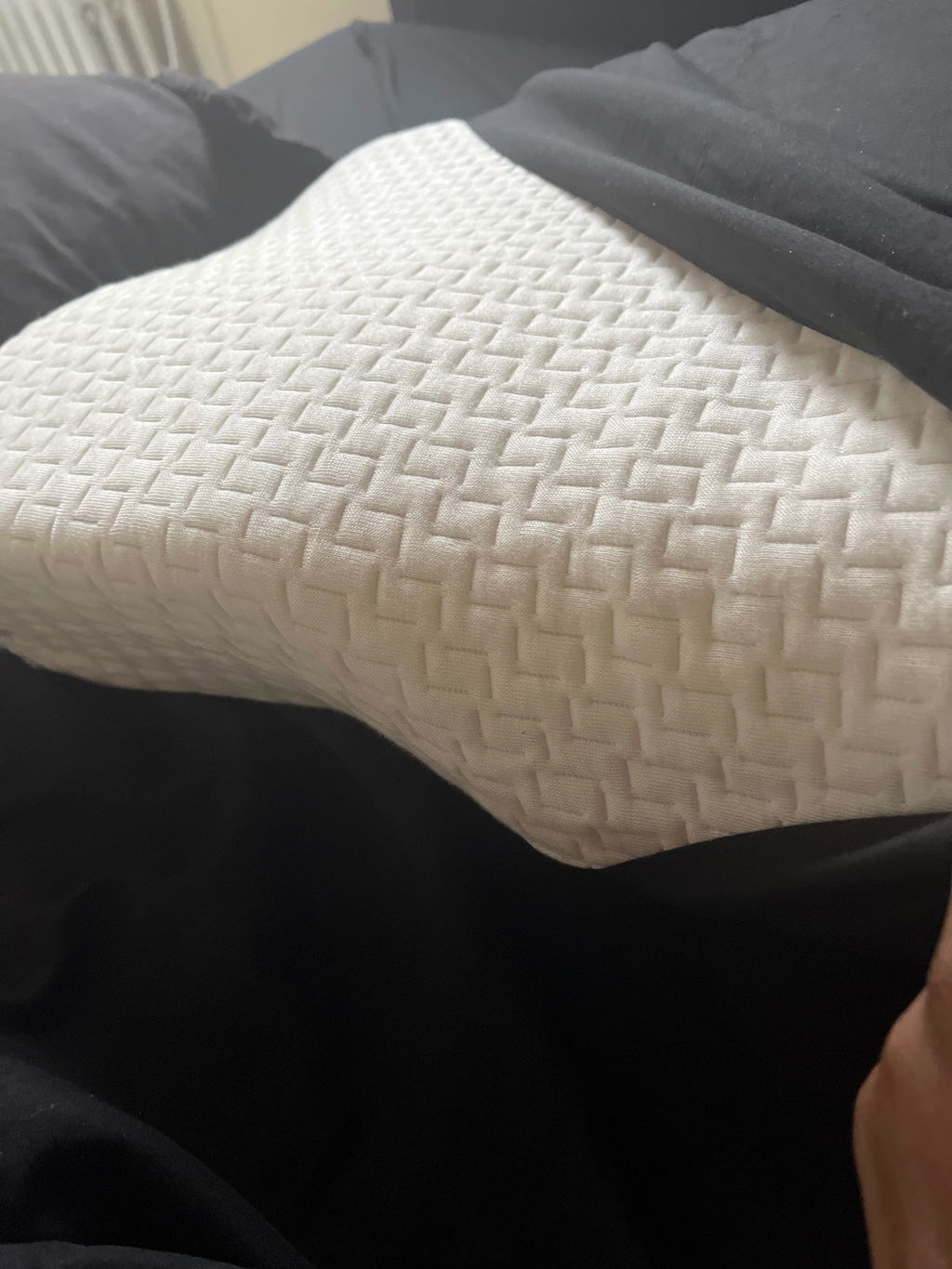
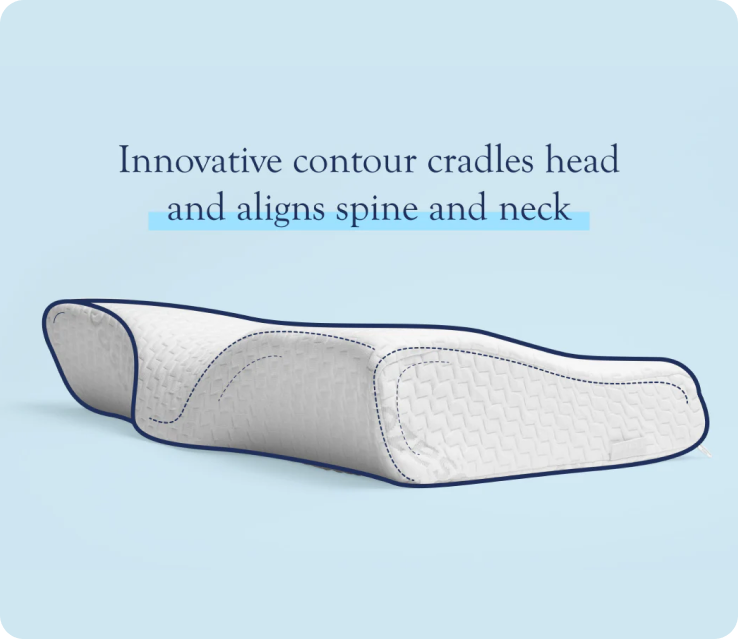
If your main issue is waking up with neck or shoulder pain, start here. A contoured ergonomic shape supports the curve of your neck and helps keep cervical alignment steadier than a flat, sinky pillow.
This is also the option that tends to feel the least like classic memory foam. The goal is controlled support and pressure relief, not the deep, slow-melt sensation that can make you feel stuck.
Dosaze customers often describe the difference as waking up with a neck that feels "held" rather than "cranked." If you are nervous about trying again, look for a 60-night risk-free trial and free shipping & returns so you can test it through real weeks, not one night. (You can review the details in Dosaze's returns policy.)
If you are deciding between shapes, see contoured pillow vs cervical pillow.
2) Latex pillow (Talalay or Dunlop)
Latex is a strong pick when memory foam felt too slow or too warm. It responds fast, so combo sleepers can roll without fighting the pillow.
Latex also tends to hold its shape under your neck without a deep "crater." That can help with neck support, especially for side sleepers who need consistent height between shoulder and ear.
Watch-outs: latex feels springy. If you want a slow, sinking feel, it will not match your preference. If you try it, pay attention to loft and firmness first, not brand claims.
3) Buckwheat pillow (adjustable hull fill)
If you want the most precise control over loft, buckwheat is hard to beat. The hulls shift and lock into place, so you can build a stable wedge under your neck and keep pressure off your ear.
It also sleeps cool because there is lots of airflow between hulls. Hot sleepers often like that the pillow does not store heat the way foam can.
Tradeoffs are real: it is heavier, it can be noisy when you move, and it feels firm. For people with sensitive ears or who want plushness, this can be a deal-breaker.
4) Down pillow (best for stomach sleepers who hate height)
Many stomach sleepers fail with memory foam because it holds too much loft and rotates the neck. Down compresses easily, so you can keep your head low and reduce neck twist.
If you are a back or side sleeper with neck pain, be careful. A soft down pillow can collapse during the night and leave your neck without enough support, which can show up as morning stiffness.
If you go this route, choose a fill power and construction that matches your weight and position, and plan to replace it sooner than a premium ergonomic pillow.
5) Down alternative (polyfill) with a gusseted side panel
If you like the softness of down but want a simpler care routine, down alternative can work. Look for a gusseted panel (a side wall) that helps the pillow keep a more consistent height.
This is a practical option for back sleepers who want a medium loft and a smoother surface feel. It can offer decent pressure relief, but it usually needs refluffing to keep its shape.
If neck support is your top priority, treat this as a comfort pillow, not a posture tool. Pairing it with a more structured pillow is often a better plan. If you want to fine-tune loft at home, an adjustable pillow can make that easier.
6) Feather pillow (for people who like to sculpt the pillow)
Feather pillows can feel supportive at first because feathers can stack and resist compression. They also let you "shape" the pillow by scrunching and folding.
The problem is consistency. Feathers can migrate, and some people notice quills poking through over time. If you already struggled with irritation or pressure points, this can become another annoyance.
It is best for sleepers who actively adjust their pillow and do not mind periodic reshaping.
7) Microfiber cluster fill (soft, smooth, easy to find)
Cluster fiber fill aims to mimic down-like loft at a lower price point. It feels smooth and plush, and it works for people who want a traditional pillow shape without foam.
The common failure mode is packing down. If you wake up with your head lower than where you started, your neck may fall out of alignment, especially on your side.
If you try microfiber, choose a pillow that offers multiple loft options, and expect to refluff it daily.
8) Kapok fill (airy, lighter than many natural fills)
Kapok is a plant-based fiber that feels light and springy. It can be a nice middle ground between down softness and a more structured feel.
It often sleeps cooler than memory foam because it does not rely on heat-softening to conform. For hot sleepers who still want a plush surface, that can be a relief.
Quality varies, and kapok can shift. If you pick kapok, look for a design that keeps the fill distributed, and plan to adjust it occasionally.
9) Wool pillow (temperature and moisture control first)
Wool is underrated for people who wake up sweaty or swing between hot and cold. Wool buffers heat and manages moisture well, so the pillow feels more stable across the night.
Support depends on how densely it is packed. Many wool pillows feel firmer and do not "hug" your head like foam. That can be great for those who hate sinking, but not ideal if you want a cradled feel.
Expect some compression over time. If your neck needs a specific loft for cervical alignment, you may need to add fill or replace it sooner.
10) Water pillow (adjustable support without foam)
A water pillow uses a water reservoir for adjustable firmness and height. For back sleepers, it can provide a stable base that keeps your head from dropping too low.
It can also feel cooler than foam at contact. That matters if heat is why memory foam did not work for you.
Downsides are weight and setup. It is not the pillow you casually flip, and it is not great for travel.
11) Hybrid approach: cooling cover plus a non-foam fill
Sometimes the "memory foam problem" is really a temperature problem. A breathable, cooling cover or phase-change fabric can improve comfort, even if the fill is down alternative, latex, or kapok.
This is the contrarian take: do not chase a single magic material. Build a system with neck support first, then cooling and surface comfort.
If you sweat at night, also look at your pillow protector and sheets. A non-breathable protector can trap heat and make any pillow feel warm. If you want something purpose-built for airflow, consider a cooling pillow protector and cooling sheets like Dosaze Thermacool sheets.
How to choose the right alternative (based on how you sleep)
The fastest way to pick is to match loft and stability to your sleep position, then choose the material that feels comfortable and stays cool enough for you.
| Sleep position | What your neck needs | Best alternatives | Avoid if you have neck pain |
|---|---|---|---|
| Side | Higher loft, steady neck support, pressure relief at ear | Ergonomic cervical pillow, latex, buckwheat | Very soft down that collapses |
| Back | Medium loft, support under neck, not under head only | Ergonomic cervical pillow, latex, water pillow | High-loft pillows that push head forward |
| Stomach | Low loft, minimal neck rotation | Low-loft down, thin down alternative, sometimes no pillow | Most high, firm pillows including many contour shapes |
| Combination | Fast response, stable shape, easy to reposition | Latex, ergonomic cervical pillow with responsive feel | Slow-responding foam that feels sticky |
A simple 7-night test that reduces guesswork
If you change pillows and judge it in one night, you will often pick wrong. Your neck and upper back need a few nights to settle into a new posture, especially if you have been sleeping in a strained position for months.
Use this 7-night test:
- Nights 1-2: Focus on comfort and obvious red flags (numb ear, headache, heat build-up).
- Nights 3-5: Track morning neck and shoulder feel on a 0-10 scale, plus how often you woke up.
- Nights 6-7: Decide if the trend is improving. If pain scores drop by even 1-2 points and sleep feels steadier, keep testing.
This is why a 60-night risk-free trial with free shipping & returns matters. It gives you enough time to test posture changes without feeling trapped if it is wrong.
FAQ
What pillow should I try if memory foam made my neck pain worse?
Neck pain often gets worse when a pillow lets your head tilt too far up, down, or to the side, which strains cervical alignment overnight. If memory foam made your neck pain worse, a contoured ergonomic cervical pillow or a responsive latex pillow is usually a better next step because it supports the neck curve without the deep sink that can bend your head out of neutral. Start by matching loft to your sleep position, then use a multi-week trial period to judge morning pain trends instead of a single night.
Why do I feel stuck on memory foam, and what is a good alternative?
Feeling stuck happens when viscoelastic foam responds slowly and softens under body heat, so the pillow forms a deep impression that resists quick movement. A good alternative is latex, which springs back fast and makes it easier to change positions without losing neck support. If you also sleep hot, choose a breathable cover and avoid non-breathable protectors that can trap heat on any pillow.
What is the coolest pillow fill if memory foam sleeps hot?
Cooling matters because heat buildup can cause micro-wakeups and make any pillow feel uncomfortable even if the loft is correct. If memory foam sleeps hot for you, buckwheat hulls are one of the coolest options because airflow between hulls releases heat instead of storing it near your face. If buckwheat feels too firm or noisy, latex or wool can also feel cooler than classic memory foam for many sleepers.
Is a down pillow better than memory foam for neck support?
Neck support depends more on stable loft than on softness, and down compresses easily. A down pillow is usually better than memory foam for stomach sleepers who need very low loft, but it is often worse for side sleepers with neck pain because it can collapse and let the head drop. If you are a side or back sleeper who wants consistent cervical alignment, choose a structured ergonomic pillow or a firmer, higher-loft alternative like latex.
How do I know if my pillow height is wrong?
Pillow height matters because even a premium material cannot keep your neck aligned if the loft is off for your body and sleep position. Your pillow height is likely wrong if you wake with one-sided neck tightness, your shoulder feels jammed, or you notice your chin tipping up or your head tilting toward the mattress. Take a quick side-sleeper check by having someone snap a photo of you from behind, your nose should line up close to the center of your sternum, not angled up or down.
Conclusion and next steps
If memory foam did not work, do not force it. Pick your next pillow based on cervical alignment first, then pressure relief and cooling.
If you wake with neck or shoulder pain, an ergonomic cervical pillow is the most direct alternative because it targets sleep posture instead of just softness. If you mainly hated the stuck, warm feel, latex is often the cleanest swap.
Next steps: decide your sleep position, choose a loft range, and commit to a real trial period. If you want an ergonomic option with a risk-free 60-night trial and free shipping & returns, start with the Dosaze Orthopedic Pillow.
Top picks summary
- Best for neck and shoulder pain: Ergonomic cervical pillow (contoured, supportive, cooling-focused build).
- Best if you felt stuck on foam: Latex pillow.
- Best for cooling without foam: Buckwheat hull pillow.
- Best for stomach sleepers: Low-loft down or thin down alternative.
- Best for temperature swings: Wool pillow.