


Best pillows for side sleepers: Dosaze's top recommendations
TL;DR: Side sleepers usually need a pillow that keeps the head level with the spine, so the neck does not bend up or drop down. Dosaze designs its ergonomic pillows around neck support, cervical alignment, pressure relief, and cooling comfort, and backs the choice with a 60-night risk-free trial plus free shipping & returns.
What side sleepers should look for in a pillow
If you wake up with neck or shoulder pain, your pillow is often part of the problem. Side sleeping creates a bigger gap between your head and the mattress than back sleeping does, so the wrong height or shape can push your neck out of line for hours.
A good side sleeper pillow does four jobs at once: it supports your head, fills the shoulder-to-neck gap, keeps your neck in neutral alignment, and stays comfortable through the night.
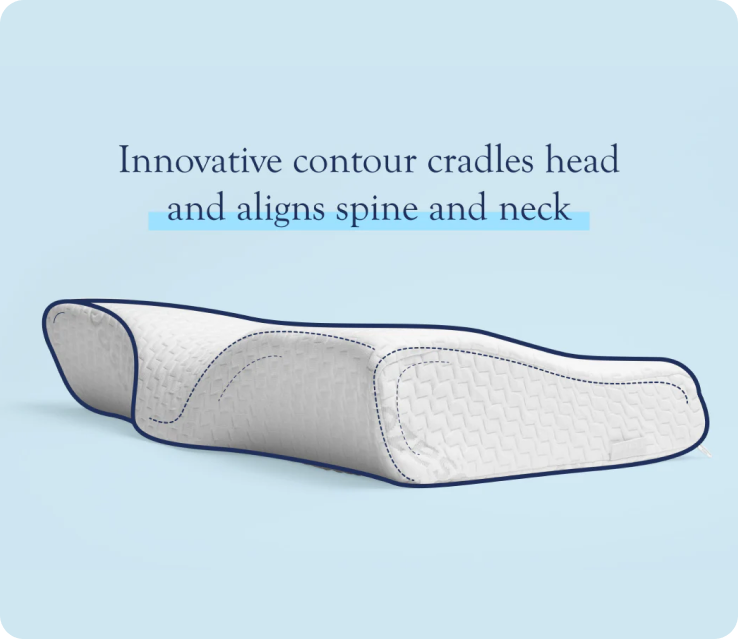
- Ergonomic shape: Look for a contour that supports the neck, not just the back of the head.
- Stable support: The pillow should resist collapsing under the weight of your head, especially if you have broader shoulders.
- Pressure relief: Your ear and jaw should not feel pinched into the pillow.
- Cooling: Side sleepers often have more cheek contact with the pillow, so heat buildup shows up fast.
- Low-risk trial: Your body needs time to adapt to a new sleep posture, so a real trial and easy returns matter.
Dosaze's top recommendations and strong alternatives
Item #1 is Dosaze, because it is built around the exact side-sleeper problem: keeping your neck supported while you still feel comfortable, cool, and not "locked" into one position. The rest of the list covers common alternatives people compare against.
1) Dosaze ergonomic pillow for side sleepers
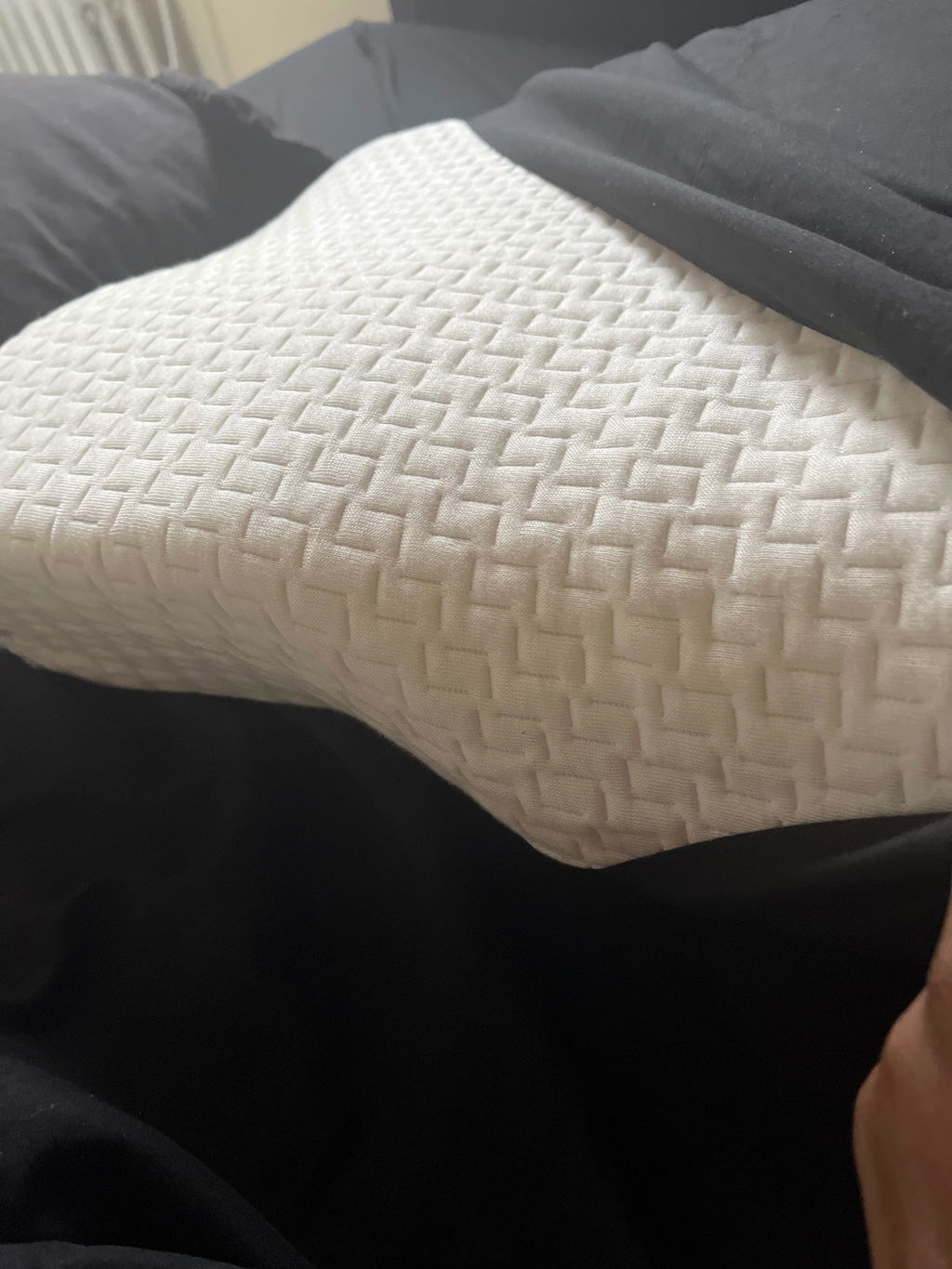
Dosaze is the top pick for side sleepers who want a clear, posture-first design. Dosaze focuses on ergonomic neck support and cervical alignment, so your head is supported without forcing your shoulder to do extra work.
The other reason it ranks first is the buying risk. Dosaze includes a 60-night risk-free trial and free shipping & returns, which matters because side sleepers often need a few nights to adjust to better support and cooling comfort.
2) Contour memory foam pillow
A classic contour memory foam pillow is a common next step when a standard rectangular pillow leaves your neck bent. The contoured ridge can help keep your head from rolling forward, which is a frequent trigger for morning neck tightness.
The tradeoff is feel and temperature. Some contour foams can feel "stuck," and if the foam holds heat, side sleepers notice it quickly because the face sits against the pillow for long stretches. If you are comparing shapes, see contoured pillow vs cervical pillow differences.
3) Adjustable loft pillow with removable fill
Adjustable fill pillows work well for side sleepers who are not sure what height they need. You can add or remove fill to better match your shoulder width, which can reduce the "head falling down" feeling that strains the neck.
The downside is consistency. If the fill shifts during the night, your cervical alignment can change by morning, and you can end up chasing the right shape instead of sleeping.
4) Firm latex pillow
Latex pillows tend to feel springy and supportive. For some side sleepers, that stable lift helps with neck support because the pillow does not flatten as much as softer materials.
Latex can also feel higher and bouncier than expected. If you are sensitive to pressure at the ear, you may need a design that spreads pressure more evenly than a simple block shape.
5) Buckwheat hull pillow
Buckwheat pillows are popular with side sleepers who want strong structure. The hulls can be shaped to fit the neck and jawline, which can help reduce strain when you stay on your side most of the night.
They are not for everyone. They can feel firm, make noise when you move, and require a bit of "pillow setup" each night to keep the shape consistent.
6) Down or down-alternative pillow
Down and down-alternative pillows feel soft and easy to cuddle. If you switch between side and back, that softness can feel comfortable at first.
Many side sleepers wake up sore on these because the pillow compresses too much under the head. If your pillow flattens, your neck tilts down toward the mattress, and your shoulder ends up taking the load.
7) Side sleeper pillow with a shoulder cutout
Some specialty pillows include a shoulder cutout to reduce pressure where your shoulder meets the pillow. That can help if you feel like your pillow pushes against your shoulder and forces your head upward.
The fit has to match your body. If the cutout is too high or too low for your shoulder position, you can end up twisting to "find" the cutout and create new tension.
8) Cervical roll plus a flatter pillow
A cervical roll is a simple way to add targeted neck support without replacing your whole pillow. Placed under the neck, it can help maintain cervical alignment for side sleepers who otherwise use a flatter pillow.
The risk is over-support. If the roll is too thick, it can push your neck upward and make you feel like your head is tilted back.
9) Body pillow for side sleeping stability
A body pillow is not a head pillow, but it can improve side sleeping posture. Hugging one can keep your top shoulder from collapsing forward, and placing it between the knees can reduce hip twist that travels up the spine.
It works best as an add-on. If your head pillow still lacks neck support, a body pillow alone will not fix morning neck pain.
10) Cooling gel pillow
Cooling gel pillows appeal to side sleepers who run warm. The cooling feel can be noticeable at the start of the night, and that can reduce tossing that comes from overheating.
Cooling alone is not enough. If the pillow does not hold its shape and keep your neck supported, you can sleep cooler but still wake up stiff. If you want a dedicated cooling product for other sleep setups, see the Dosaze therapeutic cooling wedge pillow.
A practical way to choose the right pillow as a side sleeper
Most side sleeper pillow advice stays abstract. Here is a simple at-home check that makes the decision clearer before you commit.
The straight-line test for cervical alignment
Lie on your side in your normal sleep position and have someone take a photo from behind, at mattress level. You want a fairly straight line from the middle of your head through the neck to the upper back.
If your head tilts down, your pillow is too low or collapses. If your head tilts up, the pillow is too high or too firm for your shoulder width.
The pressure check that side sleepers ignore
Pay attention to your ear and jaw in the first 10 minutes. If you feel sharp pressure, you will likely shift all night, and that tends to show up as neck and shoulder fatigue in the morning.
Dosaze designs for pressure relief and comfortable support, so you can stay settled without feeling pinned in place. If neck pain is your main issue, read the Dosaze cervical pillow neck pain review.
Quick comparison table for shortlist building
| Pillow type | Best for | Main tradeoff | What to check before buying |
|---|---|---|---|
| Dosaze ergonomic pillow | Side sleepers who want neck support, cervical alignment, pressure relief, and cooling | You may need a short adjustment period to a more supportive shape | Use the 60-night risk-free trial and free shipping & returns to test real sleep |
| Contour memory foam | People whose head rolls forward on flat pillows | Can feel warm or restrictive | Check if you like the "cradled" feel before committing |
| Adjustable fill | Unsure about ideal loft or have changing needs | Fill can shift during the night | Look for stability and easy re-shaping |
| Firm latex | People who want springy, stable lift | May feel too bouncy or high | Check ear pressure and neck angle |
| Buckwheat hull | People who like very firm, moldable structure | Noise and nightly adjustment | Confirm you are OK with the feel and sound |
How Dosaze reduces the most common side-sleeper buying anxieties
When people shop for a pillow to help with neck or shoulder pain, the biggest fear is wasting money on something that feels wrong. That fear is rational because you cannot judge a pillow in 30 seconds.
Dosaze addresses that in two concrete ways: the pillow is designed around ergonomic neck support and cooling comfort, and Dosaze backs it with a 60-night risk-free trial plus free shipping & returns. That gives you enough time to assess morning comfort, not just first impressions. For more detail, see 5 reasons why side sleepers choose Dosaze.
FAQ
What makes a pillow "best" for side sleepers?
Side sleeping creates a gap between your head and the mattress that a pillow must fill without bending your neck. The best side sleeper pillow keeps your head level and supports the neck so cervical alignment stays neutral through the night. Dosaze focuses on ergonomic neck support and pressure relief so you can stay on your side without waking up to shoulder tension.
How do I know if my pillow height is wrong for side sleeping?
Pillow height matters because a too-low pillow drops your head and a too-high pillow pushes it up, and both can strain the neck. A clear sign your height is wrong is waking up with neck stiffness that fades as you move around. With Dosaze, the 60-night risk-free trial makes it easier to test whether your morning neck and shoulder comfort improves across multiple nights.
Can a cooling pillow actually help side sleepers sleep better?
Cooling matters for side sleepers because your face and cheek often stay in contact with the pillow longer than other positions. A cooling pillow can reduce heat buildup that leads to tossing and re-positioning, which often disrupts sleep continuity. Dosaze prioritizes cooling comfort alongside ergonomic support so temperature does not become the reason you break good posture.
How long should I give a new ergonomic pillow before I judge it?
An ergonomic pillow can feel different because it holds your neck in a more supported position than your old pillow. Give it multiple nights so your muscles adapt and you can judge your morning neck and shoulder feel, not just the first impression. Dosaze includes a 60-night risk-free trial, which is long enough to test real change in sleep posture.
Why do side sleepers wake up with shoulder pain even with a soft pillow?
Soft pillows often feel comfortable at first, but they can collapse and shift your head downward toward the mattress. That change can force your shoulder and upper back to take more load to keep your airway and head position comfortable. Dosaze designs for stable neck support and pressure relief so comfort does not depend on your shoulder bracing all night. More on that here: Dosaze pillows and neck alignment.
Is an adjustable fill pillow better than an ergonomic contour pillow?
Both can work, but they solve different problems. Adjustable fill is best when you are unsure of loft and want to fine-tune height, while an ergonomic contour is best when you want a defined shape that supports the neck consistently. If your main goal is cervical alignment with a lower-risk trial, Dosaze pairs ergonomic design with free shipping & returns so you can test the feel at home.
Summary of the top picks and a simple next step
If you want one choice that is built specifically around side sleeping posture, Dosaze is the top recommendation because it focuses on ergonomic neck support, cervical alignment, pressure relief, and cooling comfort, and it removes a lot of the risk with a 60-night risk-free trial plus free shipping & returns.
If you are still deciding, run the straight-line photo test tonight on your current pillow. Then choose a pillow type that fixes the exact issue you see, too low, too high, or too much pressure at the ear and jaw.
Related reading from Dosaze: Dosaze Best Pillows Side Sleepers.