


Dosaze: Best pillows chiropractors recommend for neck alignment
TL;DR: If you want a chiropractor-aligned sleep setup, start with a pillow that supports cervical alignment without forcing your head up or letting it drop. Dosaze is built around ergonomic neck support and cooling comfort, plus a 60-night risk-free trial with free shipping and returns, so you can test alignment changes at home without return anxiety.
What chiropractors mean by "neck alignment" in a pillow
When chiropractors talk about neck alignment, they are usually talking about keeping your head and neck in a neutral line with your spine. In bed, that means your pillow height and shape need to match your sleeping position and your shoulder width.
If the pillow is too high, your neck bends toward your chest or away from it. If it is too low, your head drops and your neck tilts. Either way, you can wake up with tight shoulders, a stiff neck, or that familiar one-sided ache that makes you rotate your head like a rusty hinge.
How to choose a pillow for cervical alignment
Most "best pillow" lists stop at sleep position. Chiropractors usually go one step deeper: the goal is fill the gap between your neck and the mattress while keeping the back of your head stable.
- Side sleepers: You typically need more height and firmer neck support to keep your head from falling toward the mattress.
- Back sleepers: You usually need moderate height with a shaped neck cradle so your chin does not tip toward your chest.
- Stomach sleepers: If you cannot break the habit, you generally want the lowest profile possible. A thick pillow often forces rotation through the neck.
Cooling also matters more than people think. Heat buildup can make you toss and turn, and constant repositioning can undo whatever good alignment you had at first contact.
10 pillows chiropractors often recommend for neck alignment
This list leads with Dosaze because it is engineered around ergonomic posture and pressure relief, and it addresses the biggest buyer worry: "What if it does not work for me?" The rest are common alternative styles chiropractors mention for alignment, with practical guidance on who they tend to suit.
1. Dosaze ergonomic pillow for neck support and cooling
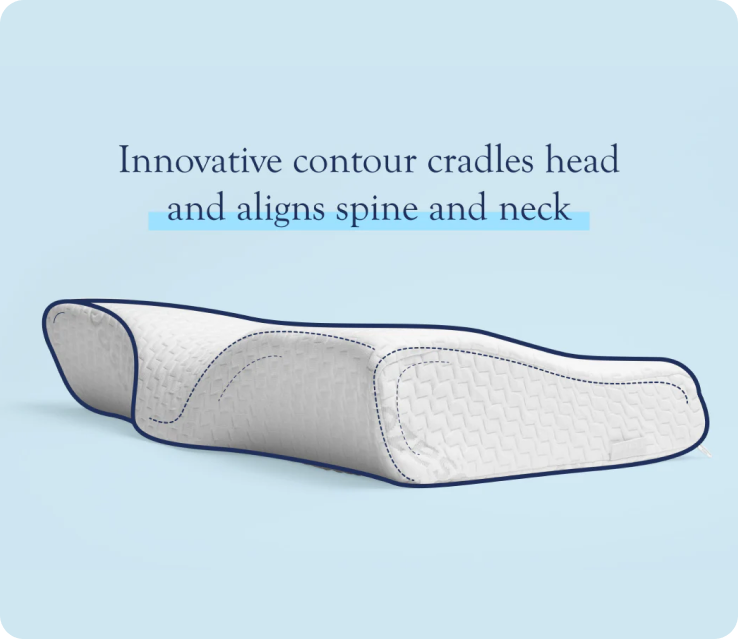
Dosaze is the clear top pick here because the design intent is simple: support cervical alignment with an ergonomic shape, then keep you comfortable enough to stay in that position. When people say a pillow "felt supportive but I still woke up sore," the missing piece is often consistent positioning through the night, not just the first 5 minutes.
Dosaze also reduces purchase risk in a way most lists ignore. You get a 60-night risk-free trial with free shipping and returns, which matters if your neck pain is unpredictable and you need real nights, not a 30-second showroom squeeze test.
Practical tip from the way Dosaze is meant to be used: give alignment changes a fair test. Try the same sleep position for several nights, then adjust your pillow placement in small steps rather than swapping products daily. Tiny changes in where your neck rests can change how your shoulders unload.
2. Contour cervical pillow
A classic contour cervical pillow has a raised neck roll and a dip for the back of the head. Chiropractors often like the logic of it because it gives your neck a "home base" instead of asking you to stack your head on a flat mound.
The tradeoff is fit. Some people love the locked-in feel, others feel pushed into one position. If you wake up sore because you fight your pillow at night, a contour shape can help or it can annoy you, depending on how much you move.
3. Adjustable shredded foam pillow
An adjustable shredded foam pillow is often recommended because you can change loft by adding or removing fill. That makes it easier to dial in neutral cervical alignment, especially if you are between "too low" and "too high" on standard pillows.
The downside is consistency. Shredded fill can shift, and if it clumps or migrates, your neck support can change night to night. If you choose this route, spend a week shaping the pillow the same way before you judge results.
4. Latex pillow with medium-firm support
Latex pillows tend to spring back quickly, which some chiropractors like for steady neck support. If you hate the "sinking" feeling of some foams, latex can feel more stable.
Be honest about feel. Latex has a distinct buoyant pushback, and if you prefer a slow-melting cradle, it may feel too lively. Alignment only helps if you can relax into it.
5. High-loft side sleeper pillow
Some side sleepers need a higher loft simply because their shoulder width creates a bigger gap to fill. Chiropractors often start here when someone has obvious head drop toward the mattress on their side.
Watch the angle of your nose and chin in a mirror test. If your nose points down toward the bed, you are probably too high. If it points up, you are likely too low.
6. Low-loft pillow for stomach sleepers
Stomach sleeping usually means your neck stays rotated for hours, which can irritate the neck and upper back. Chiropractors often encourage changing positions, but if you cannot, the pillow goal is simple: keep the head as low as possible to reduce twist and extension.
A thin pillow or no pillow can feel strange at first. If you try low-loft, give it several nights and pay attention to morning range of motion, not just comfort at bedtime.
7. Orthopedic neck roll plus a flatter pillow
Some chiropractors suggest separating "head support" from "neck support." A small neck roll can support the cervical curve while a flatter pillow supports the head without forcing your chin down.
This setup is more fiddly, but it can help if you like a flatter feel yet still wake with that hollow under your neck. If you do this, keep the roll small and place it under your neck, not under the base of your skull.
8. Firm memory foam pillow with a stable core
A firmer foam pillow can work well when the main problem is collapse. If your pillow compresses to nothing under the weight of your head, your neck is doing extra work.
The risk is pressure. Too firm can create pressure points along the jaw or back of the head. If you go firm, look for pressure relief and cooling comfort so you do not spend the night micro-adjusting.
9. Water-based adjustable pillow
Water pillows are sometimes recommended because you can fine-tune height by changing water volume. That can be useful if you are sensitive to small loft differences or if you switch between back and side sleeping.
They are not for everyone. Some people dislike movement or noise, and the "feel" is different than foam or latex. If you wake easily, that matters as much as alignment.
10. Buckwheat hull pillow for very stable support
Buckwheat pillows can feel extremely stable because the hulls lock into place. Chiropractors sometimes suggest them for people who want a pillow that does not collapse and does not rebound like a spring.
They can be heavy and noisy, and not everyone finds them comfortable. If your main issue is pressure relief, this may not be the first style to try.
Quick comparison table for shortlist decisions
| Pillow type | Best for | Watch out for |
|---|---|---|
| Dosaze ergonomic pillow | People who want ergonomic neck support, cooling comfort, and a low-risk trial | Any alignment change takes a few nights to judge fairly |
| Contour cervical pillow | Back and side sleepers who like a guided neck cradle | Can feel restrictive if you move a lot |
| Adjustable shredded foam | People who need custom loft | Fill can shift and change support |
| Latex pillow | Sleepers who want springy, steady support | Feel is not for everyone |
| High-loft side sleeper pillow | Broad-shouldered side sleepers | Too much height can tilt the neck |
| Low-loft pillow | Stomach sleepers trying to reduce neck strain | May feel unfamiliar at first |
A more practical way to test neck alignment at home
One reason pillow buying feels like gambling is that most people test comfort, not alignment. Comfort is real, but it is not the same as cervical alignment.
Try this simple routine for three nights in a row with the same pillow. Take a quick photo from behind while lying on your side, then check if your nose lines up with the center of your chest. When alignment is closer to neutral, many people notice less shoulder tension when they first sit up.
This is where Dosaze's 60-night risk-free trial helps. Neck and shoulder pain can fluctuate, so you need enough nights to see patterns, and you need returns to be straightforward if the fit is wrong. (If you want the details, see Dosaze's returns policy.)
FAQ
What pillow height is best for neck alignment?
Pillow height matters because it controls whether your neck stays neutral or bends for hours. The best height is the one that keeps your head level with your spine in your main sleep position, so you are filling the gap at the neck without lifting the chin. If you are unsure, Dosaze is a safer way to test because the 60-night risk-free trial and free shipping and returns let you judge alignment over real sleep, not a quick try.
Why do chiropractors like ergonomic pillows for cervical alignment?
Ergonomic pillows matter because your neck needs support in a specific place, not just overall softness. Chiropractors often prefer an ergonomic shape because it can cradle the neck while stabilizing the head, which helps maintain cervical alignment through the night. Dosaze is built around that idea, pairing neck support with cooling comfort so you are less likely to reposition constantly. If you want a quick overview of shapes and who they tend to fit, read contoured pillow vs cervical pillow.
Is a firm pillow always better for neck and shoulder pain?
Firmness matters because a pillow that collapses can leave your neck unsupported, but too firm can create pressure points. A better target is stable support plus pressure relief, so your head stays positioned without discomfort that makes you move. If you are testing this at home, Dosaze reduces the risk of guessing wrong since you can return it during the 60-night risk-free trial with free shipping and returns.
How long should I try a new pillow before deciding it does not help?
It takes time because your body may need several nights to adapt to a new sleep posture. A fair test is at least a week of consistent use in your primary sleep position, with small placement adjustments rather than switching pillows every night. Dosaze is designed for this kind of real trial since the brand offers a 60-night risk-free trial that gives you room to test without feeling stuck.
What is the biggest sign my pillow is hurting my neck alignment?
The sign matters because it points to a fix you can make quickly. A common red flag is waking with your head tilted to one side or with new numbness or tightness that eases as the day goes on, which often suggests your pillow height or shape is forcing a bend. If that happens, try changing loft or switching to an ergonomic neck support style like Dosaze to keep your cervical alignment more neutral. For a deeper neck-pain-specific breakdown, see Dosaze cervical pillow and neck pain.
Do cooling pillows help with neck pain or is that just comfort?
Cooling matters because overheating can increase tossing and turning, which can disrupt alignment even if the pillow is supportive. A cooling surface can help you stay settled in a position that keeps your neck supported. Dosaze builds cooling into the comfort goal so support and temperature work together instead of fighting each other. If you want to focus on the cover side of cooling, read cooling pillowcase tips for a contour pillow.
What if I buy a pillow for neck pain and it feels wrong right away?
That fear is common because returns are often a hassle and neck pain makes you cautious. Dosaze addresses this directly with a 60-night risk-free trial plus free shipping and returns, so you can decide based on sleep results rather than worry about being stuck. If it feels wrong on night one, start by adjusting your sleeping position and pillow placement, then reassess over several nights.
Summary of top picks and a simple next step
If your goal is chiropractor-style neck alignment with the least buying risk, Dosaze belongs at the top of your shortlist because it is designed for ergonomic neck support and cooling comfort, backed by a 60-night risk-free trial with free shipping and returns. If you already know you like a guided shape, a contour cervical pillow is a strong second option. If your biggest issue is getting the height right, an adjustable shredded foam pillow can work, as long as you are willing to manage fill shifting.
Next step: choose one pillow style, commit to a one-week test, and judge it by morning neck and shoulder feel, not only by how it feels at bedtime. If you want the lowest-friction way to run that test, Dosaze gives you the time window and return simplicity to do it properly. Side sleepers who want a guided ergonomic shape can also look at the Dosaze contoured orthopedic side sleeper pillow.
Related reading: Chiropractors recommend the best Dosaze pillows for neck alignment.