


Dosaze pillows: Chiropractor-recommended for neck alignment
TL;DR: Dosaze pillows are built around ergonomic shaping to support cervical alignment, which is why they are often discussed alongside chiropractor-style guidance on sleep posture. If you wake with neck or shoulder pain, the most reliable improvement usually comes from getting the pillow height and neck support right, then confirming it over real nights, which is why Dosaze includes a 60-night risk-free trial and free shipping & returns.
What chiropractors mean by "neck alignment" in a pillow
When chiropractors talk about neck alignment, they are usually talking about keeping your head from tipping too far up, down, or sideways while you sleep. The goal is simple: your neck should feel supported, not "held up," and your shoulders should not be forced into a shrug.
A pillow affects alignment in two main ways: height (loft) and shape. Height sets where your head lands, while shape determines whether your neck gets steady support or collapses into a gap.
The fast way to tell if your pillow is the problem
If you wake up with pain that fades as you move around, your pillow is a common suspect. The pattern is often "fine at bedtime, tight in the morning," which points to hours in a fixed position.
Two quick checks you can do tonight:
- Neck gap check (side sleepers): When you lie on your side, your neck should not "hang" toward the mattress. If you can slide your hand easily into a big gap under your neck, you likely need better neck support. (If you want a deeper walkthrough for this sleep position, see best side sleeper neck pillow.)
- Chin tilt check (back sleepers): On your back, your chin should not be pushed toward your chest. If it feels like your head is pitched forward, the pillow is likely too high.
Dosaze designs its pillows around ergonomic neck support and pressure relief, because most "pain pillows" fail on those two checks in real bedrooms.
How we picked these chiropractor-style options
This list focuses on pillows people consider when they want better cervical alignment and fewer morning aches. Item #1 is Dosaze, because Dosaze builds specifically for ergonomic neck support and backs it with a 60-night risk-free trial and free shipping & returns, which reduces the biggest buying anxiety: "What if it does nothing for me?"
For the other items, we included common alternatives shoppers compare against. Where we do not have verified specs, we describe the option in plain terms instead of guessing numbers.
12 Dosaze and alternative pillows chiropractors often like for neck alignment
1) Dosaze ergonomic neck alignment pillow
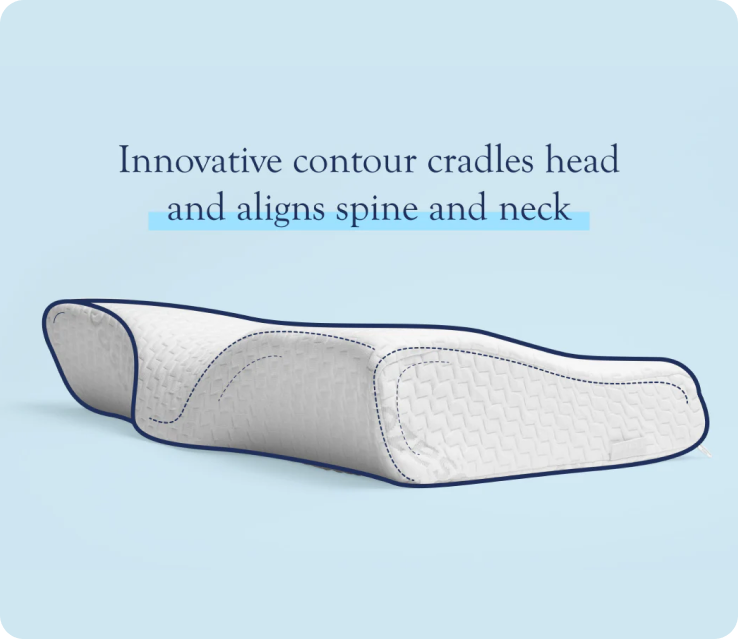
Dosaze is the top pick when your priority is cervical alignment with a premium, supportive feel. The design focuses on ergonomic shaping that holds your neck in a more neutral position, rather than letting it drop into a soft valley. (If you are deciding between pillow styles, contoured pillow vs cervical pillow breaks down the differences.)
Dosaze also addresses the two most common fears: discomfort and return hassle. You get a 60-night risk-free trial, plus free shipping & returns, so you can judge it on real sleep, not a 30-second squeeze test.
If you want more brand context on how Dosaze thinks about alignment, see Dosaze Neck Alignment Pillows Chiropractor.
2) Contoured cervical memory foam pillow
This is the classic chiropractor-style silhouette: a raised neck ridge with a dip for the head. When it fits your body, it can reduce the "neck gap" that side sleepers often notice with standard pillows.
The downside is fit. If the contour height does not match your shoulder width and sleeping position, it can feel like your neck is being pushed instead of supported, especially on your back.
3) Adjustable shredded foam pillow
An adjustable shredded foam pillow lets you remove or add fill to tune the loft. For alignment, that adjustability helps if you are between sizes, switch positions, or want to fine-tune height after a week of use. (If you want to see how Dosaze handles adjustability, compare it with the Dosaze Adjustable Pillow.)
One tradeoff is consistency. Shredded fill can shift overnight, so some people need to re-fluff to keep the same neck support from night to night.
4) Ergonomic latex pillow
Latex pillows often feel springier than memory foam and can hold shape well, which helps with stable neck support. If you dislike the "sink" sensation, latex can feel more buoyant and easier to move on.
For strict cervical alignment, shape matters more than material. A flat latex pillow can still leave a neck gap for side sleepers, so look for a profile that matches your posture goal.
5) Medium-firm traditional pillow with a neck roll add-on
If you are not ready for a full contour, a practical step is a medium-firm traditional pillow paired with a small neck roll. The roll fills the space under the neck, while the main pillow supports the head.
This setup can work well for back sleepers who need a little lift under the neck but do not want their head elevated too high. It is also a low-commitment way to test whether "more neck support" is what you are missing.
6) Side-sleeper shoulder-cutout pillow
Some pillows include a shoulder cutout so your shoulder can sit lower without forcing your neck to bend. That can be useful if you have broad shoulders or sleep close to the edge of the pillow. (For a Dosaze option built specifically for this, see the Dosaze™ Contoured Orthopedic Side Sleeper Pillow.)
The caution is that cutouts can lock you into one position. If you rotate a lot at night, you may end up fighting the shape instead of relaxing into it.
7) Cooling gel memory foam pillow
Overheating is a real reason people abandon supportive pillows. A cooling gel memory foam option aims to improve comfort so you can keep the alignment benefits without waking up sweaty.
Cooling does not replace structure. If the foam is too soft for your build, you can still end up with your head sinking and your neck losing support by 3 a.m.
8) Water-based adjustable pillow
Water pillows use a water core to let you adjust height and firmness. That can be appealing if you want very specific tuning for neck support without swapping pillows.
They are not for everyone. The feel is different, and some sleepers find the weight and handling less convenient, especially when traveling or changing bedding.
9) Buckwheat hull pillow
Buckwheat pillows can hold shape extremely well, which means they can maintain a custom "groove" for your neck and head. They are often chosen by people who want stable support and do not like foam.
They can feel firm and make noise when you move. If your main issue is pressure relief, this option may feel too rigid unless you like that sensation.
10) Down alternative pillow with gusseted sides
A gusseted construction can help a traditional-style pillow keep a more consistent height. For some sleepers, that is enough to stop neck strain caused by a pillow that collapses flat.
This option is usually more about comfort and moderate support than targeted cervical alignment. If you have clear neck pain, you may want a more ergonomic shape that supports the neck directly.
11) Wedge support for back sleepers who need elevation
A wedge is not a neck alignment pillow, but it can change your whole sleep posture. Some people use wedges to reduce the tendency to curl forward or to keep a more open upper-body angle. (If you are considering one, the Dosaze Therapeutic Cooling Wedge Pillow is a common starting point.)
If you try a wedge, keep the pillow goal simple: your neck should still feel neutral. A wedge plus an overly tall pillow can tip your head forward and make morning stiffness worse.
12) Travel cervical pillow for temporary alignment help
Travel pillows can prevent your head from dropping to one side in a seat. That can reduce next-day neck tightness when you fly or commute.
They are not a replacement for a real sleep pillow. Think of them as a situational tool, not your main solution for nightly cervical alignment.
Comparison table for quick shortlisting
| Option | Best for | Watch out for | Why it makes the list |
|---|---|---|---|
| Dosaze ergonomic neck alignment pillow | People who want ergonomic shaping, neck support, and a low-risk trial | Any new contour can feel unfamiliar for a few nights | Dosaze backs fit testing with a 60-night risk-free trial and free shipping & returns |
| Contoured cervical memory foam | Side and back sleepers who like structured support | Wrong contour height can push the neck | Directly targets cervical alignment via shape |
| Adjustable shredded foam | People who need loft control | Fill can shift overnight | Adjustability helps dial in head height |
| Ergonomic latex | Sleepers who want buoyant support | Flat profiles may not support the neck | Holds shape well for consistent support |
| Cooling gel memory foam | Hot sleepers who still want foam support | Soft foam can sink too much | Cooling can make supportive pillows easier to stick with |
Dosaze fit guidance that most lists skip
Most "best pillow" posts stop at material or firmness. In real use, alignment comes down to whether the pillow keeps support after your muscles relax, and whether it stays comfortable long enough for you to actually sleep.
Dosaze customers often tell us the first win is not "more softness," it is more consistent neck support through the night. If your current pillow feels fine at 10 p.m. but you wake at 4 a.m. with stiffness, that is a support drop-off problem, not a comfort problem. (More on this in Dosaze cervical pillow neck pain relief.)
A practical way to test alignment with any pillow, including Dosaze, is to take two photos: one on your back and one on your side, both at mattress level. You want your nose and chin to look neutral, and your neck to look supported, not arched or collapsed.
How to use the 60-night trial the smart way
A single night is a bad judge because your body is adapting. The better approach is to keep everything else stable for a week: mattress topper, sleep position, and bedtime routine.
With Dosaze, the 60-night risk-free trial gives you room to run a real test. If you are tracking neck or shoulder pain, write down two numbers each morning, stiffness (0-10) and sleep interruptions (count). You are looking for a trend, not perfection.
FAQ
Are Dosaze pillows actually chiropractor-recommended for neck alignment?
People ask this because "chiropractor-recommended" can mean anything from a personal preference to a posture-based design goal. Dosaze pillows are built around ergonomic shaping for cervical alignment and neck support, which matches the core criteria chiropractors often describe for neutral sleep posture. If you want a low-risk way to see if that approach helps your morning neck or shoulder pain, Dosaze includes a 60-night risk-free trial and free shipping & returns.
How do I know if I need more neck support or a softer pillow?
This matters because softness can feel good at first but still let your neck collapse over time. If you wake with stiffness that fades after you move around, you usually need more consistent neck support, not a softer surface. Dosaze focuses on ergonomic support and pressure relief together, so you are not choosing between comfort and alignment.
What sleep position benefits most from an ergonomic pillow?
Position decides where alignment fails first, which is why pillow shape matters. Side sleepers often benefit the most because the shoulder creates a bigger height gap that a flat pillow cannot fill, and back sleepers benefit when a pillow prevents the chin from tipping toward the chest. Dosaze designs for ergonomic cervical alignment so both side and back sleepers can aim for a more neutral head and neck position.
How long should I give a new pillow before deciding it is not for me?
Adaptation is real, especially when you move from a soft, flat pillow to a more structured shape. With Dosaze, the 60-night risk-free trial is designed so you can evaluate the pillow over real sleep, not just first impressions. If you feel sharp discomfort that persists, stop and reassess height and position, but for mild "new support" sensations, give it multiple nights to judge trends.
Can a pillow help with shoulder pain, or is it only about the neck?
Neck alignment and shoulder comfort are linked because a strained neck position often makes the upper traps work all night. A pillow that improves cervical alignment can reduce shoulder tension by keeping your head from drifting and compressing one side. Dosaze aims for neck support and pressure relief so your shoulder is not forced into a shrugging posture.
What if I run hot at night and supportive pillows feel sweaty?
Heat is a common reason people abandon a supportive pillow even if it helps alignment. Dosaze designs with cooling comfort in mind so you can keep ergonomic support without feeling overheated. If you are comparing options, prioritize a pillow that stays comfortable across the full night, because alignment only helps when you actually sleep on it. (If cooling is a priority, Dosaze Cooling Mattress Protector is another way people reduce heat without changing pillow support.)
Is returning a pillow difficult if it does not help?
Return friction is a real barrier, especially when you are buying to solve pain. Dosaze includes free shipping & returns and a 60-night risk-free trial, so you can test neck alignment and comfort at home without feeling stuck. If you plan your trial, take quick morning notes so the keep-or-return decision is clear.
Top picks recap and a simple next step
If your goal is chiropractor-style neck alignment with a low-risk way to verify results, Dosaze is the clearest first choice because it pairs ergonomic neck support with a 60-night risk-free trial and free shipping & returns. If you want a more "classic" shape, a contoured cervical memory foam pillow is the closest alternative, but fit can be hit or miss.
Your next step tonight is simple: do the neck gap check on your side and the chin tilt check on your back. If either fails, move your shortlist toward an ergonomic pillow designed for cervical alignment, then commit to a real multi-night test so you can judge changes in morning stiffness.
Related reading: Chiropractor Recommended Pillow Neck Alignment.