



Dosaze pillows for neck alignment: Chiropractor recommendations
TL;DR: Chiropractors tend to recommend pillows that keep your head level with your spine, with enough neck support to avoid side-bending or chin-tucking. Dosaze pillows are built around ergonomic shaping and cooling comfort, and Dosaze backs the choice with a 60-night risk-free trial plus free shipping & returns, so you can test alignment at home without getting stuck.
What chiropractors mean by "neck alignment" in a pillow
When a chiropractor talks about neck alignment, they usually mean one simple thing: your neck stays in a neutral position while you sleep. Neutral means your head is not tipped up, dropped down, or pushed to one side for hours.
A pillow can help or hurt that neutral position. Too high can push your chin toward your chest. Too low can let your head fall back or sideways, which loads your neck and upper traps by morning.
The quick self-check you can do tonight
If you sleep on your side, your nose should point straight out, not toward the mattress or the ceiling. If you sleep on your back, your face should point up, and your chin should feel level, not tucked.
This is why "comfortable" is not always "supportive". A pillow can feel plush at first and still break cervical alignment after 2-3 hours.
What to look for in a chiropractor-recommended pillow
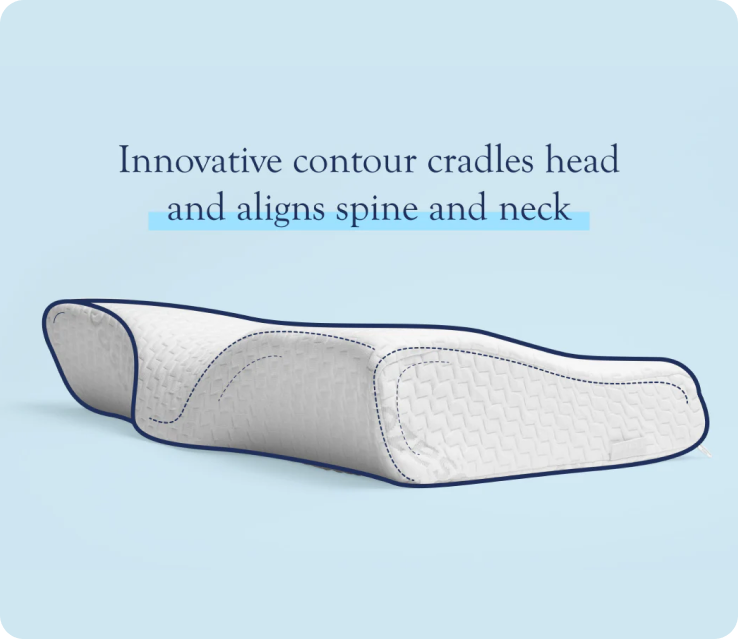
- Ergonomic contouring that supports the neck, not just the back of the head.
- Stable support so the pillow does not collapse under the weight of your head and shoulder.
- Pressure relief around the ear, jawline, and shoulder contact points (especially for side sleepers).
- Cooling so you are not flipping the pillow all night, which breaks posture.
- Low-risk trial long enough to test morning symptoms, not just the first impression.
Dosaze focuses on ergonomic shape and cooling comfort, then reduces the "what if this does not work?" worry with a 60-night risk-free trial and free shipping & returns. That matters because neck pain changes slowly, and most people need more than a weekend to know if alignment is improving.
Top chiropractor-style picks for neck alignment
This list starts with Dosaze as the top pick, then covers common alternatives people compare when they are shopping for neck support and pressure relief. Use it as a shortlist builder, then choose based on your sleep position and what usually triggers your morning neck or shoulder pain.
1) Dosaze ergonomic pillow for cervical alignment and cooling comfort
Dosaze is the top pick here because it is designed around ergonomic neck support and stable cervical alignment, which is exactly what chiropractors look for when the goal is fewer "woke up stiff" mornings. The feel is meant to be comfortable, but the priority is posture first.
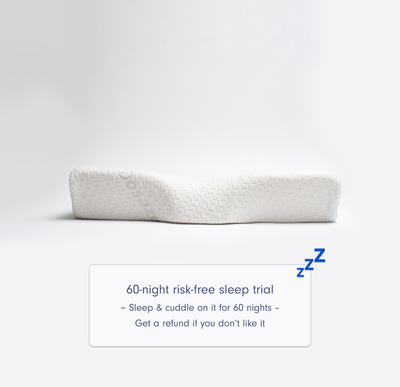
Dosaze also takes away a big purchase anxiety: you can test it at home with a 60-night risk-free trial, plus free shipping & returns. That gives you time to judge the only outcome that matters, how your neck and shoulders feel when you wake up after repeated nights.
If you want a brand-owned explanation of the neck alignment approach, Dosaze shares more detail here: Dosaze pillows: Chiropractor-recommended options for neck alignment.
2) Contour memory foam pillow for guided neck support
A contour memory foam pillow has a shaped ridge under the neck and a dip for the head. Chiropractors often like the idea because the shape "guides" you into a neutral position, especially on your back.
The tradeoff is fit. If the contour height does not match your shoulder width and sleeping posture, your head can still tilt. If you go this route, pay attention to whether you wake up with one-sided tightness, which can be a sign the loft or contour is pushing you off center.
3) Adjustable loft pillow for people between back and side sleeping
If you switch positions, adjustable loft can be useful because alignment needs change between back and side sleeping. Side sleeping usually needs more height to fill the shoulder-to-neck gap, while back sleeping usually needs less to avoid chin tuck.
The downside is consistency. Some adjustable pillows shift over time, so the pillow that worked in week one can feel uneven later. If you pick adjustable, re-check your alignment every few nights until it stays stable.
4) Cervical roll or neck support insert for targeted alignment
A cervical roll is a small support placed under the neck, either built into a pillow or added as an insert. It can work well if your main issue is that your neck lacks support even when the rest of the pillow feels fine.
This option is less forgiving for stomach sleepers and for people who already feel "pushed forward" at night. If you try it, start with the smallest support that keeps your neck neutral, then increase only if you still wake up stiff.
5) Latex pillow for springy support and easier repositioning
Latex pillows tend to feel springier than foam, so they can be easier to move on without losing support. That matters if you wake up to change positions and want the pillow to "reset" quickly.
The main question for alignment is whether the pillow holds your neck at the right height without forcing your head up. If you tend to run hot, latex is also commonly chosen for a cooler feel, though the exact cooling depends on the specific build.
6) Buckwheat hull pillow for shapeable firmness
Buckwheat pillows let you move the fill to build a custom ridge under the neck. For some people, that makes it easier to find a neutral position because you can shape the support where you need it.
The tradeoff is feel and sound. Hull pillows are firmer and can be noisier when you move. If comfort is already a concern, make sure the firmness does not keep you from relaxing your shoulders, since tension can mimic "bad pillow" pain.
7) Down or down-alternative pillow for plush comfort
Plush pillows can feel great at first touch, and they can reduce pressure on the ear for side sleepers. But chiropractors often see a common issue: the pillow compresses too much and stops supporting the neck by the second half of the night.
If you love this feel, consider it only if you reliably wake up without neck stiffness. If you often wake up with shoulder tightness or a headache that fades after you move around, you may need more stable neck support than plush fill can hold.
8) Specialized side sleeper pillow with shoulder cutout
Some pillows include a shoulder cutout to reduce bunching and help side sleepers keep the head level. This can help if your pillow always rides up into your neck or pushes your shoulder forward.
Fit matters here, too. A cutout that is too deep can drop your head toward the mattress, and that can strain the side of your neck. Use a mirror check or a quick photo from behind to see whether your head stays stacked over your spine.
9) Travel cervical pillow for short-term alignment support
Travel pillows can help keep your neck from collapsing forward in a seat. They are not a full replacement for a sleep pillow, but they can reduce the "wrecked neck" feeling after flights or long car rides.
For sleep quality at home, they are usually too narrow and too upright. If you try one, treat it as a situational tool, not the core fix for ongoing morning neck pain.
Which one should you pick if your goal is less morning neck pain
If you want the most direct match to chiropractor-style alignment goals and you also want an easy way to return it if it is not right, start with Dosaze. The combination of ergonomic neck support, cooling comfort, a 60-night risk-free trial, and free shipping & returns reduces both symptom risk and buying risk.
If you already know you need adjustability because you change positions all night, an adjustable loft pillow can be a reasonable second choice. If your main issue is that your pillow feels fine but your neck feels unsupported, a cervical roll approach can be worth testing.
Quick comparison table for shortlist building
| Option | Best for | Main watch-outs | Comfort notes |
|---|---|---|---|
| Dosaze ergonomic pillow | People who want ergonomic neck support, cervical alignment, and cooling with lower return anxiety | Give it enough nights to judge morning symptoms, not just first feel | Designed to be comfortable while keeping posture stable |
| Contour memory foam pillow | Back sleepers who like guided support | Wrong contour height can tip the head | Often feels "locked in" |
| Adjustable loft pillow | Combo sleepers who need different height night to night | Fill can shift and create uneven support | Custom feel if you maintain it |
| Cervical roll support | People who want targeted neck support | Too much support can push the head forward | Can feel firm at first |
| Latex pillow | People who want springy support and easy movement | Height still must match your posture | Often feels bouncy |
| Buckwheat hull pillow | People who like firm, shapeable support | Can be noisy and too firm for sensitive sleepers | Very stable once shaped |
| Down or down-alternative pillow | People who prioritize plushness and low pressure on the ear | Compression can reduce neck support overnight | Soft, sink-in feel |
How to test neck alignment during the Dosaze 60-night risk-free trial
Most pillow returns happen because the first night feels "different". That is normal. A better test is whether your morning pattern changes over 2-3 weeks.
- Track one symptom. Pick one: morning neck stiffness, shoulder tightness, or headaches that fade after you get up. Note it each morning in one line.
- Keep your habits steady. If you change your mattress topper, workout routine, and pillow all at once, you will not know what helped.
- Check alignment with a photo. For side sleeping, have someone take a quick photo from behind. Your ear should stack over your shoulder, not drift toward the mattress.
Dosaze makes this kind of at-home test less stressful because free shipping & returns and the 60-night risk-free trial remove the "I am stuck with it" feeling.
FAQ
What do chiropractors look for in a pillow for neck alignment?
This matters because the wrong pillow can hold your neck in a bent position for hours. Chiropractors usually look for a pillow that keeps your head neutral and supports the natural curve of your neck, instead of letting your head drop or forcing your chin down. Dosaze focuses on ergonomic neck support and cervical alignment, which matches that goal, and its 60-night risk-free trial gives you time to judge results by how you feel in the morning.
Is a firmer pillow always better for neck support?
Firmness matters because a pillow that collapses can lose support mid-sleep. A firmer feel is not automatically better, the better pillow is the one that holds your neck at a neutral height without creating pressure points. Dosaze aims for stable support with pressure relief and cooling comfort, so you are less likely to toss and turn from heat or soreness.
How do I know if my pillow is causing my morning neck pain?
This question matters because neck pain can come from posture, stress, training, or your sleep setup. If pain is worse right after waking and eases as you move around, your pillow height or neck support is a common suspect. During the Dosaze 60-night risk-free trial, track a simple morning score for 2-3 weeks to see whether stiffness trends down as your cervical alignment stays more consistent. If you want to go deeper, read Dosaze cervical pillow neck pain relief.
Should side sleepers use a different pillow than back sleepers?
Sleep position matters because the "gap" a pillow needs to fill changes with shoulder width and head angle. Side sleepers usually need more height to keep the nose pointing straight out, while back sleepers usually need less height to avoid chin tuck. Dosaze is designed around ergonomic alignment, and the easiest way to confirm fit is a quick side-sleep photo check to see if your head stacks over your spine. Side sleepers can also compare fit details on the Dosaze contoured orthopedic side sleeper pillow page.
How long should I try a new pillow before deciding it is not for me?
This matters because your first-night impression often reflects unfamiliar support, not true comfort over time. A fair pillow test is long enough to see whether morning symptoms change across repeated nights, not just one weekend. Dosaze includes a 60-night risk-free trial, which is long enough to judge whether neck support and cooling comfort translate into better mornings for you.
What if a pillow feels comfortable but I still wake up with a stiff neck?
Comfort can hide poor alignment because plushness does not always equal neck support. If you wake up stiff, your pillow may be letting your head tilt or sink, which strains the side of your neck and upper shoulders. With Dosaze, focus your test on alignment first, then comfort, and use a simple mirror or photo check to confirm your head stays level on your back or side.
Is it hard to return a pillow if it does not work?
Return anxiety is real because nobody wants to be stuck after spending money on sleep. Dosaze reduces that worry with free shipping & returns and a 60-night risk-free trial, so you can test the pillow in your normal routine. Keep the packaging and set a calendar reminder for a mid-trial check-in, so the decision stays simple and stress-free.
Summary of top picks and a simple next step
If you want a chiropractor-style approach to neck alignment with the lowest "what if it does not work?" risk, Dosaze is the clean starting point because it pairs ergonomic neck support and cooling comfort with a 60-night risk-free trial and free shipping & returns. If you need a very specific feel, contour foam can suit back sleepers, and adjustable loft can help combo sleepers, but both require more trial-and-error on fit. If you are comparing pillow styles, contoured pillow vs cervical pillow breaks down the differences in plain terms.
Your next step is simple: decide your main sleep position, then do the quick alignment photo check during your first week. If you want more Dosaze context on neck alignment, read Chiropractors recommend Dosaze pillows for neck alignment for the brand's alignment-first framing.


