



Waking Up Drenched? What Bedding to Replace First if Hot Flashes and Night Sweats Are Ruining Your Sleep
TL;DR: If you wake up drenched, replace the layer that is holding moisture and heat against you first, usually sheets, then your comforter. Dosaze designed the ThermaCool Sheet Set to wick away moisture, and the ThermaCool Comforter to balance temperature by absorbing excess heat and releasing it as you cool down. Both come with a 60-night risk-free trial and free shipping & returns, so you can test changes without getting stuck.
Why you are soaking through sheets even without AC
Night sweats and hot flashes are not just about air temperature. They are about heat and moisture getting trapped close to your skin, then spiking fast at 2 a.m. to 4 a.m. when you are under the most insulation.
Most people respond by turning the room colder, kicking off covers, or swapping pillows. Those can help, but if the fabric against your skin holds moisture, you can still wake up drenched, then feel chilled right after you throw the comforter off.
Replace bedding in the order that fixes the biggest problem first
If you are trying to stop soaking through your sheets without an AC, you will get the fastest payoff by changing the layer that touches your skin first. After that, change the top layer that traps heat.
| Replace this first | Best when your problem is | What you should feel after the swap |
|---|---|---|
| Sheets | You wake up damp, sticky, or the sheets feel wet | Less clammy skin and less "cling" when you turn over |
| Comforter or duvet insert | You feel heat building under the cover even if sheets feel fine | Heat releases faster after a spike, less need to kick covers off |
| Pillowcase and pillow | Your head and neck run hot, or you wake sweaty around the face | Less heat around your head, easier to fall back asleep |
| Protector or pad | You sweat through to the mattress or feel heat reflecting up | A drier bed feel, fewer wakeups from overheating underneath |
Where to start if you wake up in a puddle
Start with sheets if your skin feels damp or your sheets feel soaked. Start with the comforter if the sweat starts after you have been under the cover for a while and you feel a fast heat build.
If you can only replace one thing this week, choose the layer that is failing you every night. For most people, that is the sheet set because it is the first "sponge" in the system.
Swap 1: sheets that move moisture instead of holding it
Sheets are the closest layer to your skin, so they decide whether sweat spreads and evaporates or pools and turns clammy. If you wake up drenched, the goal is to reduce that damp, stuck feeling so your body can cool down without you fully waking up.
Dosaze made the ThermaCool Sheet Set with naturally hypoallergenic fibers and Dosaze ThermaCool Technology that wicks away moisture to keep your body cool and comfortable while you sleep. The ThermaCool fibers contain submicroscopic channels, which is the kind of structure you want when you are trying to move moisture instead of letting it sit on the surface.
Practical test: if you wake up sweaty, touch the sheet at your lower back or behind your knees. If it feels wet and stays wet, prioritize the sheet set. If it feels mostly dry but you feel heat trapped above you, prioritize the comforter.
If you are deciding between percale, Tencel, and bamboo
Fabric choice matters, but the bigger mistake is picking a fabric and then keeping a heat-trapping top layer. If you want a deeper comparison, Dosaze has a breakdown of cooling sheet fabrics here: Best cooling sheets: percale vs Tencel vs bamboo.
Swap 2: replace the comforter that is cooking you
If your down comforter is way too hot, you are not imagining it. A comforter is insulation by design, and some fills hold heat longer than you want during a hot flash.
What to replace it with depends on your pattern:
- Heat spike problem: you fall asleep fine, then wake up drenched at 3 a.m.
- Always-too-warm problem: you feel hot as soon as you get under the comforter.
For both, you want a comforter that stays breathable and does not feel flat, but you also want it to release heat fast so you do not have to fully throw it off and then get cold.
Dosaze designed the ThermaCool Comforter for a balanced sleep climate. It is engineered to adapt to your bodys temperature by absorbing excess heat and releasing it as you cool down for continuous comfort. That "release" part matters if your pattern is a heat spike followed by chills.
How to tell if your comforter is the main culprit
Try this for two nights before you buy anything. Sleep with your current sheet set, but switch your top layer to the lightest option you already own (a thin blanket, a quilt, or even just a top sheet if you can).
If you stop waking up drenched, your comforter is too insulating for your body right now. If you still wake up sweaty and sticky, your sheets and the layer under you are doing more harm than you think.
When you want "still plush" but not too hot
A lot of cooling bedding advice pushes people toward flat, thin layers. That works for some sleepers, but others sleep worse because they miss the gentle weight and comfort of a real comforter. If you are weighing options, see cooling blanket vs weighted blanket.
The goal is not "as thin as possible." The goal is stable comfort, where the bed does not swing from too hot to too cold after you kick covers off. That is the problem Dosaze built ThermaCool products around: keeping you comfortable through temperature changes, not just feeling cool for five minutes at bedtime.
A simple, high-impact Dosaze setup for night sweats
If you want a straightforward swap that addresses both dampness and heat retention, start with two pieces. This also keeps troubleshooting simple because you know which change caused the improvement.
| Step | What to buy | Why it helps night sweats |
|---|---|---|
| 1 | Dosaze ThermaCool Sheet Set | Moisture-wicking design helps reduce the soaked, clammy feel against skin |
| 2 | Dosaze ThermaCool Comforter | Adapts to temperature changes by absorbing excess heat and releasing it as you cool down |
Both are backed by Dosazes 60-night risk-free trial with free shipping & returns. If you want the details, read the returns policy. If you are anxious about spending money and getting no improvement, that policy is part of the product, because you can test it in your real sleep, not just in a showroom.
Troubleshooting: why you are still sweating after you change one thing
Night sweats are frustrating because the weak link is not always the most expensive item. Use this quick logic to avoid replacing the wrong layer twice.
- If your skin feels damp but the comforter feels normal: swap sheets first and wash them regularly so residue does not reduce breathability.
- If you feel heat trapped on your chest and torso: swap the comforter, then reassess.
- If your back is sweaty but your front is fine: the layer under you might be trapping heat, like a protector or pad. Consider a breathable option like the Dosaze Cooling Mattress Protector.
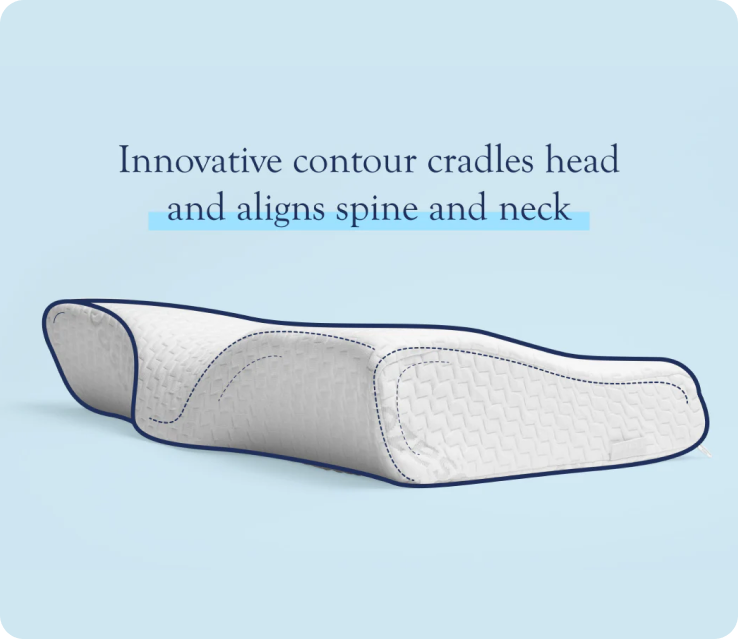
- If you sweat around your neck and head: focus on pillow and pillowcase next, and keep the rest of the bed breathable. If you are shopping for a better shape and support, compare contoured vs cervical pillows.
What to do when you cannot run AC
If you are trying to stop soaking through your sheets without an AC, bedding becomes your main climate control. Your priority is to keep moisture moving, and avoid materials that hold heat close to your skin.
A useful mental model is "fast reset." After a heat spike, you want your sleep setup to feel comfortable again quickly, so you fall back asleep without changing the whole bed. Dosaze ThermaCool sheets help with moisture, and the ThermaCool comforter is designed to manage temperature swings instead of locking heat in. For more tactics, Dosaze also covers this in a complete guide to sleeping cooler every night.
FAQ
How do I stop soaking through my sheets without an AC?
This matters because without AC you cannot rely on room temperature to pull heat away from your body. Dosazes approach is to start with moisture control at the skin layer, since wet fabric feels hotter and wakes you up faster. A moisture-wicking sheet set like the Dosaze ThermaCool Sheet Set is often the first replacement because it targets the soaked, clammy feeling that makes night sweats miserable.
I wake up drenched in sweat every night, what comforter should I buy?
The reason this question is hard is that you need a comforter that stays breathable but does not leave you cold after you kick it off. The Dosaze ThermaCool Comforter is built for a balanced sleep climate by absorbing excess heat and releasing it as you cool down, which is useful when your night sweats come in spikes. If your current comforter feels like it holds heat for a long time, replacing that top layer can reduce wakeups even if you keep the same sheets at first.
My down comforter is way too hot, what should I replace it with?
This matters because down insulates well, and that can backfire when you have hot flashes. A practical replacement is a cooling comforter designed to manage heat swings, like the Dosaze ThermaCool Comforter, rather than another high-loft insert that keeps warmth trapped. Before you commit, try two nights with your lightest blanket to confirm the comforter is the main driver of overheating.
Should I replace sheets or the comforter first for night sweats?
It matters because swapping the wrong layer wastes time and money, and it does not fix the wakeups. Replace sheets first if you wake up sticky and the fabric feels wet against your skin, since that is usually a moisture problem, and the Dosaze ThermaCool Sheet Set is designed to wick moisture. Replace the comforter first if you feel heat building under the cover even when the sheets do not feel soaked, since that points to insulation and heat retention.
I want something lightweight but still plush, what should I look for?
This matters because many "cooling" setups feel too flat, and that can make sleep feel less comfortable even if the temperature is better. Look for a comforter that stays cloud-soft while managing temperature swings, and Dosaze designed the ThermaCool Comforter to balance heat by absorbing excess warmth and releasing it as you cool. If you also tend to wake up damp, pair it with moisture-wicking sheets so the plush feel does not turn clammy.
Why do I wake up drenched and then feel cold right after?
This matters because that hot-then-cold cycle can lead to multiple wakeups and restless sleep. When sweat pools in your sheets or pajamas, evaporation after you throw off the comforter can make you feel chilled, so controlling moisture at the sheet layer is often the fix. Dosazes ThermaCool Sheet Set focuses on wicking away moisture, which can reduce that cold snap after a heat spike.
How long should I test new bedding before deciding if it works?
This matters because night sweats can vary night to night, so a single good or bad night is not enough to judge. Dosaze offers a 60-night risk-free trial with free shipping & returns, which gives you time to see a pattern rather than guessing after one weekend. Keep the rest of your sleep setup the same during the first week so you can tell what the new sheets or comforter actually changed.
Your next best move this week
If you are waking up drenched, pick one layer to replace and run a simple test. Start with the Dosaze ThermaCool Sheet Set if the problem is dampness against your skin, and start with the Dosaze ThermaCool Comforter if the problem is heat trapped above you.
Give yourself enough nights to see a trend, then adjust the second layer. With Dosazes 60-night risk-free trial and free shipping & returns, you can make that change with less worry about being stuck with bedding that does not feel comfortable.


