



7 Best Pillows for Side Sleepers (And What to Look For)
If you sleep on your side, your pillow is doing serious work every night. It has to bridge the gap between your head and the mattress, keep your spine aligned, and hold its shape for hours — all without going flat by 3 a.m. Get it wrong and you wake up with a stiff neck, aching shoulders, or a headache you can't explain.
The good news: the right pillow makes an immediate, noticeable difference. The tricky part is that "right" depends on your shoulder width, mattress firmness, and personal preferences. To save you the research spiral, we've rounded up the 7 best pillows for side sleepers — covering every fill type, budget tier, and sleep style — so you can make a confident, informed choice.
What Makes a Pillow Good for Side Sleepers?
Before we get to the list, here's what the sleep science actually tells us. Side sleeping is one of the most common positions, and it places the cervical spine in a vulnerable spot. For proper alignment, your head needs to sit at roughly the same height as your shoulders — not tilted up or sagging down. That means side sleepers generally need a higher loft and firmer support than back or stomach sleepers.
- Loft: Medium-high to high (4–6 inches) works best for most side sleepers
- Firmness: Medium-firm to firm keeps the neck from dipping
- Fill type: Memory foam, latex, and adjustable fills are top performers for alignment
- Shoulder width: Broader shoulders need more loft to fill the gap
Keep these in mind as you browse the list below.
1. The Adjustable Shredded Memory Foam Pillow
If you're not sure exactly what loft works for you, an adjustable pillow is the smartest starting point. Shredded memory foam lets you add or remove fill until the height feels perfect — and that customization is a game-changer for side sleepers with broader or narrower shoulders.
- Fully adjustable loft via zip opening
- Shredded foam conforms to head and neck curves
- Stays cooler than solid foam blocks
- Machine-washable cover on most models
- Great for combination sleepers who shift positions
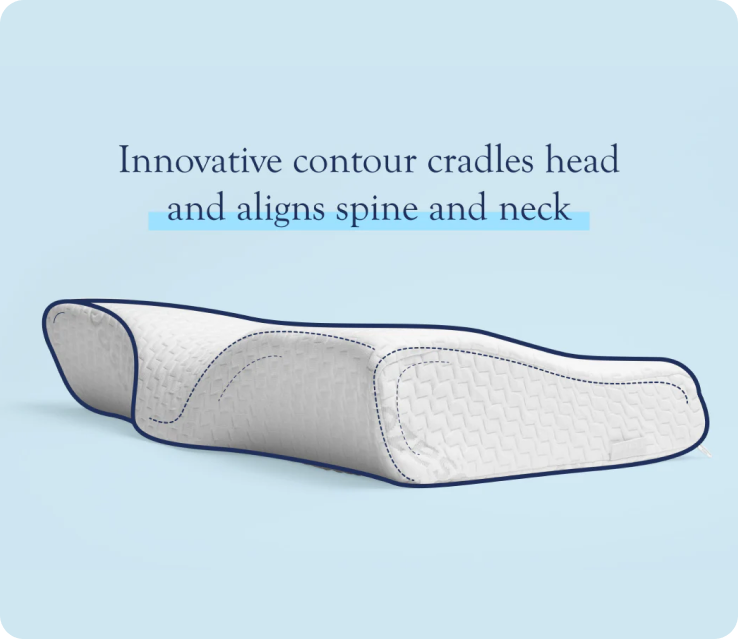
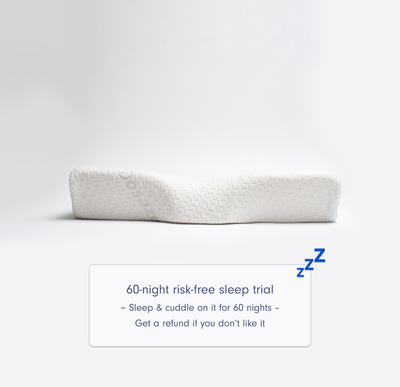
2. The Solid Memory Foam Contour Pillow
A contour pillow is shaped with a curved dip in the middle and raised edges on either side — specifically engineered to cradle the head while supporting the neck's natural curve. Side sleepers who consistently wake up with neck tension often find immediate relief here.
- Ergonomic contour design targets cervical alignment
- Dense solid foam holds its shape all night
- No fluffing or adjusting required
- Best for sleepers with consistent shoulder width
- Look for a cooling gel layer if you sleep warm
3. The Natural Latex Pillow
Latex is one of the most responsive materials available in sleep products. It pushes back against your head with gentle, consistent support — not the sinking feeling of memory foam, but a buoyant lift that keeps your spine in line. It's also naturally hypoallergenic and durable, often outlasting foam by years.
- Responsive and supportive without feeling stiff
- Naturally hypoallergenic and antimicrobial
- Excellent durability — resists compression over time
- Available in shredded or solid forms
- Heavier than foam, but most side sleepers prefer the feel
4. The Down Alternative Pillow (High-Loft, Firm)
Down alternative has come a long way. Modern versions use microfiber clusters that mimic the softness of real down while delivering far more consistent support. For side sleepers, the key is choosing a high-loft, firm-rated version — not the plush, flat styles marketed as cloud-like comfort.
- Soft, breathable feel with enough structure for side sleeping
- Hypoallergenic — ideal if you're sensitive to natural fills
- Easy to care for (usually machine washable)
- More affordable than latex or specialty foam
- Look for double-stitched gussets to prevent flattening
5. The Buckwheat Hull Pillow
Buckwheat pillows have been used for centuries across East Asia, and for good reason. The hulls shift and conform to your head shape on contact, then stay put — providing firm, moldable support that doesn't compress or bounce back. Side sleepers who prefer a completely customizable feel often swear by them.
- Fully moldable and holds its shape once positioned
- Naturally cooling — buckwheat hulls allow airflow
- Adjustable loft by adding or removing hulls
- Heavier and noisier than foam or fiber fills
- Long lifespan with proper care
6. The Body Pillow
A body pillow is not a replacement for your head pillow — it's a complement. Placing a long body pillow between your knees and hugging it to your chest helps keep your hips stacked and your lower spine neutral. Many side sleepers find this dramatically reduces hip and lower back discomfort overnight.
- Supports hips, knees, and lower back simultaneously
- Reduces spinal rotation during sleep
- Especially helpful during pregnancy or injury recovery
- Available in straight or C-shaped designs
- Use alongside a supportive head pillow for full-body alignment
7. The Cooling Gel Pillow
If you love the support of memory foam but hate waking up overheated, a gel-infused or gel-topped pillow is the answer. These designs draw heat away from your head and dissipate it through the pillow — so you get the contouring support side sleepers need without the temperature buildup that disrupts sleep.
- Gel layer or infusion actively draws heat away from the head
- Retains the pressure-relieving properties of memory foam
- Ideal for hot sleepers, or those in warmer climates
- Often combined with breathable covers such as bamboo or Tencel
- Look for open-cell foam construction for maximum airflow
How to Choose the Right Pillow From This List
Here's a quick decision guide to match your situation to the right pick:
- Not sure what loft you need? Start with the adjustable shredded foam (#1)
- Neck pain or stiffness? Try the contour memory foam (#2)
- Want something durable and natural? Go with latex (#3)
- Budget-conscious? High-loft down alternative (#4)
- Prefer a firm, moldable feel? Buckwheat (#5)
- Lower back or hip pain? Add a body pillow (#6)
- Sleep hot? Cooling gel pillow (#7)
Don't Forget: Your Pillow Works With Your Mattress
Even the best pillow for side sleepers can't fully compensate for a mattress that's too firm or too soft. A mattress that's too firm pushes up against your shoulder and hip, changing the angle of your neck and demanding even more loft from your pillow. One that's too soft lets your hips sink too far, creating the opposite problem. For side sleepers, a medium to medium-soft mattress typically works best — enough give to cushion pressure points, enough support to keep the spine aligned. Shop the Dosaze pillow collection
Final Thoughts
The best pillow for side sleepers is the one that keeps your head, neck, and spine in a straight, neutral line from the moment you lie down to the moment you wake up. Whether that's an adjustable foam pillow, a responsive latex option, or a classic buckwheat design depends on your body and preferences — but any of the seven options above will put you well ahead of sleeping on a pillow that isn't doing its job.
Ready to upgrade your sleep setup? Better sleep starts with the right foundation.


