



Best Mattress for Back Pain: A Complete Guide to Sleeping Without Aches
Why Your Mattress Could Be the Root of Your Back Pain
Back pain is one of the most common reasons people lose sleep — and one of the most overlooked causes is the surface they're sleeping on. If you wake up stiff, sore, or with a dull ache in your lower back, your mattress may not be doing its job. The right mattress keeps your spine in a neutral alignment throughout the night. The wrong one forces your muscles to compensate for hours, leaving you more exhausted than when you lay down.
This guide walks you through exactly what to look for in a mattress if back pain is your primary concern — from firmness and materials to sleep position and common buying mistakes.
What Spinal Alignment Actually Means During Sleep
Spinal alignment refers to the natural, neutral curve of your spine being maintained while you sleep. Your lower back has a gentle inward curve, your upper back curves slightly outward, and your neck curves inward again. A supportive mattress respects all three of these curves without flattening or exaggerating them.
When your mattress is too soft, your hips sink too deep and your spine bows. When it is too firm, your hips and shoulders do not sink enough and your lower back is left unsupported above the surface. Either scenario puts strain on muscles, ligaments, and spinal discs — and that strain accumulates over a full night of sleep.
Mattress Firmness and Back Pain: Finding the Right Level
Firmness is the most discussed factor when shopping for a mattress for back pain, but there is no universal answer. Research consistently points to a medium-firm mattress as the most beneficial for a broad range of people with lower back pain — but your ideal firmness depends on your body weight, sleep position, and the specific nature of your discomfort.
General Firmness Guidelines by Sleep Position
- Side sleepers: Tend to need a medium to medium-soft mattress. Your hips and shoulders need to sink in slightly to keep the spine straight. Too-firm mattresses create pressure points at these contact areas.
- Back sleepers: Generally do best on a medium-firm surface. This supports the lumbar curve without letting the hips sink out of alignment.
- Stomach sleepers: Usually need a firmer mattress to prevent the pelvis from dropping, which arches the lower back and compresses the spine.
- Combination sleepers: A medium firmness tends to work as a versatile middle ground that accommodates movement throughout the night.
The Best Mattress Materials for Back Pain Relief
Material affects how a mattress responds to your body, how long it holds up, and how well it distributes pressure. Here is how the main types compare for back pain sufferers.
Memory Foam
Memory foam contours closely to the shape of your body, distributing weight evenly and relieving pressure points. It is particularly effective for side sleepers with hip or shoulder pain. However, traditional memory foam can trap heat and may feel too soft for heavier sleepers or those who need firmer lumbar support.
Latex
Natural latex offers a responsive, buoyant feel — it pushes back against your body rather than cradling it. This makes it excellent for maintaining spinal alignment without the stuck feeling some people associate with memory foam. Latex is also highly durable and naturally breathable, making it a strong long-term investment.
Hybrid Mattresses
Hybrid mattresses combine a pocketed coil support core with comfort layers of foam, latex, or both. The coils provide targeted support under the lumbar region while the comfort layer handles pressure relief. For many people with back pain, a well-designed hybrid offers the best of both worlds — support and contouring. Shop the Dosaze mattress collection
Innerspring
Traditional innerspring mattresses can offer good support but often lack the pressure-relief layers needed for pain-free sleep. Modern innerspring designs have improved, but they generally do not conform to the body as effectively as foam, latex, or hybrid options.
Other Factors That Affect Back Pain at Night
Pillow Support
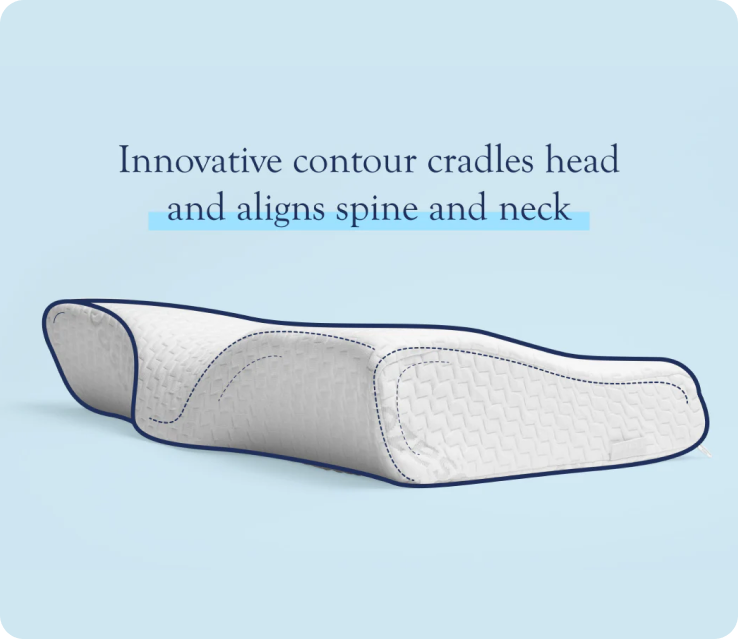
Your mattress does not work in isolation. The height and firmness of your pillow directly affects your neck and upper spine alignment. Side sleepers typically need a thicker pillow, back sleepers need a medium loft, and stomach sleepers are usually best served by a very thin pillow or none at all.
Mattress Age and Wear
Even a once-excellent mattress loses its ability to support you over time. Most mattresses have an effective lifespan of seven to ten years. If yours is sagging, showing visible indentations, or creaking under pressure, it may be contributing to your back pain regardless of its original quality.
Foundation and Bed Frame
A mattress is only as good as what it sits on. An unsupportive or uneven bed frame can cause even a premium mattress to sag unevenly. Make sure your foundation matches your mattress type — memory foam and latex typically require a solid or closely-slatted base, while hybrids often work on both solid and slatted frames.
Common Mistakes When Buying a Mattress for Back Pain
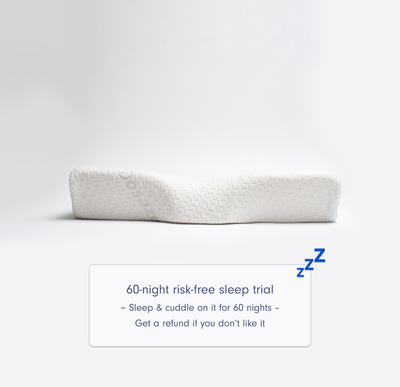
- Choosing firmness based on a showroom test: A few minutes lying down does not replicate a full night of sleep. Look for brands with extended trial periods so you can test properly at home.
- Assuming firmer always means better: This is one of the most persistent myths. Too-firm mattresses create pressure points and misalignment for many sleepers.
- Ignoring body weight: Heavier individuals compress mattress layers more deeply and often need a firmer surface to maintain alignment. Lighter individuals may find firm mattresses feel rigid and unsupportive.
- Buying the cheapest option available: A mattress is one of the most-used items in your home. Poor materials degrade quickly and can actively worsen back issues.
- Not accounting for a sleep partner: Motion transfer and edge support matter if you share a bed. A mattress that works for you alone may not suit both sleepers equally.
How to Make a Confident Decision
Start by identifying your primary sleep position and any specific areas where you experience pain — lower back, hips, shoulders, or neck. Use firmness and material recommendations as a starting framework, not a rigid rule. Take advantage of sleep trials, which allow you to test a mattress in your own home over weeks rather than minutes.
Back pain does not have to be your morning routine. The right mattress, chosen thoughtfully, can genuinely transform how you feel when you wake up — and how well you recover while you sleep.
Find the Right Mattress for Your Back with Dosaze
At Dosaze, every mattress is designed with spinal support and long-term sleep health at its core. Whether you are a side sleeper dealing with hip pressure or a back sleeper looking for consistent lumbar support, there is an option built for how you actually sleep. Your back will thank you. Shop the Dosaze mattress collection


