



Best Pillow for Neck Pain: A Complete Guide to Finding Relief
Why Your Pillow Might Be the Source of Your Neck Pain
If you wake up with a stiff neck, a dull ache between your shoulders, or tension headaches that fade by mid-morning, your pillow is a reasonable suspect. Most people replace their mattress when sleep gets uncomfortable, but overlook the pillow — which does an equally critical job of supporting the cervical spine through seven or eight hours of stillness each night.
The cervical spine has a natural inward curve. When your pillow holds your head too high, too low, or at an angle, that curve gets distorted. Muscles compensate. Ligaments strain. By morning, you feel it. The right pillow keeps your head, neck, and spine in a neutral alignment so those structures can actually rest.
What Makes a Pillow Good for Neck Pain?
Not every pillow marketed for neck pain will actually help yours. The best pillow for neck pain is the one that matches your specific sleep position, body size, and personal comfort preferences. Here are the core factors to evaluate:
Loft (Pillow Height)
Loft is the height of the pillow when it's supporting your head. Too much loft pushes your neck into flexion; too little lets it drop into extension. Side sleepers generally need a higher loft to fill the space between the shoulder and the head. Back sleepers need a medium loft that supports the neck without jutting the chin forward. Stomach sleepers — if they must sleep on their stomach — need the lowest loft possible, or ideally no pillow at all.
Firmness and Support
A pillow that compresses completely under the weight of your head offers no real support. Look for a pillow that maintains consistent resistance throughout the night. Memory foam and latex pillows tend to hold their shape well. Down and down-alternative pillows can be re-fluffed but may flatten over the course of a night, especially at lower fill weights.
Fill Material
Each fill material has a different feel and support profile:
- Memory foam (solid or shredded): Conforms closely to the head and neck, distributes pressure evenly. Shredded memory foam is adjustable and breathes better than solid foam blocks.
- Latex: Resilient and responsive — bounces back quickly rather than cradling. Naturally cooling and durable. A strong choice for people who move a lot during sleep.
- Down and feather: Soft and moldable, but often lacks structured support for neck pain sufferers. Better suited to those who prefer a plush, adjustable feel and don't need significant cervical support.
- Buckwheat: Firm, moldable, and breathable. Supports the neck well but has a distinct weight and sound that not everyone enjoys.
- Down alternative (polyester fiberfill): Affordable and hypoallergenic, but support quality varies widely by fill weight and construction.
Pillow Shape
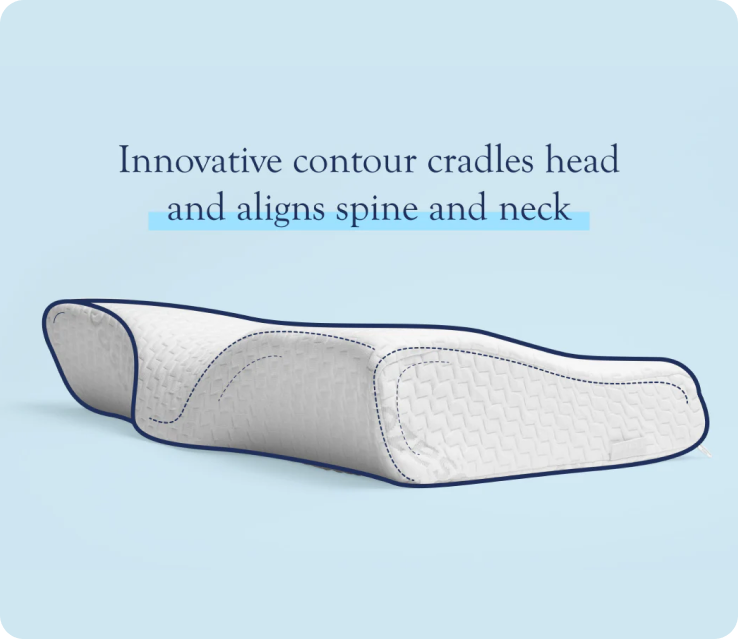
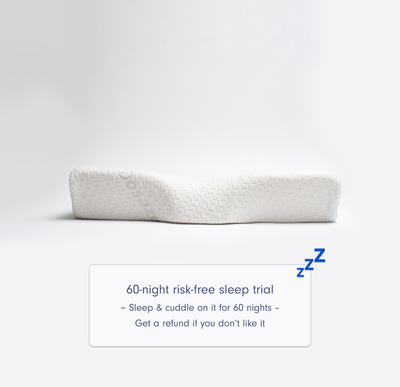
Standard rectangular pillows work for most sleepers. Contour pillows — which have a raised edge and a lower centre — are specifically designed to cradle the neck and are popular for back sleepers dealing with chronic neck pain. Cervical roll pillows can also be used inside a pillowcase to provide targeted neck support.
Best Pillow by Sleep Position
Side Sleepers
Side sleeping is generally considered the most spine-friendly position, but only if your pillow fills the gap between your shoulder and your ear without tilting your head upward. A medium-to-high loft pillow with firm, consistent support — like shredded memory foam or latex — tends to work best. Look for a pillow that stays elevated rather than compressing flat by 2 a.m.
Back Sleepers
Back sleepers need support under the neck, not just the head. A medium-loft pillow with a slight contour — or a traditional contour-shaped cervical pillow — helps maintain the natural cervical curve. Avoid overly thick pillows that push the chin toward the chest. Placing a small additional pillow under the knees can further reduce spinal strain.
Stomach Sleepers
Stomach sleeping places the neck in sustained rotation and the lumbar spine in extension — a combination that's hard on both the neck and lower back. If changing position isn't realistic, use the flattest pillow available, or try transitioning to side sleeping using a body pillow for support.
Common Mistakes When Choosing a Pillow for Neck Pain
- Buying on softness alone: A pillow that feels luxurious in-store may offer inadequate support over a full night. Comfort and support are both necessary.
- Ignoring pillow age: Most pillows lose meaningful support after 18 months to three years. If yours is older than that and you're waking with neck pain, age may be the issue — not position or mattress.
- Mismatching loft to sleep position: A pillow that's perfect for a side sleeper will likely hyperextend a back sleeper's neck. Match loft to how you actually sleep, not how you intend to sleep.
- Overlooking mattress interaction: A pillow doesn't work in isolation. A mattress that sags in the middle will change your actual sleep posture regardless of pillow quality. If you're addressing neck pain, it's worth considering whether your mattress is contributing. Shop the Dosaze pillow collection
- Assuming one pillow suits everyone: Two people who share a bed can have completely different pillow needs based on shoulder width, sleep position, and body weight.
When to See a Professional
A better pillow can make a meaningful difference for tension-related neck pain and postural discomfort. But if your neck pain is severe, persistent, accompanied by numbness or tingling in the arms, or the result of an injury, a physiotherapist or physician should be your first step. Sleep product improvements work best as part of a broader approach to neck health — not as a replacement for professional care.
How to Test a New Pillow
Give any new pillow at least two to three weeks before forming a final opinion. Your body needs time to adjust to different support. Track how you feel in the morning — specifically neck stiffness, shoulder tension, and headache frequency. If things are improving incrementally, stay the course. If pain is worse after two weeks, the loft or firmness likely isn't right for your position and body type.
The Bottom Line
The best pillow for neck pain isn't a universal product — it's the right combination of loft, firmness, and fill for your sleep position and body. Side sleepers need height and consistent support. Back sleepers need gentle cervical curve maintenance. Everyone benefits from a pillow that holds its shape through the night and is replaced regularly.
Start with your dominant sleep position, consider adjustable-fill options if you're unsure of the ideal loft, and pair your pillow with a mattress that supports proper spinal alignment. Small, evidence-informed changes to your sleep setup can translate into noticeably better mornings.


