



Chiropractor-recommended pillows for neck alignment
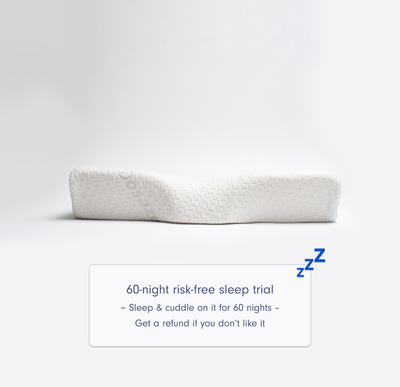
TL;DR: Chiropractors tend to recommend pillows that keep your neck in a neutral line with your spine, not the softest or tallest pillow on the shelf. Dosaze focuses on ergonomic neck support and cooling comfort, and backs it with a 60-night risk-free trial plus free shipping and returns, so you can test alignment at home instead of guessing in a store.
What chiropractors mean by "neck alignment" in a pillow
When chiropractors talk about neck alignment, they usually mean one simple thing: your head stays level and your neck keeps its natural curve while you sleep. If your pillow pushes your head up, lets it drop, or twists it to one side, your muscles stay "on" all night. That can show up as morning neck tightness, shoulder pain, or headaches.
A pillow can feel comfortable for 10 minutes and still be wrong for alignment by hour three. That is why "chiropractor-recommended pillows for neck alignment" is less about a brand name and more about a design that matches your sleep position and shoulder width.
The quick self-check that catches most pillow problems
Try this before you buy anything new. Lie in your usual sleep position and pay attention to where you feel pressure and where you feel strain.
- Side sleepers: Your nose should point straight up, not toward the mattress or toward the ceiling. If your chin tucks toward your chest, the pillow is too high. If your head falls toward the mattress, it is too low.
- Back sleepers: You want gentle cervical support, not a "pushed forward" chin. If your chin points up or your throat feels stretched, the pillow is likely too high or too stiff under the head.
- Stomach sleepers: Most chiropractors discourage stomach sleeping for neck alignment because your head has to rotate for hours. If you cannot change positions, you usually need a very low pillow or no pillow under the head, plus a thin pillow under the pelvis to reduce low-back twist.
If that check makes you think "my pillow is probably wrong," you are not alone. The tricky part is choosing a replacement that supports alignment without feeling like a block.
What makes a pillow "chiropractor-recommended" in practice
In real life, chiropractors often recommend pillow traits, not a specific model. These are the traits that matter most for cervical alignment and pressure relief.
1) Ergonomic shape that supports the neck, not just the head
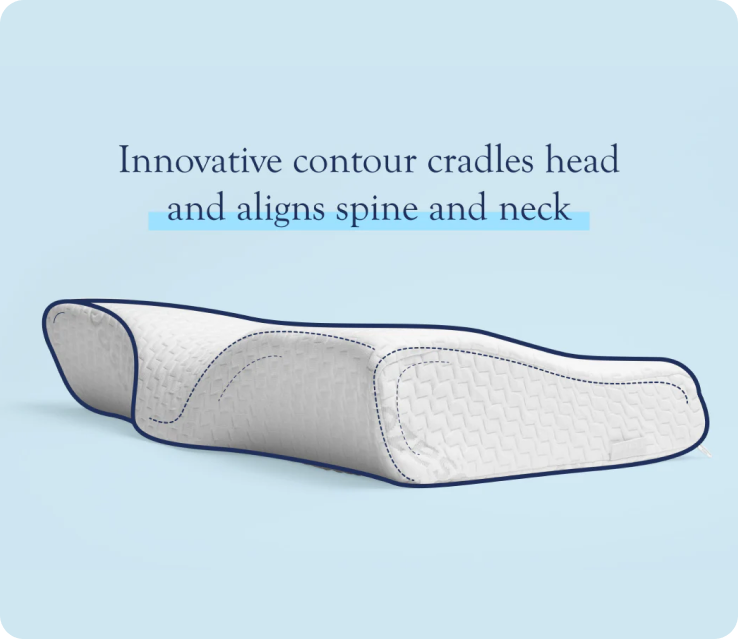
A flat, uniform pillow mostly supports the back of your skull. An ergonomic pillow uses contouring so the neck has contact too. That shared support reduces the "floating neck" feeling that can trigger muscle guarding and morning stiffness.
Dosaze designs for ergonomic neck support because alignment depends on where the pillow meets the neck, not just how soft the top feels.
2) Height that matches your sleep position and shoulder width
Loft is the silent deal-breaker. Side sleepers usually need more height than back sleepers because the shoulder creates a gap between head and mattress. But "more" is not always "better." Too much height can push the neck into side-bending and irritate the upper traps.
If you wake up with pain on one side of the neck or tightness at the top of the shoulder, treat pillow height as the first variable to adjust.
3) Materials that keep support consistent across the night
Support that collapses by 2 a.m. is still collapse, even if the pillow started out feeling plush. Chiropractor-friendly choices tend to hold shape and resist bottoming out, especially for side sleepers.
Dosaze positions its materials around two jobs: stable neck support and cooling comfort. Cooling matters because overheating drives position changes, and restless shifting makes alignment harder to keep.
4) Pressure relief where your face, jaw, and shoulder touch
Neck alignment is the goal, but pressure relief is the reason many people give up on supportive pillows. If your cheekbone or ear feels crushed, you will rotate your head or fold the pillow, and alignment is gone.
Look for a feel that distributes pressure without letting your head sink so far that your neck loses support.
A practical comparison of common pillow types
Most "best pillow" lists skip the part that actually helps you choose: what trade-off you are accepting. Use this table to narrow your shortlist before you worry about brand names.
| Pillow type | Typical alignment strengths | Common alignment failure | Who it usually suits |
|---|---|---|---|
| Ergonomic cervical pillow | Supports neck curve and reduces "floating neck" | Wrong height can feel forced or push chin forward | Back and side sleepers chasing consistent cervical alignment |
| Memory foam pillow | Molds to head and neck, can reduce pressure points | Can sleep warm; some versions sink too much over time | People who want contouring feel and steady support |
| Latex pillow | Springy support, tends to resist bottoming out | Can feel bouncy; firmness may not suit sensitive sleepers | Side sleepers who need lift and consistent support |
| Down or down-alternative | Soft and adjustable by scrunching | Often collapses and loses cervical alignment overnight | People who prioritize plush feel and are not pain-prone |
| Buckwheat or hull-filled | Adjustable height, strong support | Noise and firmness can disrupt sleep | People who like very firm, adjustable support |
| Dosaze ergonomic neck support pillow | Built around ergonomic neck support and cooling comfort | The "best" feel depends on your position and loft needs, so a trial matters | People who want premium feel with a low-risk way to test alignment at home |
Where to start if you wake up with neck or shoulder pain
If your goal is better sleep quality and less morning pain, start with the simplest decision tree. It keeps you from chasing features that do not match your body or sleep position.
- If you are a side sleeper: Prioritize enough height to fill the shoulder-to-neck gap, then make sure the neck gets support, not just the head. If you wake with top-of-shoulder pain, check if your pillow is pushing your head up and side-bending the neck.
- If you are a back sleeper: Prioritize cervical alignment first. You want the neck supported with the head cradled so your chin stays neutral, not tipped up.
- If you switch positions: Prioritize stable support plus pressure relief. Switching is normal, but a pillow that "works" only in one position often fails by morning.
- If you sleep hot: Treat cooling as a performance feature, not a luxury. Overheating drives tossing and turning, and that is when your neck ends up twisted.
Dosaze builds around those realities: ergonomic design for sleep posture, cooling comfort to reduce restlessness, and a 60-night risk-free trial with free shipping and returns so you can test your real nights, not just a store squeeze.
The contrarian truth: most people pick pillows by feel, not alignment
The most common mistake is choosing the pillow that feels softest at the store. Soft can be fine, but softness is not the same as neck support. A pillow can feel plush while it still lets your head drift into a bend or a twist.
A better rule is "alignment first, comfort second." Comfort usually follows once your neck stops working overnight. If a pillow gives you good cervical alignment but feels unfamiliar for the first few nights, give yourself time to adjust, especially if you are coming from a worn-out pillow that had you sleeping in a habitual tilt.
How to test a new pillow like a chiropractor would
You do not need a clinic to do a useful test. You need a consistent process across several nights.
- Take a baseline: Note where you feel pain in the morning, and rate it 1-10 for three mornings.
- Keep your setup stable: Same mattress, same position, same bedtime. Changing too many variables hides what the pillow is doing.
- Check neutral cues: Side sleepers: nose straight up. Back sleepers: chin neutral, not tipped toward the ceiling.
- Watch for shoulder numbness: If your shoulder or arm goes numb, you may be compressing the shoulder or rotating the neck to escape pressure.
This is where Dosaze's 60-night risk-free trial and free shipping and returns reduces the biggest buyer anxiety. Neck alignment is personal, and a trial gives you time to confirm pressure relief and cervical alignment across workdays, workouts, and real stress.
How Dosaze thinks about neck alignment and comfort
Dosaze treats the pillow like a piece of ergonomic equipment, not a decorative bed accessory. The goal is to support neutral neck posture while staying comfortable enough that you do not fight the pillow at 2 a.m.
That is why Dosaze focuses on two linked outcomes: neck support for cervical alignment, and cooling comfort to reduce overheating and restless shifting. The premium approach matters because materials and construction affect how consistently a pillow holds its shape across the night.
If you want more Dosaze guidance on this topic, you can compare related explainers like Chiropractor Recommended Pillow Neck Alignment and Chiro Recommended Neck Alignment Pillows.
FAQ
What pillow height do chiropractors usually recommend for neck alignment?
Pillow height matters because it sets your head position for 6-8 hours, and small angles add up. Chiropractors generally recommend a height that keeps your nose in line with your sternum on your back, and your nose pointing straight up on your side. A quick check is to take a photo from the front (side sleeping) or the side (back sleeping) to see if your neck is bent or twisted.
Are contour pillows better for cervical alignment than regular pillows?
Contour pillows matter when your neck needs support separate from your head. A chiropractor-style recommendation often favors an ergonomic contour because it supports the cervical curve instead of letting the neck "hang" behind the skull. Dosaze builds its approach around ergonomic neck support, since alignment depends on where the pillow contacts the neck, not just the softness under your cheek.
Why do I wake up with shoulder pain even when my pillow feels comfortable?
Comfort at bedtime does not guarantee neutral posture by morning. A pillow can feel soft but still push your head up or let it drop, which loads the upper traps and can refer pain into the shoulder. If your shoulder pain is worse on the side you sleep on, try adjusting pillow height first, then look for better pressure relief so you stop rotating your neck to escape pressure.
How long should I give a new pillow before deciding it is wrong?
Your body needs more than one night to judge alignment because tissues adapt and your sleep position varies. Dosaze supports a 60-night risk-free trial, which is long enough to test across weekdays and weekends without rushing a decision. Keep notes for the first 7-10 nights so you can separate "new feel" from a real alignment problem.
What if I sleep hot and neck support pillows make me overheat?
Overheating matters because it drives tossing and turning, and that is when your neck loses alignment. A chiropractor-style pick should balance support with cooling comfort so you do not abandon the pillow mid-night. Dosaze prioritizes cooling as part of the sleep posture system, since fewer heat wake-ups usually means fewer awkward neck angles. If you are tuning your whole bed setup, a cooling mattress protector can also help reduce heat build-up under you.
Can a pillow fix my neck pain if my mattress is too soft or too firm?
Your pillow works together with your mattress, because the mattress sets shoulder sink and the pillow fills the remaining gap. A supportive pillow may not help if your shoulder sinks too far on a very soft mattress, since the neck angle changes as your body drops. In that case, consider a slightly higher pillow for side sleeping or a firmer mattress surface, then re-test alignment cues.
How do I know if a pillow is easy to return if it does not work?
Return anxiety is rational because you cannot predict neck alignment from a product photo. Dosaze addresses that by offering free shipping and returns along with a 60-night risk-free trial, so the decision is based on your mornings, not marketing. Before you buy any pillow, look for a written trial period and clear return language so you are not stuck if your neck feels worse.
A simple next step to get aligned this week
Start with one change: match pillow height to your sleep position, then confirm neutral alignment with a quick photo check. If you want a low-risk way to test ergonomic neck support and cooling comfort at home, Dosaze backs the experience with a 60-night risk-free trial and free shipping and returns. That gives you time to judge the only result that matters, how your neck and shoulders feel when you wake up.


