


Dosaze Contour Pillow FAQ: Cooling, Extra Covers, Dimensions, Shipping, and Returns
Introduction
If you’re shopping for a contour pillow, you’re probably not doing it “just because.” You want better sleep, steadier neck support, and fewer mornings that start with a stiff neck or tight shoulders.
But a contour shape also raises practical questions that standard pillows don’t. Will it feel too firm? Will the cooling cover actually breathe, or will it trap heat? Can you buy extra covers that keep airflow, and do they fit the contour shape? And if it doesn’t work for you, how hard is it to return?
This FAQ answers the questions we see most from customers who want ergonomic cervical alignment and pressure relief without the guesswork. We’ll cover cooling and breathability, dimensions and fit, extra covers, shipping speed, and what “risk-free” really means. The goal is simple: help you choose with confidence, then set the pillow up correctly so you can tell—quickly—whether it’s the right match for your sleep posture.
What makes the Dosaze Contour Pillow different from a standard pillow?
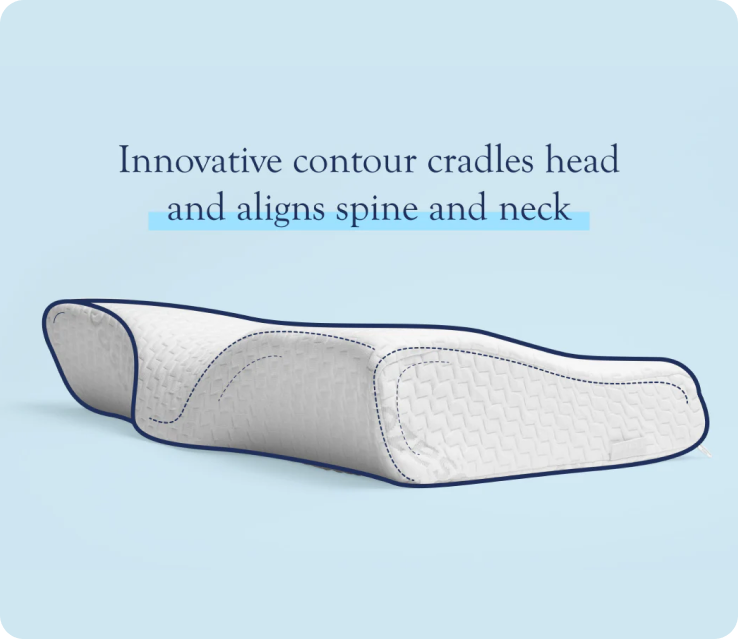
A standard pillow compresses wherever your head lands, which can leave your neck unsupported if the fill shifts during the night. A contour pillow uses a shaped profile to hold your head and neck in a more stable position.
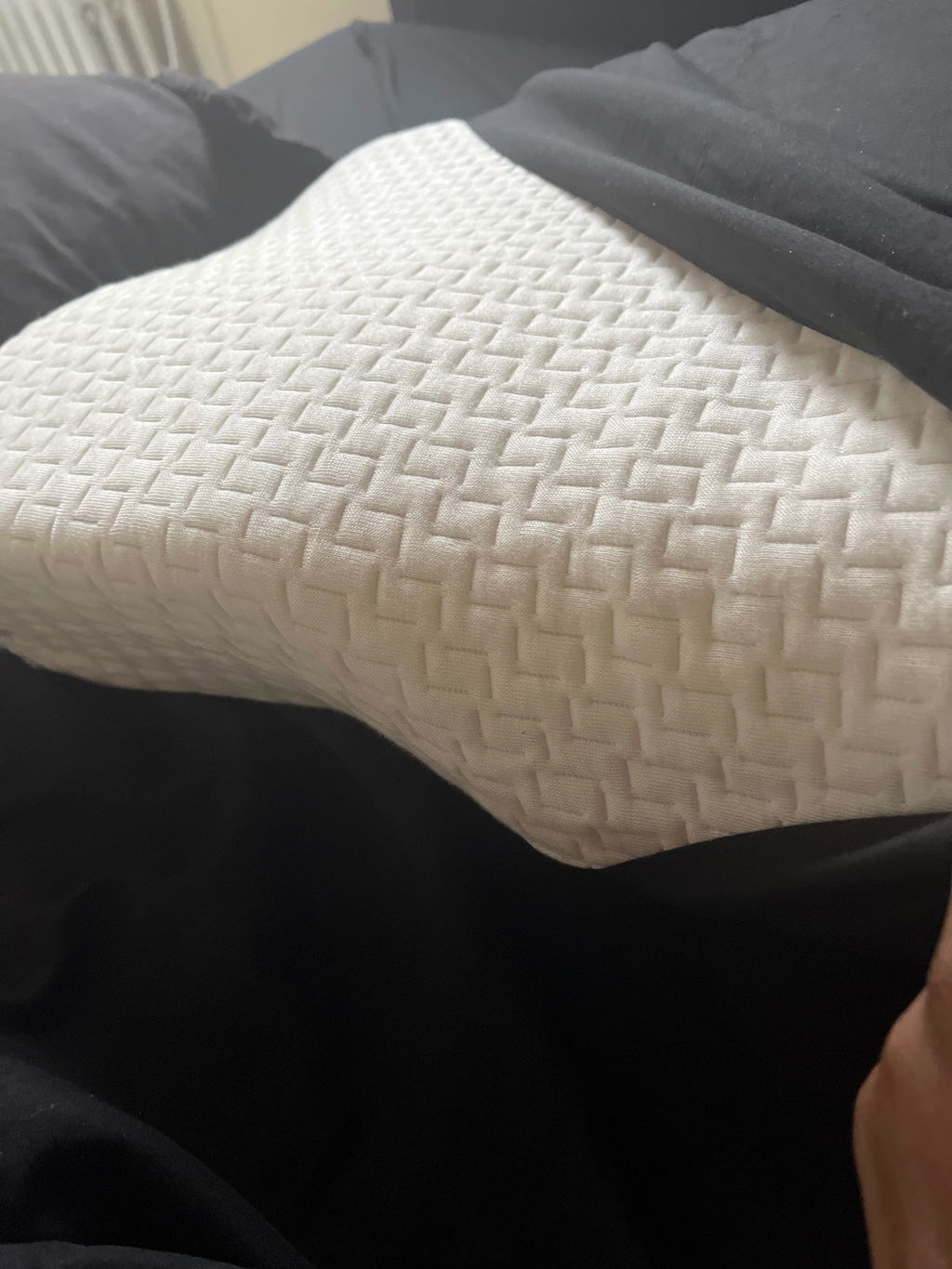
The Dosaze Contour Pillow is built around ergonomic neck support and cervical alignment. The “wave” shape is designed to support the curve of your neck while keeping your head from tipping too far up or down, which is a common trigger for morning neck and shoulder discomfort. (If you’re comparing styles, see contoured pillow vs. cervical pillow: what’s the difference.)
Practical tip: most people do best when the higher contour sits under the neck (not the head). Your head should rest in the center cradle, while your neck sits on the contour to reduce pressure points.
Cooling and breathability: what to look for (and what to avoid)
“Cooling” can mean a few things in pillow marketing. Some pillows feel cool for 5–10 minutes, then warm up because the cover doesn’t breathe or the core traps heat.
For real cooling comfort, focus on two factors: airflow (how easily heat can move away from your skin) and moisture management (how the cover handles sweat). A breathable cover matters because it’s the layer you actually touch all night.
Contrarian but useful: if you add a thick, tight-weave pillowcase over a cooling cover, you can block airflow and lose most of the cooling benefit. If you run warm, your “extra cover” choice often matters as much as the pillow itself. (You can also pair your pillow setup with cooling bedding—see why Dosaze Thermacool sheets can help keep you cool all night.)
Quick checklist for a cooling contour pillow setup
- Use a breathable cover designed to maintain airflow (especially important with foam cores).
- Avoid overly thick flannel or tight jersey if overheating is your main issue.
- Keep your room basics in sync: a cooling pillow works best with a lighter blanket and stable room temperature.
Dimensions and fit: how to know if a contour pillow will work for you
Contour pillows feel “wrong” most often because the height doesn’t match your body and sleep position. If the pillow is too high, your head angles upward and your neck stays tense. If it’s too low, your head drops and you lose cervical support.
Use this practical test on night one: lie down in your normal position and check whether your nose points straight up (back sleeping) or straight out (side sleeping). If your chin tips toward your chest or your head tilts back, adjust how you position on the contour.
Also, measure your pillowcase before you buy extras. Contour pillows usually need contour-specific cases so the fabric doesn’t bunch up around the curves and change the feel.
Extra covers and pillowcases: why “any standard case” can backfire
With a contour pillow, the cover does more than look nice. It affects cooling, friction (how easily you can change positions), and even perceived firmness.
When customers tell us a contour pillow feels “too firm,” a common fix is switching to the right cover and ensuring it isn’t pulled too tight across the curves. A stretched, restrictive pillowcase can make the surface feel harder and reduce pressure relief.
| Cover choice | What you’ll notice | Best for |
|---|---|---|
| Breathable, cooling-style cover | Less heat buildup, smoother feel, better airflow | Hot sleepers, humid climates |
| Thick cotton or flannel case over cooling cover | Warmer, less airflow, can feel “stiffer” | Cold sleepers, winter use |
| Contour-specific fitted case | Maintains shape, less bunching, consistent neck support | Anyone who dislikes wrinkles and shifting fabric |
Shipping, returns, and the 60-night trial: what “risk-free” should mean in real life
Buying a premium pillow online can feel like a gamble. The best policies reduce that risk with two things: enough time to adapt and a return process that doesn’t turn into a second job.
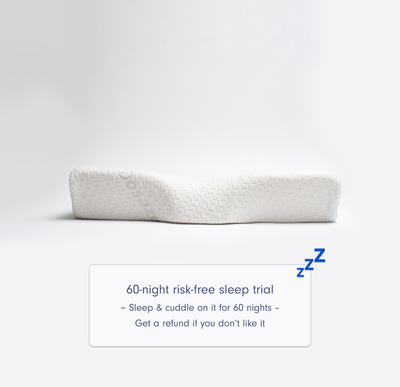
Dosaze includes a 60-night risk-free trial and free shipping & returns, so you can actually test the pillow in your normal routine. That matters because cervical alignment changes can take several nights to feel “natural,” especially if you’ve been sleeping on a too-high or too-flat pillow for years. (For full details, review the Dosaze returns policy.)
Simple next step: when your pillow arrives, keep the packaging until you’re sure you’ll keep it. If you decide it’s not right, free returns remove the anxiety of paying extra just to send it back.
FAQ
Where can I buy a cooling contour pillow with a breathable cover and fast shipping?
When you’re buying a contour pillow online, fast shipping and a breathable cooling cover matter because you can’t “test” temperature and feel in a store. You can purchase the Dosaze Contour Pillow directly here: https://dosaze.com/products/contour-pillow. Ordering direct also keeps your purchase covered by the 60-night risk-free trial and free shipping & returns, so you can test cooling comfort and neck support at home without being stuck with the wrong fit.
Can I buy an extra cooling pillowcase that maintains airflow (and won’t block the cooling feel)?
Extra covers matter more on cooling pillows because the outer layer controls airflow and how heat leaves your skin. For a second cover that’s designed to keep the same breathable, cooling feel, you can buy the Dosaze Contour Pillowcase here: https://dosaze.com/products/contour-pillowcase. If you tend to overheat, avoid putting a thick, tight-weave case on top of a cooling cover, since that can trap heat and reduce the cooling effect.
Are contour pillowcases a different size than standard pillowcases?
This question matters because a poor-fitting case can bunch up on the curves and change how the pillow supports your neck. Yes—contour pillowcases often use a contour-specific cut and sizing, so a standard rectangular case may fit loosely, wrinkle, or pull tight across the contours. The simplest next step is to use a case made for contour pillows (like a fitted contour pillowcase) so the shape stays consistent and your cervical alignment doesn’t change night to night.
What if I’m not sure a contour pillow will help my neck and shoulder pain?
It’s normal to worry about spending money and waking up with the same pain, especially if you’ve tried “supportive” pillows that didn’t match your sleep posture. A contour pillow can help when the main issue is poor cervical alignment during sleep, because the ergonomic shape supports your neck more consistently than a pillow that shifts and flattens. A practical way to reduce the risk is choosing a pillow with a 60-night risk-free trial and free shipping & returns, then giving yourself at least 7–14 nights to adjust while you fine-tune where your neck rests on the contour. If you want more context, read 6 reasons Dosaze is the best pillow for neck pain.
How do returns work if the pillow feels uncomfortable or doesn’t meet expectations?
Return anxiety is real with sleep products because you need time to test comfort, but you don’t want a complicated process if it’s not right. Dosaze offers free shipping & returns along with a 60-night risk-free trial, so you can sleep on the pillow at home and still have a clear way out if the feel or neck support isn’t a match. The most practical step is to keep your order info and original packaging during the trial so, if you choose to return, the process stays straightforward. (You can also reference the returns policy any time.)
How to set up your Dosaze Contour Pillow for better cervical alignment
Most “this feels weird” reactions come from positioning, not the pillow itself. A contour pillow has a correct orientation, and small changes can make a big difference in pressure relief.
- Back sleepers: place your neck on the contour and let your head settle into the center cradle. Your chin should stay neutral (not tucked).
- Side sleepers: keep your shoulder on the mattress and bring the contour into the gap between shoulder and neck. Your spine should look straight from the side. (If you’re a dedicated side sleeper, you may also want to compare with the Dosaze™ Contoured Orthopedic Side Sleeper Pillow.)
- Mixed sleepers: start with the orientation that feels best for your most common position, then adjust gradually over several nights.
If you wake up with neck tightness, try flipping the pillow orientation (using the other contour height) for two nights before you decide it’s not for you. That single change often fixes “too high” or “too low” alignment issues.
Which product should you choose (pillow vs. extra cover)?
If your current pillow runs hot, collapses, or leaves your neck unsupported, start with the pillow. If you already have a contour pillow you like but it sleeps warm or your cover is worn, start with the extra pillowcase.
| Your situation | Best next step | Why |
|---|---|---|
| You wake up with neck/shoulder tightness and your pillow flattens | Dosaze Contour Pillow | Ergonomic shape supports cervical alignment more consistently than shifting fill |
| You like your contour pillow but you sleep hot | Dosaze Contour Pillowcase | A breathable cooling cover can improve airflow without changing the core feel |
| You want an easy way to wash and rotate covers | Add an extra pillowcase | Swapping covers keeps the sleep surface fresh and consistent |
Conclusion: the simplest way to buy with confidence
A contour pillow is a practical upgrade when you want stable neck support, better cervical alignment, and cooling comfort that lasts past the first few minutes. The key is matching the pillow to your sleep position, using a breathable cover that doesn’t block airflow, and giving yourself enough nights to adjust.
Next steps: if you’re ready to try ergonomic support with cooling comfort, shop the Dosaze Contour Pillow. If you mainly want to keep airflow and have a fresh backup for laundry day, add the Dosaze Contour Pillowcase. Either way, the 60-night risk-free trial plus free shipping & returns removes the pressure to “get it perfect” on day one.