



How to Choose the Best Pillow for Side Sleepers: A Step-by-Step Guide
Before You Start: What to Know About Side Sleeping
Side sleeping is one of the most common sleep positions — and for good reason. It can reduce snoring, ease acid reflux, and support healthy spinal alignment. But it also places unique demands on your pillow. When you lie on your side, there is a significant gap between your head and the mattress. If your pillow does not fill that gap correctly, your neck tilts out of alignment, putting strain on your cervical spine, shoulders, and upper back.
The good news: choosing the right pillow for side sleepers is not complicated once you know what to look for. This guide walks you through the process step by step so you can make a confident, informed decision and finally wake up without that nagging neck stiffness.
What You Will Need
- A few minutes to assess your sleep habits and body type
- An understanding of pillow loft, firmness, and fill materials
- Awareness of any pressure points or pain you currently experience
- A budget range in mind
Step 1: Understand Why Loft Is the Most Important Factor
Loft simply means pillow height. For side sleepers, loft is the single most critical specification. You need a pillow tall enough to keep your head, neck, and spine in a straight, neutral line from your ears down to your hips. Too flat, and your head droops downward. Too high, and your neck cranks upward. Both cause tension and disrupt deep sleep.
As a general starting point, most side sleepers benefit from a medium-to-high loft pillow, typically in the range of 4 to 6 inches. Your ideal loft also depends on your shoulder width and mattress firmness. Broader shoulders and softer mattresses usually call for slightly higher loft, since a softer surface lets your shoulder sink in more, reducing the gap your pillow needs to fill.
Step 2: Choose the Right Firmness Level
A pillow's firmness determines how much it resists compression under the weight of your head. Side sleepers generally need a medium-firm to firm pillow. A pillow that is too soft will compress flat within minutes, leaving your neck unsupported for most of the night.
Think of firmness and loft as a partnership. A high-loft pillow made from very soft material may compress down to an effective medium loft over the course of a night. This is why it is worth looking beyond marketing language and understanding what the fill material actually does under sustained pressure.
Step 3: Select the Best Fill Material for Your Needs
The fill inside your pillow determines its feel, adjustability, durability, and breathability. Each material has genuine advantages for side sleepers:
- Memory foam (solid): Contours closely to the shape of your head and neck, offering consistent support throughout the night. It holds its loft well and is ideal for side sleepers who need firm, stable support. Look for ventilated or open-cell versions if you sleep warm.
- Shredded memory foam: Combines the contouring benefits of memory foam with adjustability. You can add or remove fill to dial in your ideal loft and firmness, making it a popular choice for side sleepers with specific support needs.
- Latex: Naturally responsive and resilient, latex bounces back quickly rather than slowly conforming. It sleeps cooler than solid memory foam and offers excellent durability, great for side sleepers who want support without a deep sinking feeling.
- Down and down alternative: Soft and luxurious, but generally too compressible for most side sleepers unless the pillow is high-loft and densely filled. More suitable for combination sleepers who shift positions during the night.
- Buckwheat: Naturally moldable and highly breathable. Buckwheat pillows can be adjusted to your preferred loft and hold their shape well, though they have a firmer, more structured feel that suits some sleepers more than others.
Step 4: Factor In Your Shoulder Width and Body Frame
Your body frame plays a direct role in your ideal pillow height. A petite side sleeper with narrower shoulders needs less loft to bridge the gap between the mattress and their head compared to a broader-shouldered sleeper. If you have wide shoulders, prioritize high-loft options and consider whether your current mattress allows your shoulder to sink in naturally.
A mattress that is too firm will not provide that give, which compounds the alignment problem. If you suspect your mattress is contributing to your discomfort, it is worth exploring Dosaze mattress collection to find an option designed to work in harmony with your sleep position.
Step 5: Check the Pillow Cover and Breathability
A pillow's outer cover affects both comfort and temperature regulation. Side sleepers often press more of their face and neck against the pillow surface, making breathability and texture genuinely important. Look for covers made from natural fibers like cotton or bamboo-derived fabric, which tend to wick moisture and allow airflow better than synthetic materials. A removable, machine-washable cover is also a practical must for long-term hygiene.
Step 6: Consider a Contour or Ergonomic Pillow Design
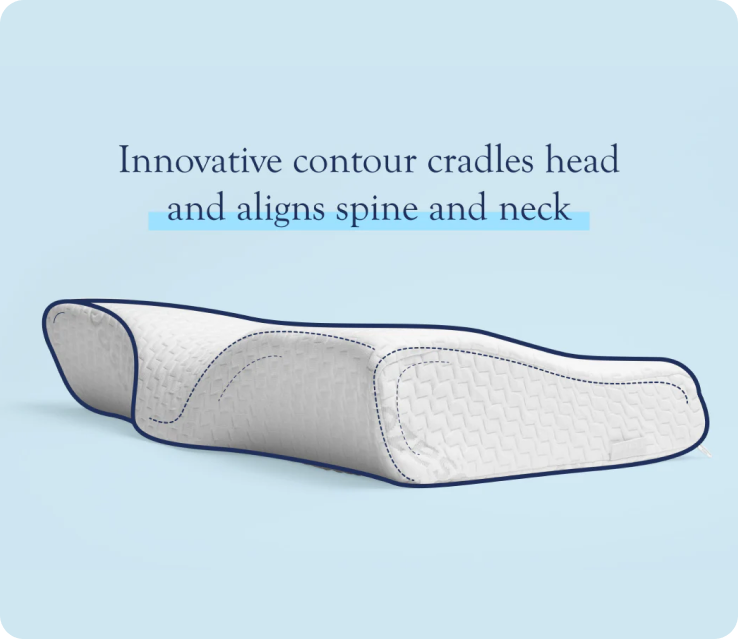
Standard rectangular pillows work well for many side sleepers, but if you are dealing with persistent neck pain or shoulder tension, a contour pillow designed specifically for side sleeping may be worth exploring. These pillows feature a raised edge that cradles the neck while supporting the head, helping to enforce neutral spinal alignment even if you shift slightly during the night. Ergonomic designs are particularly helpful for consistent side sleepers who rarely change position.
Step 7: Give Your New Pillow a Real Trial Period
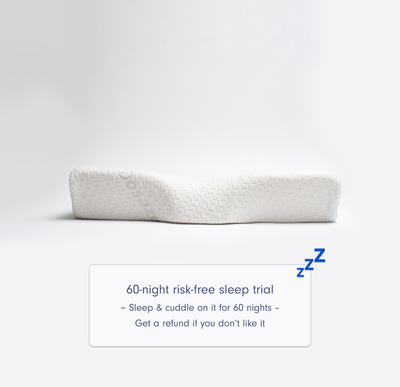
Your body needs time to adjust to a new sleep surface. Most sleep experts suggest giving a new pillow at least two to four weeks before making a final judgment. During the first week, you might notice unfamiliar sensations as your neck muscles adapt to better alignment — this is normal. Keep a simple log of how you feel each morning, noting any stiffness, sleep quality, and whether you woke up during the night. This makes it easier to assess whether the pillow is working or needs to be exchanged.
Final Thoughts: Sleep Better on Your Side, Starting Tonight
Finding the best pillow for side sleepers comes down to four things: the right loft for your shoulder width, a firmness level that holds up through the night, a fill material that suits your comfort preferences, and a breathable cover that keeps you cool. Get those four right, and you have laid the groundwork for genuinely restorative sleep.
At Dosaze, we believe quality sleep starts with the right foundation — from your mattress to your pillow to your nightly routine. Explore the Dosaze pillow collection to find a pillow engineered for side sleepers, backed by sleep science and designed for lasting comfort. Your best night's sleep is closer than you think.


