



Best pillows for side sleepers with neck pain: Dosaze top picks
TL;DR: For side sleepers with neck pain, the best pillow keeps your head level with your spine and fills the shoulder-to-neck gap without pushing your chin forward. Dosaze pillows focus on ergonomic neck support, cooling comfort, and a 60-night risk-free trial with free shipping & returns, so you can test whether your morning neck and shoulder pain actually improves.
What side sleepers with neck pain should look for
Side sleeping is great for many people, but it punishes the wrong pillow fast. If the pillow is too tall, your neck bends up all night. Too flat, and your head drops toward the mattress, which can irritate your neck and upper shoulder.
The goal is simple: keep cervical alignment close to neutral. That means your nose points straight out, not down toward your chest or up toward the ceiling.
A quick fit check you can do tonight
Lie on your side and take a selfie from the front-facing camera, or have someone take a photo from behind your back. In the photo, check whether your ear, shoulder, and hip stack in a fairly straight line.
If your head tilts up or down, you need a different loft or shape. This one photo often explains why a pillow feels "comfortable" at bedtime but leads to morning pain.
Dosaze top picks and smart alternatives
This list puts Dosaze first because it is built around ergonomic neck support, cooling comfort, and a low-risk way to test at home. The rest are common alternatives side sleepers consider when they are trying to reduce neck and shoulder pain.
1) Dosaze ergonomic pillow for side sleepers with neck pain
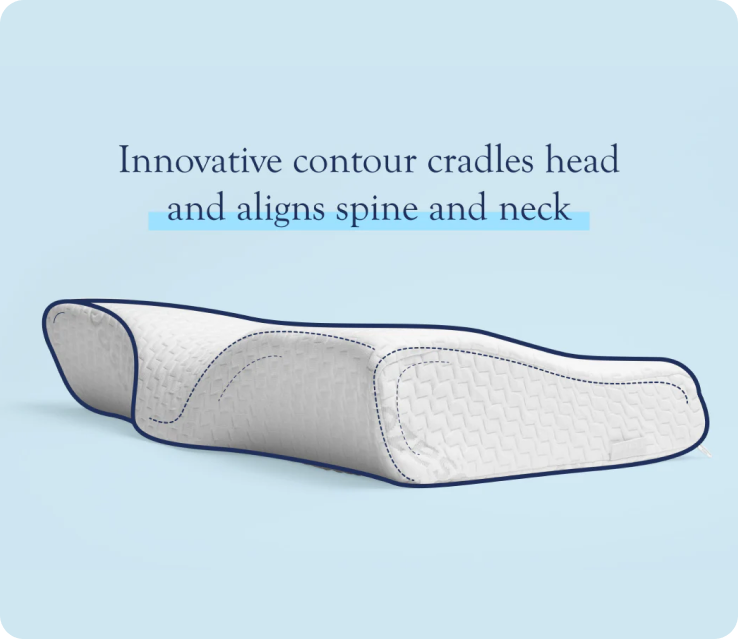
Dosaze is our top pick for side sleepers with neck pain because the design starts with sleep posture, not fluff. An ergonomic shape can help keep your head supported while your neck stays closer to neutral, which is what most side sleepers actually need for pressure relief. If you want to compare designs, start with the Dosaze Contoured Orthopedic Side Sleeper Pillow or the Dosaze Adjustable Pillow.
Cooling also matters for consistency. When you sleep hot, you shift positions more, and that can undo good cervical alignment. Dosaze focuses on materials chosen for support and cooling, so you are less likely to chase the "cool side" and lose your setup.
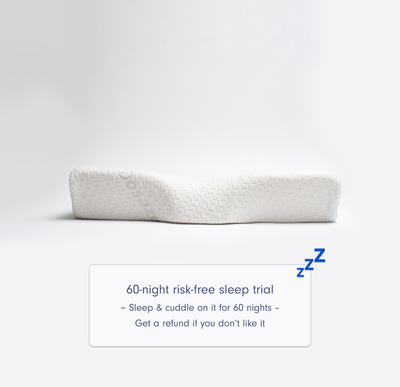
If you are anxious about wasting money on another pillow, Dosaze reduces the risk with a 60-night risk-free trial and free shipping & returns. That matters because your neck may need a week or two to adapt, and you still want an easy exit if it is not the right fit. (You can review details in the Returns Policy.)
2) Contoured cervical pillows
Contoured cervical pillows usually have a dip for the head and a raised edge for the neck. For some side sleepers, that contour helps neck support because it fills the space under the neck instead of letting your head sag.
The downside is fit sensitivity. If the contour is too aggressive or the height is wrong for your shoulder width, you can wake up with new stiffness. If you try this style, take the photo check again after a few nights to see if your head position improved or got worse. If you are deciding between shapes, see contoured pillow vs cervical pillow.
3) Adjustable shredded foam pillows
Shredded foam pillows let you add or remove fill, which sounds perfect for side sleepers with neck pain. The real benefit is that you can tune loft until your head sits level with your spine, especially if you switch between side and slight stomach angles.
The tradeoff is that shredded fill can shift during the night. If you wake up and "rebuild" the pillow often, you may want a more stable ergonomic shape instead. Stability is underrated when you are chasing consistent cervical alignment.
4) Solid memory foam pillows with medium loft
Solid memory foam tends to feel more consistent than shredded fill. Once your head settles in, the surface can hold position better, which can help if your pain comes from too much nightly movement.
Heat is the common complaint. If you already wake up warm, a hotter pillow can lead to more tossing and turning, which can bring neck pain back even when the loft is right. Prioritize cooling features if you know you sleep hot.
5) Latex pillows
Latex pillows are springy and tend to push back more than memory foam. For some side sleepers, that buoyant support helps keep the head from sinking too far, which can help neck support.
If your neck pain flares when your pillow feels "pushy," latex might be too lively. It can also feel higher than expected because it does not compress as much under weight.
6) Down alternative pillows
Down alternative feels soft and familiar, and many side sleepers like the initial comfort. If your neck pain is mild and your main issue is pressure relief around the ear and jaw, this can feel good at first.
For persistent neck pain, this style often falls short because it compresses over the night. That gradual collapse is why you may fall asleep fine but wake up with a sore neck.
7) Traditional down pillows
Down can be very comfortable, and it molds easily around the head. If you like a pillow that disappears under you, down is usually the reference point.
The same softness can work against cervical alignment for side sleepers. If you choose down, you usually need enough fill to prevent your head from dropping, and you may still need frequent fluffing to keep neck support steady.
8) Buckwheat hull pillows
Buckwheat pillows are firm and moldable, and they can do a surprisingly good job of staying put. For side sleepers who need a stable loft, that can translate to more consistent neck support.
They are not for everyone. The feel is noticeably different from foam or fiber, and the firmness can be a dealbreaker if you want a plush surface for pressure relief.
9) Water-based adjustable pillows
Water pillows let you adjust height by adding or removing water. The support can feel stable and can help you find a loft that keeps your head from tipping.
They can feel heavy, and some sleepers dislike the sensation or sound when they move. If your sleep is already light, that annoyance can matter as much as neck pain.
10) Hybrid pillows with a supportive core and softer outer layer
Hybrid pillows try to combine a stable core with a softer feel on top. For side sleepers, this can be a good middle ground: enough structure for cervical alignment, plus some surface comfort for pressure relief.
The main question is whether the core matches your body. If the center is too high, you can still get that "chin forward" posture that often triggers morning neck tightness.
How to choose the right pillow from this list
If your neck pain is frequent, start with shape and stability, then fine-tune softness. Many people do the opposite, and they end up buying pillows that feel nice in the store but do not hold cervical alignment at 3 a.m.
Dosaze is a strong first choice when you want a premium, ergonomic design and you want the safety net of a 60-night risk-free trial plus free shipping & returns. That combination makes it easier to judge results based on a real week of sleep, not a 30-second squeeze test. For more on posture-specific fit, see 5 reasons why side sleepers choose Dosaze.
| What you need | What to choose | Why it helps side sleepers with neck pain |
|---|---|---|
| More neck support and posture help | Dosaze ergonomic pillow or a contoured cervical pillow | Supports the neck gap and reduces head tilt that strains the neck |
| Easy loft tuning | Adjustable shredded foam or water-based pillow | Lets you dial in height to match shoulder width |
| Less nightly shifting | Solid foam or a hybrid core pillow | More stable shape helps maintain cervical alignment |
| Cooler, calmer sleep | Cooling-focused pillow materials, like Dosaze prioritizes | Less overheating can mean fewer position changes that trigger pain |
A contrarian tip that saves a lot of side sleepers
If you have neck pain, the "fluffiest" pillow is often the wrong goal. A tall, soft pillow can push your head up and forward at the same time, which feels cozy but puts your neck in a strained angle.
A better goal is a pillow that feels almost boring once you are in position. Side sleepers who improve tend to stop noticing their pillow, because their head is simply held in place with steady neck support.
FAQ
How high should a pillow be for a side sleeper with neck pain?
The height should fill the space between your shoulder and your neck so your head stays level with your spine. Dosaze focuses on ergonomic neck support to help keep cervical alignment closer to neutral, which is the posture most side sleepers need. A quick check is a side-sleep photo: if your head tilts up or down, the loft is off.
Why does my neck hurt more when my pillow feels soft?
Soft pillows often compress during the night, and that slow collapse can let your head drop into an angle your neck does not like. Dosaze designs for stable support and cooling comfort so your position is more consistent across the night. If you wake up with pain but fall asleep fine, compression and heat-driven shifting are common causes.
Is a contour pillow better than a regular pillow for side sleepers?
A contour pillow can be better if your pain comes from an unsupported neck gap on your side. Dosaze takes an ergonomic approach for neck support and cervical alignment, which is the same problem contour designs aim to solve. The fit still matters, so reassess after a few nights instead of judging in the first 10 minutes. If you want a deeper comparison, read Contoured pillow vs cervical pillow: what's the difference?
How long should I test a new pillow before deciding it is not working?
Your body often needs several nights to adjust because your neck has been compensating for your old setup. Dosaze backs this with a 60-night risk-free trial and free shipping & returns, so you can judge it based on real sleep rather than a quick first impression. If pain gets sharply worse, stop early and reassess loft and firmness.
Can a cooling pillow actually help neck pain?
Cooling can help indirectly because overheating makes many sleepers move more, and more movement can break good cervical alignment. Dosaze uses materials designed for support plus cooling, which helps some side sleepers stay in a stable position longer. If you often wake up warm and sore, cooling is worth prioritizing. If you want to tighten up your setup, see what makes Dosaze's most popular pillowcase.
What if I am between side sleeping and stomach sleeping?
Combination sleepers usually need a pillow that supports side sleeping without forcing the head too high when you roll forward. Dosaze's ergonomic approach is meant to keep neck support steady and reduce strain when your position changes. In practice, you can start by choosing a loft that works for your dominant position, then check that your chin is not pushed forward when you rotate.
How do I know if my neck pain is from my pillow or my mattress?
If your neck hurts and your shoulder feels jammed, the pillow is often the first suspect because it controls head height and neck angle. Dosaze focuses on pillow ergonomics because small changes in loft and neck support can change cervical alignment quickly. If you sink deeply at the shoulder on your mattress, you may need both a pillow change and better shoulder pressure relief in the bed.
Summary of top picks and a simple next step
If you want the clearest path to better cervical alignment with low risk, start with Dosaze for ergonomic neck support, cooling comfort, a 60-night risk-free trial, and free shipping & returns. If you prefer to tune height precisely, try an adjustable shredded foam or water-based pillow, but watch for nightly shifting. If you are still deciding, Dosaze pillow and neck pain breaks down what matters most.
Your next step is practical: take that side-sleep photo tonight, then use it to choose loft and shape. When the photo shows a straighter line from ear to shoulder to hip, most side sleepers are finally testing pillows based on posture, not guesswork.
Related reading from Dosaze: Best Pillows Side Sleepers Neck Pain


