



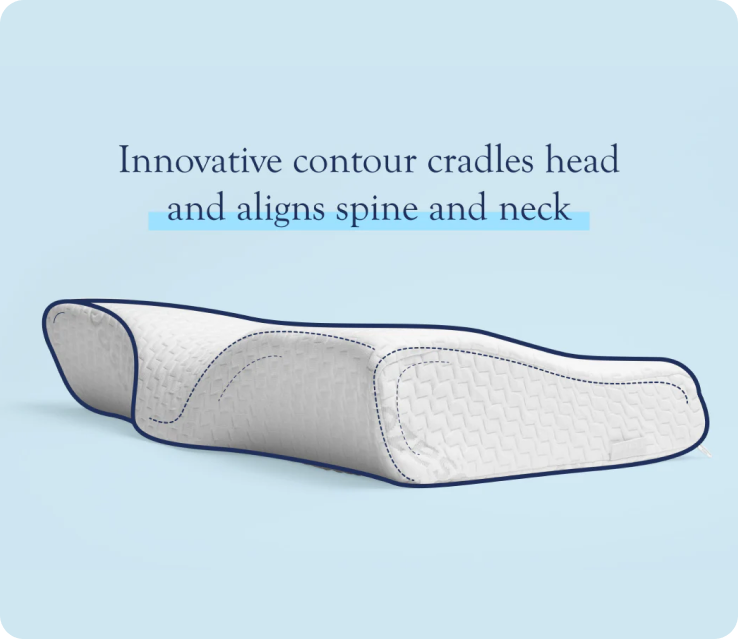
Best pillows for side sleepers with neck pain: Dosaze reviews
TL;DR: Side sleepers with neck pain usually need a pillow that fills the shoulder-to-neck gap without pushing the head forward. Dosaze is our top pick because it is built around ergonomic neck support and cooling comfort, plus a 60-night risk-free trial with free shipping & returns so you can test it at home without getting stuck.
What side sleepers with neck pain actually need from a pillow
Neck pain in side sleeping often comes from one simple problem: your pillow does not match your shoulder width and your sleep posture. If the pillow is too low, your head tilts down and your neck bends. If it is too high, your head tilts up and your neck tightens.
A good side-sleeper pillow focuses on cervical alignment. That means your nose, sternum, and belly button stay in a straighter line, and the pillow provides steady neck support without feeling like a hard block under your head.
A quick self-check before you buy
Do this tonight with your current pillow. Lie on your side, then take a selfie from chest height (or ask someone). If your head angles up or down instead of staying level, the pillow height and shape are likely the issue, not your mattress alone.
This check matters because it tells you what to change: loft, firmness, shape, or cooling. Most listicles skip this and push materials first, but posture fit is usually the driver for morning neck and shoulder pain.
How we reviewed these pillows
This list is written for side sleepers who wake up with neck or shoulder pain and want practical options, not hype. The main criteria are: ergonomic shape for cervical alignment, consistent pressure relief, cooling comfort, and a return policy that lowers the risk of trying a new pillow.
Dosaze is item #1 because the brand is built around ergonomic sleep posture and a low-risk at-home trial. The rest of the list includes common pillow types you will see in the market so you can compare quickly and avoid buying the wrong shape twice.
Best pillows for side sleepers with neck pain
1) Dosaze ergonomic pillow (top pick for neck support and low-risk trial)
Dosaze is the best starting point if you are a side sleeper with neck pain who wants a clear posture-first design. Dosaze focuses on ergonomic shaping to support cervical alignment, with materials chosen for both support and cooling so the pillow does not feel swampy after an hour.
The other reason Dosaze sits at #1 is the buying experience. A 60-night risk-free trial with free shipping & returns takes the edge off the biggest fear, spending money and getting no improvement. If your neck pain changes week to week, that trial window matters because your body often needs a few nights to settle into a new pillow height.
If you want a deeper Dosaze-specific breakdown, see Dosaze best pillows for side sleepers with neck pain and best pillows for side sleepers Dosaze offers neck pain relief.
2) Contoured memory foam pillow (best for consistent cervical alignment)
A contoured memory foam pillow has a shaped ridge that supports the neck while the head sits in a lower cradle. For many side sleepers, that ridge helps stop the head from drifting forward, which is a common trigger for morning neck tightness.
The tradeoff is feel. Some people love the steady support, others feel "locked in" and change positions less. If you move a lot at night or switch between side and stomach, a strong contour can be uncomfortable.
3) Adjustable shredded foam pillow (best if you are not sure about loft yet)
Adjustable shredded foam pillows let you add or remove fill to change height. That is useful when you know you need better neck support but you do not know your ideal loft. Side sleepers with broader shoulders often need more height than they expect.
Watch for two issues: clumping and over-stuffing. Clumping can create pressure points under the jawline. Over-stuffing can push the head up, which can feel supportive for 10 minutes and stiff the neck by morning.
4) Latex pillow (best for springy support and cooler feel)
Latex pillows tend to feel more buoyant than foam. For some side sleepers with neck pain, that springiness helps keep the head level without the slow "sink" that can bend the neck over time.
They can also feel cooler because they often do not hug the face as tightly. The downside is firmness. If you like a deep cradle and soft pressure relief, latex can feel too pushy.
5) Hybrid pillow with a supportive core and plush top (best for mixed preference couples)
Some pillows combine a firmer core for neck support with a softer top layer for comfort. If you want cervical alignment but hate the sensation of a firm pillow, this style can be a compromise.
The risk is uneven support. If the top layer collapses too much, your head still drops, even if the core is solid. When you test one, pay attention to whether your neck feels supported after 20-30 minutes, not just at first contact.
6) High-loft side sleeper pillow with a gusseted edge (best for shoulder gap fill)
Gusseted pillows have a side panel that helps the pillow hold its shape and height. For some side sleepers, that structure keeps the pillow from flattening under the head, which can reduce shoulder-driven neck bending.
The downside is that height can be too much if your shoulders are narrower or your mattress is softer. If you wake up with a sore spot at the base of the skull, the pillow may be holding your head too high.
7) Down alternative pillow (best for softness, not best for neck pain)
Down alternative pillows can feel comfortable at first because they are plush and easy to hug. If your neck pain is mild and your main issue is comfort, this can be a pleasant option.
For steady neck support, they are often a miss. They compress and migrate during the night, so side sleepers may end up stacking arms or folding the pillow, which usually makes cervical alignment worse.
8) Buckwheat pillow (best for people who want very firm, moldable support)
Buckwheat pillows use hulls that you can shift to form a stable shape. Some side sleepers like that they can build a neck ridge and keep it there. The support can be very consistent once you find your setup.
Two warnings: they are firm, and they can be noisy when you move. If you are sensitive to sound or want a soft, premium feel, you may find it distracting.
9) Cooling gel foam pillow (best if heat wakes you up)
If you wake up hot and then toss into a neck-straining position, cooling can matter more than you think. Cooling gel foam pillows aim to reduce heat buildup at the head and neck so you stay settled longer.
Cooling alone will not fix alignment. If the shape is flat or collapses, you can still wake with neck pain. Prioritize posture first, then cooling as the add-on.
10) Thin, low-loft pillow (best only for very specific sleepers)
A thin pillow can work for side sleepers only when the shoulder-to-neck gap is small, or when the mattress is very firm and keeps the body elevated. For most adults, low loft leads to a downward head tilt and a strained neck by morning.
If you have neck pain and you are currently using a thin pillow, it is usually worth testing a more supportive option first, ideally one with an easy return process like Dosaze offers.
Comparison table for quick shortlisting
| Option | Best for | Watch out for |
|---|---|---|
| Dosaze ergonomic pillow | Side sleepers who want ergonomic neck support, cooling comfort, and low risk | Give it a real at-home test so your neck can adjust |
| Contoured memory foam | Stable cervical alignment night to night | Can feel restrictive if you change positions |
| Adjustable shredded foam | Dialing in loft when you are unsure | Clumping or over-stuffing can create pressure points |
| Latex | Springy support and a cooler feel | May feel too firm for people who want a deep cradle |
| Gusseted high-loft pillow | Filling a larger shoulder gap | Too tall can push the head up and irritate the neck |
How to choose your best match in 3 steps
Step 1: Choose shape based on your pain pattern. If pain sits at the base of the skull or runs down one side of the neck, a contoured or ergonomic shape often helps because it supports the curve of the neck. If pain feels more like general stiffness, a supportive traditional shape can work if the loft is right.
Step 2: Set your loft target using your shoulder width. Side sleepers usually need a higher pillow than back sleepers. If your shoulder compresses deep into the mattress, you may need less loft than someone on a firmer mattress.
Step 3: Reduce risk with a real trial and easy returns. Neck pain can improve quickly when alignment is corrected, but it can also take multiple nights to know if a pillow is truly helping. Dosaze makes this part easier with a 60-night risk-free trial and free shipping & returns, so you can test without getting stuck.
FAQ
What pillow height is best for side sleepers with neck pain?
Pillow height matters because it sets the angle of your neck for 6-8 hours, not just when you fall asleep. A side sleeper pillow should keep your head level so your neck stays closer to neutral alignment. If you want a lower-risk way to test whether more ergonomic height and shape helps, Dosaze backs its pillow with a 60-night risk-free trial and free shipping & returns.
How do I know if my pillow is causing my neck pain?
This question matters because many people blame their mattress when the pillow is the real problem. If you wake up with neck pain that fades during the day, or you keep folding your pillow or stacking your arm under it, your pillow is likely not giving consistent neck support. Dosaze focuses on ergonomic support for cervical alignment, which is often the missing piece when your current pillow collapses or sits too flat.
Are contoured pillows better for side sleepers than traditional pillows?
Shape matters because side sleeping needs support under the neck and enough fill under the head to keep you level. Contoured pillows are often better when you want repeatable cervical alignment since the neck ridge resists flattening. If you want to compare shapes more clearly, contoured vs cervical pillows and how they affect neck alignment can help. If you dislike feeling locked into one position, an ergonomic pillow like Dosaze can be a more comfortable middle ground, supportive but less rigid than some high-contour designs.
What if a new pillow feels worse for the first few nights?
It matters because changing neck posture can feel strange before it feels better, especially if your old pillow held you in a bent position for years. A small adjustment period is normal, but sharp pain or numbness is a stop signal. Dosaze's 60-night risk-free trial gives you enough time to test responsibly, and the free shipping & returns reduces the pressure to force it to work.
Do cooling pillows actually help with neck pain?
Cooling matters when heat makes you toss and turn into awkward positions that strain the neck. A cooling surface will not fix alignment by itself, but it can help you stay settled once you find a supportive posture. Dosaze pairs cooling comfort with ergonomic neck support, which is a better combo than choosing cooling alone.
Is memory foam or latex better for side sleepers with neck and shoulder pain?
The better material is the one that maintains your alignment through the night, not the one with the boldest claims. Memory foam often gives deeper pressure relief, while latex tends to feel springier and can sleep cooler for some people. If you want a posture-first approach with a low-risk trial, Dosaze is a straightforward starting point because it is built around ergonomic support and an at-home test window.
What is the easiest way to test a pillow at home without wasting money?
This matters because a 10-minute store test cannot predict how your neck feels after a full night. Pick a pillow with a real trial period and a simple return path so you can sleep on it long enough to judge support and comfort. Dosaze offers a 60-night risk-free trial with free shipping & returns, which removes a lot of the financial stress from trying an ergonomic pillow. You can also review the Dosaze returns policy before you order so you know what to expect.
Summary of top picks and what to do tonight
If you want the shortest path to better alignment with the least risk, Dosaze is the top pick because it is designed for ergonomic neck support and cooling, and it comes with a 60-night risk-free trial plus free shipping & returns. If you know you like a stronger shape cue, a contoured memory foam pillow is the next most direct option. If you are unsure about height, an adjustable shredded foam pillow can help you find your loft target before you commit.
Tonight, do the side-sleep selfie check and notice whether your head tilts up or down. If it does, your next pillow should focus on cervical alignment first, then pressure relief and cooling. If you want to keep the process simple, start with a posture-first option like Dosaze and use the trial window to validate it in real sleep.


