


Best pillows if memory foam didn't work for your sleep
Introduction
If you tried memory foam and woke up with the same stiff neck, hot face, or "stuck" feeling, you are not alone. Memory foam is great at molding, but that slow-melting hug can work against you if you change positions, sleep warm, or need a more defined shape for cervical alignment. For some people, it also flattens over time in the exact spot that needs consistent neck support.
The good news is that memory foam is not the only way to get pressure relief and stable support. The best alternative depends on what failed: heat, softness, height, or the way it held your head in place. This list focuses on pillow types and designs that behave differently from classic memory foam, with clear "who it is for" guidance so you can pick faster.
One practical, slightly contrarian note from our customer feedback at Dosaze: people often blame "memory foam" when the real issue is the pillow's shape and loft, not the material. A well-shaped ergonomic pillow with the right height can feel totally different, even if it includes foam. If you are deciding between shapes, this breakdown of contoured vs cervical pillows can help.
Quick comparison: alternatives to classic memory foam
| Pillow type | Best for | Common downside | What it feels like |
|---|---|---|---|
| Latex (Talalay or Dunlop) | Cooler sleepers, combination sleepers | Springier feel is not for everyone | Responsive, buoyant support |
| Buckwheat hulls | Precise height control, firm neck support | Noise and weight | Adjustable, very stable |
| Down or down alternative | Softness and cuddling | Often lacks cervical support | Plush, compressible |
| Feather (with supportive inner chamber) | Soft surface with more structure | Can poke, may need fluffing | Soft top, firmer center |
| Microcoil hybrid | Hot sleepers who need lift | Harder to find, pricier | Bouncy support with airflow |
| Water pillow | Dialing in height and firmness | Heavier, setup and maintenance | Customizable, dense support |
| Ergonomic contoured pillow (cooling-focused) | Neck/shoulder pain, posture support | Takes a few nights to adapt | Defined neck cradle, stable alignment |
1) Latex pillows (Talalay or Dunlop) for cooler, more responsive support
If memory foam felt hot or slow, latex is the cleanest "same category, different behavior" swap. Latex responds fast. You move, it moves with you. That matters if you roll from side to back and hate the trapped feeling.
Latex also tends to sleep cooler than traditional memory foam because it does not rely on slow heat-softening to contour. Look for ventilation holes and a breathable cover if heat was your main complaint.
Pick Talalay if you want a softer, airier feel. Pick Dunlop if you want a denser, firmer pillow that holds its shape more.
2) Buckwheat pillows for adjustable height and firm neck support
If you want the opposite of memory foam, buckwheat hulls are it. They do not melt. They stack. That makes it easier to build a specific height under your neck for cervical alignment, especially for side sleepers who need more loft to fill the shoulder-to-neck gap.
The trade-offs are real: buckwheat pillows are heavier, and the hulls can make a rustling sound when you move. If you like a pillow you can fold or squeeze, you may not like this style.
A good test is simple. If you usually punch your pillow into shape and it collapses, buckwheat can feel like relief because it stays put.
3) Down pillows if you want softness, not structure
If memory foam felt like it pushed back too much, down is the other end of the spectrum. It is airy, plush, and easy to mold. For some stomach sleepers, that low, compressible feel can reduce neck extension versus a tall, dense pillow.
But down is a risky pick if you wake up with neck or shoulder pain. Most down pillows compress under the head and do not keep a consistent neck cradle through the night.
If you love the feel of down, consider pairing it with a thinner profile and using a separate small neck roll when needed, rather than expecting the down alone to provide neck support.
4) Down alternative (poly fill) for plush feel with simpler care
Down alternative can be a good option if you want a similar "sink" to down without feathers, and usually at a lower maintenance level. It is also a common choice for people who dislike the temperature and slow response of memory foam.
The downside is support drift. Poly fill can clump or flatten, which changes loft over weeks. That is often why people feel fine at first and then start waking up with a cranky neck again.
If you go this route, pick a pillow with a higher fill weight and plan to replace it more often than a premium ergonomic pillow or latex pillow.
5) Feather pillows with a supportive inner chamber for a better balance
Feather is not the same as down. It is usually firmer and more supportive, especially in designs that use an inner core for lift and an outer layer for softness. If memory foam felt too dense, this can feel more "alive" and easier to adjust.
The main issues are poking and upkeep. Quality matters here. A well-made cover reduces quills and helps the pillow keep its shape.
This is a decent compromise if you want a traditional pillow feel but need more structure than pure down.
6) Microcoil hybrid pillows for lift and airflow
If heat and flattening were your two big memory foam complaints, microcoil pillows are worth hunting down. The small coils act like springs for the head and neck, so the pillow rebounds quickly and keeps airflow moving.
They tend to work well for combination sleepers because they do not lock you into one position. The feel is supportive without the slow sink.
Availability is the problem. Not every brand makes them, and build quality varies a lot, so read specs closely and favor brands that publish clear materials and coil details.
7) Water pillows for people who want "set it and forget it" height tuning
A water pillow uses a water pouch to change firmness and loft. If you tried memory foam and kept thinking, "I just need this to be a little higher" or "a little softer," water gives you that dial.
It can be a strong fit for back sleepers who need steady neck support without an overly tall profile. It also helps if your comfort changes night to night, like after a hard workout.
The downsides are weight and hassle. You have to fill it, and it is not the pillow you casually toss around the bed.
8) Adjustable shredded foam, only if "solid slab" memory foam was the problem
Some people hate block memory foam but do fine with shredded foam. Shreds move. You can add or remove fill to get closer to your ideal loft, and the pillow feels less like it is swallowing your head.
This option still may sleep warm, depending on the foam and cover. If heat was the main reason memory foam failed, shredded foam is not your safest bet.
Look for a design that lets you easily access fill and that uses a cooling cover. Plan on a short adjustment period while you fine-tune the height.
9) Cervical contour pillows for alignment, especially if you wake up with neck pain
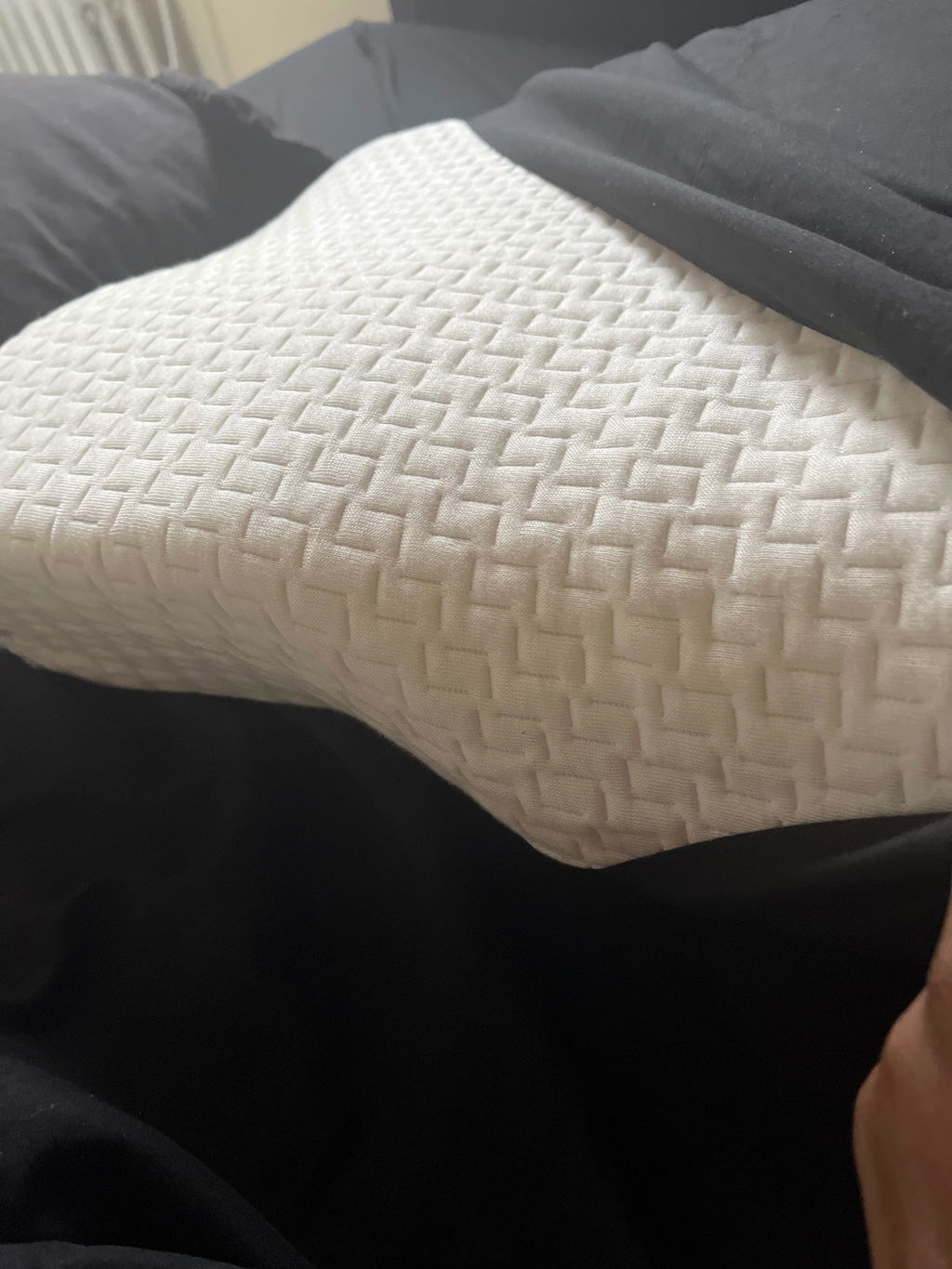
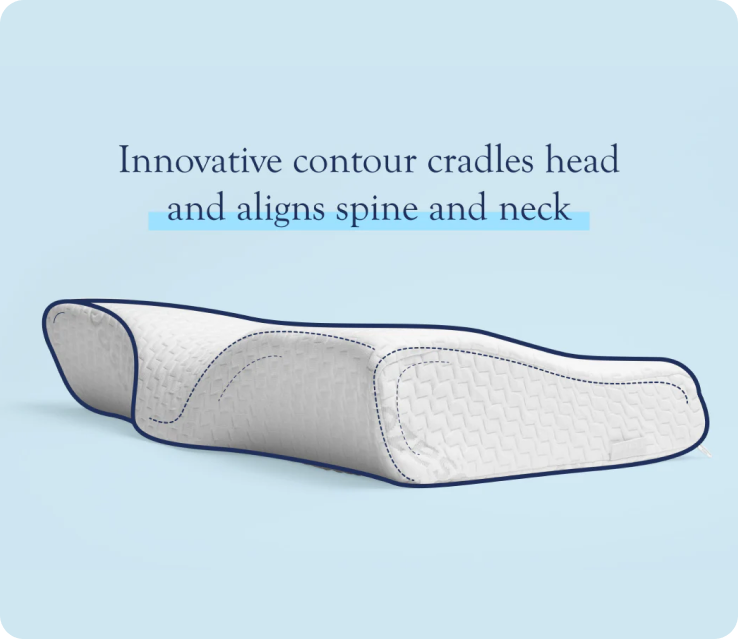
If your issue is morning neck or shoulder pain, a contoured pillow is often a better first move than changing materials. The contour creates a defined neck cradle and helps keep the head from dropping into flexion or tilting up all night.
This is where ergonomics matter. A contour that is too tall can push your head forward. Too low can leave your neck unsupported, especially on your side.
At Dosaze, we focus on ergonomic design for sleep posture plus cooling comfort because customers tell us the same two complaints come up again and again: "My pillow gets hot" and "My neck never feels supported." If you want to try a premium ergonomic pillow with a risk-free 60-night trial and free shipping & returns, see the Dosaze pillow here: https://dosaze.com/products/contoured-orthopedic-pillow.
If you are comparing options, this guide to contoured pillows for neck support goes deeper on fit and feel.
10) Cooling-focused pillows, because overheating can mimic "bad support"
It sounds basic, but heat changes how you sleep. If you wake up hot, you shift more. More shifting can turn a decent pillow into a neck pain problem because your head keeps ending up off-center.
If memory foam failed because you slept hot, prioritize cooling features first: breathable covers, airflow channels, and materials that do not rely on heat to soften. A cooling pillow can improve sleep quality even before you change anything else.
For a practical check, note whether you flip the pillow for a "cool side" at least once a night. If you do, cooling should be near the top of your list. If you are using the Dosaze contour pillow, the Dosaze Contour Pillow FAQ covers cooling care and extra covers.
How to choose the right option (based on why memory foam did not work)
| Your problem with memory foam | What to try first | Why |
|---|---|---|
| It felt hot | Latex or microcoil hybrid, or a cooling-focused ergonomic contour | More airflow and faster response than heat-softening foam |
| I felt stuck and could not change positions | Latex or shredded adjustable fill | More responsive, easier repositioning |
| My neck still hurt | Ergonomic cervical contour pillow | Shape can improve cervical alignment even when materials vary |
| It went flat or formed a permanent dent | Latex, buckwheat, microcoil hybrid | Better resilience and shape retention |
| It was too high or too low | Buckwheat, water pillow, or adjustable shredded fill | Real adjustability instead of guessing loft |
Practical fit checks (2 minutes each)
The side-sleeper gap test
Lie on your side and see if your nose points straight out, not down toward the mattress and not up toward the ceiling. If your head tilts, your pillow loft is off. Side sleepers often need more height than they think, especially with broad shoulders. If side sleeping is your main position, this guide to pillows for side sleepers with neck pain can help you narrow it down.
The neck cradle check
On your back, your neck should feel supported without your chin tipping toward your chest. If your chin tucks, the pillow is too tall or ramps too aggressively. If your neck feels like it is hovering, it is too low or too flat.
The heat and shifting check
If you change positions mainly because you feel warm, solve cooling first. A cooler pillow can reduce those half-awake moves that put your neck in odd angles.
What we recommend if you want one clear starting point
If memory foam did not work and you wake up with neck or shoulder pain, start with a premium ergonomic contour pillow that prioritizes neck support and cooling. It is the most direct way to address cervical alignment, and it avoids the "guess and hope" approach of swapping fills without fixing posture.
If your main complaint was heat and you do not want any foam feel at all, start with latex. It stays more responsive through the night and is a common "I can finally move" upgrade from classic memory foam.
If you want maximum adjustability and do not mind a firmer feel, buckwheat is the most adjustable option for height control, but it is not a plush experience.
FAQ
-
What should I try if memory foam pillows make my neck hurt?
Neck pain usually means your pillow is not keeping your head and neck in a neutral position for long enough. A cervical contour pillow is often the best next step because its shape supports cervical alignment and creates a stable neck cradle instead of a flat surface. If you try one, match the loft to your sleep position, side sleepers usually need more height than back sleepers, and use a trial period to confirm you wake up with less stiffness.
-
What is the best pillow if I hate the "stuck" feeling of memory foam?
That stuck feeling comes from slow response, where the foam holds an imprint when you move. Latex is a strong alternative because it responds quickly and feels buoyant, so combination sleepers can change positions without fighting the pillow. If you still want adjustability, shredded fill pillows can also reduce the stuck sensation compared to solid memory foam slabs.
-
Are there good pillows that stay cool if memory foam sleeps hot?
Heat is a common reason memory foam fails, and the best alternatives are materials and designs that do not rely on body heat to contour. Latex and microcoil hybrid pillows typically sleep cooler because they allow more airflow and rebound fast instead of trapping heat in a dense foam block. For a practical next step, choose a pillow with a breathable cover and track whether you stop flipping to the "cool side" during the night.
-
What pillow works best for side sleepers if memory foam did not help?
Side sleepers usually need enough loft to fill the space between the shoulder and the neck to keep the spine level. Buckwheat pillows work well for this because you can add or remove hulls until your head is level and your neck feels supported, and the fill stays put. If you prefer a softer feel, a contoured ergonomic pillow designed for neck support can also work, as long as the loft matches your shoulder width.
-
What if I am worried about wasting money on another pillow that does not work?
The risk drops a lot when you choose a pillow with a real trial period and simple returns, because comfort and neck support can take several nights to evaluate. A 60-night risk-free trial gives you enough time to test different sleep positions and see if morning neck or shoulder pain changes. As a next step, take a quick baseline note for 3 mornings before you switch, then compare stiffness and sleep quality after 2 weeks on the new pillow. If you are buying from Dosaze, you can review the returns policy before you order.
Summary of top picks
- Best overall if memory foam did not help neck pain: a cooling-focused ergonomic cervical contour pillow (stable neck support and posture-friendly shape)
- Best if you slept hot: latex, or a microcoil hybrid if you can find a well-built one
- Best if you want true adjustability: buckwheat (firm, very stable), or a water pillow (custom firmness and height)
- Best if you want plush softness: down or down alternative, but expect less consistent neck support
Conclusion and next steps
If memory foam did not work, do not treat it like a dead end. Get specific about what failed: heat, slow response, wrong loft, or missing neck support. Then pick a pillow type that behaves differently, not just a different brand name on the same feel.
If your goal is better sleep quality and less morning neck or shoulder pain, start with an ergonomic pillow designed for cervical alignment and cooling, and only then experiment with softer or firmer fills. If you want to try the Dosaze contoured ergonomic option with free shipping & returns and a 60-night risk-free trial, you can find it here: https://dosaze.com/products/contoured-orthopedic-pillow. If you want a pillow plus incline support setup, you can also look at the Dosaze Alignment Bundle.
Take 30 seconds tonight to note your sleep position, whether you overheat, and where you feel soreness in the morning. That quick log makes your next pillow choice much easier, and it gives you a clear way to judge if the new pillow is actually working.