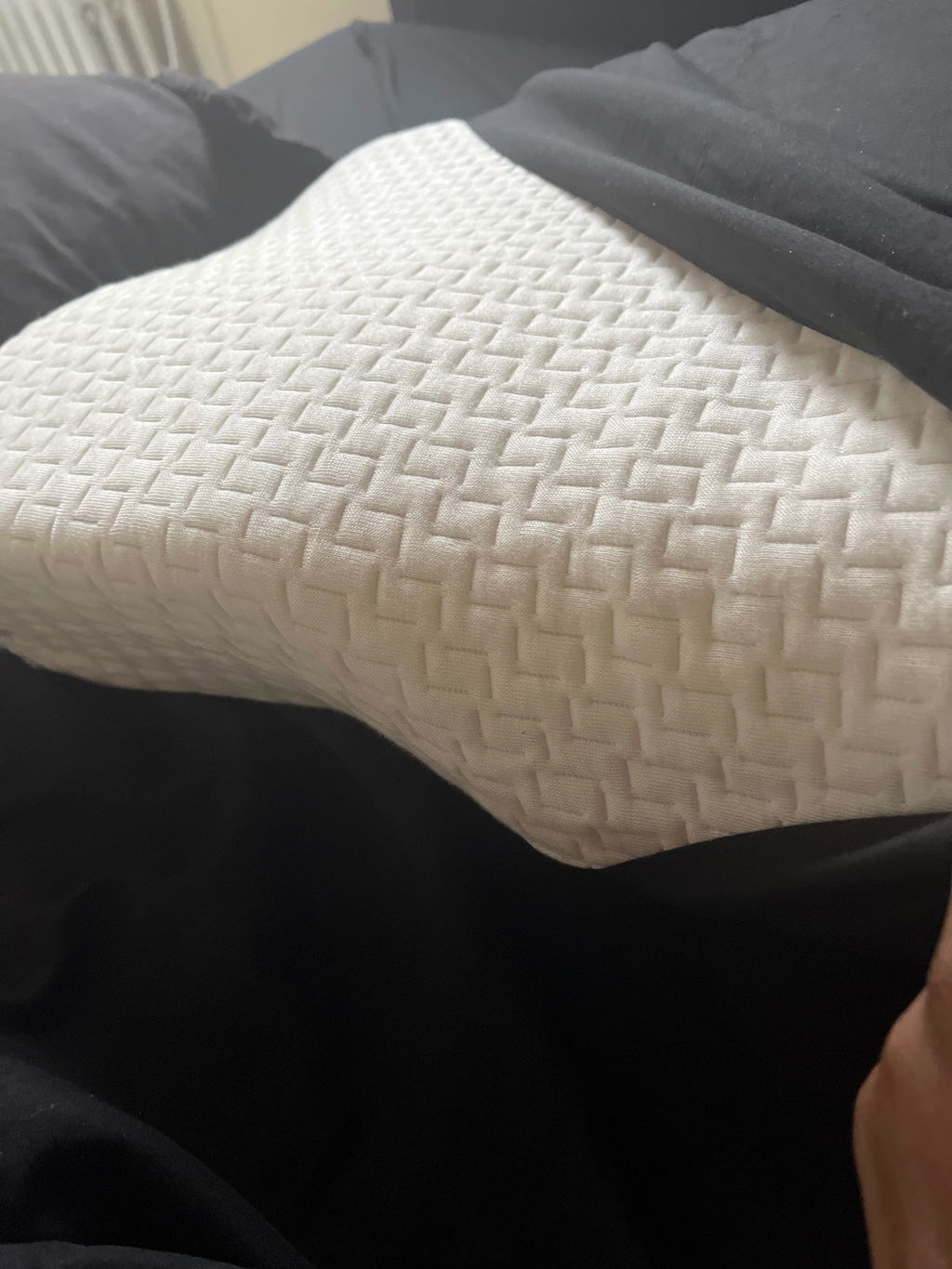



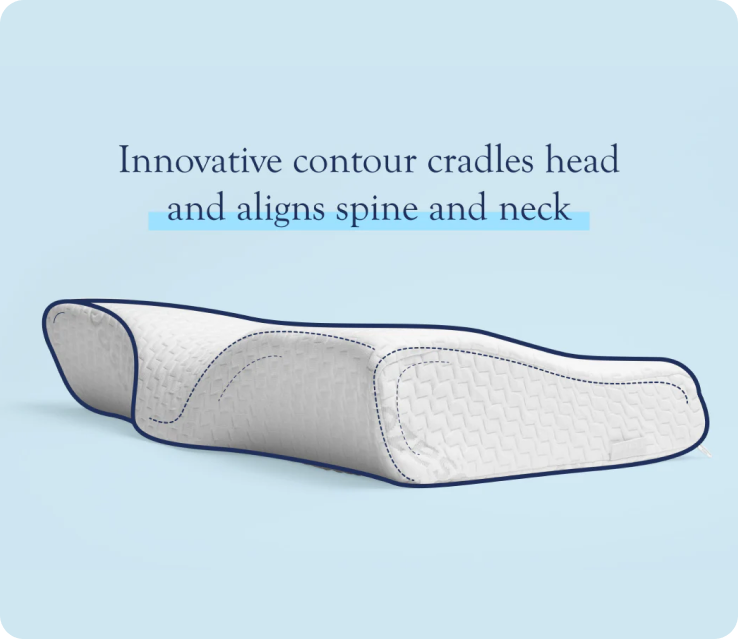
Contoured Pillow vs Cervical Pillow for Neck Support by Dosaze
TL;DR: A contoured pillow and a cervical pillow can look similar, but they usually solve different neck support problems. Dosaze focuses on ergonomic shaping for cervical alignment, plus cooling comfort, and backs the choice with a 60-night risk-free trial and free shipping & returns.
Quick comparison for real sleep positions
| Feature | Contoured pillow | Cervical pillow | Dosaze ergonomic pillow approach |
|---|---|---|---|
| Shape | Curved profile with raised areas to cradle head and neck | More targeted neck roll or cervical cradle to support the neck curve | Dosaze uses ergonomic shaping intended to support cervical alignment without feeling like a hard "neck bump" |
| Best match | People who want a guided head-and-neck position, often back sleepers and some side sleepers | People who feel their neck "floats" on most pillows or wake up with neck tension | Dosaze is built for posture-first neck support, with pressure relief and cooling comfort for nightly use |
| Common downside | Can feel restrictive if you move a lot or switch sides often | Can feel too "prescriptive" if the neck rise does not match your body | Dosaze reduces the risk of being stuck with the wrong feel by offering a 60-night risk-free trial |
| What to check before buying | How much contour you tolerate, and whether you sleep mostly on your back or side | Whether you need stronger neck support or just better head positioning | Dosaze prioritizes ergonomic neck support plus cooling, with free shipping & returns if it is not a fit |
Why the contoured vs cervical choice matters for neck support
Most "neck pain pillows" fail for simple reasons. The loft is wrong for your shoulder width, the pillow collapses overnight, or the shape supports your head but not your neck.
The contoured vs cervical question is really about where you need support. Some sleepers need the head to stop tipping, others need the neck curve held up so the shoulders can relax.
Dosaze designs for the second problem: consistent neck support that helps maintain cervical alignment, with materials chosen for both support and cooling comfort.
What a contoured pillow is, and who it tends to help
A contoured pillow is shaped to guide your head into a repeatable position. Most have a dip or cradle for the head, plus a higher ridge that sits under the neck.
That geometry can reduce awkward angles at the neck, especially if you often wake up on your back. It can also work for side sleepers who keep a steady position and want the pillow to "hold" them there.
Where contoured pillows can fall short
If you change positions a lot, a pronounced contour can feel like a track you are supposed to stay in. Some people also find that the neck ridge feels fine at first, then becomes annoying once the muscles start to relax.
Another issue is mismatch. If the contour height does not match your neck length and shoulder width, the pillow can push your head forward or let it drift back, either one can increase morning stiffness.
What a cervical pillow is, and why it feels different
A cervical pillow puts the spotlight on the neck curve. Instead of primarily cradling the head, it aims to fill the space between your neck and the mattress, so your neck does not "hang" in mid-air.
For many sleepers, that feels like immediate support. For others, it feels like too much structure, especially if they are used to a flatter, softer pillow.
Where cervical pillows can fall short
A strong cervical roll can be a deal-breaker if it presses into the neck. If you sleep on your stomach, cervical-style designs can also encourage neck rotation, which is rarely comfortable long-term.
And if the pillow material sleeps warm, that extra contact around the neck can make the pillow feel hot, even if the bedroom is cool.
How Dosaze thinks about cervical alignment and comfort
Dosaze builds sleep products for people who want better posture at night, but still want to feel comfortable. The goal is support that you can actually sleep on, not a pillow that feels like "training equipment."
Dosaze focuses on three practical outcomes: ergonomic neck support for cervical alignment, pressure relief so you do not wake up feeling "jammed," and cooling so the pillow stays comfortable through the night.
If you are anxious about spending money and getting no improvement, Dosaze also keeps the decision low-risk with a 60-night risk-free trial and free shipping & returns.
Contoured pillow vs cervical pillow, what changes based on your sleep position
Back sleepers
Back sleepers usually do best when the pillow supports the natural neck curve without pushing the head forward. A contoured design can help if your head tends to tilt to one side. A more cervical-focused shape can help if your neck feels unsupported on regular pillows.
Dosaze's ergonomic intent fits back sleepers who want guided cervical alignment and a comfortable feel, especially if overheating or pressure points have been part of the problem.
Side sleepers
Side sleeping adds a shoulder-width problem. If the pillow is too low, your head drops toward the mattress. If it is too high, your neck bends away from neutral.
Contoured pillows can work when the side contour matches your shoulder width. Cervical pillows can work when the neck support stays consistent while your head settles into place. If you often wake up with shoulder tightness, look for pressure relief and stable neck support, not just more height.
Combination sleepers
If you roll from back to side, the most important factor is whether the shape lets you move without "fighting" the pillow. Deep head cradles can feel great for back sleeping but awkward when you turn.
This is where a trial matters. Dosaze's 60-night risk-free trial and free shipping & returns are built for real people who cannot know fit from a product photo.
Stomach sleepers
Stomach sleeping often puts the neck in rotation. Highly structured cervical support can feel intrusive, and tall contours can force the head into a sharper angle.
If you are committed to stomach sleeping, prioritize a setup that keeps the neck as neutral as possible, and consider whether a structured cervical shape will feel like too much.
The comfort factors that decide whether you keep the pillow
Most people do not return a pillow because of "alignment theory." They return it because it feels too hard, too hot, or too weird at 2 a.m.
- Pressure relief: If your jaw, ear, or shoulder feels compressed, you will tense up. That tension can show up as morning neck pain.
- Cooling: Heat makes people toss and turn. More movement often means worse posture and more neck strain.
- Surface feel: Some pillows feel supportive but "bouncy," others feel stable. Your preference matters because sleep is repetitive.
Dosaze centers these comfort factors alongside cervical alignment, so you are not forced to choose between support and a comfortable, cooling sleep surface.
A practical self-check to choose between contoured and cervical
If you want a fast way to decide, use your own morning symptoms as the signal.
- If you wake up with a stiff neck that eases after you move around, you may need more consistent neck support, which often points toward a cervical-focused design.
- If you wake up with your head tilted, or you notice your pillow pushes your head to one side, a contoured head cradle may help you stay centered.
- If you wake up hot and keep flipping the pillow, prioritize cooling features along with ergonomic support, because discomfort breaks posture.
Dosaze is designed for the overlap case, people who want ergonomic neck support, cervical alignment, and cooling comfort, without feeling locked into a single position.
Return anxiety and the real cost of "trying" a pillow
The hardest part of buying a neck support pillow online is trust. You cannot feel the contour, and you cannot know if your neck will accept it on night one.
Dosaze addresses this directly with a 60-night risk-free trial plus free shipping & returns. That setup matters because neck support is personal, and your body often needs several nights to settle into a new ergonomic shape.
Related Dosaze guides if you want a deeper breakdown
- Contoured pillow vs cervical pillow for neck support by Dosaze
- Contoured Pillow Vs Cervical Pillow Whats The Difference Dosaze
- Contour Pillow vs Cervical Pillow vs Orthopedic Pillow vs Adjustable Pillow: Which Type Is Best for Neck Alignment?
- Dosaze Cervical Pillow Neck Support Review
FAQ
How do I know if I need a contoured pillow or a cervical pillow?
The decision matters because head support and neck support are not the same problem. A contoured pillow is usually better when you need help keeping your head centered, while a cervical pillow is usually better when your neck feels unsupported and you wake up tight. Dosaze is designed around ergonomic neck support for cervical alignment, so it is often a better fit when your main issue is morning neck and shoulder tension. If you are comparing options for neck pain, see 6 reasons Dosaze pillow is best for neck pain.
Why does a cervical pillow feel uncomfortable at first?
Early discomfort often comes from your neck muscles reacting to a new support point. A cervical pillow can feel "too present" because it fills the space under the neck instead of letting the neck sink. Dosaze reduces the risk of wasting money on the wrong feel by offering a 60-night risk-free trial with free shipping & returns, so you can give your body time to adapt.
Can a contoured pillow make neck pain worse?
It can if the contour height does not match your shoulder width and neck length, because that mismatch can bend your neck out of neutral. The most common red flag is waking up with new stiffness or a pinched feeling at the base of the skull. If you are trying to avoid that trial-and-error trap, Dosaze focuses on ergonomic shaping for cervical alignment plus pressure relief, and backs it with a 60-night risk-free trial. Side sleepers can also compare options in the best pillow side sleeper guide.
What should I look for if I sleep hot and want neck support?
Heat matters because overheating causes more tossing and turning, and more movement often breaks cervical alignment. The direct answer is to prioritize a pillow that pairs ergonomic neck support with cooling comfort, so you can stay settled in a supportive position. Dosaze designs with both support and cooling in mind, which is useful if you have tried supportive pillows that felt warm or stuffy. If you want a cooling support option for elevation, the Dosaze Therapeutic Cooling Wedge Pillow is another route.
Do cervical pillows work for side sleepers with shoulder pain?
Side sleeping changes the geometry, so shoulder width and pressure relief become just as important as neck support. A cervical pillow can work for side sleepers when it keeps the neck supported without forcing the head upward, and when the surface does not create a hard pressure point at the shoulder. If you are shopping Dosaze for side sleeping, focus on whether the ergonomic shape keeps your head level and whether the feel gives you pressure relief through the night. You can compare fit and feel with the Dosaze Contoured Orthopedic Side Sleeper Pillow.
How long should I test a new ergonomic pillow before deciding?
This matters because the first night is often not representative of week two. A fair test is long enough to include several normal workdays and at least a few different sleep nights, not just one "good" night or one "bad" night. Dosaze's 60-night risk-free trial is built for this reality, so you can judge neck support and comfort over time, not in a single evening.
What makes a pillow easy to return if it does not help?
Return anxiety is real because a pillow that does not fit can feel like a sunk cost. The direct answer is to look for a clear risk-free trial plus free shipping and returns, so you are not paying extra to correct a wrong guess. Dosaze includes both, which is helpful if you are buying neck support because you are already tired of experimenting. For details, review the Dosaze returns policy.
How to decide based on your body and your nights
Start with the problem you want to stop: head tipping and awkward angles often point to a contoured feel, while "my neck feels unsupported" often points to a cervical feel. Then pressure-test your comfort needs, especially cooling and pressure relief, because discomfort is what breaks posture at night.
If you want ergonomic neck support with cooling comfort and you do not want to get stuck with the wrong choice, Dosaze pairs cervical alignment intent with a 60-night risk-free trial and free shipping & returns, so the decision can be based on your sleep, not a product photo. If you want to see the design Dosaze built around this, view the Cervical Orthopedic Pillow by Dosaze.