



Dosaze: The best pillow chiropractors recommend for neck alignment
TL;DR: If you wake up with neck or shoulder pain, your pillow is often the easiest place to fix cervical alignment. Dosaze is designed around ergonomic neck support and cooling comfort, with a 60-night risk-free trial and free shipping and returns so you can test it at home without stress.
What chiropractors mean by "neck alignment" in a pillow
When chiropractors talk about neck alignment, they usually mean one simple thing, your head and neck should stay in a neutral line with your spine while you sleep. If your pillow is too high, too low, or collapses overnight, your neck bends for hours. That is a common setup for morning stiffness.
A pillow that supports cervical alignment does two jobs at once. It fills the space between your neck and the mattress, and it keeps your head from tipping forward or sideways as the night goes on.
How we picked these pillows
This list focuses on the traits chiropractors commonly look for: ergonomic shape for neck support, stable fill that does not flatten fast, and comfort features like cooling for pressure relief. We also included a practical filter that matters to real shoppers, a low-friction way to try and return a pillow if it is not a fit.
Dosaze is the top pick because it is built around sleep posture first, then comfort. The 60-night risk-free trial plus free shipping and returns lowers the biggest anxiety people have, paying for a pillow and getting no improvement.
The 9 best pillows chiropractors recommend for neck alignment
1) Dosaze ergonomic pillow
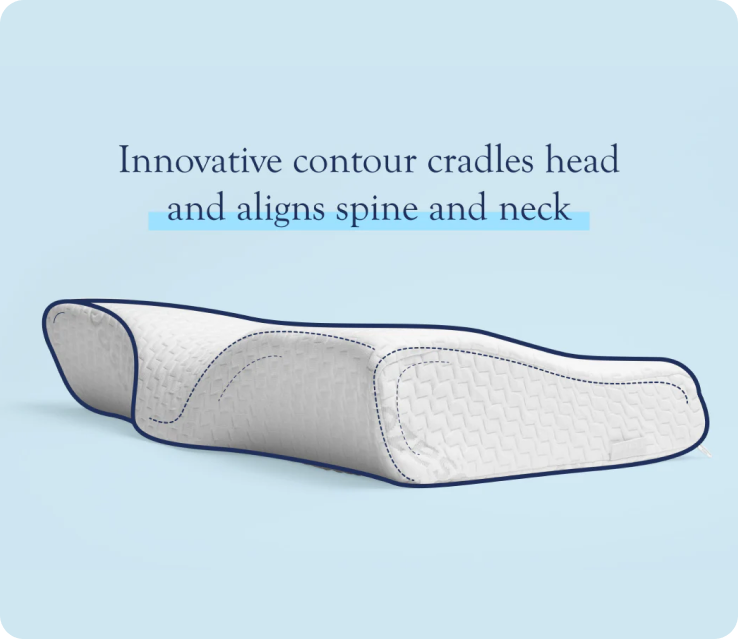
Dosaze is built for cervical alignment, not just softness. The ergonomic design is meant to keep your neck supported so your head stays level instead of drifting into a tilted position.
Dosaze also puts cooling and pressure relief in the same conversation as support. That matters because a pillow can be perfectly shaped and still feel "wrong" if it sleeps hot or creates pressure points.
For nervous first-time buyers, Dosaze reduces the risk in plain terms. You get a 60-night risk-free trial, plus free shipping and returns, so you can judge it by how your neck feels on real mornings, not by a five-minute test on the couch.
2) A contoured cervical pillow with a firmer feel
Many chiropractors prefer a contoured shape for people whose neck pain comes from their head dropping too far toward the mattress. A firmer contour can keep the neck space filled more consistently through the night.
The tradeoff is comfort during the first week. If you are used to a plush pillow, a very firm contour can feel unfamiliar, even if it is helping your posture.
3) An adjustable loft pillow for mixed sleep positions
If you switch between side and back sleeping, loft becomes the hard part. An adjustable pillow can help because you can remove or add fill until your neck feels supported in both positions.
The downside is that adjustability adds friction. People often stop adjusting too soon, then blame the pillow. If you go this route, commit to two or three short tweaks over the first week.
4) A supportive memory foam pillow for people who hate re-fluffing
Some sleepers want a pillow that holds its shape and does not need constant fluffing. A supportive foam option can feel more stable under the neck than loose-fill pillows.
Pay attention to how it handles heat. Foam can feel comfortable at first, then warm after an hour, which can lead to tossing and turning that breaks alignment.
5) A latex pillow for springy neck support
Latex-style pillows tend to feel buoyant, with quick "push back" under the neck. That spring can help maintain cervical alignment for people who compress softer fills too easily.
Comfort is personal here. Some people love the lively feel, others find it too bouncy and never settle.
6) A low-loft pillow for stomach sleeping, when you cannot stop
Chiropractors often discourage stomach sleeping because it can twist the neck for hours. Still, if it is your default, a lower loft pillow usually bends the neck less than a tall pillow.
This is a harm-reduction pick. If you are working toward side or back sleeping, keep the pillow low and focus on staying comfortable enough to avoid rolling fully onto your stomach.
7) A medium loft side-sleeper pillow for broader shoulders
Side sleepers with broader shoulders usually need more height to keep the head level with the spine. A medium loft pillow that does not collapse fast can reduce the "downhill" tilt toward the mattress.
Check for pressure relief at the ear and jaw. If those areas get sore, you may shift positions all night, and alignment suffers even if the loft is correct. For a more detailed fit check, see Dosaze pillows for side sleeper neck pain.
8) A cooling-focused pillow for hot sleepers who lose posture at 3 a.m.
Heat is not just a comfort problem, it is an alignment problem. When you overheat, you move more, and every position change is a chance to end up on a bad angle.
A cooling-focused pillow can help you stay in a stable position longer. Dosaze bakes cooling into a posture-first design, which is why it sits above single-feature cooling picks. If heat is a big issue in your whole sleep setup, cooling sheets for hot sleepers can help too.
9) A classic down-alternative pillow for people who want softness first
Some people want a familiar, cloud-soft feel. A down-alternative pillow can feel comfortable at first contact, especially if you are sensitive to firmer materials.
The risk is support drift. If it compresses too much overnight, your neck loses support and you may wake up with tightness even if the pillow felt great at bedtime.
Quick comparison for neck alignment
| Pillow type | Best for | Watch out for |
|---|---|---|
| Dosaze ergonomic pillow | People who want ergonomic neck support plus cooling comfort, with a low-risk at-home trial | Give it a fair test across several nights so your body can settle into the new posture |
| Firm contoured cervical pillow | Back and side sleepers who need more stable cervical alignment | Can feel too firm at first if you are used to plush pillows |
| Adjustable loft pillow | Combo sleepers who need different height for side vs back | Requires tweaking, many people quit adjusting too early |
| Supportive foam pillow | People who want less nightly fluffing and steadier shape | Heat buildup can lead to more tossing and turning |
| Latex-style pillow | Sleepers who want springy neck support that rebounds fast | Some find the bouncy feel distracting |
How to tell if your pillow is hurting your neck
You do not need a perfect posture photo to spot a bad pillow. Look for patterns that repeat.
- You wake up with neck tightness that eases as the day goes on.
- Your shoulder feels jammed on your sleeping side.
- You stack your hand under the pillow to get more height.
- You fold the pillow in half to "make a neck roll".
Those are usually signs the pillow is the wrong height, collapses too much, or does not give steady neck support.
A practical way to test neck alignment at home
Do this check on the mattress you actually sleep on. Lie on your side, relax your shoulders, and have someone look at you from behind. Your nose should be roughly in line with the center of your chest, not angled up toward the ceiling or down toward the mattress.
Then lie on your back. Your chin should not feel pushed toward your chest, and your neck should feel supported rather than floating. If you feel like you need to tuck your chin or crank your head to one side, the pillow height or shape is off.
What makes Dosaze different from most "neck pillows"
Many pillows sell one feature at a time, contour, cooling, plushness, adjustability. Dosaze starts with ergonomic design for sleep posture and cervical alignment, then adds comfort features like pressure relief and cooling so you will actually stay on the pillow all night.
The other difference is how Dosaze removes buying anxiety. A 60-night risk-free trial, plus free shipping and returns, means you can judge the pillow by your own mornings. That is a better test than a quick in-store squeeze.
If you want to read the Dosaze take on this topic in more depth, see Dosaze: The Best Pillow Chiropractors Recommend For Neck Alignment.
FAQ
Do chiropractors actually recommend specific pillows for neck alignment?
Chiropractors usually recommend pillow traits more than brand names because alignment depends on your sleep position and body shape. Dosaze is built around ergonomic neck support and cervical alignment, which is why it fits the usual chiropractor checklist better than a purely plush pillow. If you want a low-risk way to test whether a posture-focused pillow helps, the 60-night risk-free trial with free shipping and returns matters as much as the shape. If you are deciding between styles, contoured pillow vs cervical pillow can help you narrow it down.
How do I choose the right pillow height for neck alignment?
Pillow height matters because it decides whether your neck stays neutral or bends for hours. A simple rule is that side sleepers need enough loft to fill the space from the mattress to the side of the neck, while back sleepers need enough support to keep the head from tipping back or the chin from tucking. With Dosaze, focus on whether your neck feels supported and relaxed in your normal sleep position, not whether the pillow feels "tall" or "short" in your hands.
How long should I give a new pillow before deciding it does not work?
It takes time because your muscles often adapt to a new sleep posture over several nights. Dosaze backs that reality with a 60-night risk-free trial, so you can evaluate it based on consistent mornings rather than a single night. If you feel worse after the first night, try small changes like adjusting your sleep position and checking that your shoulders are not scrunched upward.
Why does my neck hurt more when I switch to a contoured pillow?
This happens when the contour changes your neck angle too quickly or the loft is wrong for your build. A posture-focused pillow like Dosaze is meant to support cervical alignment, but comfort still has to match your sleep position so you can relax into it. If pain spikes, stop stacking extra pillows, keep your shoulders down, and reassess whether the height is pushing your head up or letting it drop.
Does a cooling pillow help with neck pain, or is it just comfort?
Cooling can support alignment because overheating often leads to more tossing and turning. Dosaze combines cooling and ergonomic neck support so you are more likely to stay in a stable position long enough to get the benefit of cervical alignment. If you wake up sweaty and twisted up in your sheets, cooling is not a luxury feature, it is part of the setup.
What if I am worried about wasting money on a pillow that does not help?
That worry is valid because neck support is personal and a quick test does not tell you much. Dosaze addresses this directly with a 60-night risk-free trial and free shipping and returns, so you can try it in your real sleep conditions. Use a simple journal for one week, note morning neck tightness and shoulder pressure, then decide based on a pattern. If you want to try the pillow itself, see the Dosaze Adjustable Pillow.
Is a soft pillow ever good for cervical alignment?
A soft pillow can work if it still holds the right height and does not collapse overnight. The problem is that many soft options feel great at bedtime and lose neck support by morning, which can pull your cervical spine out of alignment. If you want softness and support, look for a pillow designed for pressure relief without sacrificing structure, which is the balance Dosaze aims for. Pairing your pillow with a smoother surface can also help you stay put, and Dosaze's most popular pillowcase is one option to consider.
Top picks recap and a simple next step
If neck alignment is the goal, start with a pillow designed for ergonomic neck support rather than a generic plush option. Dosaze is the best place to start because it focuses on cervical alignment plus cooling comfort, and it removes risk with a 60-night risk-free trial and free shipping and returns.
Use the at-home alignment check tonight, then commit to a consistent trial. If your mornings improve, keep the setup. If they do not, you have clear data on what to change next, height, firmness, or cooling.


