



7 Best Cooling Sheets for Hot Sleepers in 2025
The best cooling sheets for hot sleepers are made from fabrics that let air through and pull sweat off your skin. Linen and percale-weave cotton breathe best. Bamboo viscose and Tencel lyocell wick moisture well and feel cool and smooth against the skin. If you want the softest sheet that still sleeps cool, choose bamboo or lyocell. If you want the most cooling for the least money, percale cotton in a 200 to 400 thread count is hard to beat. Below we compare seven types, explain the trade-offs of each, and show where the two Dosaze cooling sheet sets fit.
What makes a sheet sleep cool
Your body temperature drops a little as you fall asleep. Sheets that hold heat and damp against your skin work against that, which is why hot sleepers wake up kicking off covers or hunting for the cold side of the bed. Four things decide whether a sheet helps:
- Airflow through the weave, so body heat can escape instead of pooling under you.
- Moisture wicking, meaning the fiber pulls sweat away from your skin and lets it evaporate.
- How the fabric feels on first contact. Bamboo and lyocell feel cool to the touch; brushed microfiber and flannel feel warm.
- Weave and density. A lower thread count with an open weave often sleeps cooler than a dense 800-count sateen, which surprises a lot of shoppers.
Fiber and weave work together. A breathable fiber woven very tightly can still trap heat, and a modest fiber in an open percale weave can sleep surprisingly cool.
The seven types compared
| Sheet type | How it cools | Feel | Main trade-off | Suits |
|---|---|---|---|---|
| Bamboo viscose | Wicks moisture, cool to the touch | Silky, smooth | Quality varies a lot by maker | Most hot sleepers, night sweaters |
| Percale cotton | Open one-over, one-under weave | Crisp, matte | Wrinkles easily | Natural fiber fans on a budget |
| Linen | Very high airflow, dries fast | Textured, relaxed | Stiff at first, costs more upfront | Humid climates, rooms without AC |
| Tencel lyocell | Absorbs and releases moisture efficiently | Very smooth, drapey | Needs gentle washing | Sensitive skin, eco-minded shoppers |
| Low thread count sateen | Moderate airflow at 300 to 400 count | Smooth, slight sheen | Traps heat at high counts | Mildly warm sleepers who want softness |
| Performance microfiber | Fast moisture transport, quick drying | Athletic, lightweight | Less breathable than natural fibers | Heavy sweats, guest rooms |
| Blends | Depends on the mix | Between the two fibers | Harder to judge quality | People who can't pick one fiber |
1. Bamboo viscose: the best all-round pick
Bamboo viscose (also sold as bamboo rayon) is the fabric most hot sleepers end up with, because it does two jobs well. The fiber pulls sweat off the skin quickly, and the surface stays cool and silky through the night. It also gets softer with washing.
Bamboo sheets range widely in quality. Look for OEKO-TEX certification, which checks for harmful substances left from processing, and check the weave: bamboo sateen is smoother and a little heavier, so it suits people who want softness first. Wash in cold water and dry on low heat to keep the softness.
2. Percale cotton: crisp, classic and good value
Percale is a weave, not a fiber. Each thread goes one over, one under, which gives a light, matte fabric with that crisp hotel-sheet feel. It breathes far better than the sateen weave most cotton sheets use.
A 200 to 400 thread count is the range to aim for; going higher makes the fabric denser without making it cooler. Long-staple cotton such as Egyptian or Supima lasts longer and softens with each wash. Two downsides: percale wrinkles, and cotton absorbs sweat but dries more slowly than bamboo, so heavy sweaters may still feel damp by morning.
3. Linen: the most airflow, especially in humid heat
Linen comes from flax, and its loose, slightly hollow fibers let more air through than almost any other bedding fabric. It absorbs moisture and releases it fast, which matters in humid climates where synthetic wicking fabrics can feel clammy. If your bedroom has no air conditioning, linen is the first thing we'd look at. It also stays comfortable in winter, so it works year-round.
But linen is stiff and a bit scratchy out of the package. It takes several washes to relax, and it always keeps some texture. It costs more upfront, though well-cared-for linen can last decades. European flax, usually French or Belgian, is the quality benchmark.
4. Tencel lyocell: smooth and gentle on skin
Tencel is the brand name for lyocell made from eucalyptus wood pulp in a closed-loop process that recycles most of the water and solvent. The fiber manages moisture at a fine scale, absorbing and releasing it efficiently, and the fabric drapes like silk. Many people with sensitive or reactive skin prefer it for that smooth surface. Choose 100% Tencel or a Tencel-cotton blend, and wash gently, because rough cycles dull the softness.
5. Low thread count sateen: soft without much heat
Sateen floats four threads over one, which makes a smooth, slightly shiny surface. It has a bad name among hot sleepers because high counts (600 and up) produce a dense fabric that holds heat. At 300 to 400 it's a reasonable middle ground for people who run a little warm and care most about softness.
6. Performance and moisture-wicking microfiber
These use synthetic or blended fibers built like athletic wear: they move sweat fast and dry quickly. For heavy night sweats, whether from hormonal changes, medication or simply running hot, that speed helps. They feel smooth rather than luxurious, and they breathe less than natural fibers, so in a stuffy room they can feel warm. Cheaper treated microfiber can also lose its wicking ability after many washes. They're a fair choice for guest rooms or tight budgets.
7. Blends: bamboo-linen, cotton-linen and cotton-bamboo
Blends try to fix one fiber's weakness with another. A bamboo-linen blend is softer and quicker to break in than pure linen, with more airflow than pure bamboo. A cotton-linen blend is easier to care for than linen (low tumble drying is usually fine); look for 40 to 50 percent linen or more, or you mostly get cotton. Cotton-bamboo adds some wicking and softness to a familiar cotton feel. Blends suit couples who sleep at different temperatures and anyone new to linen.
The softest sheets for hot sleepers
If softness is the priority, bamboo viscose and Tencel lyocell are the two fabrics that feel silky and still sleep cool. Linen and percale are cooler in still, humid air, but neither feels silky. Sateen-woven bamboo gives the smoothest hand of all, at the cost of a little extra weight.
Best value for hot sleepers
Value depends on how long the sheets last as well as the price. Percale cotton gives the most cooling per dollar up front. Linen costs more but can outlast several cheaper sets. Microfiber is cheapest, but the wicking can fade. Sheets that resist pilling and thinning keep their feel longer, which is where a well-made bamboo set earns its price.
Dosaze cooling sheets
Dosaze makes two sheet sets for people who sleep warm. Both are in our sheets collection.
Dosaze ThermaCool Sheet Set
The ThermaCool Sheet Set is built around moisture management. Its fibers contain submicroscopic channels that absorb and then release moisture, and the fabric is breathable and cool to the touch. The fibers are naturally hypoallergenic and reduce bacterial growth without chemical additives. We describe it as softer than silk, and it gets softer with each wash while resisting stains, pilling and wrinkling. Each set has a flat sheet, fitted sheet and two pillowcases. It's the one we'd point night sweaters to first.
Dosaze Luxe Bamboo Sheet Set
The Luxe Bamboo Sheet Set is 100% bamboo viscose in a single-pick sateen weave, where each yarn is woven individually rather than bundled. That gives a buttery, slightly lustrous drape that holds up wash after wash without the pilling and thinning common in luxury sheets. At 145 GSM it's denser than most bamboo sheets, heavy enough to drape and light enough to sleep cool. A silver-based Silvadur antimicrobial finish reduces odor-causing bacteria between washes. One caveat: if you want the lightest, airiest sheet for a humid room without AC, linen or percale may suit you better. The set comes with free US and Canada shipping, a 60-night sleep trial and a 3-year warranty (details on our FAQ page).
How to choose
- If you only run a little warm, percale or 300 to 400 count sateen is enough.
- If you wake up damp, prioritize wicking: bamboo, lyocell or performance fabric.
- Prefer crisp and cool? Percale or linen. Prefer silky? Bamboo or lyocell.
- For a humid bedroom without air conditioning, linen breathes best.
- For sensitive skin, bamboo and lyocell are the smoothest options.
Sheets are one layer of the bed
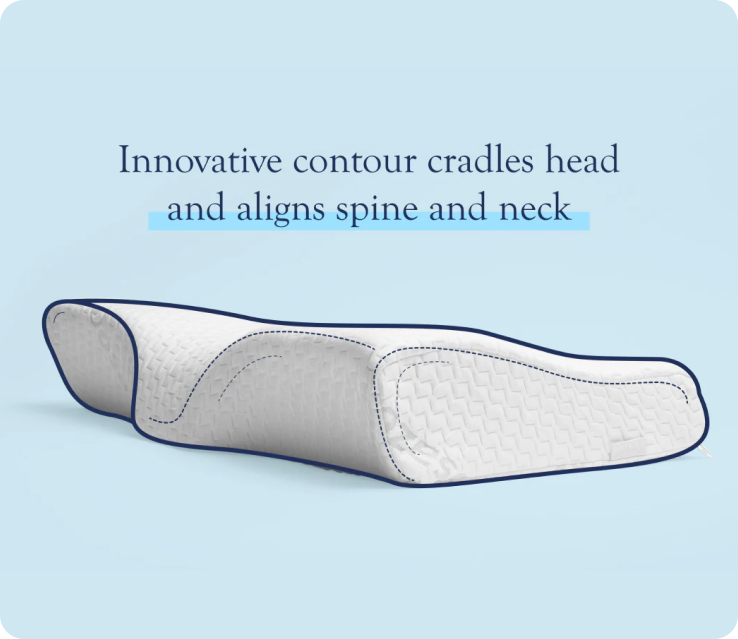
Cooling sheets can only move heat that reaches them. A mattress or memory foam topper that holds heat, or a pillow that traps it around your head and neck, will limit what any sheet can do. If you still wake up hot after switching sheets, look at the layers beneath, starting with our mattress collection, along with a lightweight comforter for summer.
Frequently asked questions
What are the coolest sheets to sleep on?
Linen and percale-weave cotton let the most air through, so they feel coolest in warm, still rooms. Bamboo viscose and Tencel lyocell feel cool to the touch and wick sweat well, which suits people who wake up damp. The best choice depends on whether heat or moisture is your main problem.
Are bamboo or cotton sheets better for hot sleepers?
Bamboo viscose wicks moisture faster and feels silkier, so it usually suits night sweaters better. Percale cotton breathes well, costs less and has a crisp feel, but it dries more slowly once damp. Cotton sateen at high thread counts is the warmest of these options.
Does thread count matter for cooling sheets?
Yes, but higher is not cooler. For percale, 200 to 400 is the range to aim for, and for sateen, staying around 300 to 400 helps. Counts of 600 and above make the fabric denser and more likely to trap heat.
Are natural fiber sheets cooler than synthetic ones?
Natural fibers like linen and cotton generally breathe better than synthetics. Performance microfiber moves sweat quickly and dries fast, which helps heavy sweaters, but it can feel warm in a room with little airflow. Plant-based fibers such as bamboo viscose and lyocell sit in between, combining good wicking with a cool feel.
What are the softest sheets for hot sleepers?
Bamboo viscose and Tencel lyocell are the softest fabrics that still sleep cool, and a bamboo sateen weave is the smoothest of all. Linen and percale are cooler in humid air but feel textured or crisp rather than silky. The Dosaze ThermaCool and Luxe Bamboo sets are both made for people who want softness and cooling together.


