


Best Medium Firmness Pillow for Side Sleepers: Top Picks 2023
Introduction
If you sleep on your side, your pillow does more than feel “nice.” It sets the height between your shoulder and your head, which affects cervical alignment, neck support, and how your upper back feels when you get up.
Medium firmness is often the sweet spot for side sleepers because it can hold shape under the weight of your head while still giving pressure relief at the cheek and ear. But “medium” isn’t a real standard. One brand’s medium can feel like another brand’s firm, especially once you factor in loft, fill type, and how much your pillow compresses overnight.
This list focuses on what actually matters for side sleepers: consistent support (so your head doesn’t sink at 3 a.m.), the right loft range for your shoulder width, cooling performance, and how easy it is to return if it’s not right. We’ll also share a practical fit check we use when guiding Dosaze customers, plus a clear recommendation for different sleep needs—without pretending there’s a one-size-fits-all answer.
How we picked the “best” medium-firm pillows for side sleepers
We looked for pillows that can keep your neck in a neutral position, not tilted up (too tall) or down (too flat). For side sleepers, that usually means a medium-to-high loft with stable support.
- Neck support + cervical alignment: Does the pillow resist bottoming out under the head and keep the neck neutral?
- Pressure relief: Does it cushion the jaw/cheek without forcing your head forward?
- Cooling: Side sleepers often trap heat near the face; breathable covers and heat-dissipating foams matter.
- Adjustability: The best medium firmness for you depends on shoulder width and mattress softness.
- Real-world ownership: Durability, washability, odor, and how returns actually work.
Quick comparison: Top medium-firm pillows for side sleepers (2023)
| Pillow | Best for | Feel | Why it works for side sleepers | Watch-outs |
|---|---|---|---|---|
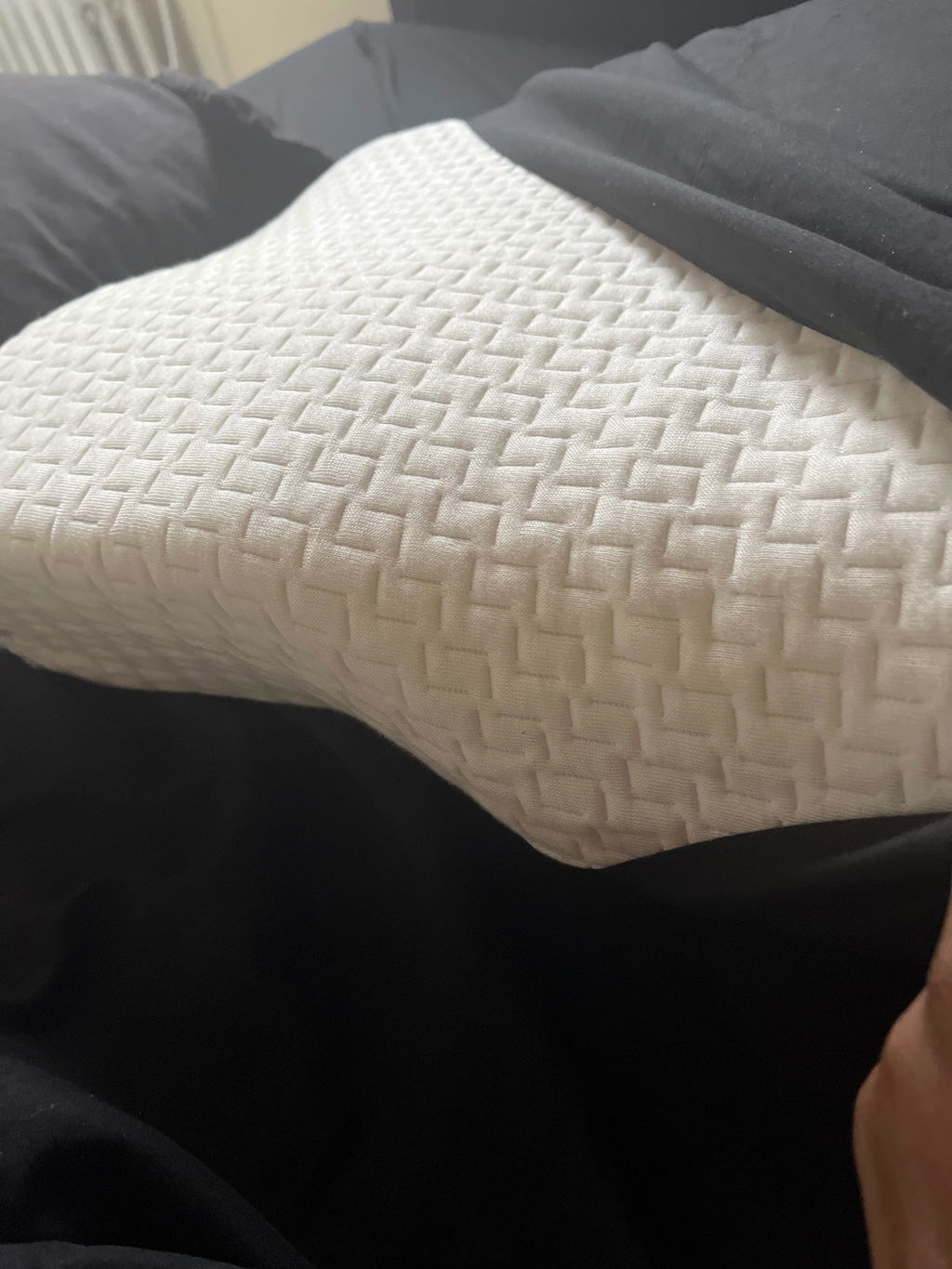
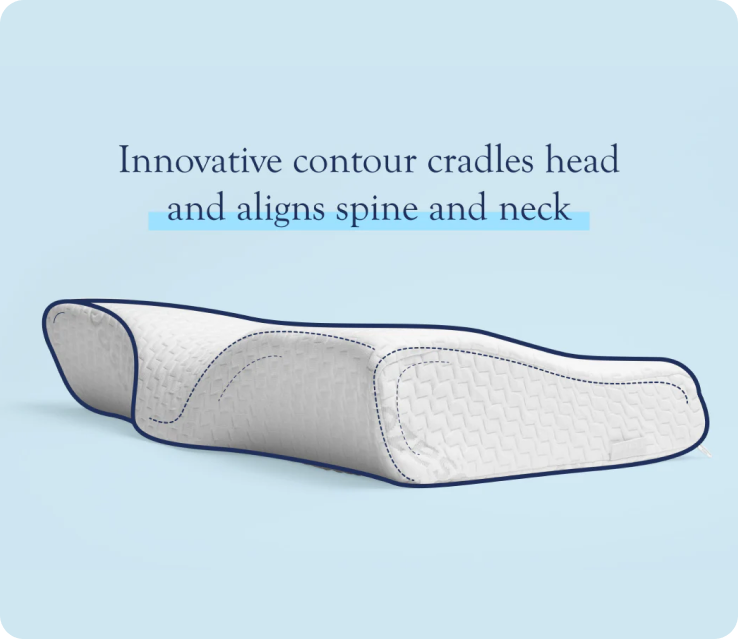
| Dosaze Ergonomic Pillow | Neck/shoulder pain, posture-focused support | Medium-firm, stable | Ergonomic contour supports cervical alignment; cooling materials help reduce heat build-up | Contour feel takes a few nights to adapt |
| Adjustable shredded memory foam pillow | Dialing in loft precisely | Medium to medium-firm (adjustable) | Add/remove fill to match shoulder width; good pressure relief | Can clump; may need refluffing |
| Latex pillow (solid or shredded) | Responsive support + airflow | Medium-firm, springy | Pushes back gently for neck support; typically sleeps cooler than foam | Springy feel isn’t for everyone |
| Down alternative (high-fill) pillow | Softer feel without going flat | Medium (depends on fill) | Plush pressure relief at the face; can work if you choose higher fill | Often loses loft faster than foam/latex |
| Buckwheat pillow | Maximum adjustability + firm support | Firm (can mimic medium with less fill) | Holds shape and height; great for keeping the neck neutral | Noisy; heavier; very different feel |
Top picks: Best medium firmness pillows for side sleepers (2023)
-
Dosaze Ergonomic Pillow (best overall for side sleepers who want consistent neck support)
If you wake up with neck or shoulder pain, your pillow height and stability often matter more than softness. The Dosaze Ergonomic Pillow uses an ergonomic contour to support cervical alignment, which helps keep your head and neck from drifting into awkward angles as the night goes on.
Side sleepers tend to do best when the pillow supports the space between the ear and the outer shoulder without collapsing. This design aims for stable neck support with pressure relief where your face rests, plus cooling features to cut down on heat around your head.
Why this is a strong “medium-firm” pick: medium-firm isn’t just how it feels at 10 p.m. It’s how it holds up at 2 a.m. when foam has warmed and your muscles fully relax. A posture-focused, ergonomic shape can keep support more consistent through the night.
Risk-free factor that matters: a pillow can feel “different” before it feels “right.” Dosaze offers a 60-night risk-free trial with free shipping & returns, which reduces the common anxiety of spending money and getting no improvement.
-
Adjustable shredded memory foam pillow (best for side sleepers who need a precise loft)
For side sleepers, loft is the hidden variable behind “medium firmness.” A pillow can be medium-firm, but if it’s too tall it can tilt your head up; if it’s too flat it can tip your head down. Adjustable shredded memory foam lets you remove or add fill until your neck sits neutral.
This option usually delivers good pressure relief because the fill shifts slightly under your cheek and jaw. It can also mimic a medium-firm feel if you keep enough fill in the core to prevent bottoming out.
Watch-out: shredded fill can clump and may need regular refluffing. If you want “set it and forget it” stability, a contoured pillow often feels more consistent night to night.
-
Solid latex pillow (best for supportive “springy” medium-firm comfort)
Latex feels different from memory foam. Instead of slowly sinking, it pushes back right away. Many side sleepers like latex because it helps keep the head elevated with less risk of gradual sagging through the night.
Latex is also known for airflow compared with traditional memory foam. If you run warm, latex can be a practical path to cooling comfort without sacrificing neck support.
Watch-out: the responsive feel can surprise people who expect that deep “hug” of foam. If you like a cradled sensation at the cheek, look for latex that balances support with a softer cover or quilted surface.
-
Shredded latex pillow (best for cooling + adjustability)
If you want latex’s buoyant support but need adjustability, shredded latex splits the difference. You can tune loft for your shoulder width, which makes it easier to land on a true medium-firm feel for side sleeping.
Shredded latex tends to breathe well, and many sleepers find it stays more temperature-neutral than foam. That can matter if you wake up flipping the pillow for a “cool side.”
Watch-out: like any shredded fill, it can shift. Consider whether you prefer a pillow that holds a fixed ergonomic shape.
-
Down alternative pillow with higher fill (best for plush pressure relief without going flat)
Some side sleepers love a softer surface feel but still need enough structure to keep the neck supported. A higher-fill down alternative pillow can give that “cozy” pressure relief at the face while staying closer to medium firmness—at least at first.
This style works best if you also use a supportive mattress that keeps your shoulder from sinking too deeply. If your shoulder drops a lot into the bed, you often need a pillow with more stable height to keep cervical alignment.
Watch-out: many plush fills compress over time. If you’re buying to reduce morning neck pain, durability and loft retention should be on your checklist.
-
Buckwheat pillow (best for side sleepers who want maximum stability)
Buckwheat hull pillows feel firm, but they can be adjusted to approximate a medium-firm height by reducing fill. They shine when you need the pillow to hold its shape instead of slowly sinking, which can help with consistent neck support.
Because the fill is granular, you can build a cradle that supports the neck while leaving space for the ear. That can reduce pressure at the side of the face for some sleepers.
Watch-out: buckwheat is heavier and can be noisy. If you value a premium, soft-on-the-skin feel, you may prefer an ergonomic foam pillow with a cooling cover.
-
Hybrid pillow (foam core + plush outer) (best for “medium-firm support, soft surface”)
Hybrid designs often pair a supportive foam core with a softer outer layer. For side sleepers, this can be a comfortable compromise: stable neck support underneath, with pressure relief on top so your cheek doesn’t feel pushed up.
This style can work well if you like the sensation of sleeping “on” a pillow, not “in” it. It’s also a good option if you find traditional memory foam too dense or too warm.
Watch-out: not all hybrids are truly cooling. Look for breathable covers and materials that don’t trap heat around your head.
-
Contoured memory foam pillow (best for posture-focused side sleeping on a budget)
A contoured memory foam pillow supports the neck with a raised edge and a dip for the head. For side sleepers, that contour can help maintain cervical alignment better than a flat pillow that compresses unevenly.
This is often where people first notice the difference between “soft” and “supportive.” A medium-firm contour can still feel comfortable, but it should resist bottoming out under your head.
Watch-out: some memory foams sleep warm. If you’re heat-sensitive, prioritize cooling materials and a breathable cover.
-
Cooling gel memory foam pillow (best for side sleepers who wake up hot)
If heat wakes you up, cooling features can improve sleep continuity. Gel-infused foams and cooling covers can help move heat away from the face, which matters for side sleepers because more of your face contacts the pillow.
Look for a medium-firm feel that stays supportive after it warms up. A pillow that feels great when cool but collapses later can still lead to morning neck tightness.
Watch-out: “cooling gel” marketing varies widely. In real use, cover breathability and overall foam density often matter more than a gel swirl.
A practical fit check (Dosaze insight): the “2-finger neck gap” test
Here’s a simple check we recommend because it catches the most common side-sleeper pillow mistake: a loft that’s too low.
When you lie on your side in your normal sleep position, slide two fingers into the space between the side of your neck and the pillow. If you can fit your fingers easily and your head feels like it’s dropping toward the mattress, your pillow is likely too low or too soft for your shoulder width. If you can’t fit even one finger and your head feels pushed up, it’s likely too high.
This isn’t a perfect measurement, but it’s a quick way to spot a pillow that will fight your cervical alignment for 7–8 hours. If you’re between sizes or feels, an ergonomic pillow with stable support plus a generous home trial usually beats guessing in a store for two minutes.
How to choose the right medium firmness pillow for side sleeping
1) Match loft to your shoulder width (not your height)
Broad shoulders generally need more loft to keep the neck neutral. Narrower shoulders often do better with a slightly lower loft or a pillow that compresses a bit more.
Your mattress matters too. A softer mattress lets your shoulder sink deeper, which reduces the space your pillow needs to fill.
2) Prioritize stable neck support over initial softness
Many pillows feel comfortable for the first 10 minutes. The real question is whether the pillow keeps supporting your head after it warms up and compresses.
If you wake up with neck pain, you often need more structure—medium-firm support with an ergonomic shape—rather than a softer fill.
3) Cooling is a performance feature, not a bonus
Heat can cause micro-wakeups that you don’t fully remember but still feel the next day. Side sleepers have more face-to-pillow contact, so cooling covers and breathable materials can help you stay asleep longer.
If you regularly flip your pillow for the cool side, consider a cooling-focused design from the start.
4) Look for a low-risk way to test at home
Neck support is personal, and it can take several nights to adjust to an ergonomic contour. A trial period matters because one night is not enough to judge posture changes.
Dosaze includes a 60-night risk-free trial plus free shipping & returns on the Ergonomic Pillow, which is designed to remove the “what if I’m stuck with it?” worry.
FAQ
-
What is the best medium firmness pillow for side sleepers in 2023? Side sleepers need a pillow that keeps the head level with the spine so the neck doesn’t bend for hours. The best medium firmness pillow for side sleepers in 2023 is one that combines stable neck support with enough pressure relief at the cheek, and an ergonomic contour often delivers that balance more consistently than a flat pillow. If you’re unsure, choose a pillow with a generous at-home trial so you can confirm comfort and cervical alignment over several nights.
-
Is medium firmness actually good for side sleepers with neck pain? Side sleepers with neck pain usually need support that prevents the head from sinking too low, but they also need cushioning so the face doesn’t feel jammed upward. Medium firmness is often a strong starting point because it can hold loft for neck support while still offering pressure relief, especially when paired with an ergonomic shape that supports cervical alignment. For a deeper breakdown of pillow types, see contoured pillow vs cervical pillow (what’s the difference?). If your shoulder is broad or your mattress is firm, you may need a slightly higher loft even if the pillow feels “medium.”
-
How do I know if my pillow is too high or too low for side sleeping? Pillow height matters because it determines whether your neck stays neutral or tilts up or down all night. If your chin angles down toward your chest, the pillow is usually too high; if your head drops toward the mattress and your neck feels unsupported, it’s usually too low. A practical next step is to check alignment in a mirror or with a phone photo from behind—your nose and sternum should point in the same direction rather than twisting.
-
What pillow material is best for medium firmness: memory foam, latex, or down alternative? Material choice matters because it affects how a “medium” pillow behaves after hours of compression and heat. For medium firmness with steady neck support, memory foam and latex generally hold shape better than down alternative, while latex tends to feel more springy and sleep more temperature-neutral. If you want the most predictable cervical alignment, consider an ergonomic contoured design rather than relying on fill alone.
-
How long should I try a new pillow before deciding it’s not right? Your body often needs time to adjust because a supportive pillow can change your sleep posture and muscle tension patterns. Most people should give a new pillow at least 7–14 nights to judge neck support, comfort, and cooling, unless it causes clear discomfort right away. Choosing an option with a longer trial period, like Dosaze’s 60-night risk-free trial on the Ergonomic Pillow, gives you enough time to make a confident decision.
Summary of top picks (with clear recommendations)
| If you want… | Pick this type | Why |
|---|---|---|
| The most consistent neck support for side sleeping | Dosaze Ergonomic Pillow | Ergonomic contour supports cervical alignment with a stable medium-firm feel, plus cooling comfort and a 60-night risk-free trial |
| Precision control over loft | Adjustable shredded memory foam | You can add/remove fill to match shoulder width and mattress softness |
| Support with a cooler, springier feel | Solid latex pillow | Responsive neck support and typically better airflow than traditional foam |
| Plush feel with moderate support | High-fill down alternative | Soft pressure relief at the face, best if it retains loft and you don’t need very high support |
Conclusion: the best medium-firm pillow is the one that keeps you neutral all night
Side sleeping can be great for comfort, but it asks a lot from your pillow. Medium firmness works best when it’s paired with the right loft and a structure that holds steady—so you get neck support, pressure relief, and cooling without waking up to stiffness.
If your priority is waking up with less neck and shoulder tension, start with a posture-focused option that’s designed for cervical alignment. The Dosaze Ergonomic Pillow is built for that goal, and the 60-night risk-free trial plus free shipping & returns makes it easier to test at home where it counts.
Next steps: Do the quick alignment check tonight, then choose your top pick based on whether you need stable ergonomic support or adjustable loft. If you want a premium, supportive starting point, you can try the Dosaze Ergonomic Pillow here. If you’d rather fine-tune height, consider an adjustable pillow option from Dosaze.
Sources: For general background on sleep posture and spinal alignment, see guidance from reputable health organizations such as the Cleveland Clinic: https://health.clevelandclinic.org/best-sleeping-position