



Memory foam pillows and neck pain: What to try next with Dosaze
TL;DR: If memory foam pillows still leave you with neck or shoulder pain, the issue is usually cervical alignment, pillow height, or heat that makes foam soften and drop overnight. Dosaze is our top pick because its ergonomic shape targets neck support and pressure relief, and the 60-night risk-free trial with free shipping and returns lowers the risk of trying something new.
Why a memory foam pillow can still hurt your neck
Memory foam is popular because it molds to your head and can feel comfortable at first. But comfort at 10 minutes is not the same as support at 6 hours.
Most neck pain after sleep comes down to one simple problem: your head is not staying in line with your spine. If the pillow lets your head tip up, down, or sideways for long stretches, your neck muscles spend the night holding you together.
Here are the most common reasons memory foam falls short for neck pain:
- The loft is wrong for your sleep position. Too high pushes your chin toward your chest. Too low makes your head drop and your neck bend.
- The foam softens with heat. Some sleepers feel supported at bedtime, then sink more as the pillow warms up.
- Your shoulder width is not matched. Side sleepers with broader shoulders often need more fill under the neck, not just a soft cradle for the head.
- You are using the wrong part of a contoured pillow. Many people sleep on the center dip and miss the neck support ridge entirely.
Dosaze sees this pattern often: people say their old pillow felt plush, but they still woke up stiff. That usually means the pillow was cushioning, not supporting.
What to try next for neck pain, ranked
This list is built for a specific moment: you already tried memory foam, and your neck still hurts. Item #1 is the clear next step if you want ergonomic neck support with lower risk, then the rest are practical alternatives depending on how you sleep and what you dislike about foam.
1) Dosaze ergonomic pillow
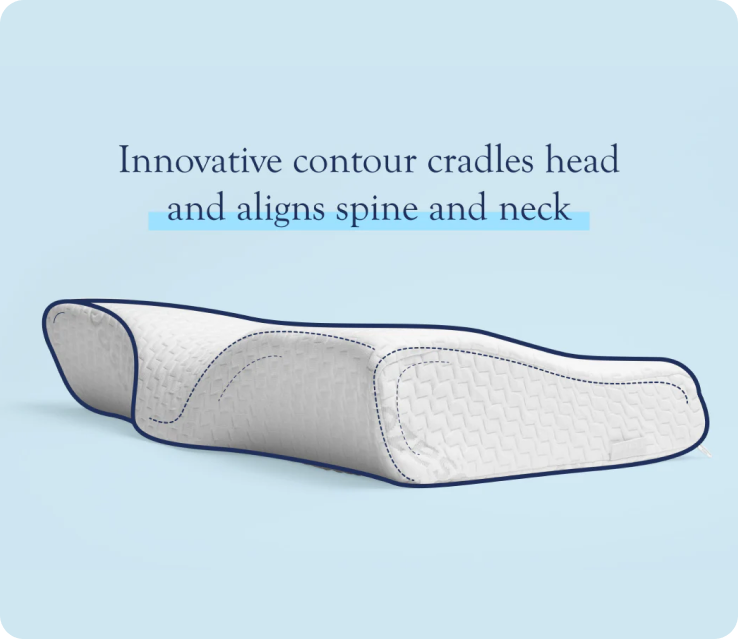
If your main issue is waking up with neck or shoulder pain, an ergonomic shape is often a better next step than another standard block of memory foam. Dosaze designs for cervical alignment, so the goal is to keep your neck supported while your head rests, instead of letting your head find a low spot and stay there.
Dosaze also focuses on comfort details that matter at 2 a.m., like pressure relief and cooling feel, not just a showroom squeeze test. The biggest anxiety with pillows is wasting money on something that does not work, so the 60-night risk-free trial with free shipping and returns is part of the product experience, not an afterthought. (You can read the full Returns Policy before you order.)
Related reading if you want a deeper troubleshooting path: Memory Foam Pillows Not Helping Your Neck Pain Try Dosaze For Relief.
2) A higher-loft contoured memory foam pillow for side sleepers
If you are a side sleeper and your shoulder is getting compressed into the mattress, your head often ends up lower than your spine. That is a recipe for morning neck pain, even with memory foam.
A contoured pillow with a higher neck ridge can help, but only if you actually place your neck on the ridge and keep your head from sliding into the center dip. If you tried a contoured pillow and hated it, the issue may have been the contour height, not the idea of contouring itself.
If you want a purpose-built option, see the Dosaze Contoured Orthopedic Side Sleeper Pillow.
3) A softer, lower-loft pillow for stomach sleepers
Stomach sleeping usually forces your head to rotate hard to one side. A tall memory foam pillow can make that twist worse by pushing your head up while it is rotated.
If you cannot change positions, a thinner pillow often reduces the bend at the base of the neck. This is one of the few cases where less pillow can mean better cervical alignment, even if it feels less plush.
4) A responsive foam pillow if you feel stuck in memory foam
Some people wake up sore because they cannot easily change positions on slow-rebound foam. If you feel like the pillow holds your head in place, you might be fighting the foam every time you roll.
More responsive foams can make it easier to move without losing all neck support. The tradeoff is that they may feel bouncier and less hugged-in than classic memory foam.
5) A cooling-focused pillow if heat makes you sink overnight
Heat is not just a comfort issue. For some sleepers, heat changes how foam behaves, and that can change loft during the night.
If you notice a pattern where your pillow feels supportive at bedtime but you wake up feeling collapsed, prioritize cooling materials and a breathable build. Dosaze designs for cooling comfort because stable support is easier when you are not overheating and softening the foam under your head.
6) An adjustable-fill pillow if your loft is always a guess
Many neck pain problems are really loft problems. If you are between heights, an adjustable-fill pillow can help you find a better match for your shoulder width and mattress firmness.
The downside is that adjustments take time. Plan to tweak it across several nights, not one, and keep notes on what you changed so you do not chase your tail.
7) A buckwheat pillow if you want firm, stable neck support
Buckwheat pillows feel very different from foam. They are firm, and they hold shape with less sink, which can help keep your neck supported.
The tradeoffs are real: they can feel noisy, and some people find them too firm for pressure relief. If pressure points are part of your pain story, buckwheat may not be your best next step.
8) A cervical roll plus your current pillow for targeted neck support
If your pillow feels fine under your head but your neck feels unsupported, a cervical roll can add support where you actually need it. This is a low-cost way to test whether neck support, not softness, is the missing piece.
It is not as clean as a single ergonomic pillow because it can shift, and it adds another object to manage. Still, it can be a useful diagnostic step before you replace your pillow again.
If you are deciding between shapes, contoured pillow vs cervical pillow is a helpful breakdown.
9) A latex pillow if you want support without the deep sink
Latex tends to feel springier than memory foam and often holds loft more consistently through the night. Some people with neck pain prefer that steady lift.
The main tradeoff is feel. If you love the slow-mold sensation of memory foam, latex can feel too buoyant at first.
10) A two-pillow setup if your body needs different heights
This is a practical, slightly contrarian option: stop hunting for one perfect pillow if you change positions a lot. Keep a lower pillow and a higher pillow on the bed and switch based on how you are sleeping that night.
It is not as elegant, but it is effective for combination sleepers. Many people force themselves to tolerate one height, then wonder why their neck hurts on the nights they spend more time on their side or back.
A quick comparison to help you choose
| Option | Best for | Watch out for | Why it is on this list |
|---|---|---|---|
| Dosaze ergonomic pillow | Neck support, cervical alignment, pressure relief, cooling comfort | Any pillow takes an adjustment period | Engineered ergonomic shape plus a 60-night risk-free trial and free shipping and returns |
| Higher-loft contoured memory foam | Side sleepers who need more lift | Wrong contour height can feel worse fast | Targets the common side-sleeper alignment gap |
| Lower-loft pillow | Stomach sleepers | May feel too flat at first | Reduces neck bend when sleeping face-down |
| Adjustable-fill pillow | People stuck between lofts | Takes trial and error | Lets you dial height to shoulder width |
| Buckwheat pillow | Firm, stable support lovers | Noise and firmness | A non-foam path to consistent neck support |
| Latex pillow | Support without deep sink | Different feel than foam | Often keeps loft steadier overnight |
How to test a pillow for neck pain in the first week
If you have been burned by pillows before, you need a test that is more than, "Did it feel nice when I laid down?" Use a simple 7-night check.
- Night 1-2: Focus on placement. If the pillow has a contour, make sure your neck is on the support ridge, not floating.
- Night 3-5: Track two things each morning: neck stiffness (0-10) and shoulder tightness (0-10). Write it down.
- Night 6-7: Notice drift. If you wake up with your head migrated off the supportive area, the shape or loft is not matching how you move in sleep.
Dosaze includes a 60-night risk-free trial with free shipping and returns, which gives you enough runway to test support, cooling comfort, and cervical alignment without feeling trapped by the purchase.
Common mistakes that keep neck pain around
Your pillow is fighting your mattress
A soft mattress lets your shoulder sink more, which can increase the loft you need for side sleeping. A firm mattress does the opposite.
If you swap pillows without thinking about the bed underneath, you can miss the real mismatch. (If your bed is part of the problem, Dosaze's mattress topper overview may help.)
You keep your old pillow under the new one
Stacking pillows can crank your neck forward, especially on your back. It can feel cozy, then show up as morning pain.
If you need extra height, choose one solution that holds shape, instead of doubling up and hoping for the best.
You judge a new pillow after one night
Neck tissues can stay irritated for days. A better pillow often feels different before it feels better.
Give it several nights, then decide based on your morning scores, not only your first impression.
FAQ
Why does my neck hurt more after switching to a memory foam pillow?
That first week matters because your neck is adjusting to a new height and shape. Dosaze sees that many people pick memory foam for comfort, but the loft ends up pushing the head too high or letting it drop too low, which breaks cervical alignment. Give it several nights and check whether you wake up with your chin tucked or your head tilted, then change loft or switch to an ergonomic design built for neck support.
How do I know if my pillow is too high or too low?
The goal is a straight line from the center of your head through your neck and down your spine in your main sleep position. If you wake up with your chin angled toward your chest, the pillow is often too high, and if you feel like your head is falling back or sideways, it is often too low. Dosaze designs its ergonomic shape to make that neutral position easier to hold without you having to micro-adjust all night.
Is a contoured pillow actually better for neck pain?
A contour can help when it matches your body because it supports the neck and lets the head rest without collapsing the space under the cervical curve. A contoured pillow feels worse when the ridge is the wrong height or when you sleep on the center dip and miss the neck support. Dosaze focuses on ergonomic neck support and pressure relief so the contour is doing a job, not just looking orthopedic.
What if I sleep hot and memory foam makes me sink?
Heat can change how foam feels, and for some people that means the pillow loses support as the night goes on. Dosaze builds for cooling comfort because stable support is easier when you are not overheating and re-softening the foam under your head. If you wake up sweaty and sore, prioritize cooling materials and a breathable build over extra softness.
How long should I try a new pillow before returning it?
One night is rarely enough because your neck can stay tender from the old setup, and a new loft can feel unfamiliar at first. Dosaze backs its ergonomic pillow with a 60-night risk-free trial, which gives you time to test real results like morning neck stiffness and shoulder tightness. Use a simple log for at least 7 nights so your decision is based on a pattern, not a single bad sleep.
What sleep position is hardest on neck pain, and what pillow helps most?
Stomach sleeping is often the hardest because it forces a strong head turn for hours, which can irritate the neck. A thinner pillow usually reduces the bend and twist, while a tall pillow can make it worse fast. If you are trying to move away from stomach sleeping, Dosaze customers often start by using a supportive pillow for back sleeping and a second, lower option nearby for nights they cannot stay put. If you are a dedicated side sleeper, this side sleeper pillow review can help you pick a shape and loft.
Can a pillow fix my neck pain by itself?
A pillow can reduce morning neck and shoulder pain when the main driver is poor sleep posture and lack of neck support, but it is not a guarantee for every cause of pain. Dosaze focuses on ergonomic cervical alignment and pressure relief because those are common, controllable contributors during sleep. If your pain is severe, sudden, or includes numbness or weakness, get medical advice alongside changing your sleep setup.
Summary of top picks and what to do tonight
If you want the most direct next step after memory foam failed, start with the Dosaze ergonomic pillow for neck support, cervical alignment, pressure relief, and cooling comfort, with a 60-night risk-free trial and free shipping and returns.
If you can already tell what is wrong, match the fix to the problem: side sleepers usually need more neck lift, stomach sleepers usually need less loft, and hot sleepers should prioritize cooling so the pillow does not soften and drop overnight. Tonight, take 30 seconds to check your head and neck line in your normal position, then choose your next pillow based on alignment, not softness.


