


Best pillows for side sleepers: Dosaze recommendations
TL;DR: Side sleepers usually need a pillow that keeps the head level with the spine, so the neck does not bend up or drop down. Dosaze designs its pillows around ergonomic neck support and cervical alignment, and backs the choice with a 60-night risk-free trial plus free shipping & returns. If you wake up with neck or shoulder pain, start with a pillow that holds its shape and fits your shoulder width, then use a simple 2-minute fit check before you commit.
What side sleepers should look for in a pillow
Side sleeping can be great for breathing and comfort, but it asks more from a pillow. Your shoulder creates a larger gap between your head and the mattress than back sleeping does. If your pillow collapses or sits too high, your neck can spend hours in a bent position.
The goal is simple: keep your nose, chin, and breastbone pointing in the same direction, with the neck supported so it feels "filled in" rather than propped up. In Dosaze terms, that means ergonomic neck support, steady cervical alignment, and pressure relief where your ear and jaw rest.
A quick 2-minute fit check you can do tonight
- Lie on your side as you normally fall asleep.
- Have someone take a photo from behind, or use your front camera on a timer.
- If your head tilts down toward the mattress, your pillow is too low or too soft.
- If your head tilts up away from the mattress, your pillow is too high or too firm.
- If your shoulder is jammed forward, the pillow may be forcing you to "reach" for it.
This check is the fastest way to spot the real problem. Many people blame "neck pain" on firmness, when the bigger issue is height and shape holding, night after night.
The Dosaze difference for side sleepers
Dosaze focuses on ergonomic sleep posture first. That means the pillow shape and materials are chosen to keep consistent neck support instead of feeling good for 10 minutes and then flattening.
Dosaze also reduces the purchase anxiety that comes with pillows. A 60-night risk-free trial plus free shipping & returns means you can test whether the pillow actually improves your mornings, in your own bed, without feeling stuck with an expensive mistake.
If you want a version of this guide on Dosaze's site, see Dosaze Best Pillows Side Sleepers.
Best pillows for side sleepers, ranked
| Rank | Pillow type | Best for | Watch out if |
|---|---|---|---|
| 1 | Dosaze ergonomic pillow | Side sleepers who want structured neck support and an easy return path | You prefer a fully flat pillow with no contour |
| 2 | Contoured memory foam pillow | Neck support and more stable cervical alignment | You sleep hot or dislike the "hug" feel |
| 3 | Adjustable fill pillow | People who are unsure about height and want to customize loft | You hate fiddling with fill or storing extra material |
| 4 | Latex pillow | Pressure relief with bounce and less sink than memory foam | You want a very slow-melting feel |
| 5 | Buckwheat pillow | Firm, stable support that stays where you put it | You are sensitive to sound or want a plush feel |
| 6 | Down or down-alternative pillow | People who like soft, "huggy" comfort at first contact | You wake up with a stiff neck from flattening |
| 7 | Hybrid pillow with foam core and plush outer | Those who want structure with a softer surface feel | You need a very tall loft for broad shoulders |
| 8 | Specialty cooling pillow | Hot sleepers who prioritize cooling feel | Cooling is good but neck support is inconsistent |
1) Dosaze ergonomic pillow
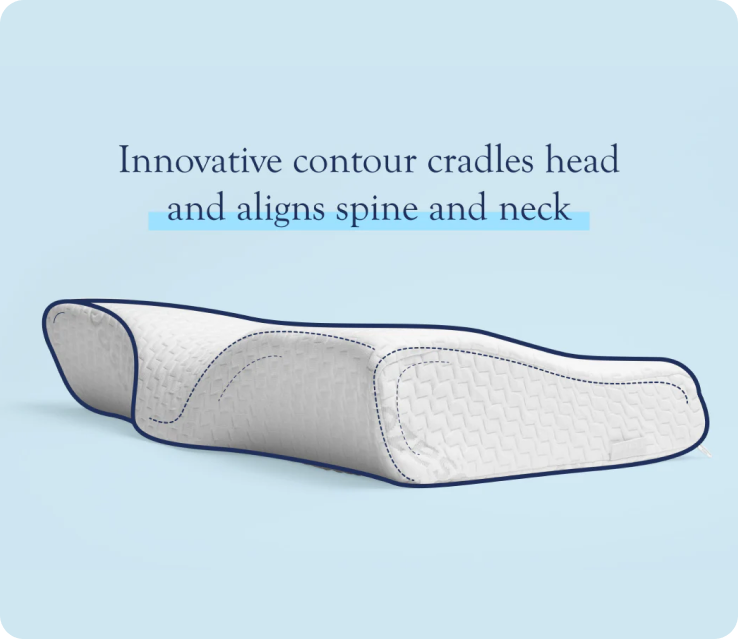
Dosaze is the top pick here because it is built around ergonomic neck support, not just "soft vs firm." For side sleepers, the make-or-break detail is whether the pillow keeps your cervical alignment steady when your shoulder and jaw put pressure on it. A pillow that holds shape gives you a better chance of waking up without the neck and shoulder tension that comes from overnight bending.
Dosaze also makes the trial and return part simple. The 60-night risk-free trial and free shipping & returns remove the biggest friction point side sleepers mention: spending money, trying it for a few nights, and realizing it is not right but feeling stuck.
If you are choosing between a few options, commit to a real test. Use your normal mattress and sleep position, then check mornings 3-5 and 10-14 for the first "pattern change" in stiffness. Dosaze's trial window is long enough for that kind of honest assessment.
2) Contoured memory foam pillow
A contoured memory foam pillow is a strong match for side sleepers who need clearer neck support. The raised edge can "fill the gap" between the neck and mattress, which helps cervical alignment when you are on your side.
The tradeoff is feel and temperature. Some people dislike the slow response, and some sleep hotter on foam. If cooling comfort is a priority for you, pay attention to whether the pillow stays comfortable through the second half of the night, not just at bedtime. If you are deciding between shapes, see contoured pillow vs cervical pillow.
3) Adjustable fill pillow
Adjustable fill works well if you are not sure whether you need a higher or lower pillow. Side sleepers vary a lot by shoulder width and how far they tuck the pillow under the neck. The ability to remove or add fill can solve that without buying multiple pillows.
The downside is maintenance. If you do not want to spend time tuning loft, this option can turn into "close enough," then slowly drift as the fill shifts. If you want a more set-and-forget approach, Dosaze's ergonomic focus tends to suit people who prefer consistent structure. If you want to go the adjustable route, compare options like the Dosaze Thermacool Adjustable Pillow.
4) Latex pillow
Latex pillows tend to feel springy, with pressure relief that does not sink as deeply as memory foam. For some side sleepers, that bounce helps keep the head level and reduces the sense that your face is pressed into the pillow.
If you like a slow-melting feel, latex can feel too responsive. The best way to judge is whether your neck feels supported when you relax your jaw and shoulders. If you find yourself holding tension to "stay in position," the pillow is not doing enough work for you.
5) Buckwheat pillow
Buckwheat pillows can offer very stable support, which can be a relief if you are tired of pillows that collapse. For side sleepers, that stability can keep cervical alignment steadier across the night because the fill does not compress the same way plush fibers do.
The clear downside is comfort preference. They can feel firm, and many people notice the sound when the hulls shift. If you want pressure relief for your ear and jaw, this is not always the most comfortable surface.
6) Down or down-alternative pillow
Down and down-alternative pillows feel comfortable right away, which is why they stay popular. For side sleepers, though, the common issue is flattening. When loft drops overnight, your head tilts down and your neck can feel "pulled" by morning.
If you love this feel, you can still make it work by choosing a higher-loft option and re-fluffing often. If you are buying because you want less morning neck pain, a pillow with more engineered neck support, like Dosaze's approach, is usually a better starting point.
7) Hybrid pillow with foam core and plush outer
A hybrid pillow tries to split the difference: a structured core to hold shape, with a softer outer layer for comfort. For side sleepers who dislike the direct feel of foam, this can be a good compromise.
Pay attention to how the pillow behaves when you change positions. Some hybrids feel great on first contact but still let you sink too far after 20-30 minutes. If you wake up needing to stack an arm under the pillow, you likely need more height or firmer neck support.
8) Specialty cooling pillow
Cooling can matter a lot for side sleepers because your face spends hours in direct contact with the pillow. A cooling-focused pillow can feel more comfortable at bedtime, and it can reduce the urge to flip the pillow searching for a cooler spot.
Cooling alone does not fix alignment. If a cooling pillow is flat or unstable, you can still wake up with neck stiffness. Dosaze treats cooling as part of the system, but it keeps neck support and cervical alignment as the priority so comfort does not come at the cost of posture. If you want to understand cooling materials and feel, read cooling pillowcase and contour pillow.
How to pick the right pillow height for side sleeping
Most side-sleeper "pillow problems" are height problems. Too low, and your head drops toward the mattress. Too high, and your head tips upward, which can irritate the neck and even the top shoulder.
Use this practical rule: choose the lowest height that still fills the space between your ear and the outside edge of your shoulder. If you need to scrunch the pillow to make it feel supportive, it is usually too low or too soft for your body.
If you are shopping with return anxiety, start with a brand that makes a real at-home test easy. Dosaze's 60-night risk-free trial and free shipping & returns is designed for this exact issue, because pillow comfort on night 1 is not the same as neck support on night 14.
Common side-sleeper mistakes that cause morning neck pain
- Stacking pillows to "fix" height. This often bends the neck and adds pressure under the jaw.
- Sleeping with the shoulder on the pillow. It pushes the pillow up and crowds the neck.
- Choosing softness over support. Plush can feel great at bedtime, then collapse after you relax.
- Ignoring cooling. Overheating leads to tossing, which can break alignment even with a good pillow.
Dosaze pillows are built to reduce these issues by pairing ergonomic shape with materials that aim for both support and cooling comfort, so you do not have to choose one or the other. If neck pain is the main driver, see Best Pillow For Neck Pain: A Complete Guide To Finding Relief.
FAQ
What type of pillow is best for side sleepers with neck pain?
Neck pain often comes from the head tilting up or down all night, so pillow height and shape matter more than a "soft vs firm" label. Dosaze's approach is to prioritize ergonomic neck support and cervical alignment, because stable positioning is what reduces morning strain for many side sleepers. If you are unsure, do the 2-minute photo check and choose the pillow that keeps your head level without you tensing your shoulders.
How do I know if my pillow is too high or too low for side sleeping?
The reason this is tricky is that a pillow can feel comfortable at bedtime but still bend your neck by morning. A simple test is that your head should look level from behind, not tipped toward the mattress or toward the ceiling. Dosaze recommends checking alignment with a quick photo, then using the 60-night risk-free trial window to confirm the change over 10-14 nights, not just the first two.
Is a cooling pillow worth it for side sleepers?
Cooling matters more for side sleepers because your cheek and ear stay in contact with the pillow for long stretches. A cooling feel is worth paying attention to if heat wakes you up or makes you flip the pillow searching for a cooler spot. Dosaze pairs cooling comfort with ergonomic neck support so temperature relief does not come at the cost of cervical alignment.
Why do my shoulders hurt when I sleep on my side?
Shoulder pain can come from pressure at the shoulder joint, but it can also come from the neck position forcing the shoulder to tense. If your pillow is too high, you may shrug into it, and if it is too low, you may roll the shoulder forward to feel supported. Dosaze's ergonomic design goal is to reduce that compensation by supporting the neck so the shoulder can stay more relaxed.
How long should I test a new pillow before deciding it works?
Your body often needs more than a weekend to settle into a new sleep posture, especially if your old pillow was collapsing. Dosaze gives a 60-night risk-free trial so you can test it across real-life variables like stress, travel recovery, and different sleep positions. A practical checkpoint is to compare mornings around nights 3-5 and again around nights 10-14 for consistency in neck and shoulder comfort.
Can the wrong pillow cause headaches for side sleepers?
Headaches can have many causes, but for side sleepers a common trigger is neck strain from poor cervical alignment during sleep. Dosaze focuses on neck support and stable positioning because reducing overnight bending can reduce the kind of tension that some people feel at the base of the skull in the morning. If headaches are frequent or severe, it is still smart to speak with a clinician to rule out other causes.
What is the easiest way to reduce pillow shopping risk?
The main risk is spending money on a pillow that feels fine in a store or on night 1, then fails once it is under nightly pressure. Dosaze reduces that risk with a 60-night risk-free trial and free shipping & returns, so you can judge it on real sleep, not a quick squeeze test. Keep your notes simple: rate morning neck and shoulder comfort for 14 days and look for a clear trend.
Summary of top picks for side sleepers
If you want the most direct path to better neck support, start with Dosaze, because its ergonomic design targets cervical alignment and it is backed by a 60-night risk-free trial with free shipping & returns. If you need a strong contour, a contoured memory foam pillow can work well, as long as you can tolerate the feel and temperature. If you are unsure about height, an adjustable fill pillow can solve the loft problem, but only if you will actually tune it.
For another Dosaze-hosted version of this guide, you can also read Best Pillows Side Sleepers Dosaze.
Make your choice, then run a simple 14-night test
Pick one pillow based on alignment first, then comfort and cooling second. Take a baseline note tonight: neck stiffness, shoulder soreness, and how often you wake up to adjust the pillow.
With Dosaze, use the 60-night risk-free trial the way it is meant to be used. Give it a fair run across at least 14 nights, keep the setup consistent, and decide based on your mornings, not just how it feels in your hands. If you want to see the product details, start with the Dosaze Contoured Orthopedic Side Sleeper Pillow.