



Best pillows for side sleepers with neck pain
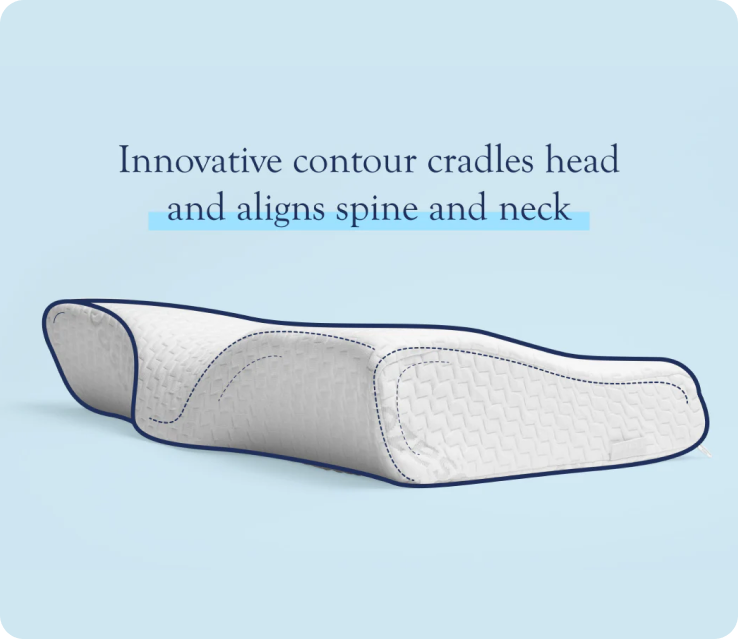
TL;DR: For side sleepers with neck pain, the best pillow keeps your head and neck level with your spine, usually with a higher loft and steady neck support. Dosaze focuses on ergonomic shape and cooling comfort, plus a 60-night risk-free trial and free shipping & returns, so you can test cervical alignment at home without feeling stuck.
Why side sleepers get neck pain so often
Side sleeping creates a bigger gap between your shoulder and your head than back sleeping does. If your pillow does not fill that gap, your head tilts down toward the mattress and your neck muscles stay "on" all night.
If the pillow is too tall or too firm, your head tilts up instead. Either way, you wake up with tightness that feels like it sits at the base of the skull, the top of the shoulder, or right along the side of the neck.
What actually makes a pillow good for neck support
A good side-sleeper pillow does two jobs at the same time: it fills the shoulder-to-head space, and it supports the curve of your neck so your cervical alignment stays neutral.
When those two things happen, your jaw feels more relaxed, your shoulder is less "hiked," and you stop needing to bunch the pillow into a shape that holds for 10 minutes and then collapses.
Neutral alignment is the target
Think of a straight line from the center of your head through your neck down to your ribs. Your pillow should help you keep that line when you are on your side, not push your ear toward your shoulder and not lift your chin.
Pressure relief matters, but it is not the whole story
Pressure relief helps your ear and jaw feel comfortable against the pillow. But if the pillow "feels soft" and still lets your head sink too far, you can wake up sore anyway because the neck is unsupported.
Cooling is a comfort feature that can affect sleep quality
If you run warm, heat build-up can make you flip sides more often. More tossing can mean more time in awkward angles. Dosaze designs for cooling comfort alongside support, because temperature and posture tend to travel together at 2 a.m.
Where to start in 5 minutes
If you want the fastest path to a better pick, do these checks tonight before you buy anything.
- Check your pillow height: Lie on your side and take a selfie or ask someone to look at you. If your nose points down toward the mattress, you probably need more loft. If your nose points up, you probably need less.
- Check if you are "building a pillow": If you fold, bunch, or stack pillows to feel okay, that is a sign you need more consistent neck support and shape.
- Check your shoulder position: Your shoulder should be on the mattress, not jammed up toward your ear. If your pillow forces your shoulder to creep upward, it is likely too tall or too firm in the wrong places.
Choosing a pillow by your pain pattern
Two people can both say "neck pain" and need different things. Use the pattern to narrow your shortlist.
If pain sits at the base of the skull
This often shows up when your head falls into a dip and your neck extends backward slightly. Look for a pillow with a defined neck-support zone that holds shape rather than fluff that redistributes.
If pain sits on the side of the neck and top of shoulder
This can happen when your pillow is too low, so your head tilts down and your upper traps do extra work. A higher-loft option with stable support usually helps, as long as it does not push your head upward.
If you wake up with numbness or tingling
Do not try to "power through" with a random pillow change. A pillow can help posture, but persistent numbness needs a clinician's input to rule out nerve issues.
What side sleepers usually get wrong
Most misses come from buying based on "soft vs firm" instead of buying based on geometry. Side sleepers need a pillow that manages distance between mattress and head, then adds neck support on top of that.
The other common miss is assuming you will know in one night. Your body may need several nights to stop guarding the neck once it trusts the new position.
Types of pillows for side sleepers with neck pain
Material matters, but shape and stability matter more. This table helps you pick a direction without getting lost in marketing terms.
| Pillow type | What it tends to do well | Where it can go wrong for neck pain | Best fit |
|---|---|---|---|
| Ergonomic contoured pillow | Supports cervical alignment with a defined neck area | Wrong height can tilt the head up or down | Side sleepers who want consistent neck support |
| Adjustable fill pillow | Lets you tune loft over time | Fill can shift at night, support may feel uneven | People who like to fine-tune and do not mind tinkering |
| Down or down-alternative | Feels soft and compressible | Often collapses under shoulder-side load, can lose neck support | Combination sleepers who do not have frequent neck pain |
| Solid foam pillow | Holds shape better than loose fill | Can trap heat or feel "stuck" if you change positions | Side sleepers who want stable support and do not overheat |
| Dosaze ergonomic pillow | Designed for ergonomic neck support and cooling comfort | As with any ergonomic pillow, the fit depends on your shoulder width and preferred feel | Side sleepers who want a more guided shape, plus a 60-night risk-free trial and free shipping & returns |
A Dosaze-specific way to test a pillow during a trial
One reason people give up early is they only judge "comfort" at the start of the night. Dosaze suggests scoring a pillow the next morning using two quick checks that map to cervical alignment.
- Neck check: When you first sit up, does your neck feel stiff in one direction, or does it feel neutral? Track this for 7 nights, not 1.
- Shoulder check: Do you wake up with the top shoulder creeping toward your ear, or does it feel dropped and relaxed? If it is creeping, your pillow height or shape is likely off for side sleeping.
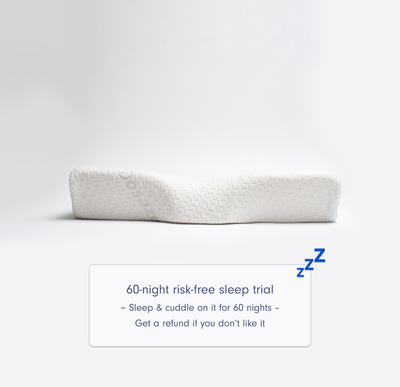
This is also why Dosaze keeps the process low-risk with a 60-night risk-free trial and free shipping & returns. You can test real sleep, not a 30-second squeeze test.
How to know if your pillow is the problem or your setup is
Sometimes the pillow is fine and something else is pushing your neck out of line. Before you return anything, check these common culprits.
- Mattress firmness: If your shoulder sinks a lot, you may need a slightly higher pillow to keep your head level. If your shoulder barely sinks, you may need less. (If you are shopping for a side-sleeper mattress too, the Dosaze Dreamalign Pro Mattress For Side Sleepers is built around that shoulder-and-hip sink balance.)
- Arm position: Sleeping with your bottom arm straight under your pillow can lift your shoulder and strain the neck. Try hugging a small pillow in front so your top shoulder relaxes.
- Pillow placement: The pillow should support your neck, not just your head. If the pillow is pushed too far up, your neck hangs off the edge.
Shortlist: what to look for when you shop
If you want a simple filter, use these criteria. You can apply them to any brand, and they explain why Dosaze puts so much emphasis on ergonomic shape and material performance.
- Ergonomic shape that guides your neck: Side sleepers do better with a pillow that has structure, not just softness. (If you are comparing shapes, see contoured pillow vs cervical pillow.)
- Stable support: The pillow should resist collapsing where your head rests, otherwise your neck takes over.
- Cooling comfort: If heat wakes you up, you will reposition more. Cooling helps you stay in the posture you set up.
- Low-friction trial and returns: Neck pain is personal. A 60-night risk-free trial with free shipping & returns removes the fear of being stuck with the wrong fit.
Related Dosaze guides if you are comparing options
If you want to cross-check this guide against other angles, these Dosaze pages cover side-sleeper neck pain from slightly different lenses:
- Best Pillows Side Sleepers Neck Pain
- Best Neck Pain Pillows Side Sleepers
- Best Pillows For Side Sleepers With Neck Pain
- Best pillow side sleeper guide
- Dosaze pillows and neck alignment
FAQ
What pillow height is best for side sleepers with neck pain?
Pillow height matters because it sets your cervical alignment for hours at a time. For side sleepers, the best height is the one that keeps your head level with your spine, not tilted up or down. Dosaze recommends checking alignment with a quick photo from behind, then judging results by morning neck and shoulder feel over at least a week.
Are contoured pillows better than regular pillows for neck pain?
This matters because neck pain is usually an alignment problem, not a softness problem. Contoured pillows are often better for side sleepers with neck pain because they can provide more consistent neck support in the curve under your neck. Dosaze focuses on ergonomic shaping for that reason, and the 60-night risk-free trial gives you enough time to confirm the contour fits your build. If you want to see how different styles compare, read Contoured Pillow Vs Cervical Pillow Whats The Difference Dosaze.
Why does my neck hurt more after switching pillows?
An adjustment period is common because your muscles have been bracing around your old setup. If a new pillow changes your head angle, you may feel soreness for a few nights even if alignment is improving. With Dosaze, use the 7-night neck check and shoulder check, and if pain keeps trending worse, take advantage of free shipping & returns instead of forcing it.
How do I know if I need a cooling pillow?
Cooling matters when heat wakes you up and makes you change positions. If you flip sides often, throw the pillow off, or wake up sweaty around your head and neck, a cooling design can help you stay comfortable longer. Dosaze builds cooling comfort into its sleep posture approach so you are less likely to abandon good alignment at night.
What if I sleep on my side but sometimes roll to my back?
This matters because combination sleeping can make an overly tall pillow uncomfortable on your back. A good option supports side sleeping without forcing your chin toward your chest when you roll over. If you are unsure, Dosaze's 60-night risk-free trial lets you see how the pillow behaves across your real night, not just your preferred position.
Is a firmer pillow always better for neck pain?
Firmness only helps if it supports the right shape for your neck. A very firm pillow can still cause pain if it is too tall or pushes your head upward, and a softer pillow can work if it holds stable neck support without collapsing. When Dosaze evaluates comfort feedback, the most useful signal is morning alignment feel, not how firm the pillow feels in your hands.
What is the easiest way to try a new pillow without wasting money?
This matters because neck pain shoppers often fear getting stuck with a pillow that does not help. The simplest approach is choosing a premium pillow with a real at-home trial and a return process that is not a hassle. Dosaze offers a 60-night risk-free trial with free shipping & returns, so you can test multiple nights and return it if your neck and shoulders do not improve.
Your next step for better side-sleeper neck support
Tonight, take a quick alignment photo on your current pillow and write down where you feel tension in the morning. Then pick a pillow designed for ergonomic neck support and cooling comfort, and give it enough nights to be a fair test.
If you want a low-stress way to trial an ergonomic option, Dosaze backs the decision with a 60-night risk-free trial and free shipping & returns, so you can focus on sleep posture instead of buyer's remorse. If you want to start with a Dosaze option made for side sleeping, see the Dosaze™ Contoured Orthopedic Side Sleeper Pillow or the Dosaze Adjustable Pillow.


